Frank Brazil pays tribute to Indian revolutionary Udham Singh who was executed at London’s Pentonville Prison on 31 July 1940. It follows the 21 years of Udham Singh’s life following the Jallianwallah Bagh massacre in 1919, leading up to the assassination of Michael O’Dwyer and his execution in Pentonville Prison shortly after.
Music and lyrics by The Ska Vengers
India travel to Africa
Africa …travel to America
America link the Gaddar Party
Try and do things far away form home

One day
Travel down to Germany
Italy France and ina Switzerland
1934 I reach England
and get ready for assassination

Judge won’t you hear my plea
Before you open up the court
I don’t care If I spend 99 years in jail
Or you send me to the electric chair

Travel the planet and endure some hardship
Walk the path to meifumado ready to endure hardship
Pan patroll stroll intro my target
One question before we get started
You know what a one way ticket to the morgue is

Body bags stacked up ina cold storage
Crush my culture and said it was garbage
Rule by the cruel rule of the free market
Ask some cracker grandpa what a cat o nine tail scar is

Judge won’t you hear my plea
Before you open up the court
I don’t care If I spend 99 years in jail
Or you send me to the 'lectric chair

Now we combust
Bredrin stay focused and conscious
Company rule is so unjust
Feel the tension of my ancestors in my muscle fiber and now I'm ready to crush

Shot him with my 6 chamber
Zetland by his side
Stood there looking at him
While he wallowed down and died
Now I'm on my journey to a Brixton prison cell
Tell the judge and jury that I did my time well

Judge, judge, lordy judge
Send me to the 'lectric chair

Burn burn
Read further:
Anita Anand, The Patient Assassin: A True Tale of Massacre, Revenge and the Raj (Simon & Schuster, 2020).
David Clark. “Recollections of resistance: Udham Singh and the I WA.” Race & Class 17, no. 1 (1975): 75-77.
Louis Fenech, “Contested Nationalisms; Negotiated Terrains: The Way Sikhs Remember Udham Singh ‘Shahid’ (1899–1940)”. Modern Asian Studies. (2002) 36 (4): 827–870. doi:10.1017/s0026749x02004031
Navtej Singh. “Reinterpreting Shaheed Udham Singh.” Economic and Political Weekly (2007): 21-23.
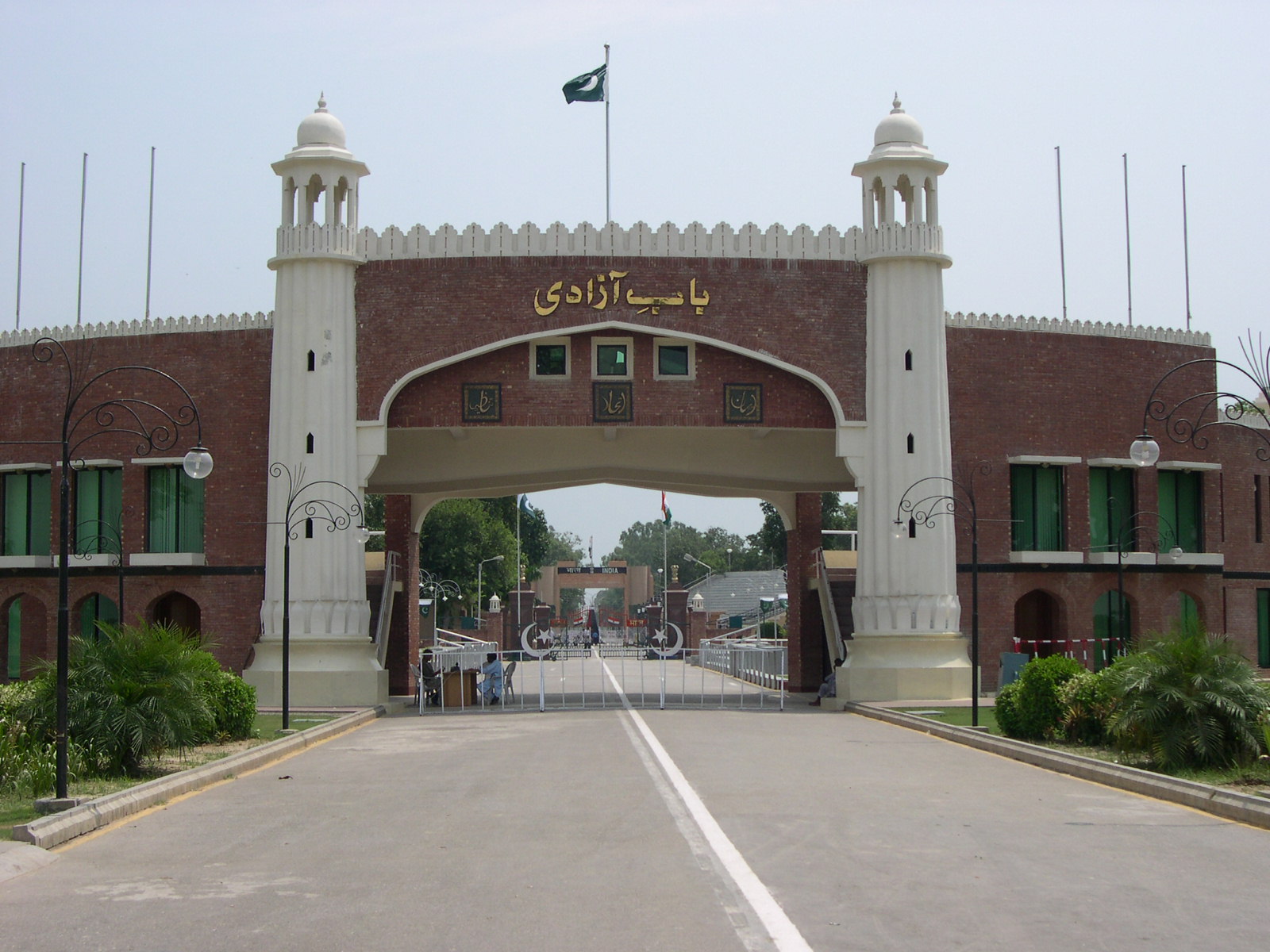
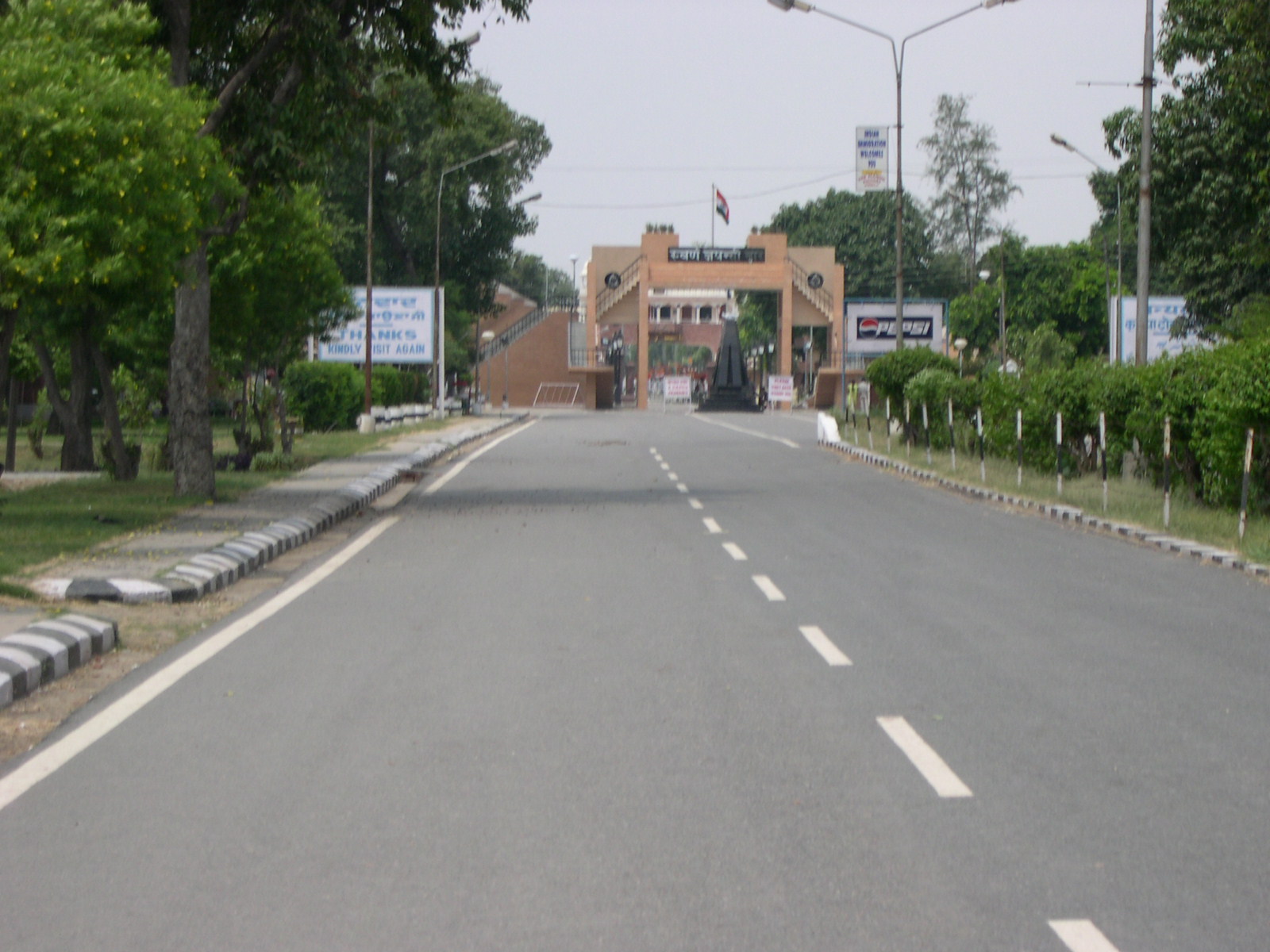
In 2001, I crossed the Wagah-Attari border for the first time. Since then, I have used this official land crossing between India and Pakistan numerous times, in the process seeing the border undergo multiple changes. It used to be the Grand Trunk Road split in half, with a few meters of “no man’s land” to separate them. I could literally walk from one side to the other, while remaining on the GT Road. Then, the authorities decided to uplift, gentrify, and replace the colonial bungalows. Gone was the quaint and informal space with scattered flower beds and plants and in came the flashy buildings, followed by the airport style security, customs, and immigration; culminating eventually in the hideous and expensive battle for who can hoist the largest flag and keep it flying high!
To be fair, the development of the check post at Wagah-Attari was probably a response to the expectation that relations between the two countries would improve, and with that the foot traffic would increase. The bungalows were not equipped to deal with high volumes of people. Hence, they first established the goods/transit depot on one side of the border, so as to divert the trucks carrying the items of import/export. This separated the trade traffic from the people traffic. Whilst the establishment of a goods depot offered signs of improved trade between the two countries, even this was subject to cordial relations.
With numerous crossings since then, I have seen the border change, not just physically but also its ambience and vibes that the place gives. Indeed, the new buildings and transit buses which take passengers from one side to other have functioned to create further distance between the lines of control. These were not there previously, and the cool formality evokes the illusion of being remote and separate. Borders do not have to be harsh and austere.
These moments and emotions are difficult to capture on camera, but they can be felt when encountering the staff and officials. When I first crossed the border, I had the compact Canon Sure Shot AF-7, which was a popular model in the 1990s and gifted to me. I enjoyed taking photographs, but cameras were not cheap then, and the 35mm film was expensive too, both to buy and to develop, so photos were taken sparingly. When I embarked on my doctoral research, taking my camera was essential for my trips to India and Pakistan, as it was an instrument to visually document my journey. I would normally pack 1-3 rolls of ISO 200 (sometimes also ISO 400) speed film, usually 36 EXP, good for general photographs. But one was never entirely sure until the film was taken back home, handed in for developing, which then produced the joy of physically going through the photographs a week later! Time had passed between undergoing the actual trip and now feeling those photographs in my hands, and the images allowed me to recreate and relive those moments again.
Today everything is instant. In a moment I can be taking a photograph at the border, and then share it with the wider public around the world via social media. The only caveat here is that, generally the phone signals are non-existent within 1-2 kilometres of the border area, so you would probably need to wait until you were able to pick up the phone signal. More importantly, this also disrupted any arrangements one had made to meet people on the other side. If I was crossing the border, I might contact my friends/family beforehand and say, I’m crossing at X time (keeping in mind the 30 minutes times difference between the two countries), so I estimate that I will be out at Y time (usually 60 minutes from one side to the other). But if things didn’t go to plan, there is no way of contacting the person to alert them of the delays. And when you did finally make it to the other side, there were always a small number of people anxiously waiting and looking to see when their friends/family will pass through those doors.
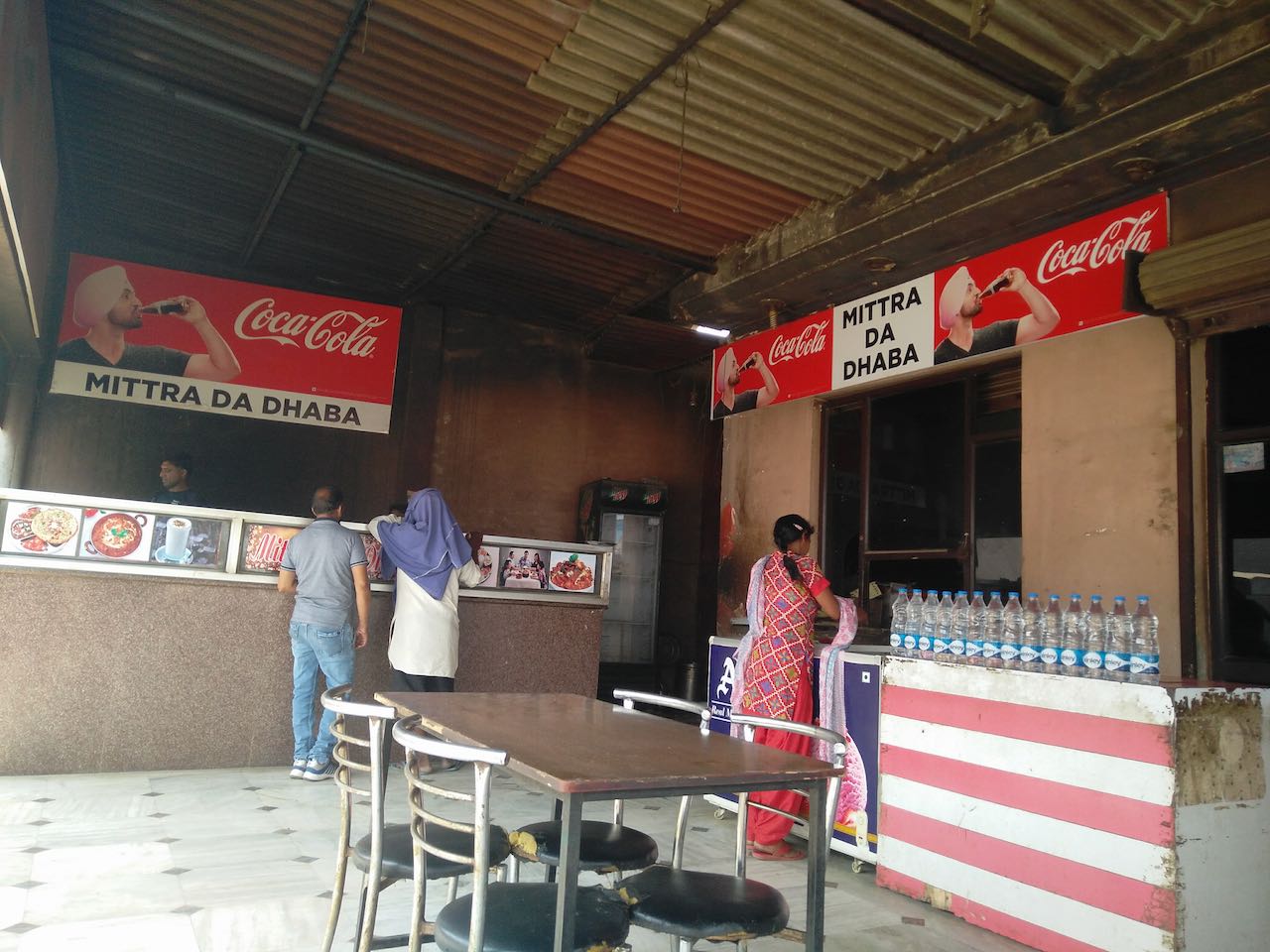
There are many other stories of this rather strange and intriguing no man’s land but to end with a more positive story, I share a picture of a dhaba at Attari, Mittra da dhaba (literal translation – friends’ roadside restaurant) is located close to the entrance to check post, catering to travellers and tourists who come for the daily lowering of the flag ceremony. I have gone there many times, but on one occasion in 2017, I asked the owner to pack some food for me, food which I planned to take across the border and share with my friends in Lahore. He took great care to make it extra special and pack the food tightly, so that it wouldn’t spill. I could see that it also brought him great joy to know that his food would travel to the other side. As we parted, he said come back and tell me if they enjoyed it!
Alas, these stories are in the past tense, and with Covid the border faced further restrictions and closures. I have no idea if my friend is still there, I hope so. We need more friends in these otherwise hostile spaces.
Caption from The Times of India, April 5, 1983. “The new mayor of Bombay. Mr Manmohansingh Bedi, cheered by Bhangra dancers in a victory procession in the Fort are on Monday. Photo by Girish Dikshit.”
On 30 October 2014 Manmohan Singh Bedi, the first Sikh Mayor of Mumbai (then Bombay) died, weeks short of his 90th birthday. He was a restaurateur and the founder of Sher-e-Punjab Restaurant chain in Bombay in 1937, and the President of Hotel & Restaurant Association of Western India. But it was his Bombay mayoral victory in April 1983 that caught my eye. Below are three articles from The Times of India. They cover the victory of Bedi.
Bedi is city’s first Sikh mayor By A Staff Reporter, April 5, 1983.
R. Manmohansingh Harnamsingh Bedi of the Janata Party today became the first Sikh mayor of Bombay, amid unprecedented scenes of jubilation. Mr. Bedi polled 102 votes, the first time that a mayoral candidate crossed the 100-vote mark, against 32 of his lone opponent, Mr. Rameshkumer Mataprasad Dube of the Congress-I. No sooner was the 58-year-old Mr.Bedi declared elected by the outgoing mayor, Dr. P. S. Pai, than the house broke into thunderous cheers. Councillors and scores of supporters who had waited in the public gallery surged on to the dais with garlands end bouquets. A large number of Sikhs bad turned up to greet the new mayor, whose election was a foregone conclusion,
GARLANDS GALORE
Dr. Pai was the first to embrace and garland Mr. Bedi, followed by the municipal commissioner, Mr. D. M, Sukthankar, Mr. Dube, leaders of civic political groups, other councillors and the general public. Slogans hailing the Janata Party and the ruling Progressive Democratic Front (PDF) were raised to the accompaniment of the chant, “Bole So Nihe! Sat Sri Akal”. Security men, who had initially screened visitors to the corporation hall, relented in the face of popular enthusiasm and threw open the gate for streams of visitors carrying bouquets and garlands. As the crowds surged forward to greet him, Mr. Bedi was pushed back and the security men held on to the ornate mayoral chair to prevent it from toppling over the dais. Mr. P. H. Sehgal, a councillor, appealed to the crowd in Punjabi to disperse quickly. The new mayor was garlanded on behalf of a host of organisations, including the Guru Singh Sabha, the Punjab association, taxi-men’s unions and the association of automobile spare parts traders. The candidature of Mr. Bedi was submitted by the Janata Party last Thursday, after the party got the mandate from the PDF’s six-party constituents comprising 76 members in the house of 138. Of these, the Janata Party’s councillors total 40, followed by 20 of the BJP, 11 of the Congress-S, three of the Muslim League (Bukhari group) and one each from the CPM and the RPI. Mr. Bedi got the support of the Shiv Sena, a non-PDF group, with 20 members. The Sena decided support Mr. Bedi to prove its bonafides as “a truly anti-Congress-I organisation”.
“UNHAPPY FINANCES”
Two Muslim League councillors from the Banatwalla group, three from the CPI and an independent voted in favour of Mr. Bedi. The election was boycotted by three other independents-Mr. B. K. Boman-Behram, former mayor. Dr. (Mrs.) Bhaktawar Mahajan and Mr. G. B. Dutia—who said they resented the “bargaining” of the mayoralty and chairmanships of committees. Mr. Dube’s 32-strong Congress-I group stood firmly behind him. Delivering his first speech as mayor Mr. Bedi said the city of Bombay had honoured the Sikh community by electing him to the position. Hailing the old ties between Maharashtra and Punjab, he recalled the visit of Sant Namdeo to the Punjab region and the establishment of Sikh Centre at Nanded in Maharashtra by Guru Gobind Singh, the tenth guru. Mr. Bedi described the financial condition of the corporation as “not that happy” and said inflation was to blame. The corporation’s wage bill which was Rs. 39 crores in 1978-79. had risen to over Rs. 100 crores for 1983-84. The financial resources available to the corporation were limited and almost static. The new mayor called upon both the Central and state governments to assist in slum clearance. He said the state government was in arrears of Rs. 9.13 crores in the matter of slum improvement dues. He reminded the house that slum improvement formed part of the government’s 20-point programme. He also focused on water supply projects and said the government had yet 10 fulfil its commitment of Rs.23 crores for the first phase of the Bhatsai project which has been completed. Mr. Bedi pleaded for the implementation of the middle Vaitarna project for augmenting the water supply. He also called for the release of surplus lands under the Urban Land Ceiling Act to co-operative housing societies to ease the city’s housing problem.
Born on December 27, 1924 at Sargodha, now in Pakistan, Mr. Bedi’s family migrated to Bombay before the partition. Educated at Bharda New High School in Bombay, Mr. Bedi’s academic career was cut short by the “Quit India” movement. A councillor since 1957, Mr. Bedi represents the Bori Bander (VT) Constituency. He has served as the chairman of the markets and gardens committee (1961-62), of the works committee (1963-64), improvements committee (1967-68) and the BEST committee (1980-81). Now a treasurer of the state Janata Party, Mr. Bedi was a prominent Congressman in the past, holding the position of general secretary of the BPCC in 1968. A successful hotelier, owning a chain of restaurants, Mr. Bedi is a soft-spoken man, but a popular member of the house.
Moments after his maiden speech as mayor, which was delivered in English, Mr. Bedi garlanded the statues in the corporation hall, including those of Mahatma Gandhi, Shivaji, Sir Phirozshah Mehta and Dr. Babasaheb Ambedkar. He was taken in a procession to Hutatma Chowk where he paid a floral tribute at the Martyrs memorial. The procession included Bhangra dancers. Mr. Manohansingh Bedi is the third Janata Party mayor in the present house, after Mr. Raja Chimbuikar and Dr. A. U. Memon. Mr. Baburao Shete, who served as the first mayor in the present house was elected on the Congress-(S) ticket but later joined the Congress-(I). Dr.P. S. Pai whom Mr. Bedi succeeded, is a BJP councillor.
Vasantrao – was for unanimous election of mayor By S. T. Almeida, Bombay April 6, 1983
The chief minister, Mr Vasantrao Patil, was in favour of the Congress (I) candidate withdrawing from the race for the mayoralty as a gesture to enable Mr. Manmohansingh Bedi to become the first Sikh mayor of Bombay unopposed, it is reliably learnt. Mr. Patil had conveyed his feelings to the Congress (l) candidate, Mr. Rameshkumar Dube. saying that he was sure to lose and that gesture towards the Sikh candidate would be well-appreciated. Mr. Bedi had intimated to chief minister his wish that he be elected unopposed. But Congress (I) members in municipal corporation felt that mayoral election was too politicised an affair and that such a gesture would have been appropriate if Mr. Bedi was an independent candidate. They disapproved of Mr. Patil’s logic in supporting a candidate from minority community by recalling that when Congress (I) put up Mr. Zail Singh for presidency. Janata party went ahead in its support for Mr. Justice H. R. Khanna opposition candidate. Ironically, Mr. Bedi had lost the mayoral election to the Shiv Sena’s Mr. Wamanrao Mahadik in 1978. At that time. Mr. Bedi was a Congressman, but Mr. Vasantrao Patil, who was chief minister then, had instructed Congress (l) councillors to vote for Mr. Mahadik. Mr. Patil’s action had offended Mr. Bedi and other Congressmen, prompting them to leave the party.
Electing a mayor, by a Staff Reporter, April 11, 1983
Close on the heels of the election of the country’s first Sikh President, the city fathers voted Bombay’s first Sikh mayor and 54th in line, Mr Manmohansingh Bedi (59), at one of the noisiest mayoral polls in recent history. A huge gathering of the turbaned fraternity had ridden in their beflagged cars to the venue of the corporation meeting and rolled out three-metre-long chai crackers to announce the Sikh leader’s triumph. Not even the police could dampen their enthusiasm after warning them of the likely danger the crackers could cause to nearby cars and offices. The lane between the two MBC buildings and the main thoroughfares were choked with a major traffic snarl as vehicles continued to stream towards the civic building, reflecting the popular esteem in which Mr Bedi is held by a vast cross-section of the people. A troupe of bhangra dancers bedecked in their colourful regalia of bright yellow salwar-kameez topped by black tunics pirouetted to do a jig or two to celebrate the mayor-elect’s victory. The proceedings were redolent of the feisty nature of the Punjabis, extroverts to the core with their earthy style of living.
Epilogue
The dominant party in present-day Maharashtra, the Shiv Sena, was established in 1966 and in 1971 the party had its first victory under the mayoral candidature of Dr H. S. Gupte. Since 1985 the Shiv Sena has more or less dominated the mayoral seat of Bombay. In 1983 the BJP, the present ruling party in India had barely any presence, having only been established in 1980. This was also the year before Operation Blue Star in Amritsar, Punjab, when under PM Indira Gandhi the Indian security forces were sent into the Sikh’ssacred Harmandir Sahib to remove Jarnail Singh Bhindranwale in June 1984. This eventually culminated with the assassination of the prime minister, followed by the anti-Sikh pogroms in Delhi in November 1984.
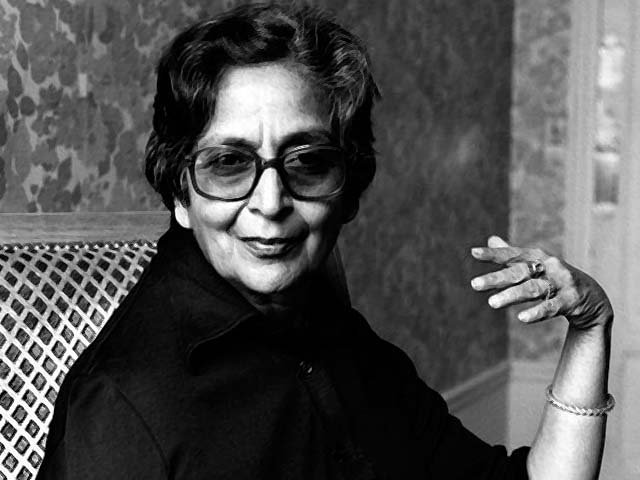
Amrita Pritam (1919-2005) was one the most distinguished Punjabi poets and fiction writers. She was born in Mandi Bahauddin, Punjab and was living in Lahore when in 1947 she, along with the millions others, was forced to migrate during the partition of the Punjab.
Her first collection of poems Amrit Lehrcm was published in 1936 when she was barely 17 years old. Starting as a romantic poet, she matured into a poetess of revolutionary ideas as a result of her involvement with the Progressive Movement in literature.
Ajj Aakhaan Waris Shah Nu (Today I Say unto Waris Shah) is a heartrending poem written during the riot-torn days that followed the partition of the country. (Apnaorg.com). The poem is addressed to Waris Shah, (1706 -1798), a Punjabi poet, best-known for his seminal work Heer Ranjha, based on the traditional folk tale of Heer and her lover Ranjha. Heer is considered one of the quintessential works of classical Punjabi literature.
Her body of work comprised over 100 books of poetry, fiction, biographies, essays, a collection of Punjabi folk songs and an autobiography that were all translated into several Indian and foreign languages
Ajj Aakhaan Waris Shah Nu (Today I Say unto Waris Shah – Ode to Waris Shah)
Translation from the original in Punjabi by Khushwant Singh. Amrita Pritam: Selected Poems. Ed Khushwant Singh. (Bharatiya Jnanpith Publication, 1992)
To Waris Shah I turn today!
Speak up from the graves midst which you lie!
In our book of love, turn the next leaf.
When one daughter of the Punjab did cry
You filled pages with songs of lamentation,
Today a hundred daughters cry
0 Waris to speak to you.
O friend of the sorrowing, rise and see your Punjab
Corpses are strewn on the pasture,
Blood runs in the Chenab.
Some hand hath mixed poison in our live rivers
The rivers in turn had irrigated the land.
From the rich land have sprouted venomous weeds
flow high the red has spread
How much the curse has bled!
The poisoned air blew into every wood
And turned the flute bamboo into snakes
They first stung the charmers who lost their antidotes
Then stung all that came their way
Their lips were bit, fangs everywhere.
The poison spread to all the lines
All of the Punjab turned blue.
Song was crushed in every throat;
Every spinning wheel’s thread was snapped;
Friends parted from one another;
The hum of spinning wheels fell silent.
All boats lost the moorings
And float rudderless on the stream
The swings on the peepuls’ branches
I lave crashed with the peepul tree.
Where the windpipe trilled songs of love
That flute has been lost
Ranjah and his brothers have lost their art.
Blood keeps falling upon the earth
Oozing out drop by drop from graves.
The queens of love
Weep in tombs.
It seems all people have become Qaidos,
Thieves of beauty and love
Where should I search out
Another Waris Shah.
Waris Shah
Open your grave;
Write a new page
In the book of love.
NOTES
Waris Shah (1706 -1798) was a Punjabi poet, best-known for his seminal work Heer Ranjha, based on the traditional folk tale of Heer and her lover Ranjha. Heer is considered one of the quintessential works of classical Punjabi literature.
Qaido – A maternal uncle of Heer in Heer Ranjha is the villain who betrays the lovers.
The Punjab – the region of the five rivers east of Indus: Jhelum, Chenab, Ravi, Beas, and Sutlej.
Thank you to all the followers and readers of BagichaBlog. I started this Blog in 2016 and I am so pleased that despite having a full-time job I have managed to keep this Blog going, with the humble aim of posting at least once a month. I hope you have enjoyed reading and viewing some of these posts and pictures. Please do leave a comment. Wishing for a more tolerant and peaceful 2022.
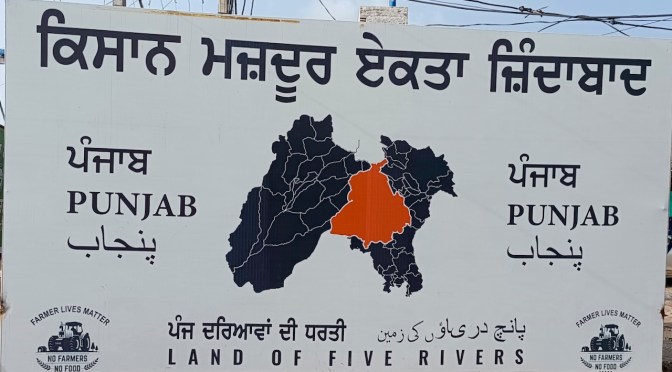
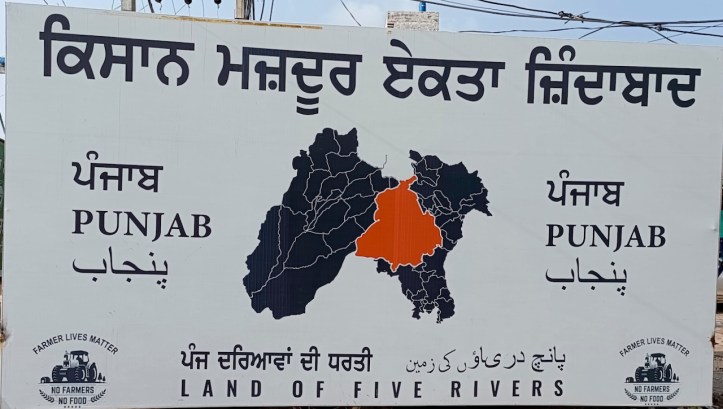
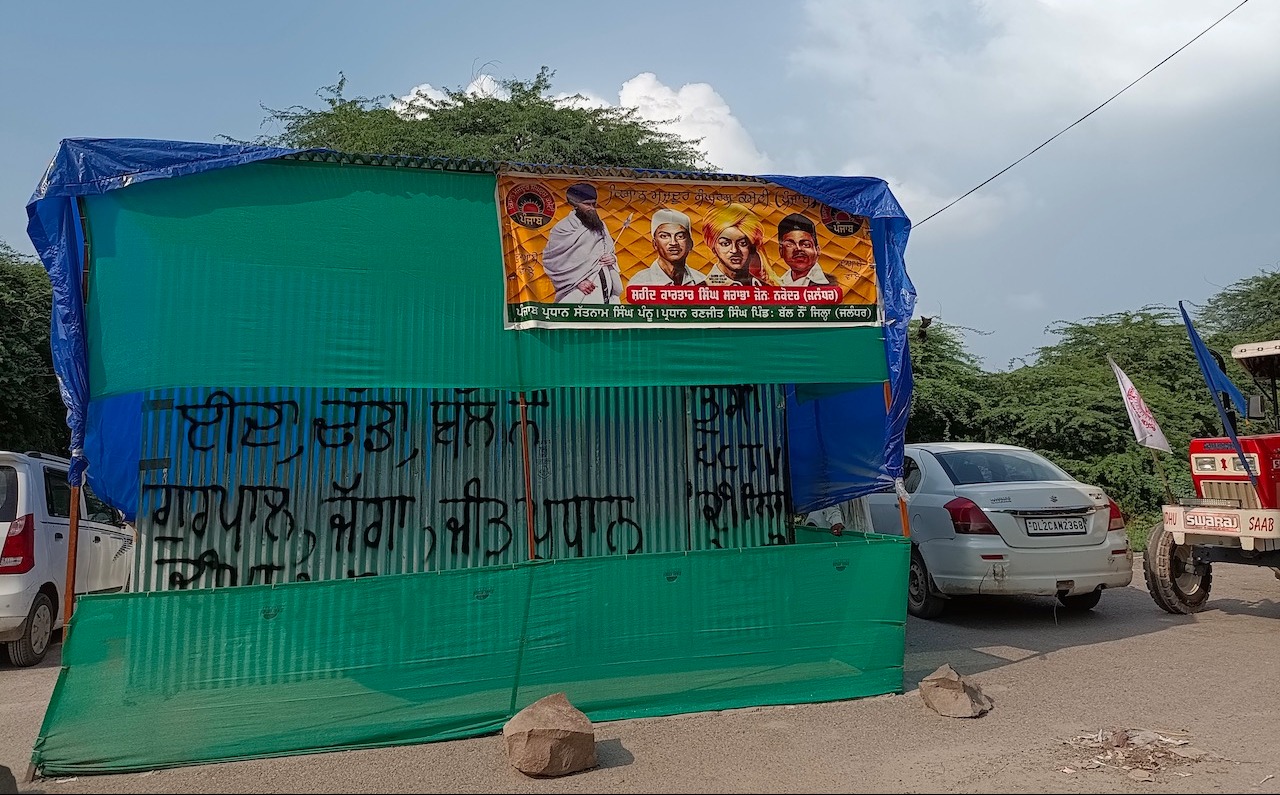
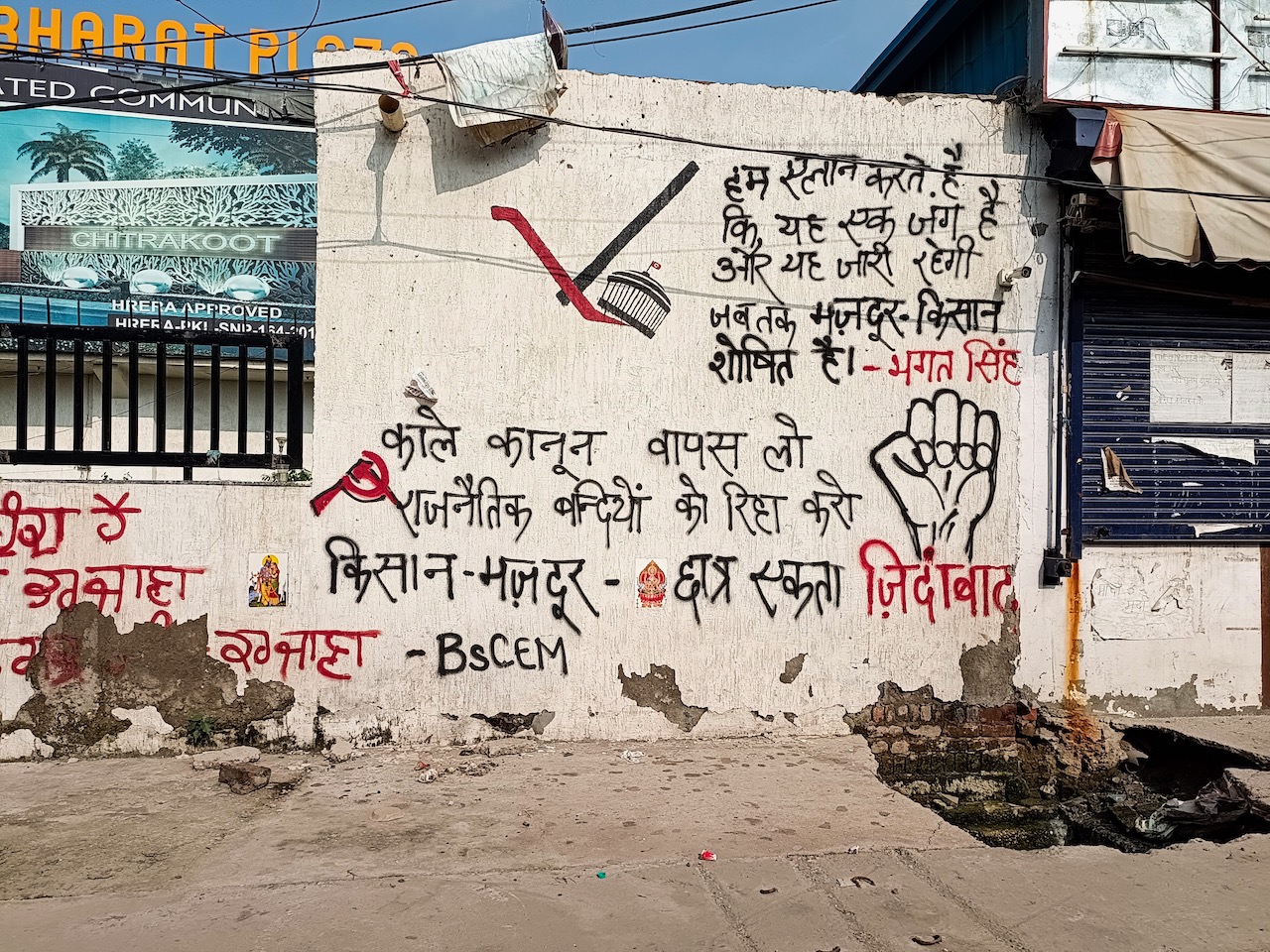
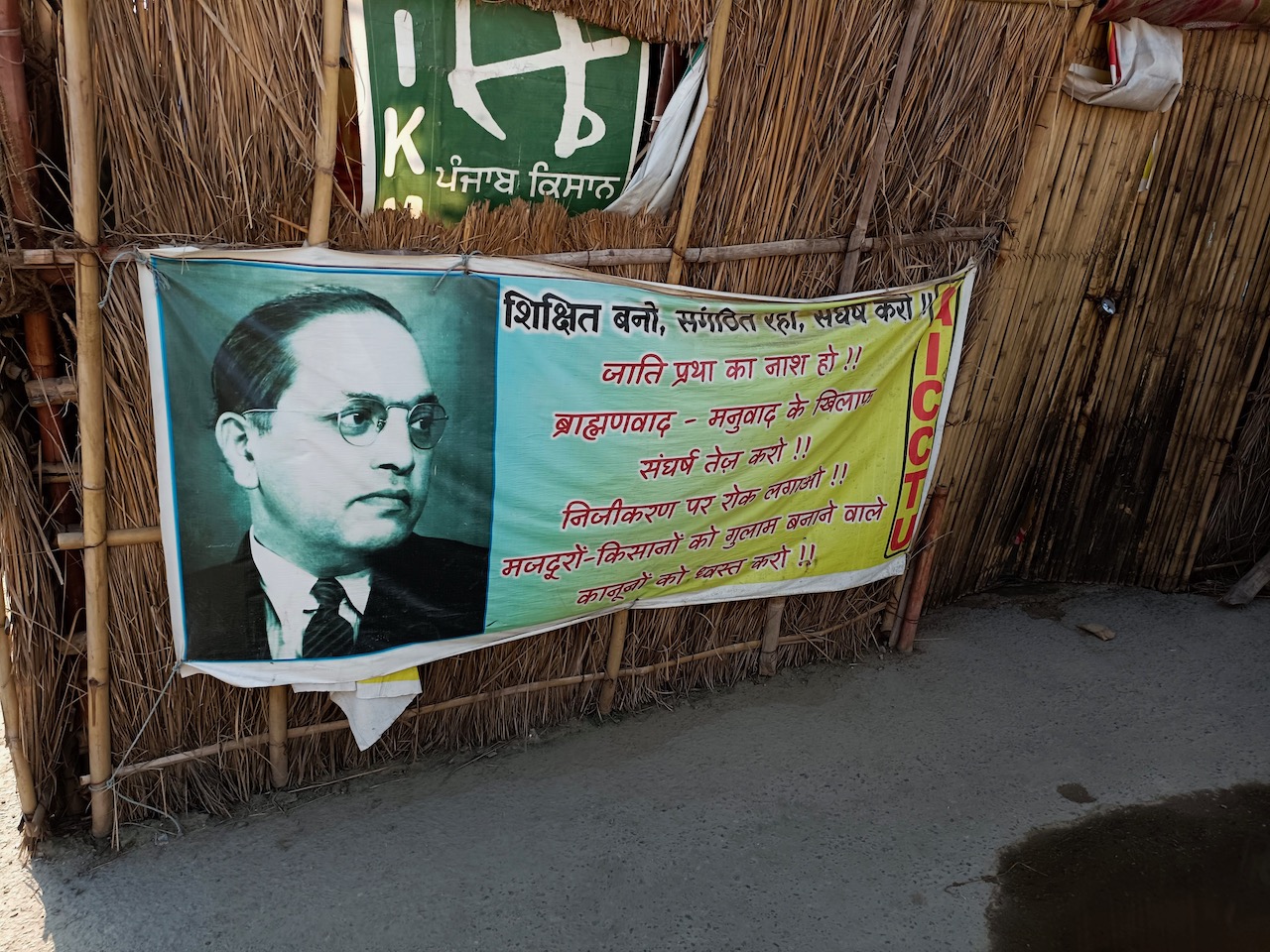
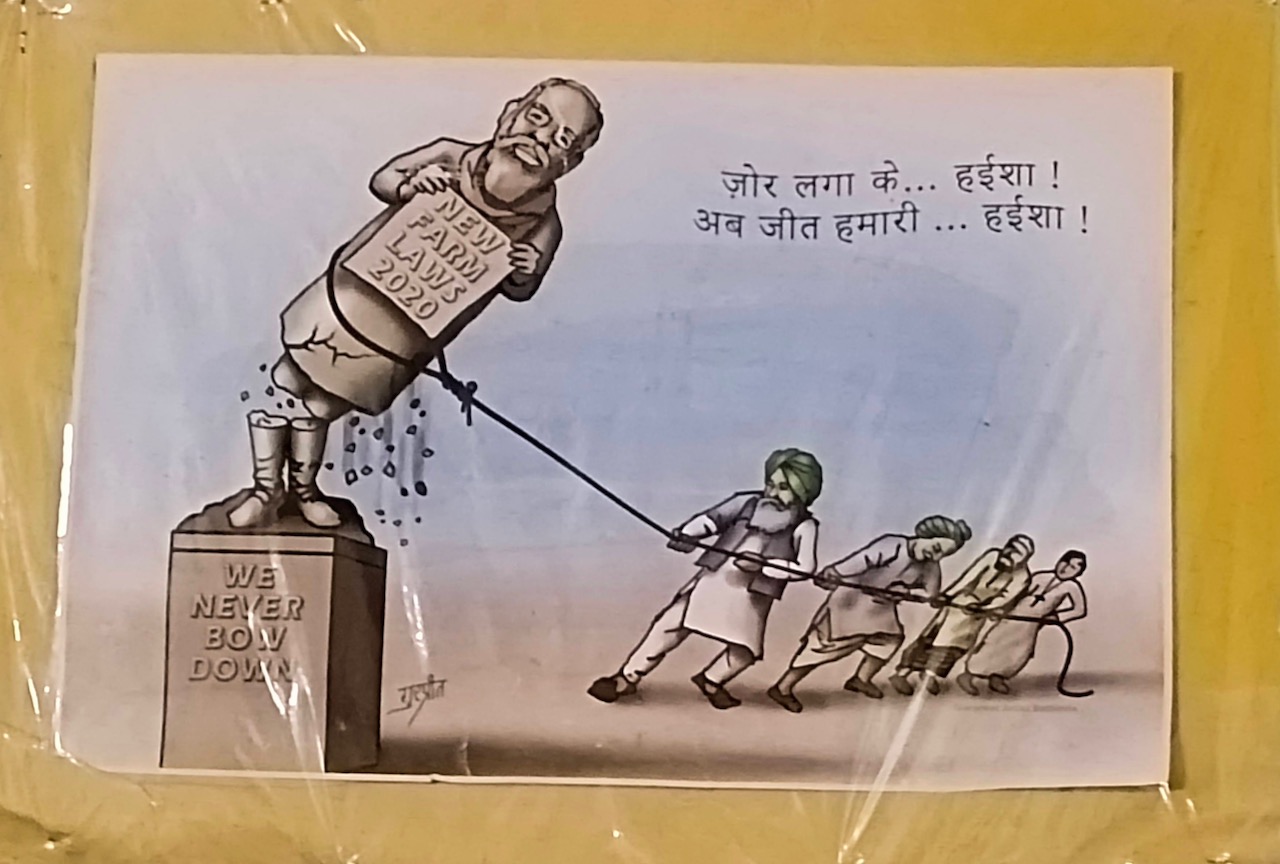
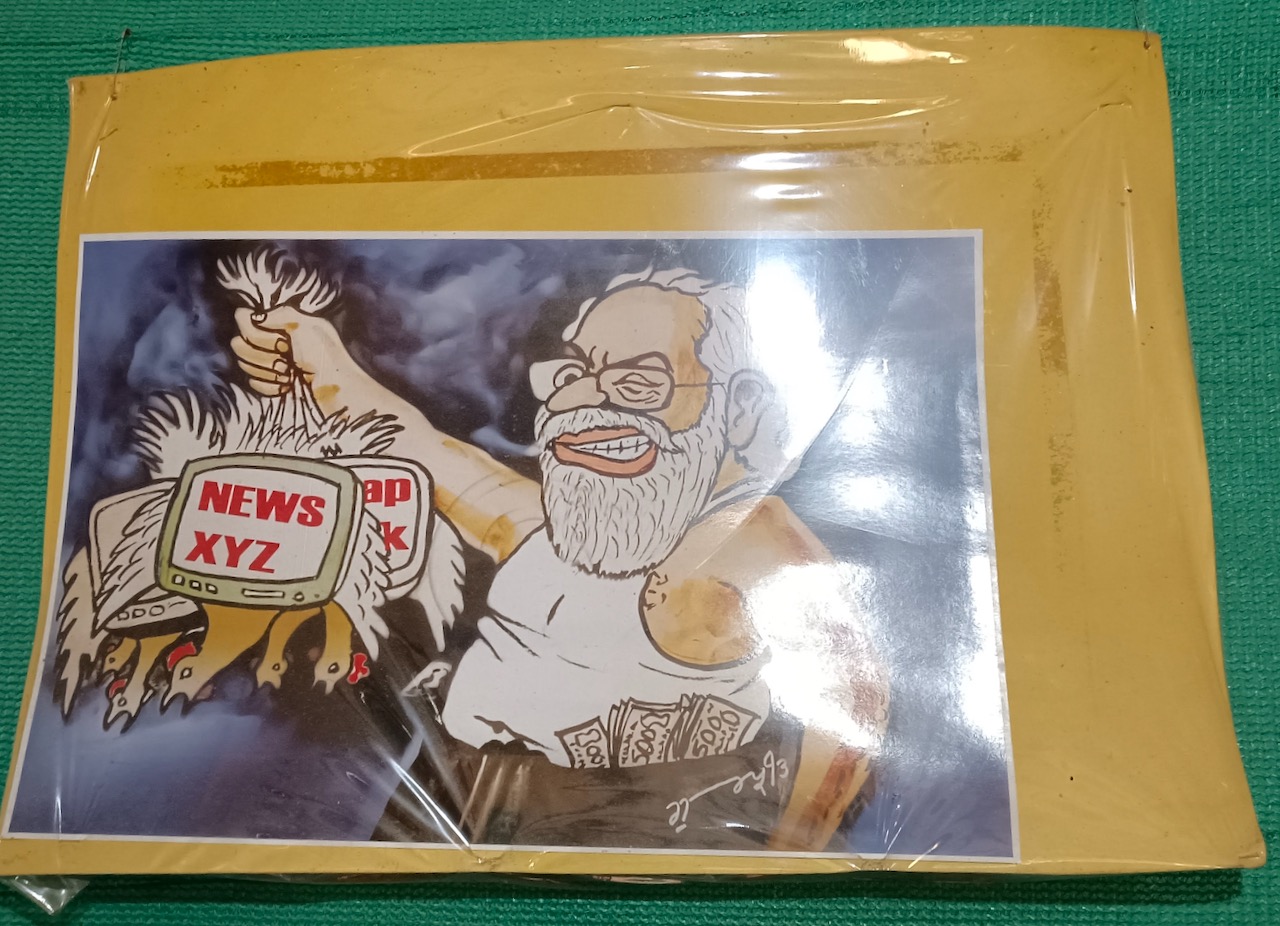
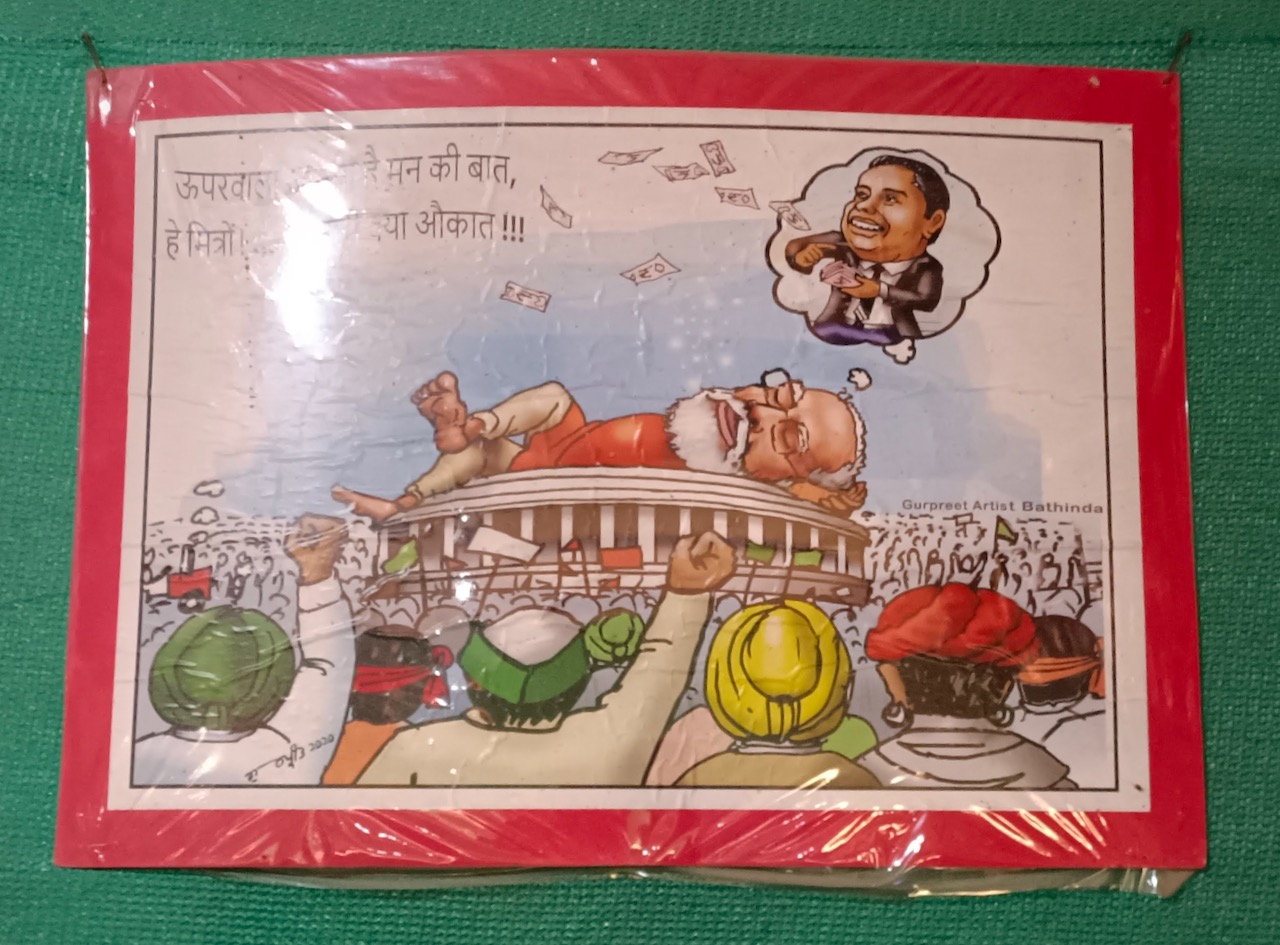
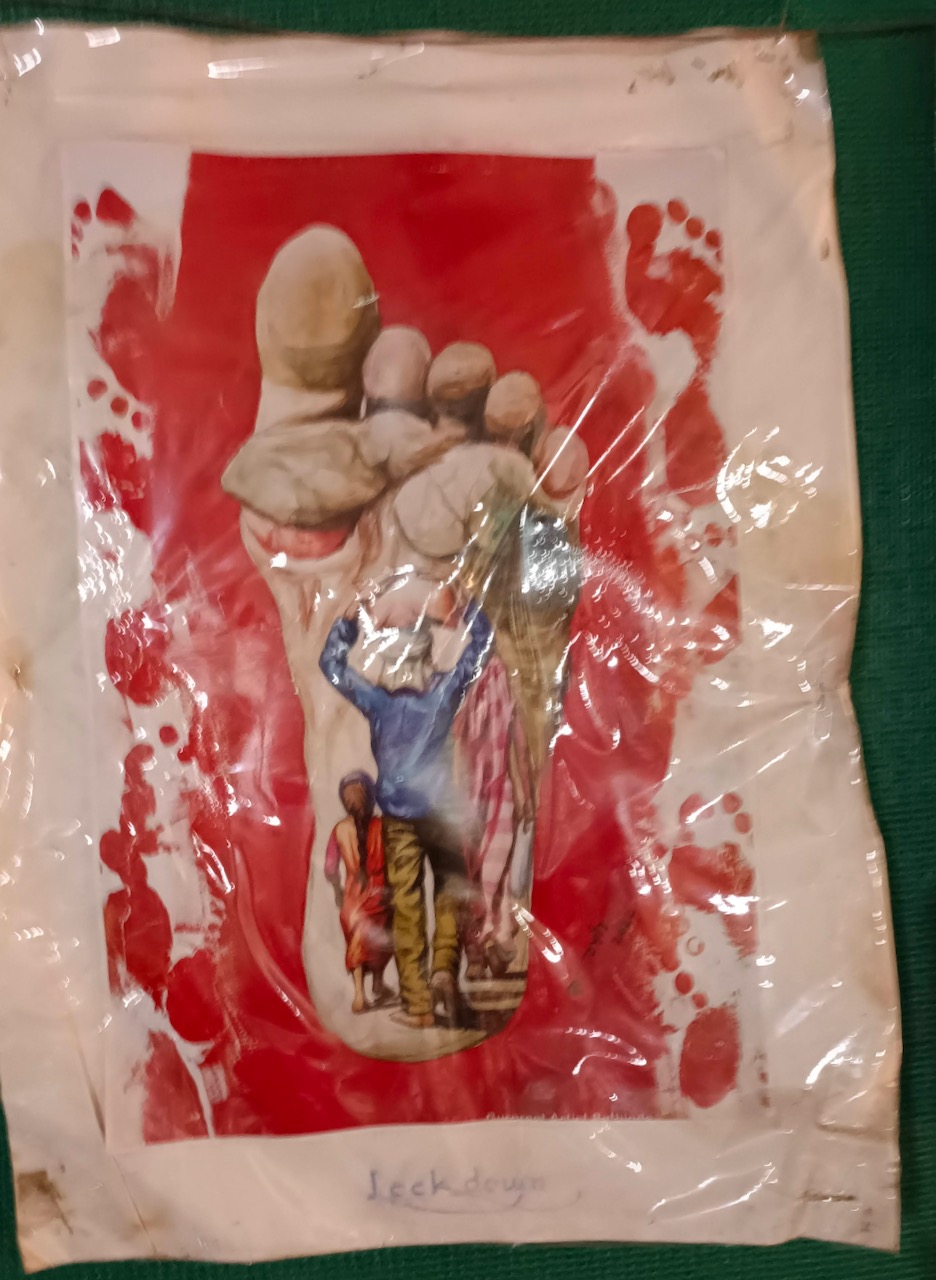
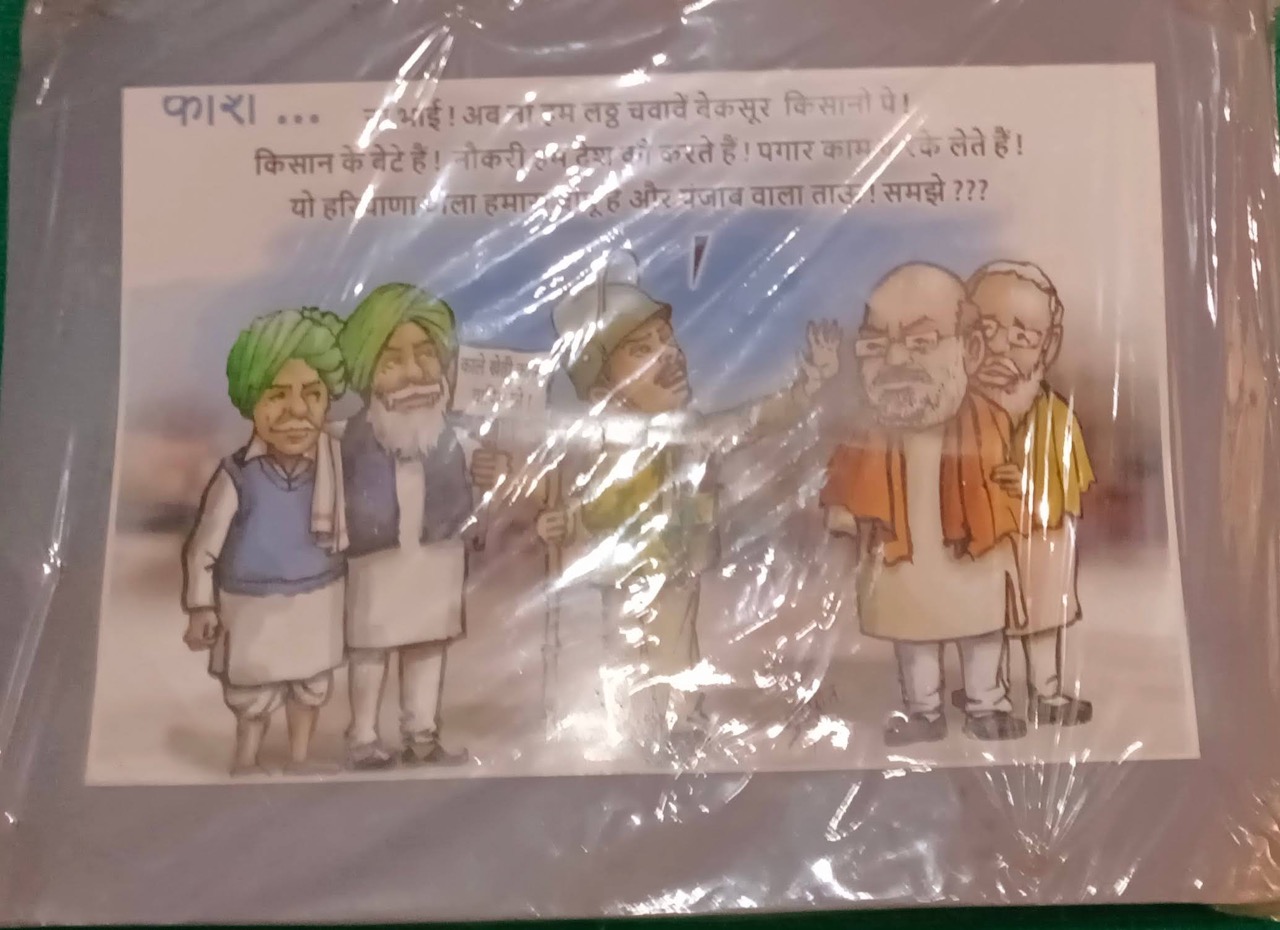
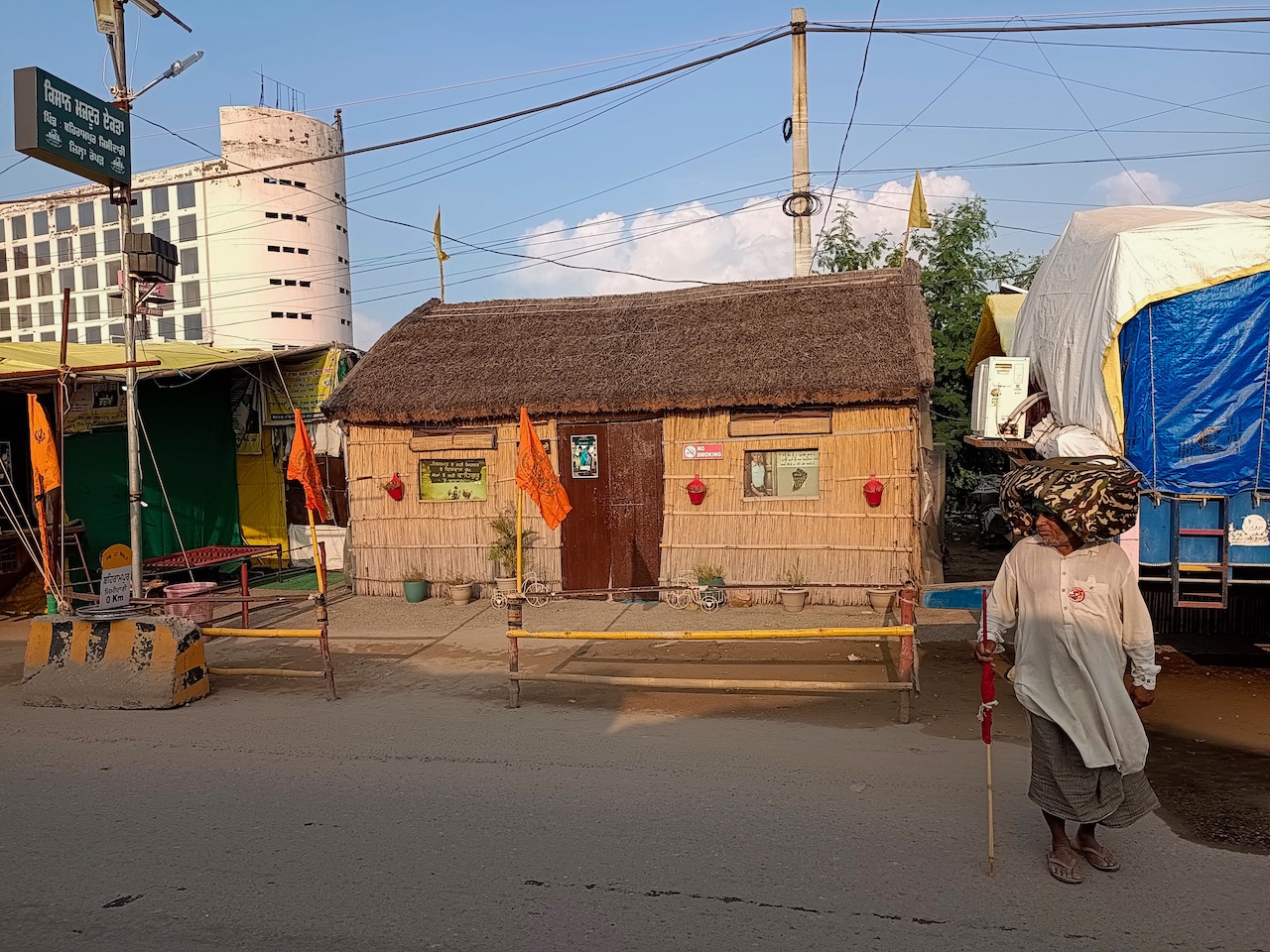
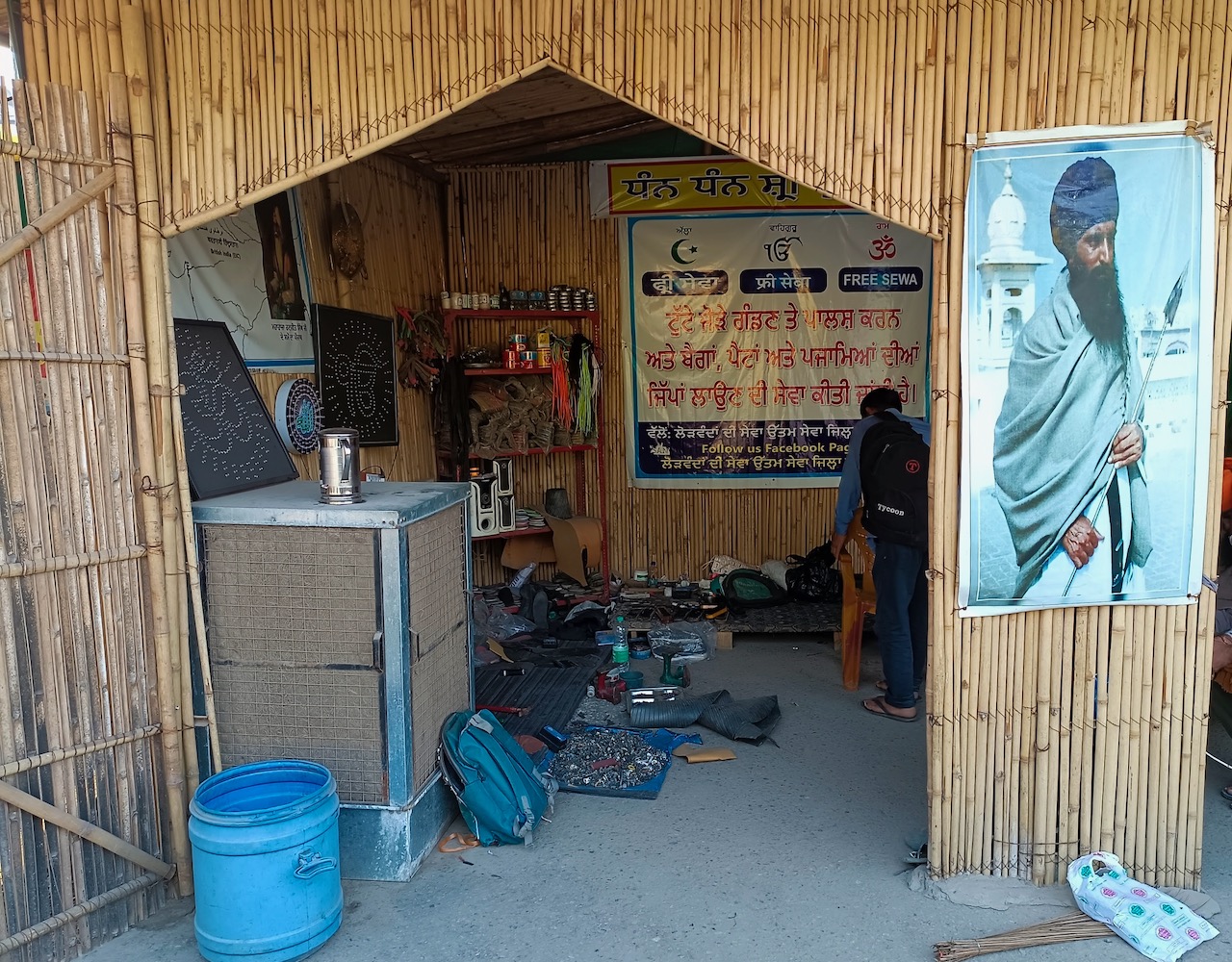
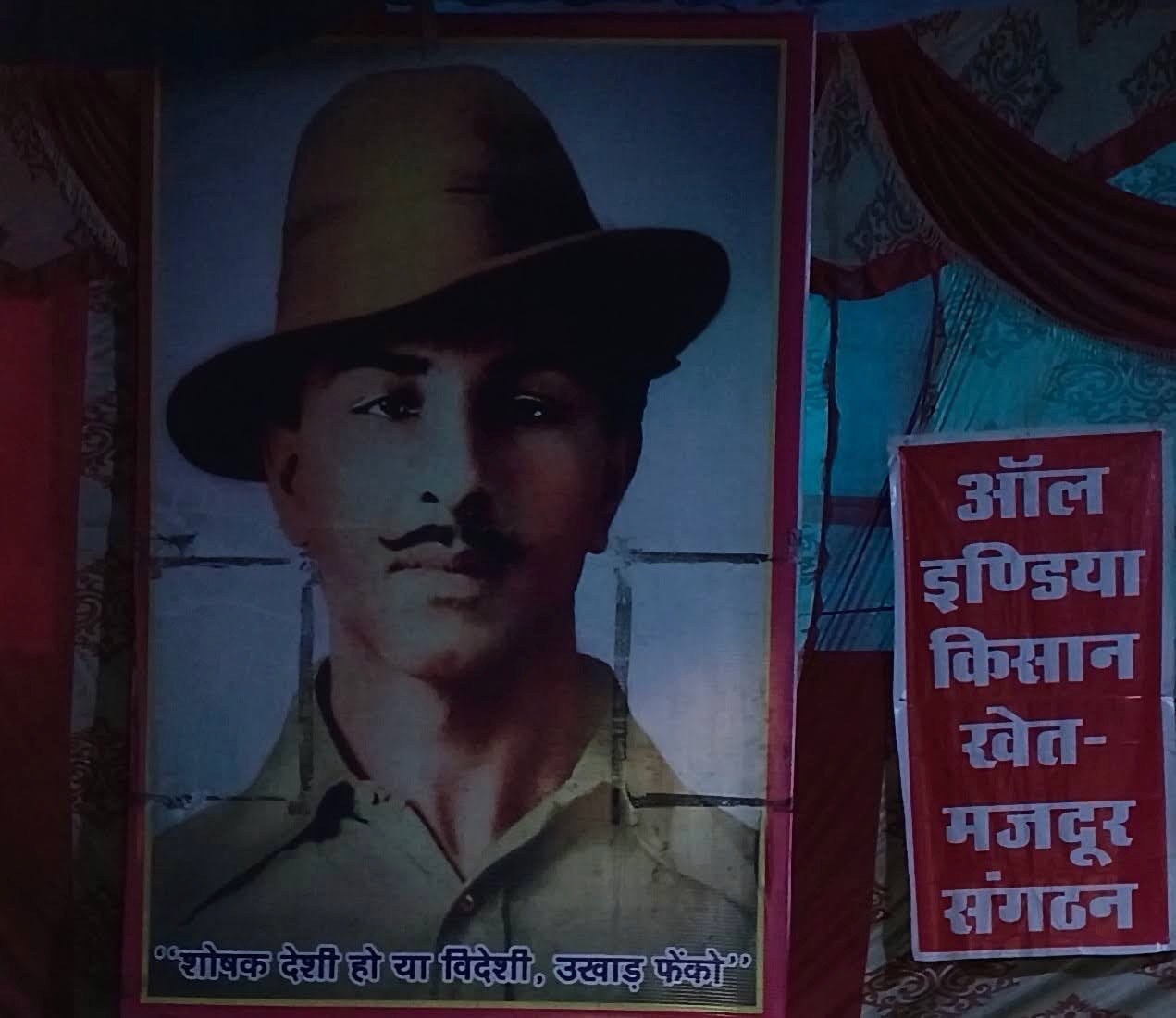
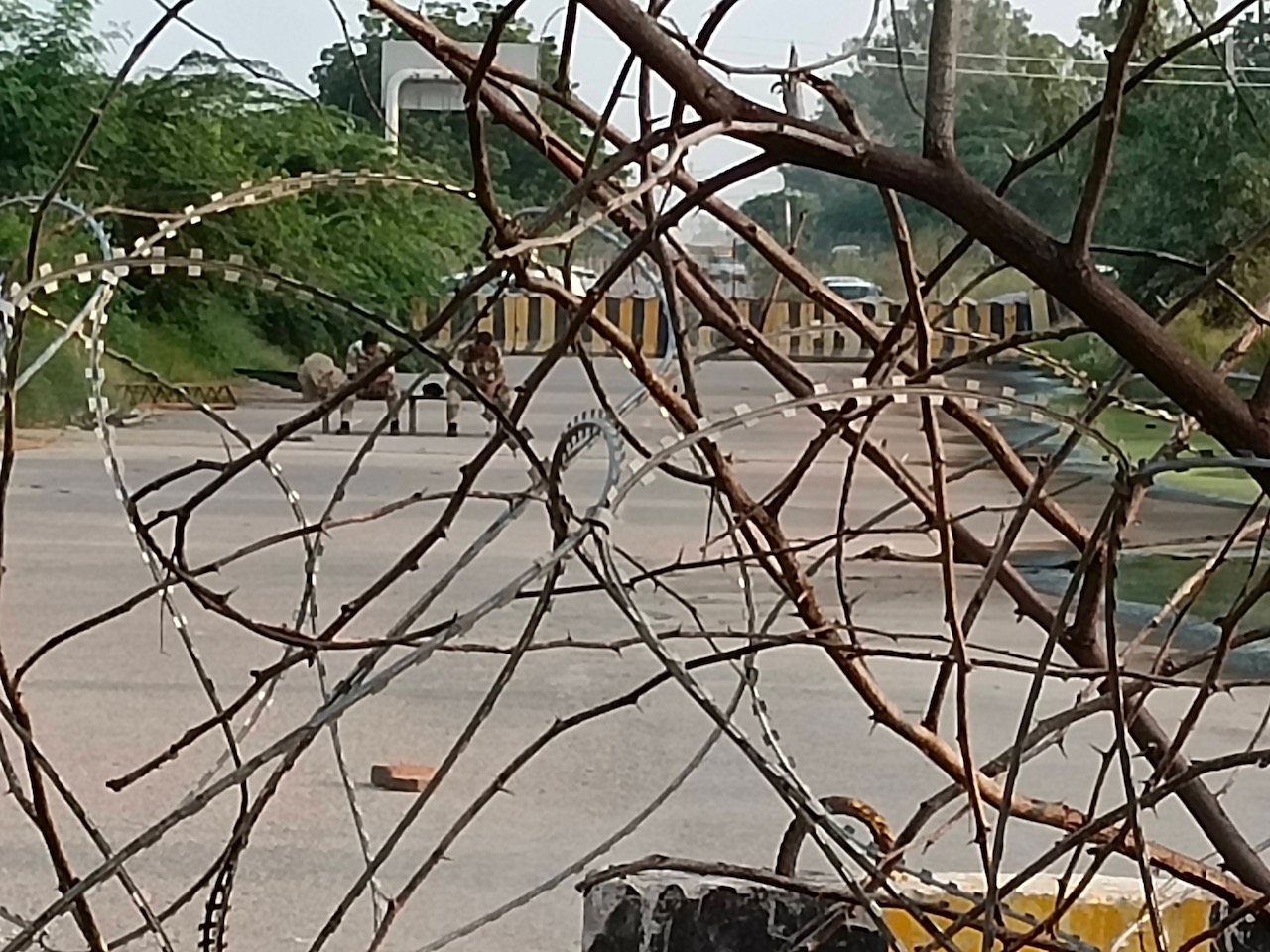
There has been a farmer’s protest going on for over a year now around India’s capital, New Delhi. Since September 2020, when 3 farm acts were passed by the parliament (stayed since by the judiciary), 3 sites – Tikri, Ghazipur and Singhu – have become synonymous with this often tense, sometimes violent standoff.
These pictures from an eyewitness at Singhu is a slice of the everyday space there, for the substance of which see the following:














 BAGICHA