Tag Archives: Lahore

Top posts in 2022

As I prepare to wind down for this year, here are 10 of the most popular posts of 2022.

  1. Ajj Aakhaan Waris Shah nu by Amrita Pritam
  2. How the photographs of Margaret Bourke-White became the images of partition
  3. 70 years ago extracts of the Sunderlal report Hyderabad, 1948
  4. The Status of Punjabi after 1947
  5. Sahir Ludhianvi and the anguish of Nehruvian India
  6. Two villages, two nations: Ganda Singh Wala-Hussainiwala
  7. Ludhiana’s Clock Tower (Ghanta Ghar)
  8. The ‘Jingle Trucks’ and the emergence of Truck Art
  9. 1881: the first full census in British India
  10. 23 Sir Ganga Ram mansion – the house of Amrita Sher-Gil

Mittra da Dhaba at the Wagah-Attari border

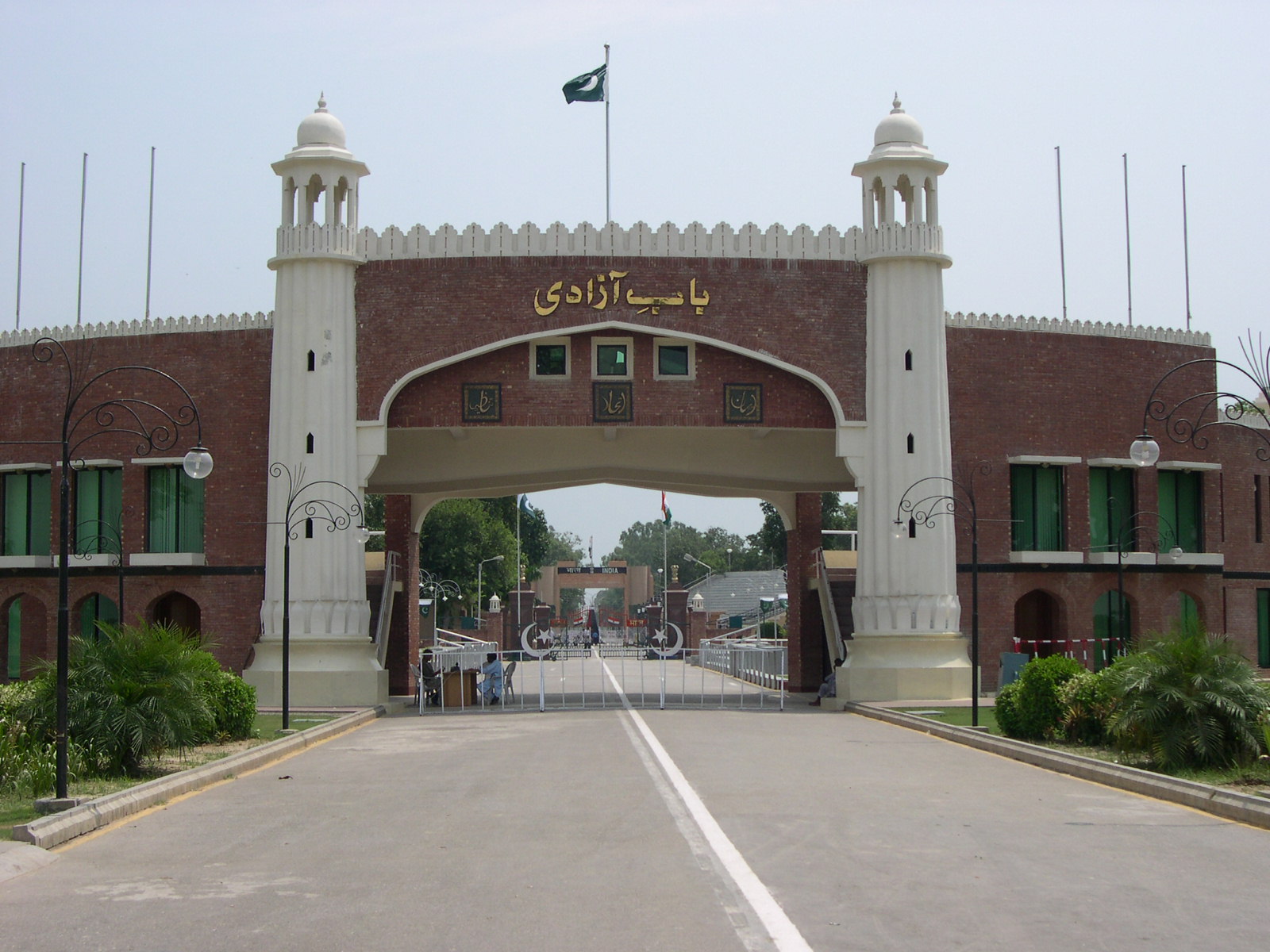
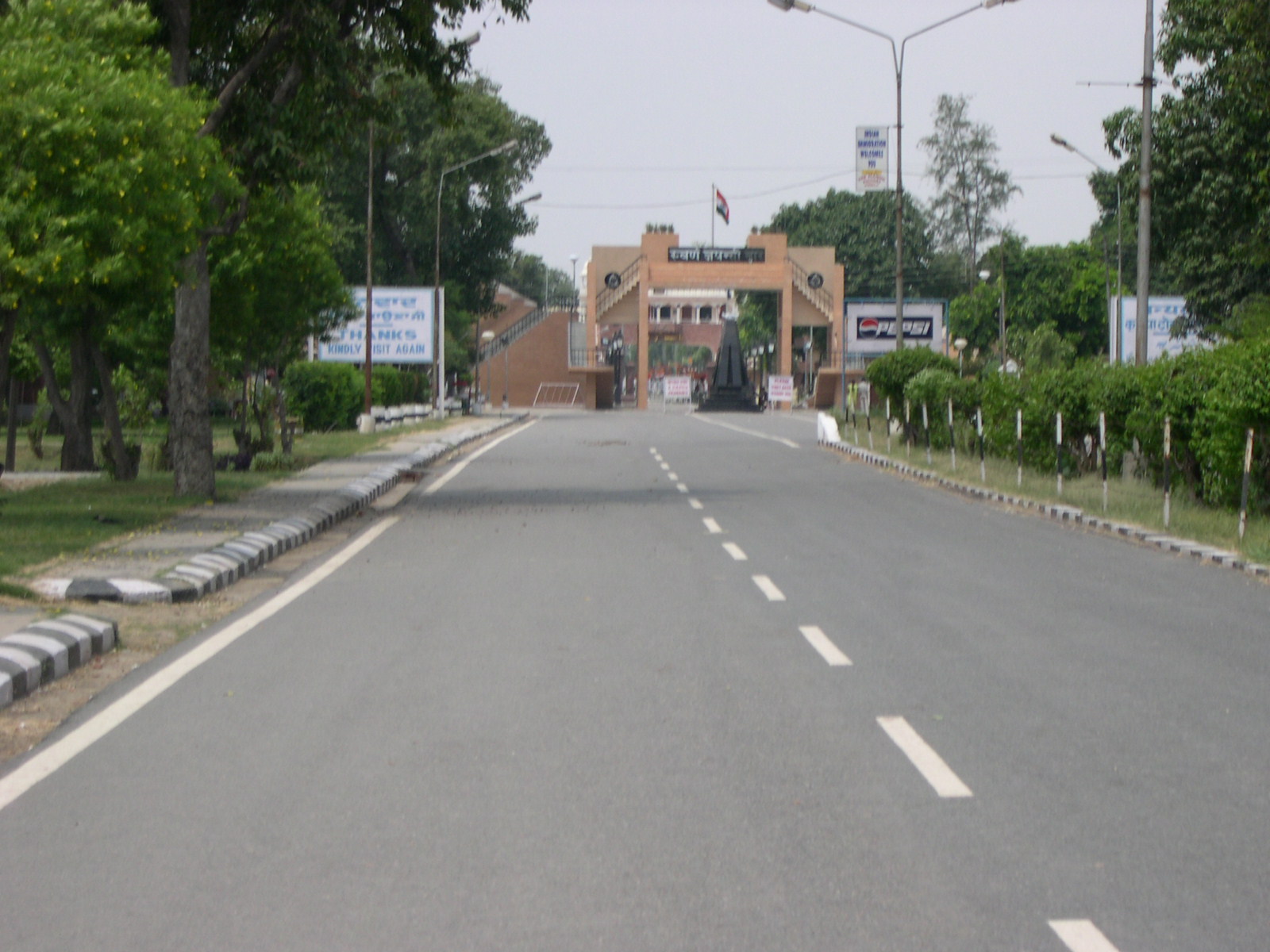
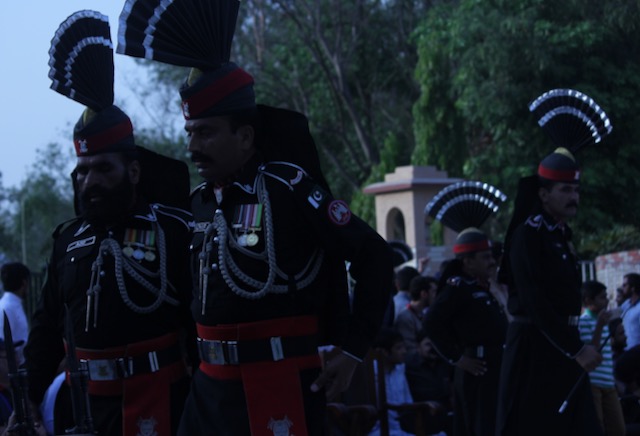
In 2001, I crossed the Wagah-Attari border for the first time. Since then, I have used this official land crossing between India and Pakistan numerous times, in the process seeing the border undergo multiple changes. It used to be the Grand Trunk Road split in half, with a few meters of “no man’s land” to separate them. I could literally walk from one side to the other, while remaining on the GT Road. Then, the authorities decided to uplift, gentrify, and replace the colonial bungalows. Gone was the quaint and informal space with scattered flower beds and plants and in came the flashy buildings, followed by the airport style security, customs, and immigration; culminating eventually in the hideous and expensive battle for who can hoist the largest flag and keep it flying high!

To be fair, the development of the check post at Wagah-Attari was probably a response to the expectation that relations between the two countries would improve, and with that the foot traffic would increase. The bungalows were not equipped to deal with high volumes of people. Hence, they first established the goods/transit depot on one side of the border, so as to divert the trucks carrying the items of import/export. This separated the trade traffic from the people traffic. Whilst the establishment of a goods depot offered signs of improved trade between the two countries, even this was subject to cordial relations.

With numerous crossings since then, I have seen the border change, not just physically but also its ambience and vibes that the place gives. Indeed, the new buildings and transit buses which take passengers from one side to other have functioned to create further distance between the lines of control. These were not there previously, and the cool formality evokes the illusion of being remote and separate. Borders do not have to be harsh and austere.

These moments and emotions are difficult to capture on camera, but they can be felt when encountering the staff and officials. When I first crossed the border, I had the compact Canon Sure Shot AF-7, which was a popular model in the 1990s and gifted to me. I enjoyed taking photographs, but cameras were not cheap then, and the 35mm film was expensive too, both to buy and to develop, so photos were taken sparingly. When I embarked on my doctoral research, taking my camera was essential for my trips to India and Pakistan, as it was an instrument to visually document my journey. I would normally pack 1-3 rolls of ISO 200 (sometimes also ISO 400) speed film, usually 36 EXP, good for general photographs. But one was never entirely sure until the film was taken back home, handed in for developing, which then produced the joy of physically going through the photographs a week later! Time had passed between undergoing the actual trip and now feeling those photographs in my hands, and the images allowed me to recreate and relive those moments again.

Today everything is instant. In a moment I can be taking a photograph at the border, and then share it with the wider public around the world via social media. The only caveat here is that, generally the phone signals are non-existent within 1-2 kilometres of the border area, so you would probably need to wait until you were able to pick up the phone signal. More importantly, this also disrupted any arrangements one had made to meet people on the other side. If I was crossing the border, I might contact my friends/family beforehand and say, I’m crossing at X time (keeping in mind the 30 minutes times difference between the two countries), so I estimate that I will be out at Y time (usually 60 minutes from one side to the other). But if things didn’t go to plan, there is no way of contacting the person to alert them of the delays. And when you did finally make it to the other side, there were always a small number of people anxiously waiting and looking to see when their friends/family will pass through those doors.

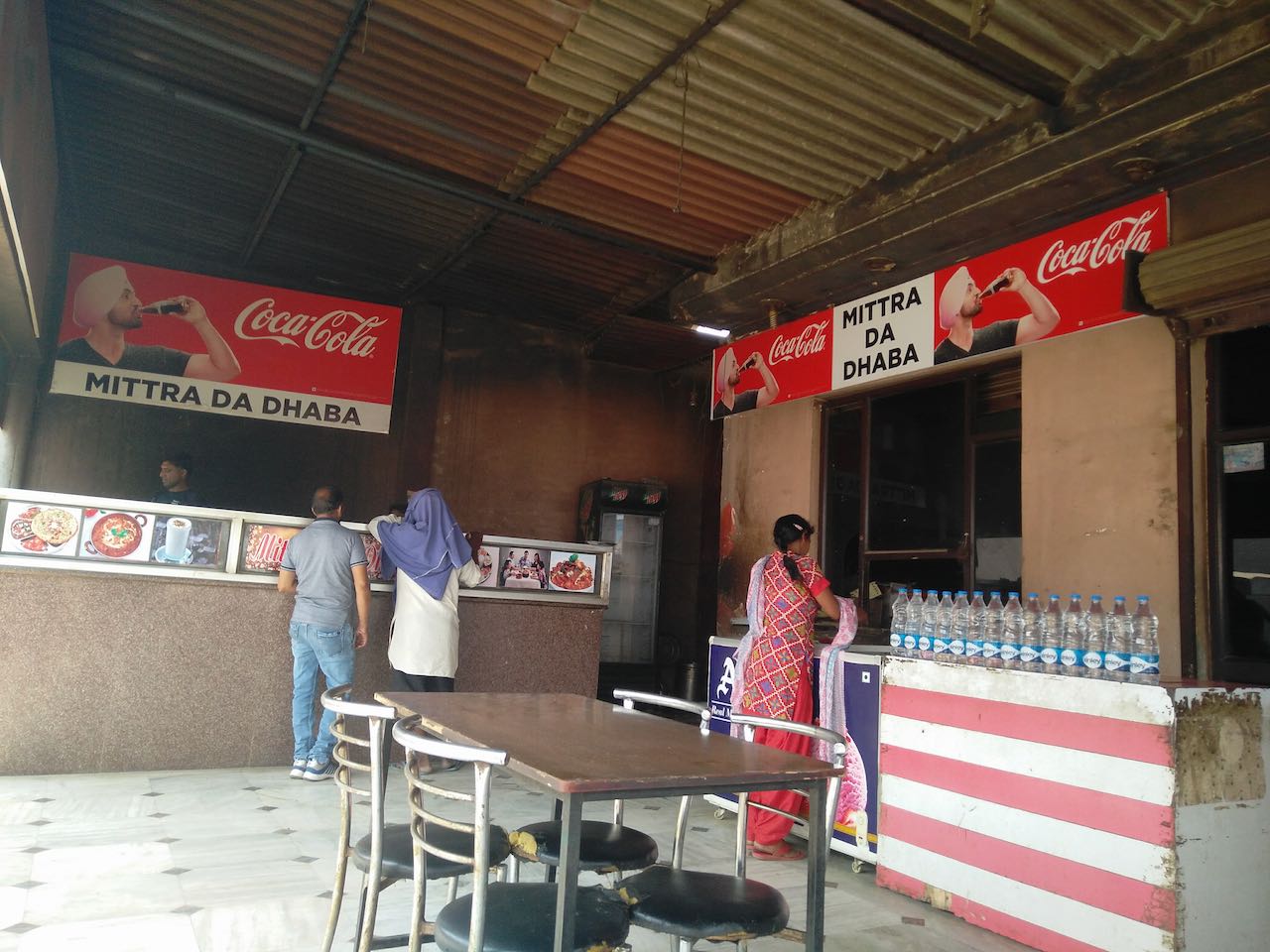
There are many other stories of this rather strange and intriguing no man’s land but to end with a more positive story, I share a picture of a dhaba at Attari, Mittra da dhaba (literal translation – friends’ roadside restaurant) is located close to the entrance to check post, catering to travellers and tourists who come for the daily lowering of the flag ceremony. I have gone there many times, but on one occasion in 2017, I asked the owner to pack some food for me, food which I planned to take across the border and share with my friends in Lahore. He took great care to make it extra special and pack the food tightly, so that it wouldn’t spill. I could see that it also brought him great joy to know that his food would travel to the other side. As we parted, he said come back and tell me if they enjoyed it! 

Alas, these stories are in the past tense, and with Covid the border faced further restrictions and closures. I have no idea if my friend is still there, I hope so. We need more friends in these otherwise hostile spaces.
Ajj Aakhaan Waris Shah Nu By Amrita Pritam

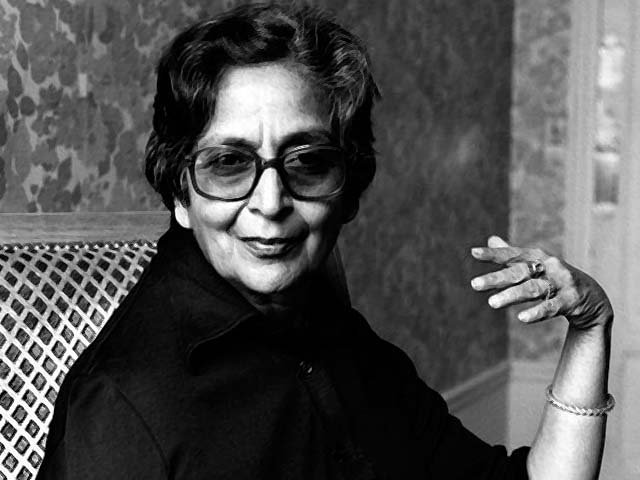
Amrita Pritam (1919-2005) was one the most distinguished Punjabi poets and fiction writers. She was born in Mandi Bahauddin, Punjab and was living in Lahore when in 1947 she, along with the millions others, was forced to migrate during the partition of the Punjab.

Her first collection of poems Amrit Lehrcm was published in 1936 when she was barely 17 years old. Starting as a romantic poet, she matured into a poetess of revolutionary ideas as a result of her involvement with the Progressive Movement in literature.

Ajj Aakhaan Waris Shah Nu (Today I Say unto Waris Shah) is a heartrending poem written during the riot-torn days that followed the partition of the country. (Apnaorg.com). The poem is addressed to Waris Shah, (1706 -1798), a Punjabi poet, best-known for his seminal work Heer Ranjha, based on the traditional folk tale of Heer and her lover Ranjha. Heer is considered one of the quintessential works of classical Punjabi literature.

Her body of work comprised over 100 books of poetry, fiction, biographies, essays, a collection of Punjabi folk songs and an autobiography that were all translated into several Indian and foreign languages

Ajj Aakhaan Waris Shah Nu (Today I Say unto Waris Shah – Ode to Waris Shah)

Translation from the original in Punjabi by Khushwant Singh. Amrita Pritam: Selected Poems. Ed Khushwant Singh. (Bharatiya Jnanpith Publication, 1992)

 To Waris Shah I turn today!

Speak up from the graves midst which you lie!

In our book of love, turn the next leaf.

When one daughter of the Punjab did cry

You filled pages with songs of lamentation,

Today a hundred daughters cry

0 Waris to speak to you.

O friend of the sorrowing, rise and see your Punjab

Corpses are strewn on the pasture,

Blood runs in the Chenab.

Some hand hath mixed poison in our live rivers

The rivers in turn had irrigated the land.

From the rich land have sprouted venomous weeds

flow high the red has spread

How much the curse has bled!

The poisoned air blew into every wood

And turned the flute bamboo into snakes

They first stung the charmers who lost their antidotes

Then stung all that came their way

Their lips were bit, fangs everywhere.

The poison spread to all the lines

All of the Punjab turned blue.

Song was crushed in every throat;

Every spinning wheel’s thread was snapped;

Friends parted from one another;

The hum of spinning wheels fell silent.

All boats lost the moorings

And float rudderless on the stream

The swings on the peepuls’ branches

I lave crashed with the peepul tree.

Where the windpipe trilled songs of love

That flute has been lost

Ranjah and his brothers have lost their art.

Blood keeps falling upon the earth

Oozing out drop by drop from graves.
The queens of love

Weep in tombs.

It seems all people have become Qaidos,

Thieves of beauty and love

Where should I search out

Another Waris Shah.
Waris Shah

Open your grave;

Write a new page

In the book of love.

NOTES

Waris Shah (1706 -1798) was a Punjabi poet, best-known for his seminal work Heer Ranjha, based on the traditional folk tale of Heer and her lover Ranjha. Heer is considered one of the quintessential works of classical Punjabi literature.

Qaido – A maternal uncle of Heer in Heer Ranjha is the villain who betrays the lovers.
The Punjab – the region of the five rivers east of Indus: Jhelum, Chenab, Ravi, Beas, and Sutlej.
When Amrita Pritam called out to Waris Shah in a heartrending ode while fleeing the Partition riots by Nirupama Dutt

I say unto Waris Shah by Amrita Pritam – Poem Analysis

Pritam, Amrita, and Rama Jha. “An Interview with Amrita Pritam.” Indian Literature 25, no. 5 (1982): 183-195.

Butalia, Urvashi. “Looking back on partition.” Contemporary South Asia 26, no. 3 (2018): 263-269.

The first fossil museum in Pakistan

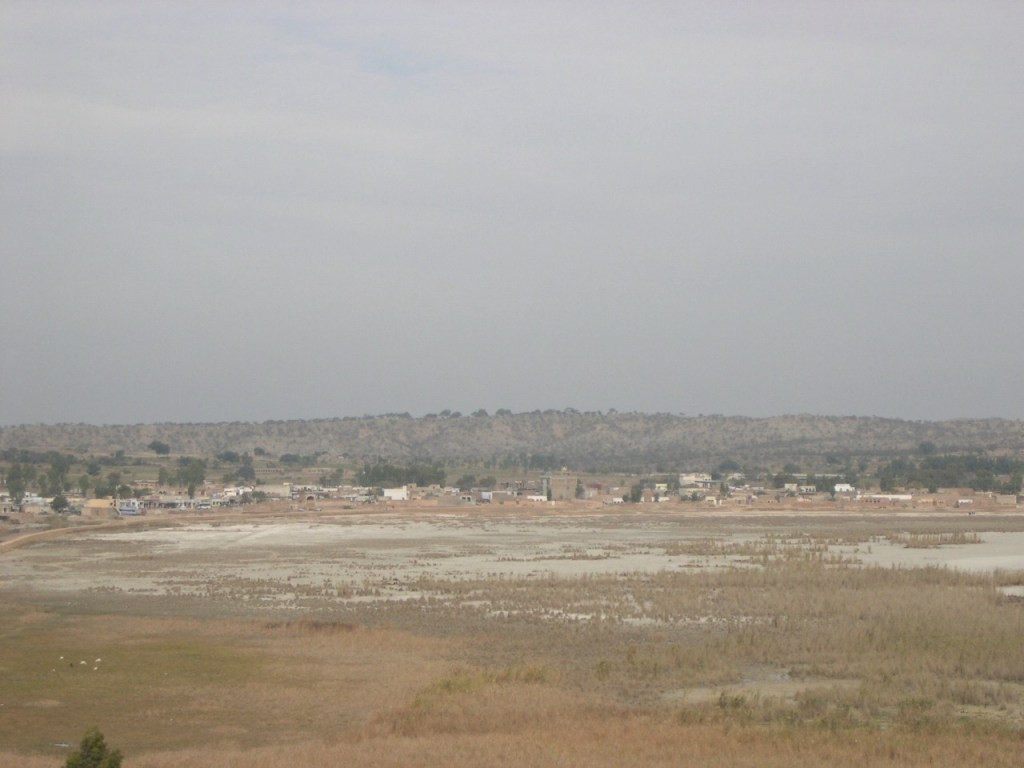
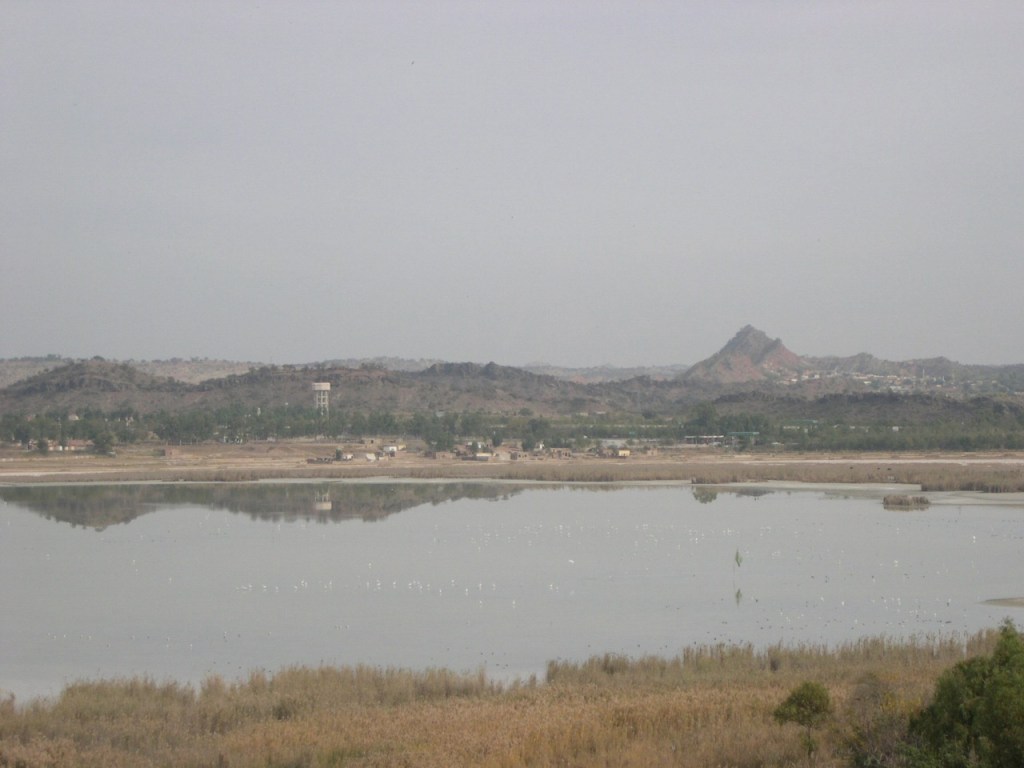
In December 2004, I was traveling from Islamabad to Lahore on the M-2 motorway, which is the first motorway to be created in South Asia and which was inaugurated in 1997. It is also one of the most expensive to be constructed under the Korean company, Daewoo. The journey of 184 km takes one via the magnificent Salt Range and Kallar Kahar, a subdivision of Chakwal District (Punjab) and conveniently located close to the M-2.

Kallar Kahar is also a popular tourist destination with captivating lakes and the Katas Raj Temple complex, dedicated to Lord Shiva, dating back to 615-950 CE. The founder of the Great Mughal dynasty, Zahir ud-Din Muhammad Babur (1483-1530), stopped here with his army, while en route to north India in 1519. During this stay, a throne was built by cutting a piece of limestone formation to create a raised platform, from where he addressed his army. This throne, known as Takht-e-Babri, was located within the Bagh-i-Safa, the first of many Mughal gardens to be created. Salman Rashid in his book, The Salt Range and the Potohar Plateau (Sang-e-Meel, 2001), mentions how Babar, described the area of Kallar Kahar Lake as a “charming place with good air”.

Read further: “Kallar Kahar: blessed by nature, neglected by rulers” by Nabeel Anwar Dhakku, Dawn, 28 February, 2016. 

“Takht-e-Babri, the first Mughal construction in the subcontinent, is grand only in name” by Haroon Khalid, Dawn, 5 June, 2017.


© 2004 Pippa Virdee 

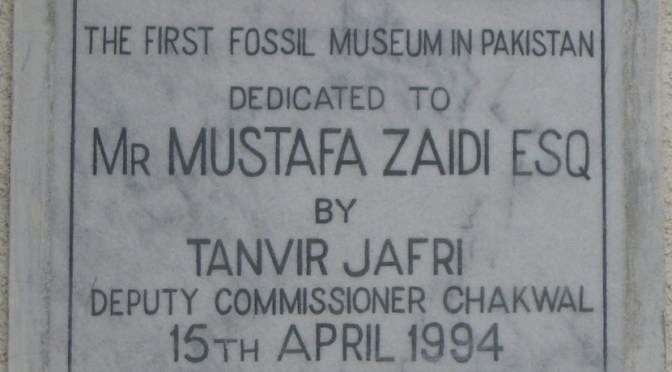
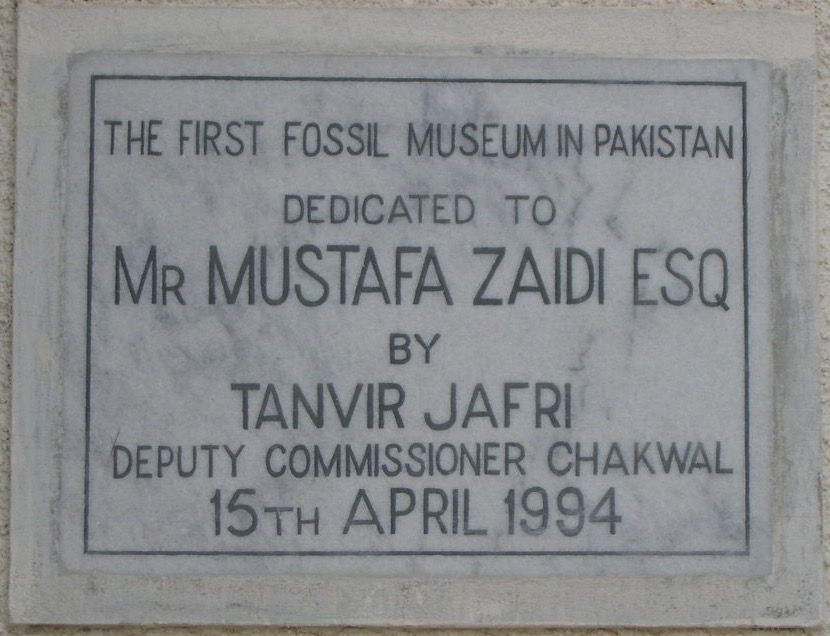
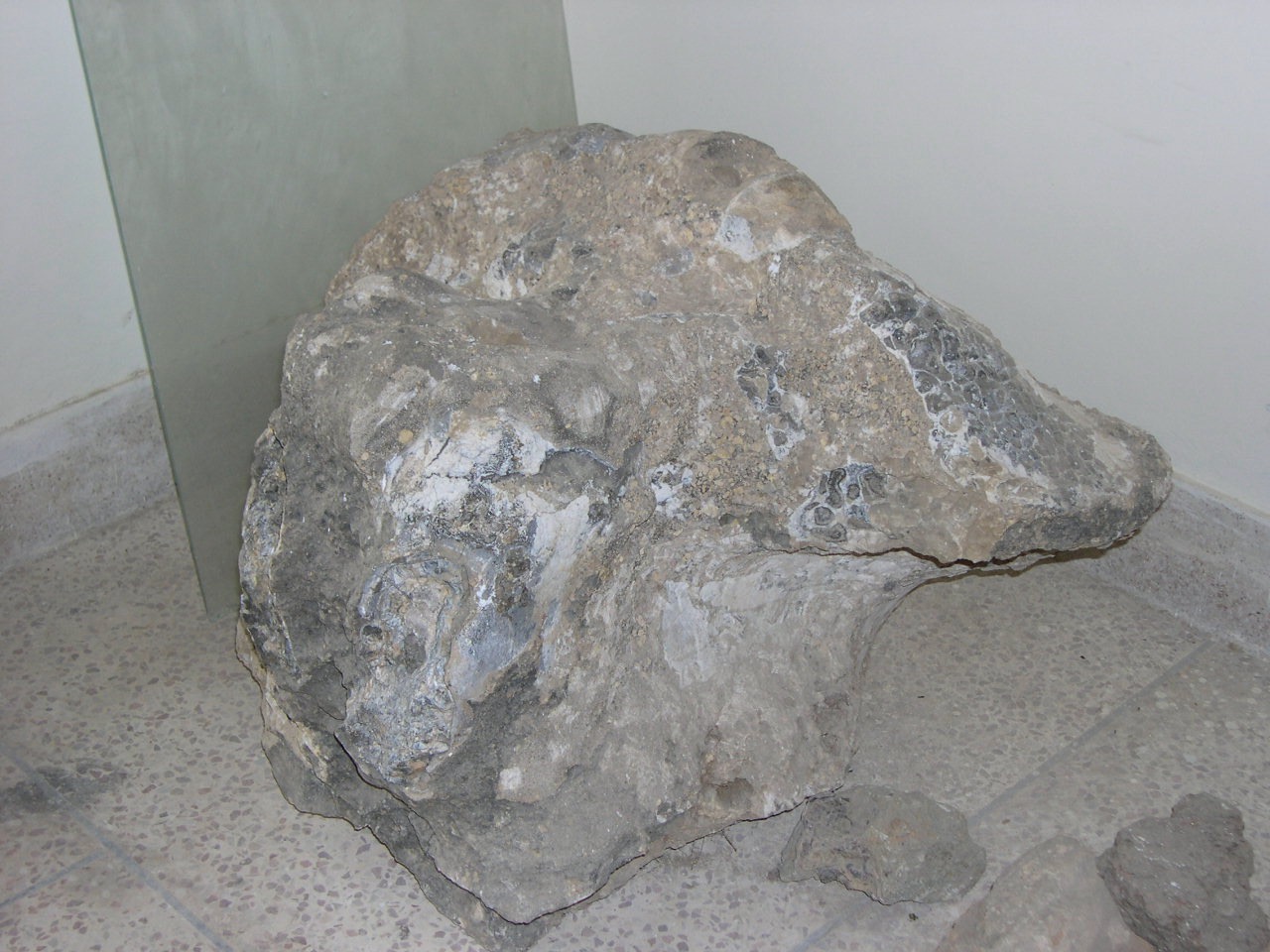
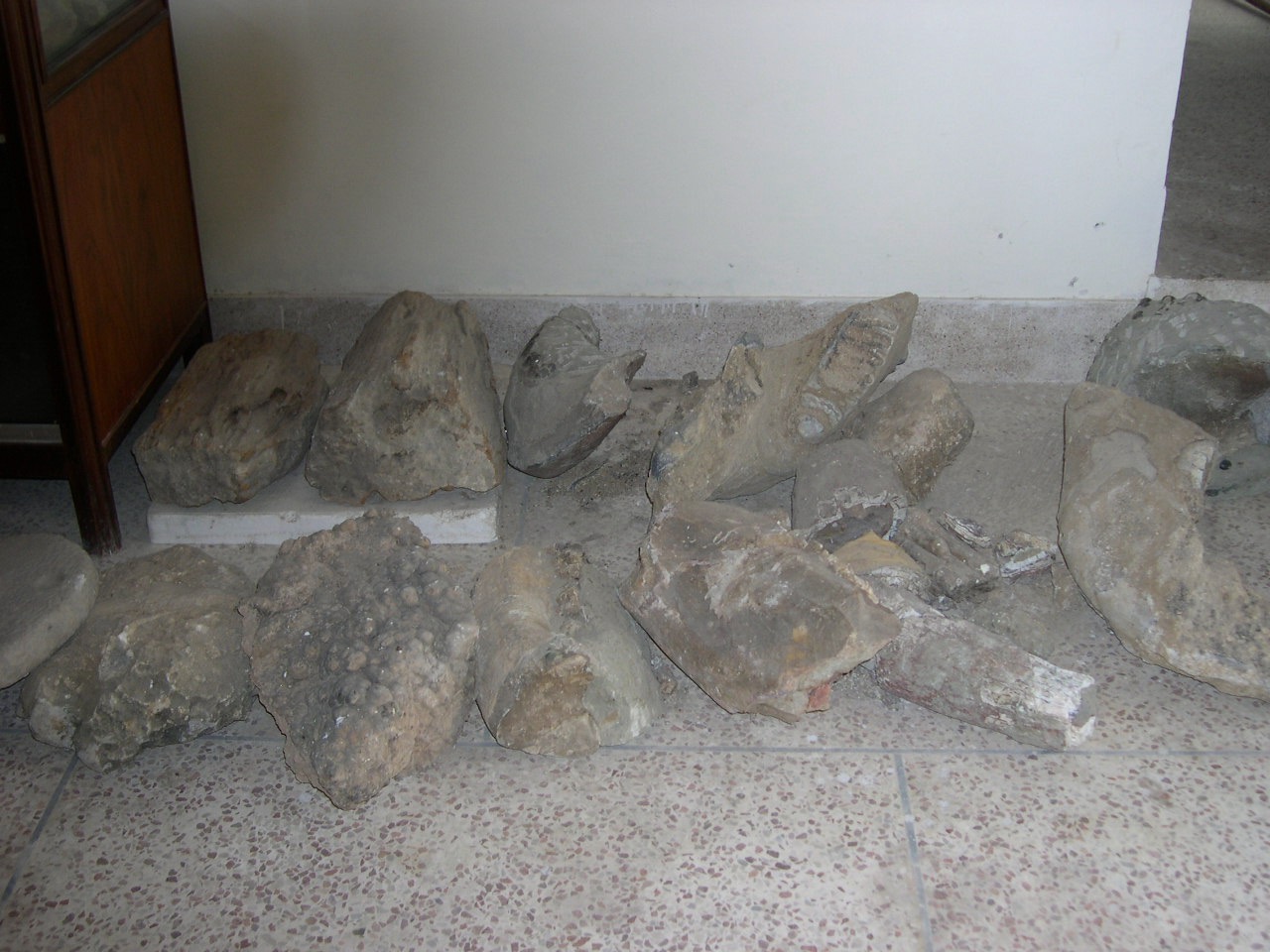
Back in 2004, I also stumbled upon the first fossil museum in Pakistan! Actually, it was less a museum and more a room with a variety of fossils scattered randomly on the floor. Neglected and dusty, they appeared to be of little significance. I recently came across this old photograph, which I had forgotten about.

I was so intrigued by the plaque with this inscription of the first fossil museum that I started doing a little digging about it, with little to show. A search for Mustafa Zaidi throws up a famous poet/civil servant (born 16 October 1930 in Allahabad and died 12 October 1970), while Tanvir Jafri, the then-DC of Chakwal, might still be around with recollections of this fossil museum.

I think the fossil museum is perhaps part of the Kallar Kahar Museum now, which is located opposite the Lake. It was finally inaugurated earlier this year in April, after seven years of its completion. At the time, I remember the caretaker saying that they there was something bigger in the pipeline, to create a better museum space. In South Asia, these matters take time (years), unless there is political mileage in the project. Though I should not have been so dismissive of the fossils, because this region is rich in history and has dinosaur fossils dating back 15 million years. But heritage remains a low priority for the country, whether prehistoric, ancient or modern, and is a simultaneously contested and marginalised space.  

“Kallar Kahar Museum’s doors remain firmly shut” by Nabeel Anwar Dhakku, Dawn, 20 January 2016. https://www.dawn.com/news/1234117

UKAFF 2021 Review: Zindagi Tamasha — Filme Shilmy

Filme Shilmy reviews the controversial Pakistani film Zindagi Tamasha by Sarmad Khoosat – premiering at the UK Asian Film Festival.

UKAFF 2021 Review: Zindagi Tamasha — Filme Shilmy

Do read the review above and also try to watch the film if it is showing anywhere nearby. It was premiered at the Belgrade Theatre yesterday and an absolute treat to watch. It transports you into Lahore and a parallel world of state and society, and much, much more.

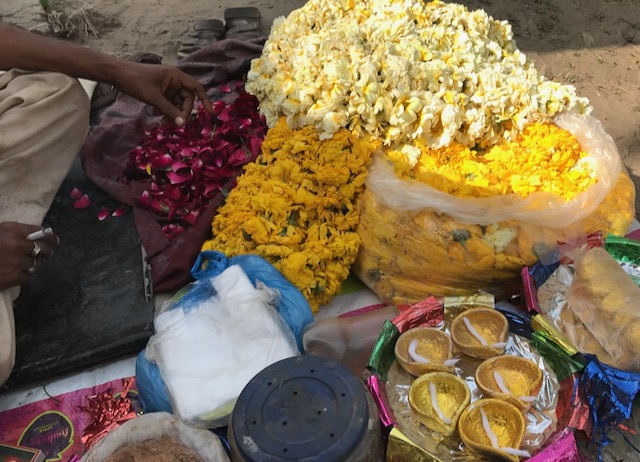
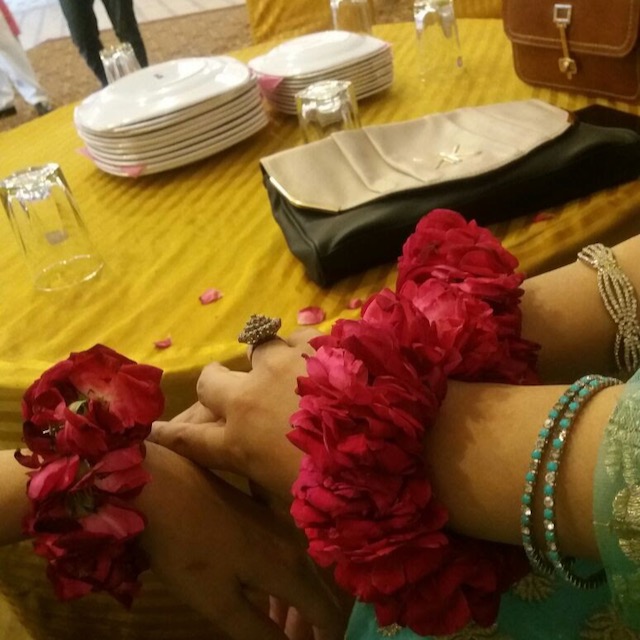
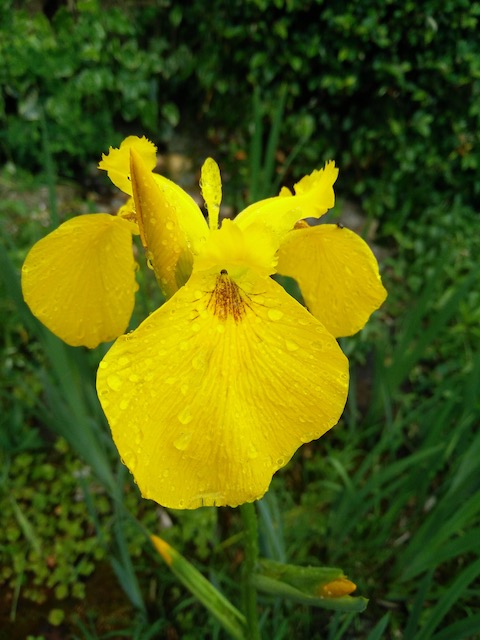
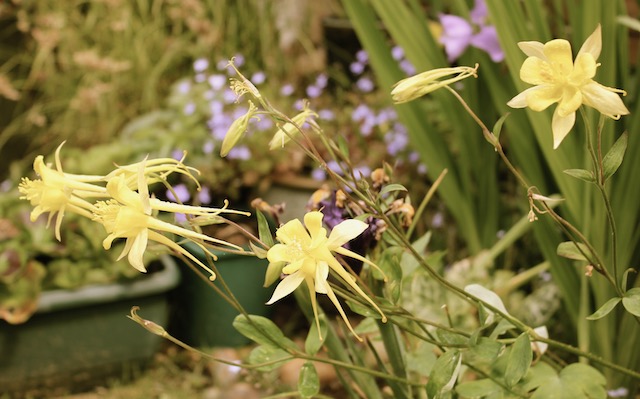
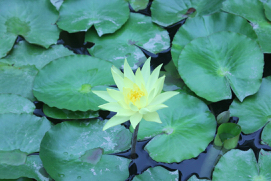
Yellow/Peela

Gold

Nothing is more important than life itself
Nothing is as sacred as love
Thoughts dissolves in the notion of togetherness
The heart of gold shines through

The freshness of first breeze breathe
Simmering white dandelion on thin air of hope
The soul of green grasses,
in the early morning sun
On the mistery music of the forest
The goddess of beauty dances,
arms wide open

Upon heart of trance
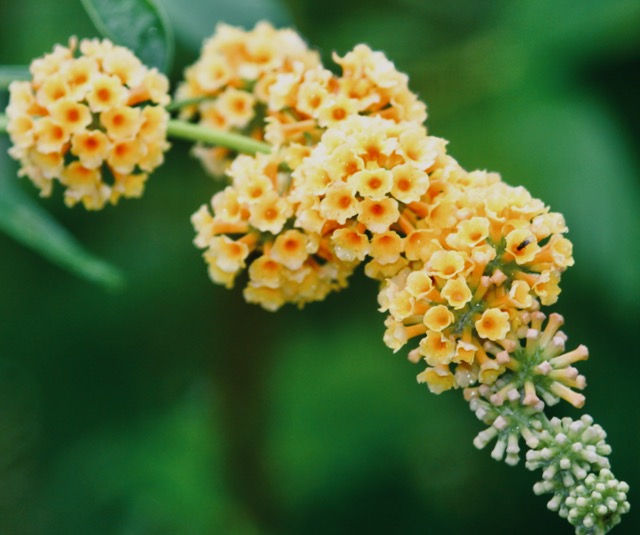
The flower bloosoms Yellow
And the heart shines gold
Heart of gold shines through
And the heart shines gold

Poetry by https://allpoetry.com/Subedisachin

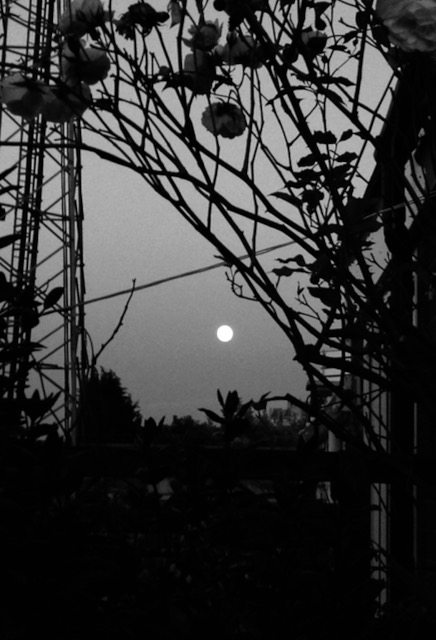
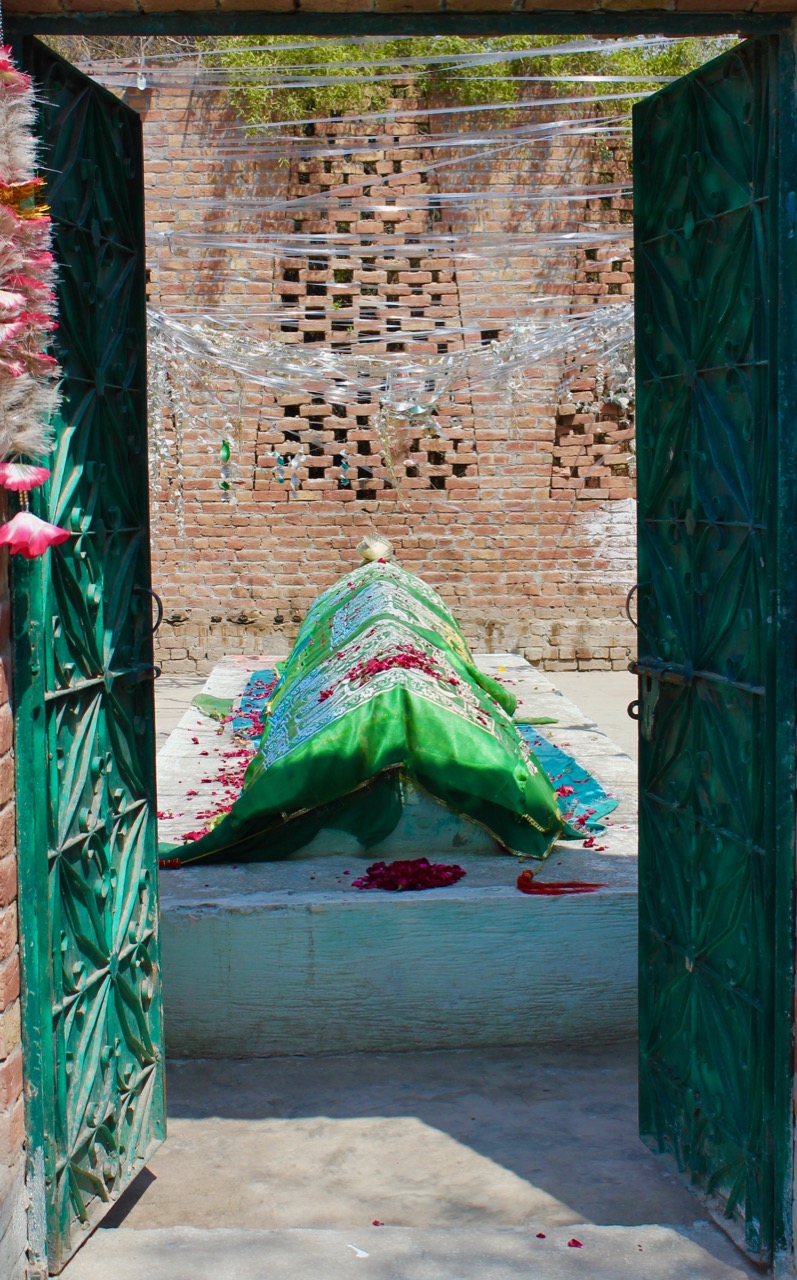
Kala/Black

Saifuddin Saif was born in Amritsar in 1922. He wrote some very powerful poems during his college days. He was always inclined towards writing for films, but the films for which he had written lyrics before partition were not released due to the unfavorable conditions in the subcontinent. Saif penned songs for Teri Yaad (1948) which was the first film to be released in Pakistan and received admiration for the freshness of his poetry. (courtesy of Rekta: https://www.rekhta.org/Poets/saifuddin-saif/profile)

For the lyrics of Chandni Raat: https://www.rekhta.org/ghazals/chaandnii-raat-badii-der-ke-baad-aaii-hai-saifuddin-saif-ghazals

Read about Ali Sethi’s version of Chandni Raat, which has the lyrics plus a translation in English: https://dilliwaliblog.wordpress.com/2019/03/03/chandni-raat-ali-sethi/

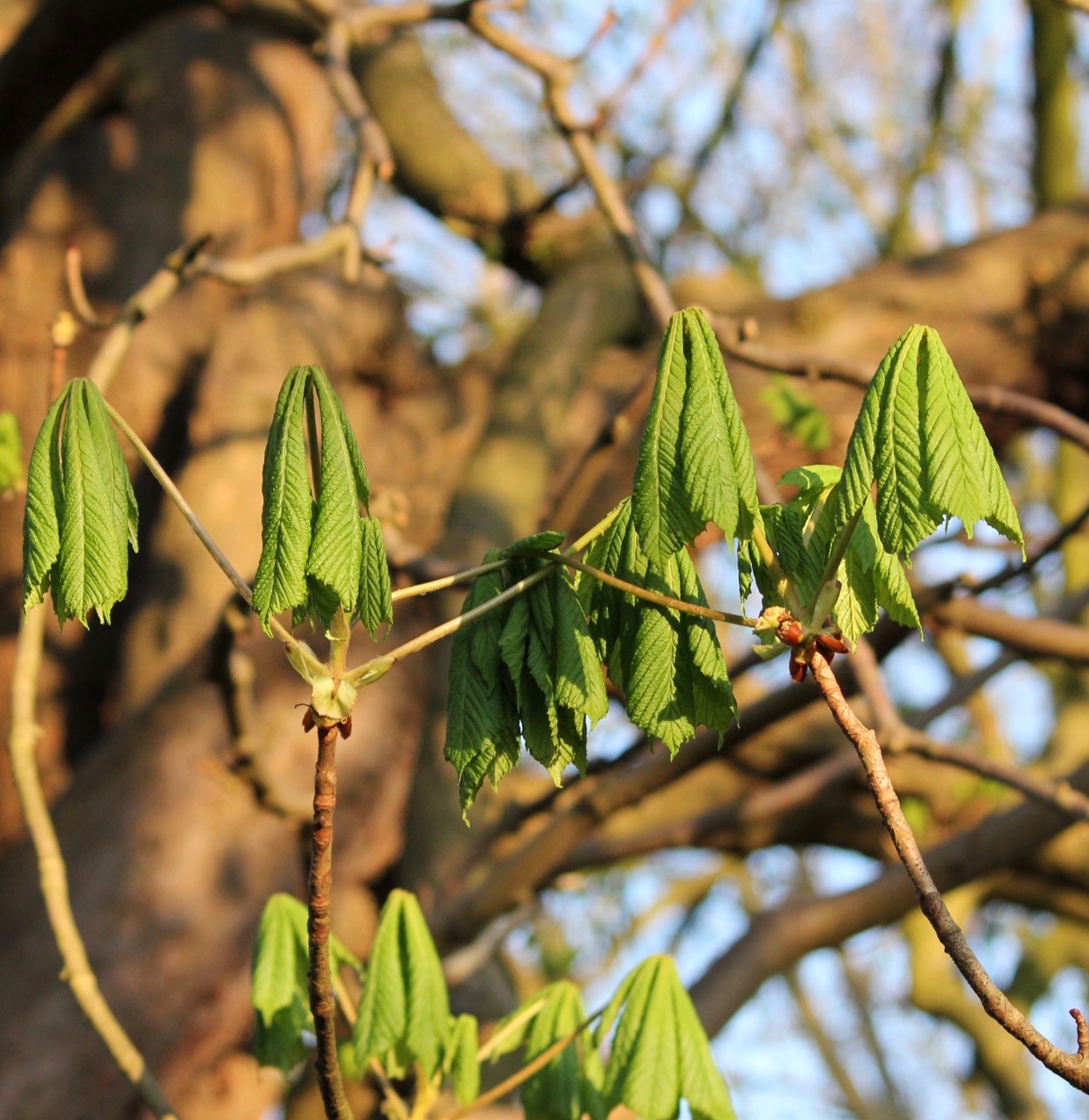
Hara/Green

Habib Jalib was born in 1928 in Hoshiarpur, East Punjab. He migrated to Pakistan after partition and worked as a proof reader in Daily Imroze, Karachi. Read further about him: https://www.letsstartthinking.org/Pakistan/personalities/habib-jalib.php. All his poetry is available via Rekhta. Below is the poem Bagiya Lahoo Luhan-The Garden Is A Bloody Mess. The poem is about the oppression in East Pakistan in 1971 but unfortunately it continues to resonate, even today.

Bagiya Lahoo Luhan
Haryali ko aankhen tarsen bagiya lahoo luhan
Pyar ke geet sunaoon kis ko shehar hue weeran
Bagiya lahoo luhan 

Dasti hain suraj ki kirnen chand jalaye jaan
Pag pag maut ke gehre saye jeewan maut saman
Charon ore hawa phirti hai le kar teer Kaman
Bagiya lahoo luhan 

Chhalni hain kaliyon ke seeney khoon mein lat paat
Aur nahjaney kab tak hogi ashkon ki barsaat
Dunya walon kab beeteinge dukh ke yeh din raat
Khoon se holi khel rahe hain dharti ke balwan
Bagiya lahoo luhan
The Garden Is A Bloody Mess 
Our eyes yearn for greenery
The garden is a bloody mess
For whom should I sing my songs of love
The cities are all a wilderness
The garden is a bloody mess

The rays of the sun, they sting
Moonbeams are a killing field, no less
Deep shadows of death hover at every step
Life wears a skull and bone dress
All around the air is on prowl
With bows and arrows, in full harness
The garden is a bloody mess 

The battered buds are like a sieve
The leaves drenched in blood smears
Who knows, for how long
We’ll have this rain of tears
People how long do we have to bear
These days and nights of sorrow and distress
This oppressor’s blood bath is a frolicsome play
For the mighty of the world, a mark of their prowess
The garden is a bloody mess 

Source: Revolutionary Democracy