This morning I came across a newsflash on the BBC about “The risqué business of selling underwear in Pakistan”, which serves as a click bait because the article-proper is titled “Pakistan: The man trying to improve women’s underwear”. Its content immediately resonated with me. The quotes from female workers therein took me back to the research I did on the women, who worked for Pakistan International Airline (PIA) in 1960s. The factory in-focus, where they are making the garments, is based in Faisalabad (Lyallpur), a city I know well because of my own doctoral research, while the business was started by a Leicester born businessman. Leicester/DMU where I work, is city renowned for its garment factories and indeed DMU has long pioneered research in the increasingly sophisticated lingerie industry.
The interesting element is of course that in Pakistan, women’s undergarments are either on full display in congested stalls in busy bazaars, where a majority of women shop (buying, most likely, from a man) or they are curiously hidden (veiled) behind the blackened windows in fancy shopping malls. This stark class disparity is also symbolic of a cultural disparity in a society where working women of the sub-urban informal sector in r-urban areas, rarely have the luxury to be veiled, while the newly middle-class women, of families with the means to be pious, are more prone to and secluded in world of purdah.
The focus of the said article is about comfort and ensuring that women have access to underwear garments that are fit for purpose – and not just for optics. The fact that society treats these necessities in life as taboo, something to be embarrassed about and to snigger at because we are unsure how to respond, is a fine example of how a patriarchal society works to keep women confined in both public and private spaces.
When I was doing my research on PIA, the airline was established in 1955 in part to meet the needs of keeping East and West Pakistan connected, it was obvious that to get it off the ground, it needed staff, male and female. I was intrigued by the women who worked for PIA in the 1950s and 1960s, what motivated them, what their background was, given that in this still-more socially conservative age, women working as “airhostesses” or cabin crew were yet-more objectified, with age/size/marital status being important to the job. So, it was not surprising when such women encountered reluctance from the family members.
These quotes from the BBC article could have been from the women I spoke with: (1) “We had two people who came back and said their families do not want them to work in an undergarment factory.” (2) “My father instantly refused…I had to ask him to let me go and see for myself and if…I don’t like the atmosphere at the factory, I won’t accept the job.”
Women who wanted to work for PIA endured similar sentiments. Families were reluctant or worse at their sisters/daughters working in this “forward” industry and the potential shame. But this was the 1950s/60s, and many of these women were away from home, flying high and experiencing a completely different world. In their taking off, they were breaking new ground, pioneering and enabling others to work in professions other than the usual “respectable” teaching/medicine. And so, to read these quotes from women today, 60 years later and working for a factory that is making undergarments is emblematic of how Pakistan has rolled on the road of more piety and rituals, as a ruse for rule; cover for control.
Faisalabad/Lyallpur is the third largest city in Pakistan, after Karachi and Lahore, and is the hub of the textile industry. It is often referred to as the Manchester of Pakistan. Following the Partition of British India, the city witnessed mass movement of people, both those who left for India and the large number of refugees that transformed this colonial town into the city that it is today. When I was doing my research on the city in the early-2000s, it was a conservative city despite the vast wealth being generated in its bazaars; 20 years on, it continues to be so, perhaps because of the new capital and its renewed performance of customs and commodification of shame.
Read further:
Pippa Virdee, ‘Women and Pakistan International Airlines in Ayub Khan’s Pakistan’, The International History Review, 2019, 41:6, 1341-1366, DOI: 10.1080/07075332.2018.1472622
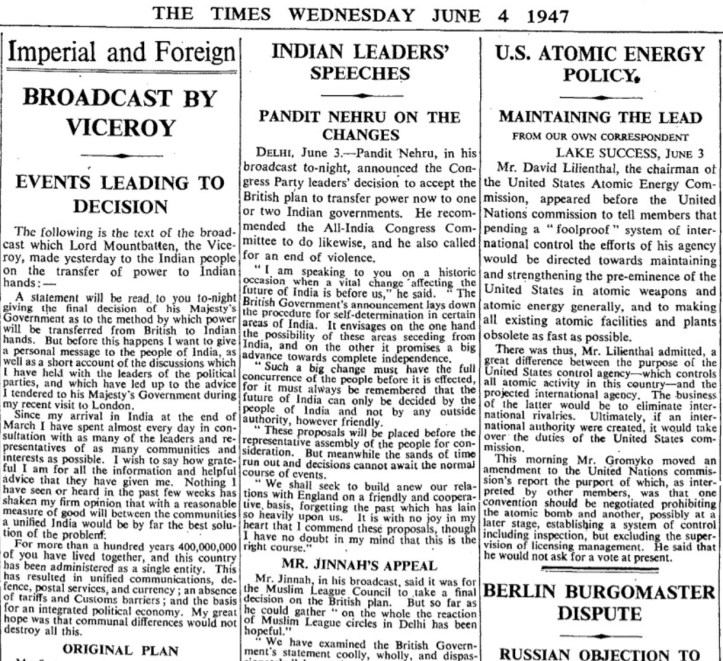
Below is the full transcript of the speech, which was delivered by Lord Mountbatten, the last Viceroy of India. It is followed by statements by Attlee, Nehru, Jinnah and Baldev Singh. The latter’s parting words make for interesting, wishful reading considering that it was the Sikh community that was impacted the most by this Partition Plan. This is also fully acknowledged by Mountbatten in his speech.
BROADCAST BY VICEROY EVENTS LEADING TO DECISION
The following is the text of the broadcast which Lord Mountbatten, the Viceroy, made yesterday to the Indian people on the transfer of power to Indian hands:-
A statement will be read to you tonight giving the final decision of his Majesty’s Government as to the method by which power will be transferred from British to Indian hands. But before this happens I want to give a personal message to the people of India, as well as a short account of the discussions which I have held with the leaders of the political parties, and which have led up to the advice I tendered to His Majesty’s Government during my recent visit to London.
Since my arrival in India at the end of March I have spent almost every day in consultation with as many of the leaders and representatives of as many communities and interests as possible. I wish to say how grateful I am for all the information and helpful advice that they have given me. Nothing I have seen or heard in the past few weeks has shaken my firm opinion that with a reasonable measure of good will between the communities a unified India would be far the best solution of the problem.
For more than a hundred years, 400,000,000 of you have lived together, and this country has been administered as a single entity. This has resulted in unified communications, defence, postal services and currency; an absence of tariffs and Customs Barriers; and the basis for an integrated political economy. My great hope was that communal differences would not destroy this.
ORIGINAL PLAN
My first course, in all my discussions, was therefore to urge the political leaders to accept unreservedly the Cabinet mission plan of May 16, 1946. In my opinion that plan provides the best arrangement that can be devised to meet the interests of all the communities of India. To my great regret it has been impossible to obtain agreement either on the Cabinet mission plan or on any other plan that would preserve the unity of India. But there can be no question of coercing any large areas in which one community has a majority to live against their will under a Government in which another community has a majority—and the only alternative to coercion is partition.
But when the Muslim League demanded the partition of India, Congress used the same arguments for demanding in that event the partition of certain provinces. To my mind this argument is unassailable. In fact neither side proved willing to leave a substantial area in which their community have a majority under the government of the other. I am, of course, just as much opposed to the partition of provinces as I am to the partition of India herself, and for the same basic reasons. For just as I feel there is an Indian consciousness which should transcend communal differences, so I feel there is a Punjabi and Bengali consciousness which has evoked a loyalty to their province. And so I felt it was essential that the people of India themselves should decide this question of partition.
The procedure for enabling them to decide for themselves whether they want the British to hand over power to one or two governments is set out in the statement which will be read to you. But there are one or two points on which 1 should like to add a note of explanation. It was necessary, in order to ascertain the will of the people of the Punjab. Bengal, and part of Assam, to lay down boundaries between the Muslim majority areas and the remaining areas, but I want to make it clear that the ultimate boundaries will be settled by a boundary commission and will almost certainly not be identical with those which have been provisionally adopted.
POSITION OF SIKHS
We have given careful consideration to the position of the Sikhs. This valiant community forms about an eighth of the population of the Punjab, but they are so distributed that any partition of this province would inevitably divide them. All of us who have the good of the Sikh community at heart are very sorry to think that the partition of the Punjab which they themselves desire, cannot avoid splitting them to a greater or lesser extent. The exact degree of the split will be left to the boundary commission on which they will, of course, be represented.
The whole plan may not be perfect: but like all plans its success will depend on the spirit of good will with which it is carried out. I have always-felt that once it was decided in what way to transfer power, the transfer should take place at the earliest possible moment, but the dilemma was that if we waited until a constitutional set-up for all India was agreed, we should have to wait a long time, particularly if partition were decided on, whereas if we handed over power before the Constituent Assemblies had finished their work we should leave the country without a constitution.
The solution to this dilemma, which I put forward, is that his Majesty’s Government should transfer power now to one or two governments of British India each having Dominion status as soon as the necessary arrangements can be made. This I hope will be within the next few months. I am glad to announce that his Majesty’s Government have accepted this proposal and are already having legislation prepared for introduction in Parliament this session. As a result of these decisions the special function of the India Office will no longer have to be carried out, and some other machinery will be set up to conduct future relations between his Majesty’s Government and India.
I wish to emphasize that this legislation will not impose any restriction on the power of India as a whole or of the two new States if there is partition, to decide in the future their relationship to each other and to other member states of the British Commonwealth.
Thus the way is now open to an arrangement by which power can be transferred many months earlier than the most optimistic of us thought possible, and at the same time leave it to the people of British India to decide for themselves on their future, which is the declared policy of his Majesty’s Government.
INDIAN STATES
I have made no mention of the Indian States, since the new decisions of his Majesty’s Government are concerned with the transfer of power in British India.
If the transfer of power is to be effected in a peaceful and orderly manner, every single one of us must bend all his efforts to the task. This is no time for bickering, much less for the continuation in any shape or form of the disorders and lawlessness of the past few months. Do not forget what a narrow margin of food we are all working on. We cannot afford any toleration of violence. All of us are agreed on that.
Whichever way the decision of the Indian people may go, I feel sure any British officials or officers who may be asked to remain for a while will do everything in their power to help implement that decision. His Majesty as well as his Government have asked me to convey to all of you in India their sincere good wishes for your future and the assurance of their continued good will.
I have faith in the future of India and am proud to be with you all at this momentous time. May your decisions be wisely guided and may they be carried out in the peaceful and friendly spirit of the Gandhi-Jinnah appeal.
MR. ATTLEE’S MESSAGE
A recording of the Viceroy’s message to the Indian people was broadcast in this country last night. It was introduced by the Prime Minister who said that the twofold purpose of the plan now put forward was to make possible the maximum degree of harmony and cooperation between the Indian political parties in order that the partition of India, if decided upon, might involve as little loss and suffering as possible, and secondly to enable the British Government to hand over its responsibilities in an orderly and constitutional manner at the earliest opportunity.
“I would make an earnest appeal to everyone to give calm and dispassionate consideration to these proposals,” Mr. Attlee went on. “It is, of course, easy to criticize them, but weeks of devoted work by the Viceroy have failed to find any alternative that is practicable. They have emerged from the hard facts of the situation in India”.
INDIAN LEADERS’ SPEECHES
PANDIT NEHRU ON THE CHANGES
DELHI, June 3.-Pandit Nehru, in his broadcast to-night, announced the Congress Party leaders’ decision to accept the British plan to transfer power now to one or two Indian governments. He recommended the All-India Congress Committee to do likewise, and he also called for an end of violence.
“I am speaking to you on a historic occasion when a vital change ‘affecting the future of India is before us,” he said. The British Government’s announcement lays down the procedure for self-determination in certain areas of India. It envisages on the one hand the possibility of these areas seceding from India, and on the other it promises a big advance towards complete independence.
“Such a big change must have the full concurrence of the people before it is effected, for it must always be remembered that the future of India can only be decided by the people of India and not by any outside authority, however friendly.
“These proposals will be placed before the representative assembly of the people for consideration. But meanwhile the sands of time run out and decisions cannot await the normal course of events.
“We shall seek to build anew our relations with England on a friendly and cooperative, basis, forgetting the past which has lain so heavily upon us. It is with no joy in my heart that I commend these proposals, though I have no doubt in my mind that this is the right course.”
MR. JINNAH’S APPEAL
Mr. Jinnah, in his broadcast, said it was for the Muslim League Council to take a final decision on the British plan. But so far as he could gather “on the whole the reaction of Muslim League circles in Delhi has been hopeful.”
“We have examined the British Government’s statement coolly, wholly, and dispassionately,” he went on. “We have to take momentous decisions, and have very big issues facing us in the solution of this complex political problem. Therefore we must galvanize and concentrate all our energies to see that the transfer of power is effected in a peaceful and orderly manner.
“It is clear that the plan does not meet in some important respects our point of view, and we cannot say or feel that we are satisfied or that we agree with some of the matters dealt with by the plan. It is for us now to consider whether the plan as presented to us by the British Government should be accepted by us as a compromise or a settlement. On this point I do not wish to prejudge the decision of the council of the All-India Muslim League, which has been summoned to meet on Monday. I appeal to every community in India, and especially to the Muslims, to maintain peace and harmony.”
Sardar Baldev Singh, the Sikh leader, said: We have closed a dreary chapter. It would be untrue if I were to say that we are altogether happy. Our common quest for freedom need never have divided and torn us asunder one from the other. This has actually taken place. The shadow of our differences has thrown its gloom over us. We have let ourselves be rent apart.”
The British plan did not please everybody, “not the Sikh community, anyway, but it is certainly something worthwhile. Let us take it at that.
“I believe with all my heart that the divisions that tend to keep us apart now will not last long. The very blueprint of our plans, so soon as we view it with care, will bind us together.”
Do read the review above and also try to watch the film if it is showing anywhere nearby. It was premiered at the Belgrade Theatre yesterday and an absolute treat to watch. It transports you into Lahore and a parallel world of state and society, and much, much more.
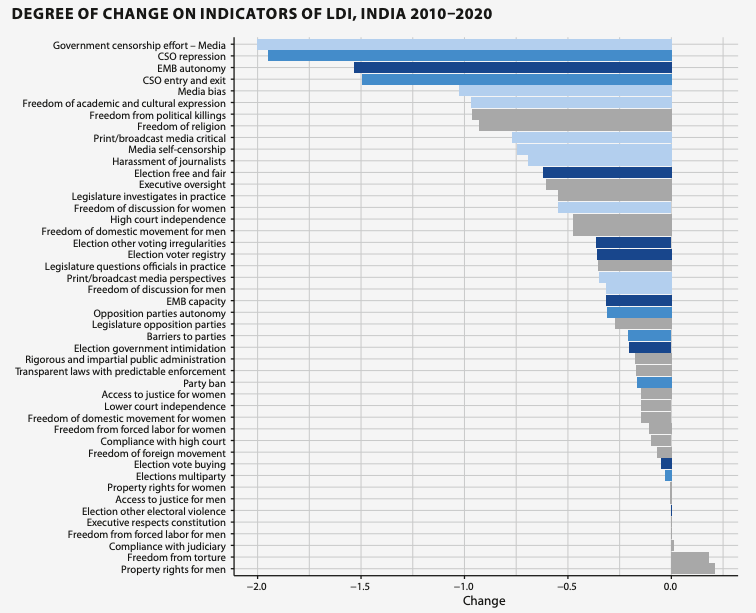
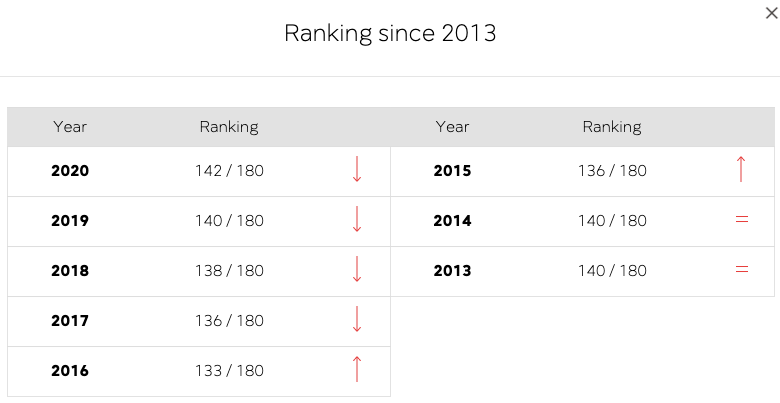
Electoral autocracies continue to be the most common regime type. A major change is that India – formerly the world’s largest democracy with 1.37 billion inhabitants – turned into an electoral autocracy. With this, electoral and closed autocracies are home to 68% of the world’s population. Liberal democracies diminished from 41 countries in 2010 to 32 in 2020, with a population share of only 14%. Electoral democracies account for 60 nations and the remaining 19% of the population. (p13)
Yet, the diminishing of freedom of expression, the media, and civil society have gone the furthest. The Indian government rarely, if ever, used to exercise censorship as evidenced by its score of 3.5 out of 4 before Modi became Prime Minister. By 2020, this score is close to 1.5 meaning that censorship efforts are becoming routine and no longer even restricted to sensitive (to the government) issues. India is, in this aspect, now as autocratic as is Pakistan, and worse than both its neighbors Bangladesh and Nepal. In general, the Modi-led government in India has used laws on sedition, defamation, and counterterrorism to silence critics.1 For example, over 7,000 people have been charged with sedition after the BJP assumed power and most of the accused are critics of the ruling party. (p20)
Recently, the Unlawful Activities (Prevention) Act (UAPA) from 1967 and amended in August 2019 is being used to harass, intimidate, and imprison political opponents, as well as people mobilizing to protest government policies.6 The UAPA has been used also to silence dissent in academia. Universities and authorities have also punished students and activists in universities engaging in protests against the Citizenship Amendment Act (CAA). (p20)
In my own piece written to coincide with 70 years of independence for India and Pakistan, I wrote the following:
Protests at Jawaharlal Nehru University in 2016 and Ramjas College at Delhi University in 2017, with chants of Azaadi (freedom), clearly showed that the idea of freedom is not merely an act of political freedom and is certainly not a freedom from thought in the increasingly mind-numbing and stealth homogenization of the millennial generation. It entails actual and real freedoms, freedoms which allow citizens to exist without fear of persecution, fear of raising critical voices, fear of consumption and cultural practices, fear from oppression and, above all, freedom from having a question mark at their very existence just for being.
The role of any democratic country, with a well-defined rule of law, is to protect all its citizens, ensuring that their rights and freedoms are safeguarded. This is especially true of countries where, as in the case of Pakistan, there is a significant minority; and in the case of India, though a majority Hindu state, secularism is enshrined in its constitution. It is in fact difficult to imagine these lands without the heterogeneity that forms the essence of being South Asian. It is this vibrancy and diversity that gives it character and strength. To move toward a homogenous culture is not only problematic but also dangerous because it is based on exclusivity.
Recalling trips to Punjab are akin to a trip down memory lane, one which is not merely nostalgic but aromatically so, from straying into family kitchens and stopping at road-side dhabas, especially along the great GT Road. The latter used to be a family space too, i.e., often family-run businesses, little more than fragrant kiosks under corrugated roofs and rather full of the ubiquitous truck drivers transporting goods along this artery of north-east India. Perhaps my earliest memory is stopping at one such a stall in 1989, maybe mid-way between Delhi and Ludhiana. It was my first visit home since being taken to settle down in Nakuru, Kenya in 1977 and thereafter Coventry, England in 1982.
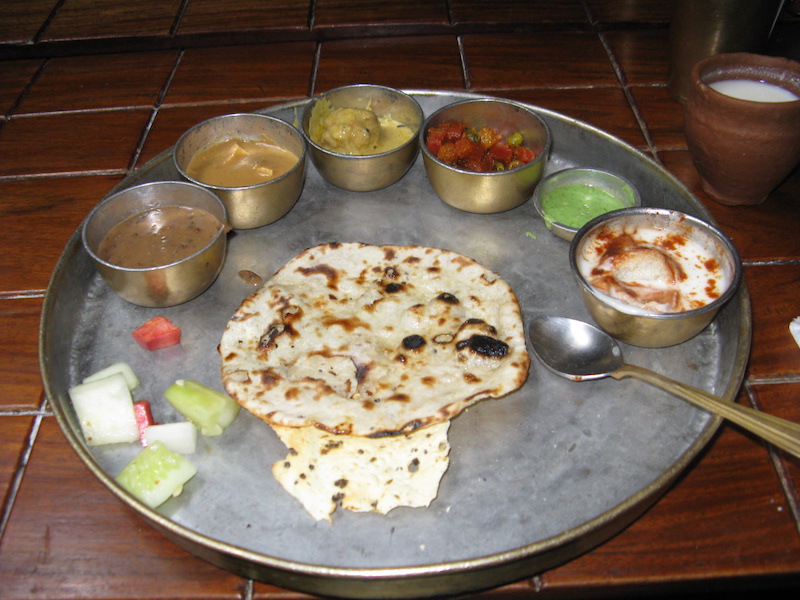
As we alighted from my brother-in-law’s eponymous Maruti, he had driven to the Palam airport to receive my mother and me, I realised that this was a familiar, if not favourite, spot of his; a feature of this road and its foodie milestones for its regular customers. It was the month of August and even as we sat outdoors, the canopy shaded us from the humid sun, on a traditional, slightly saggy manja/charpai, made of wooden posts and cotton rope. Back then dhabas dealt in a few but firm staples, serving either veg or non-veg – a term perhaps peculiar to the subcontinent – and this one gave primacy to the vegetarian fare. We stuck to the most popular of these: dal makhani (usually made with urad/black dal), served with copious amounts of makhan/butter and hot rotis. Accompanying this were a few condiments like pyaz/onions, pickles, dahi/yogurt, and to wash it all down was lassi/yogurt drink or karak cha/masala tea, notably to keep the driver going for the remainder of the journey.
Where there is food, there should be flies, especially in the open air of Naipaulian post-monsoon north India and, as a teenager coming from England, a major part of my memory is the visual fragment of blowing away flies, alternating with every other mouthful! Nothing – and no one (!) – had prepared me for their insolent onslaught. But the lingering after-taste of the dal with its distinctly earthy, buttery-ness has remained with me, as has the breezy, people-watching – or, staring-Indian-style – feeling of watching the traffic and people go by. Chatting, eating, and enjoying the essence of being back home.
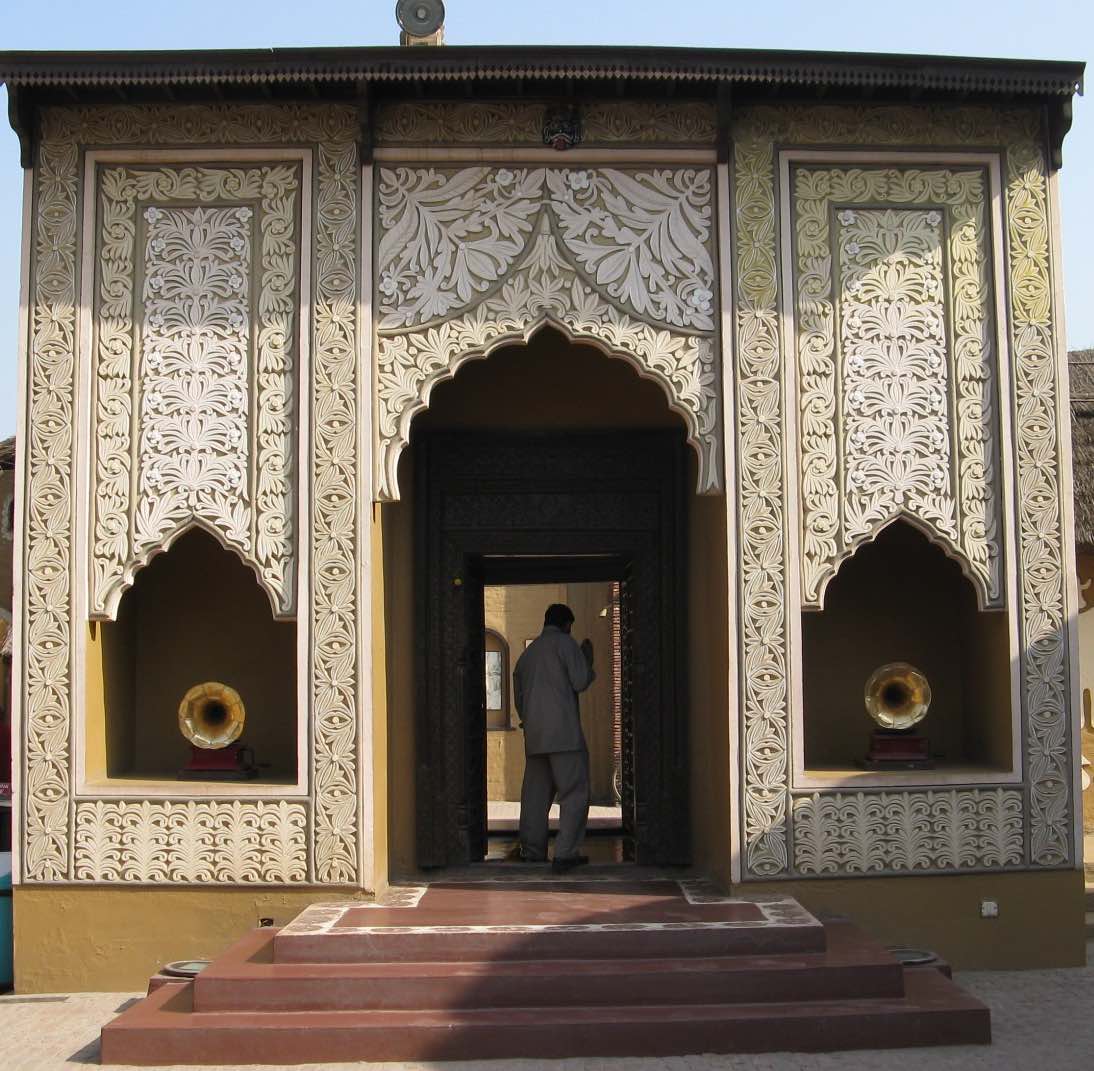
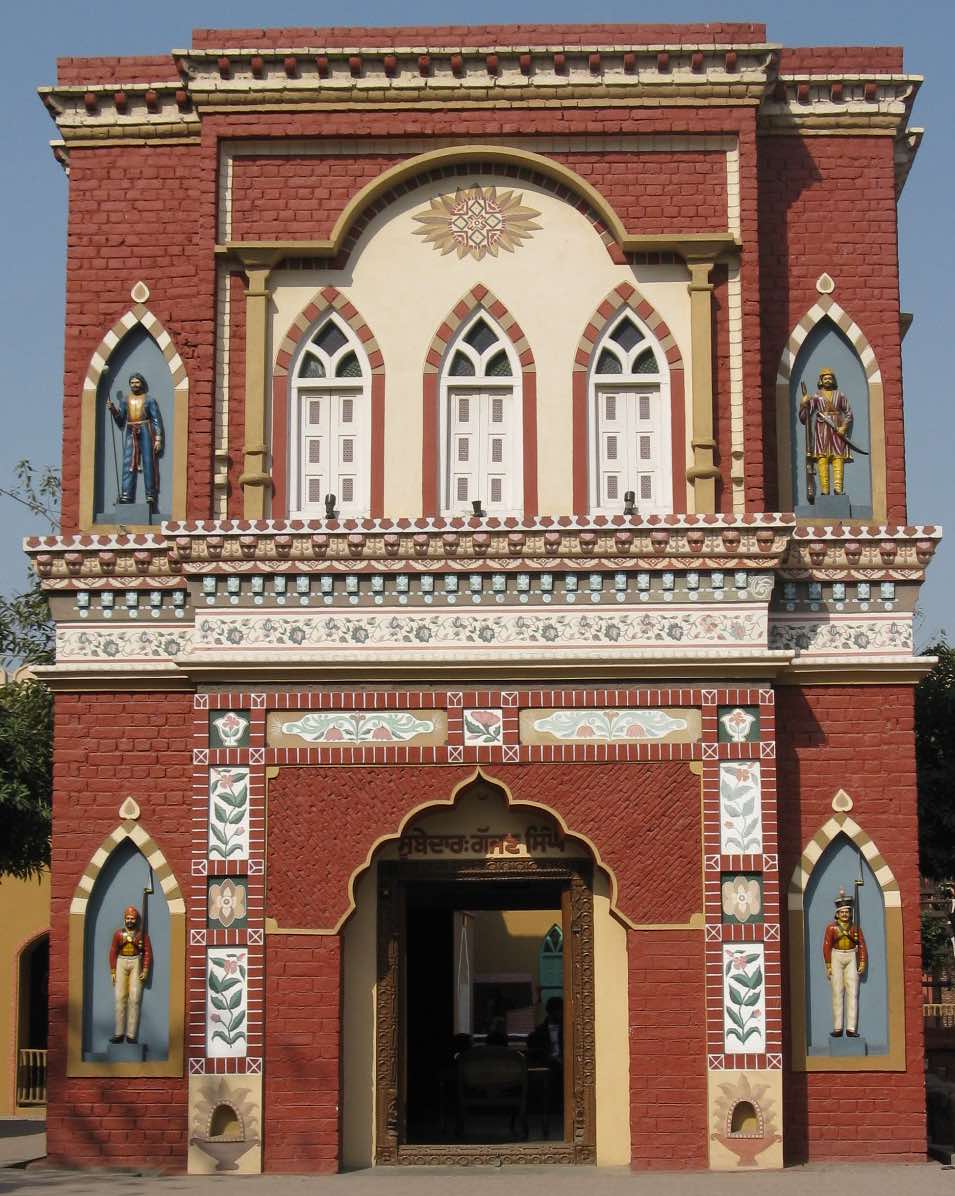
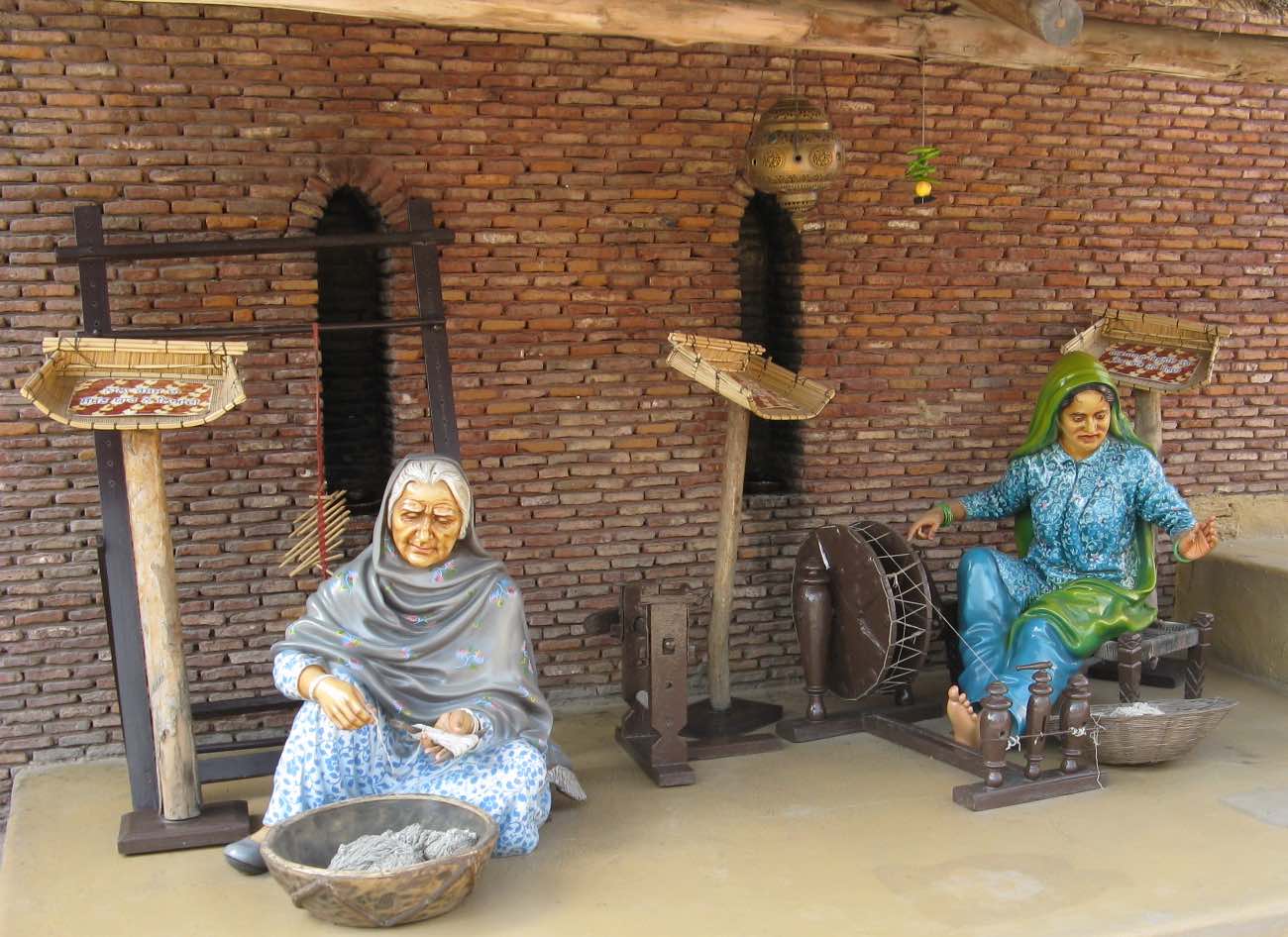
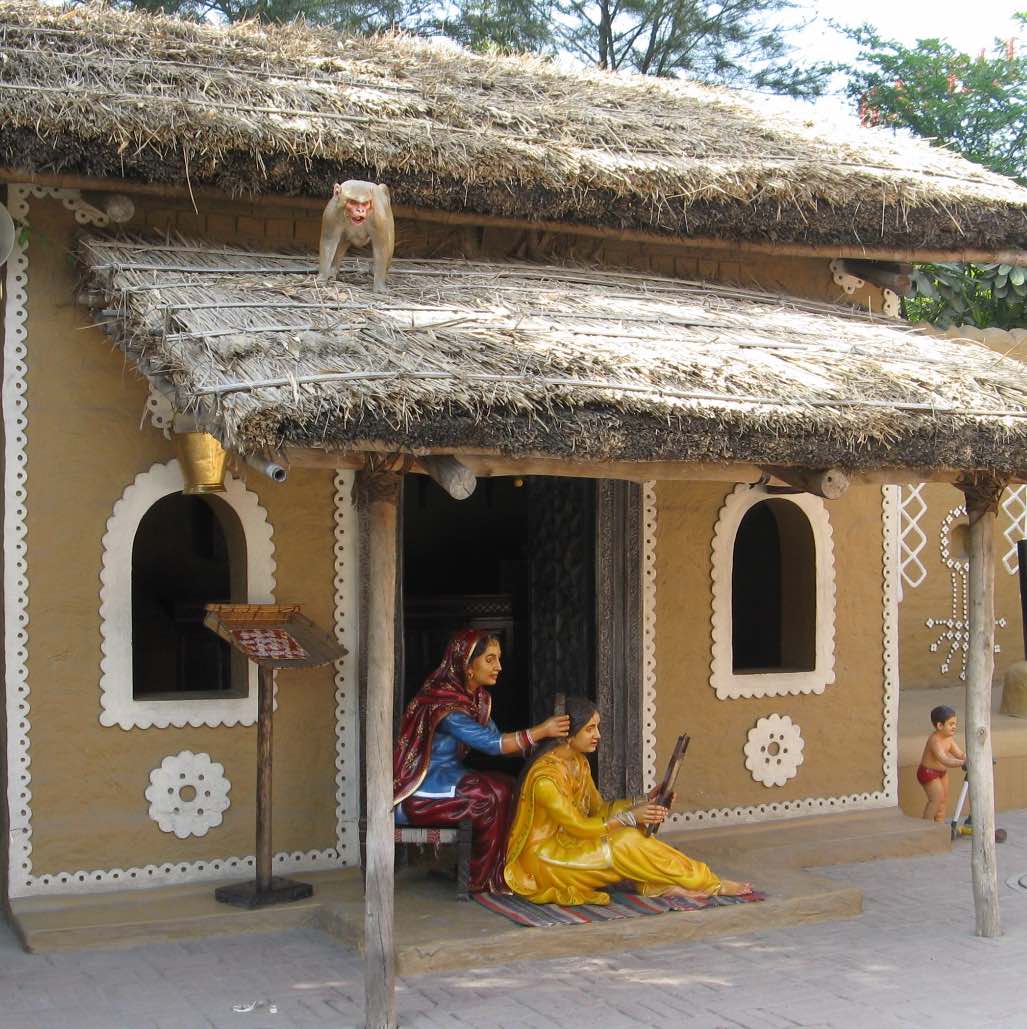
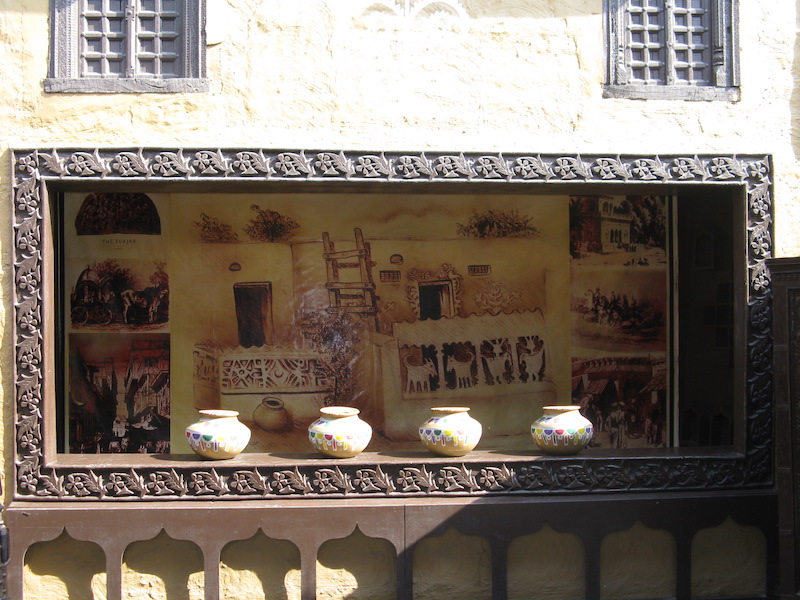
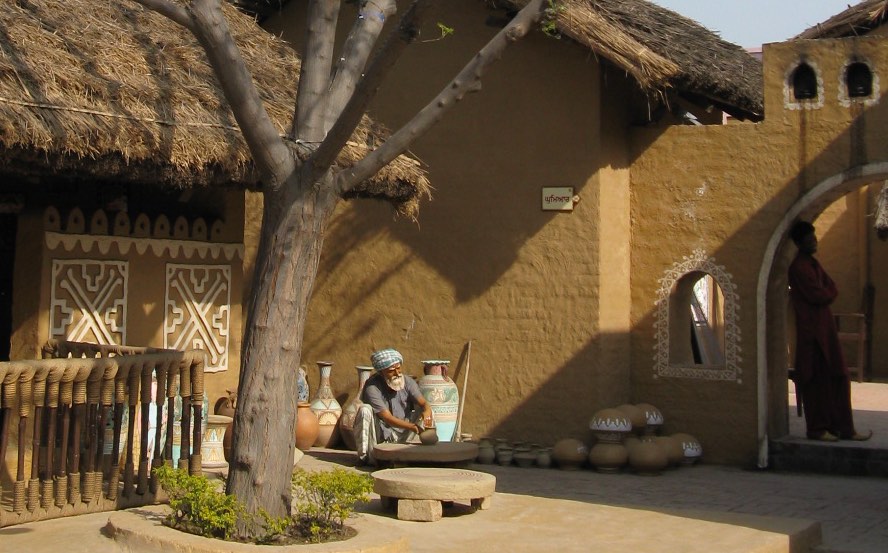
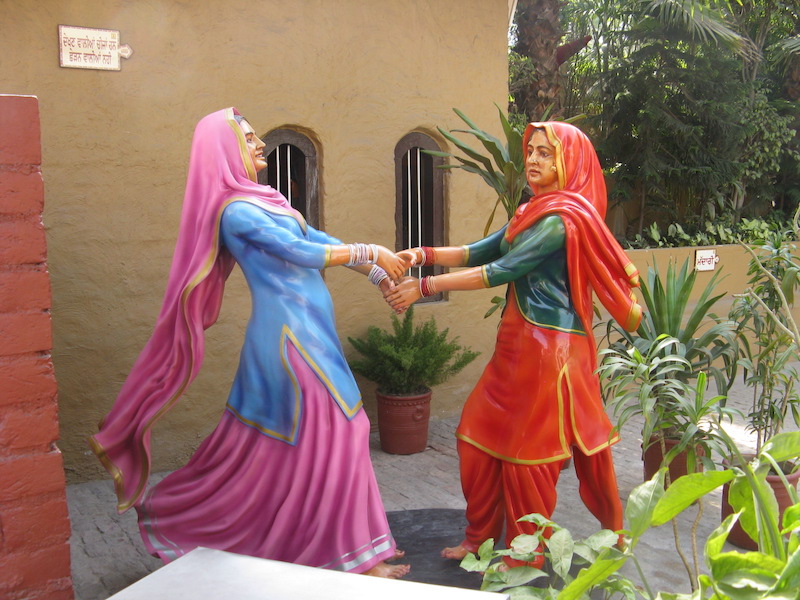
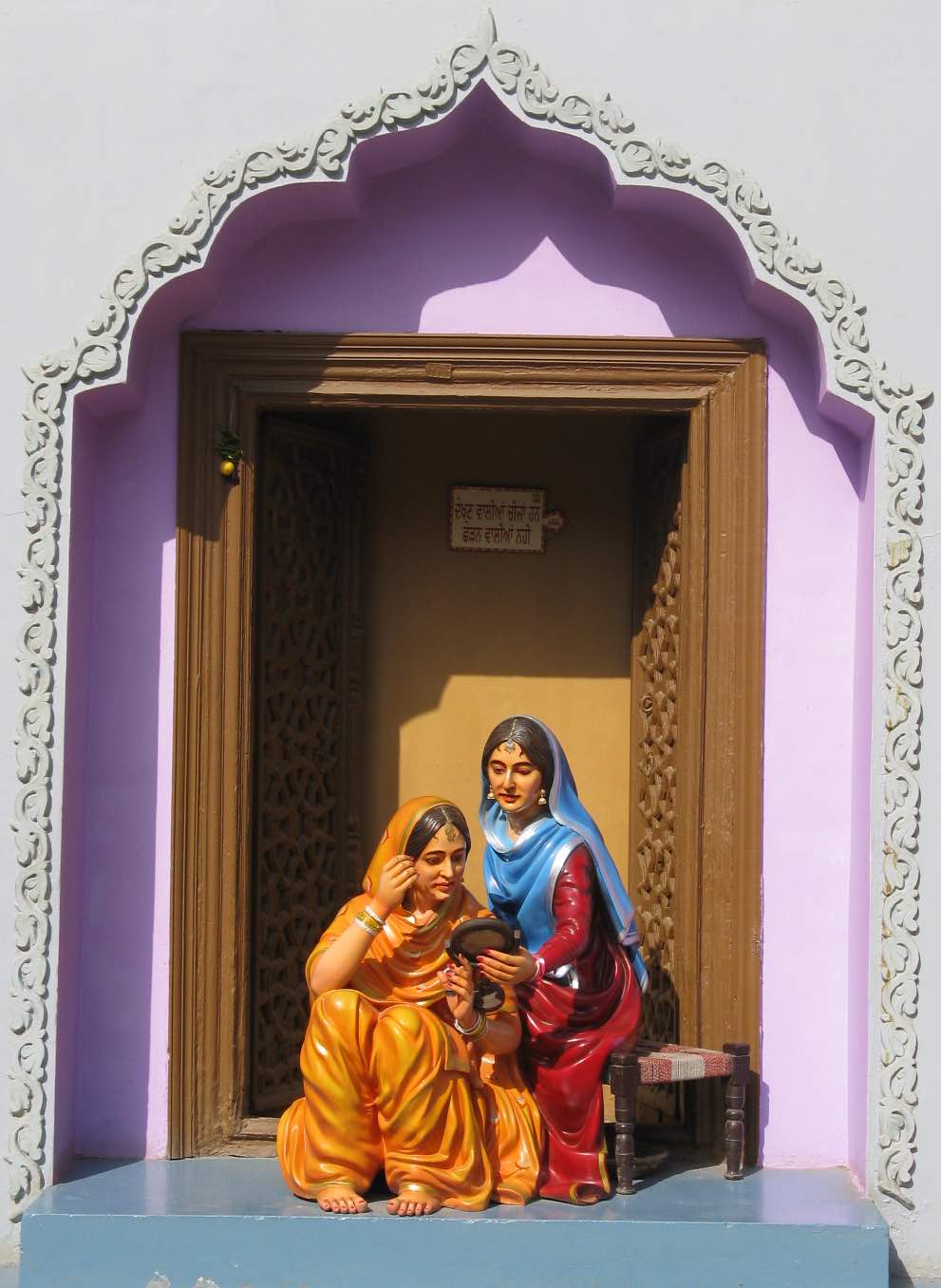
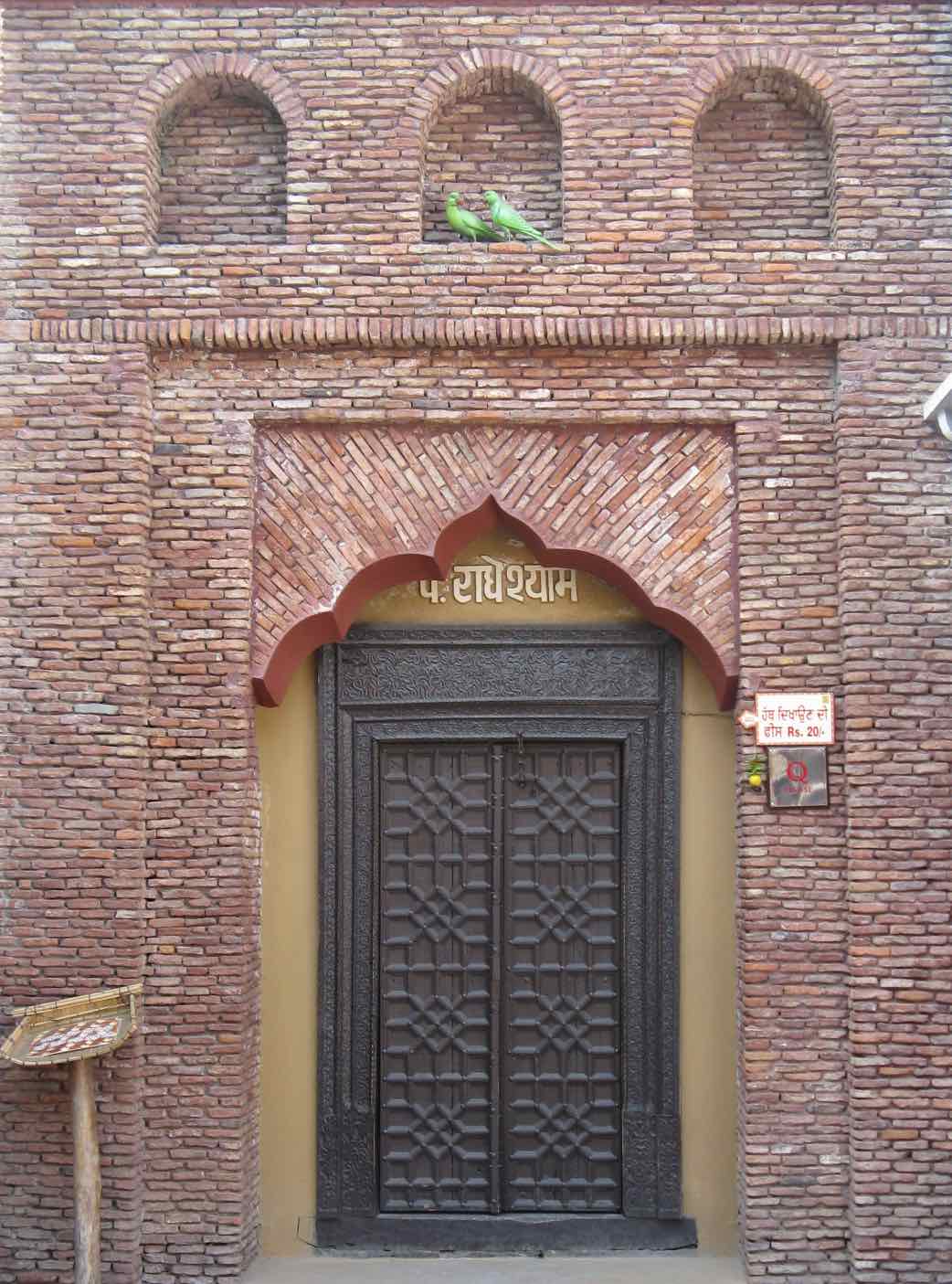
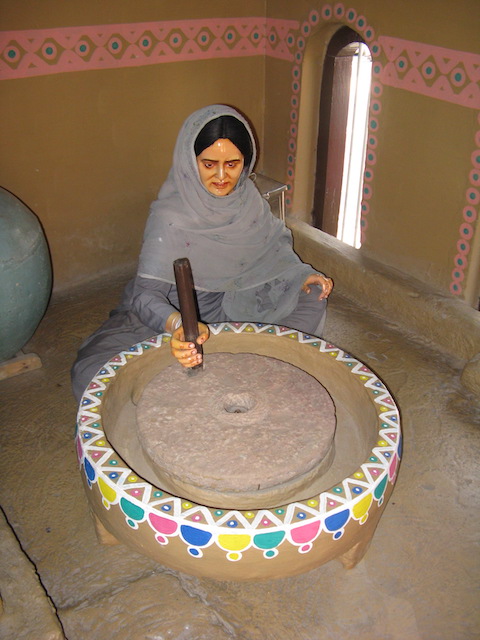
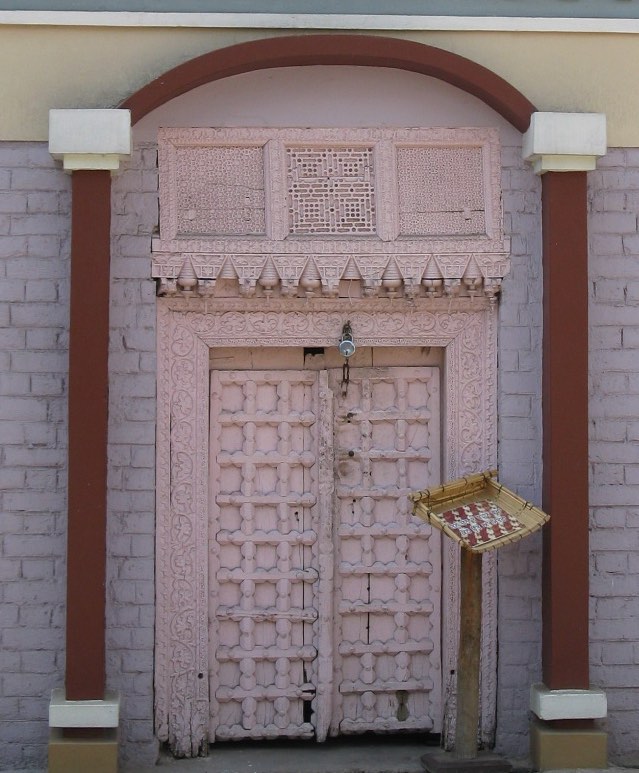
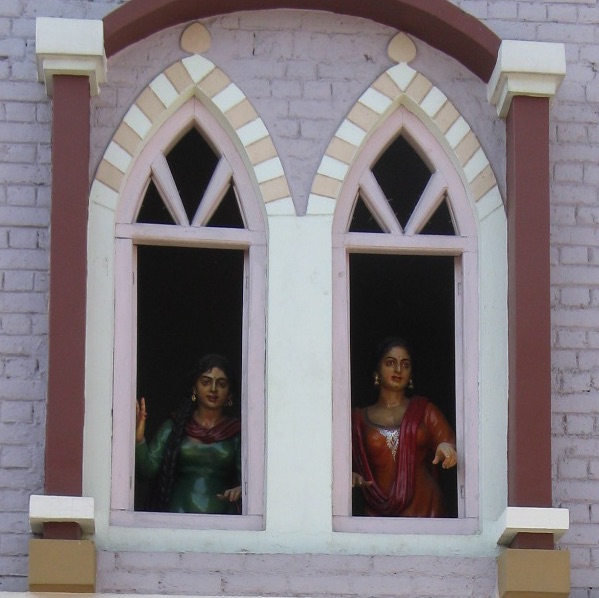
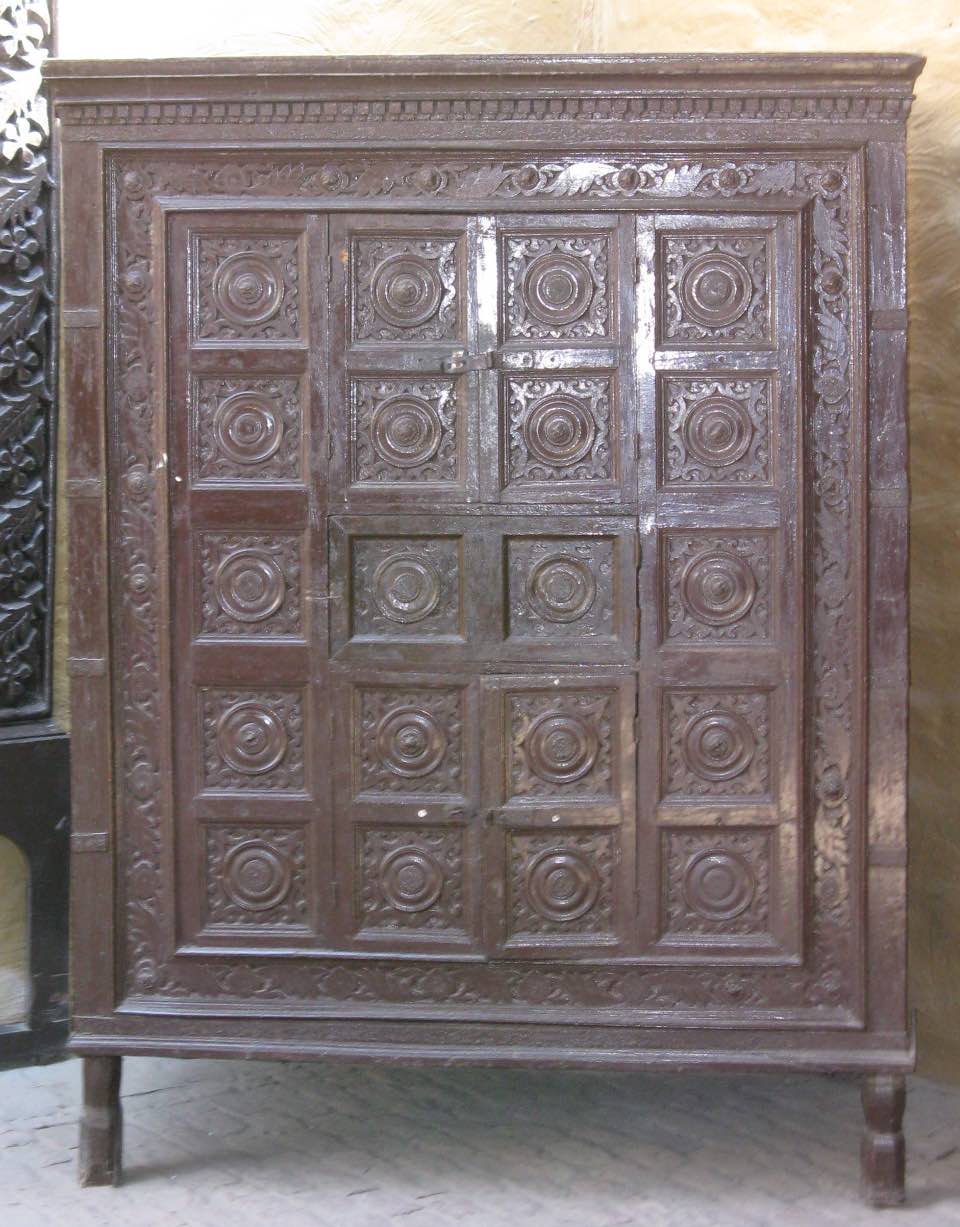
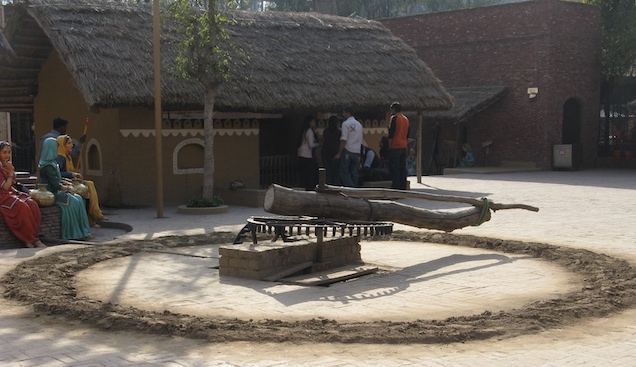
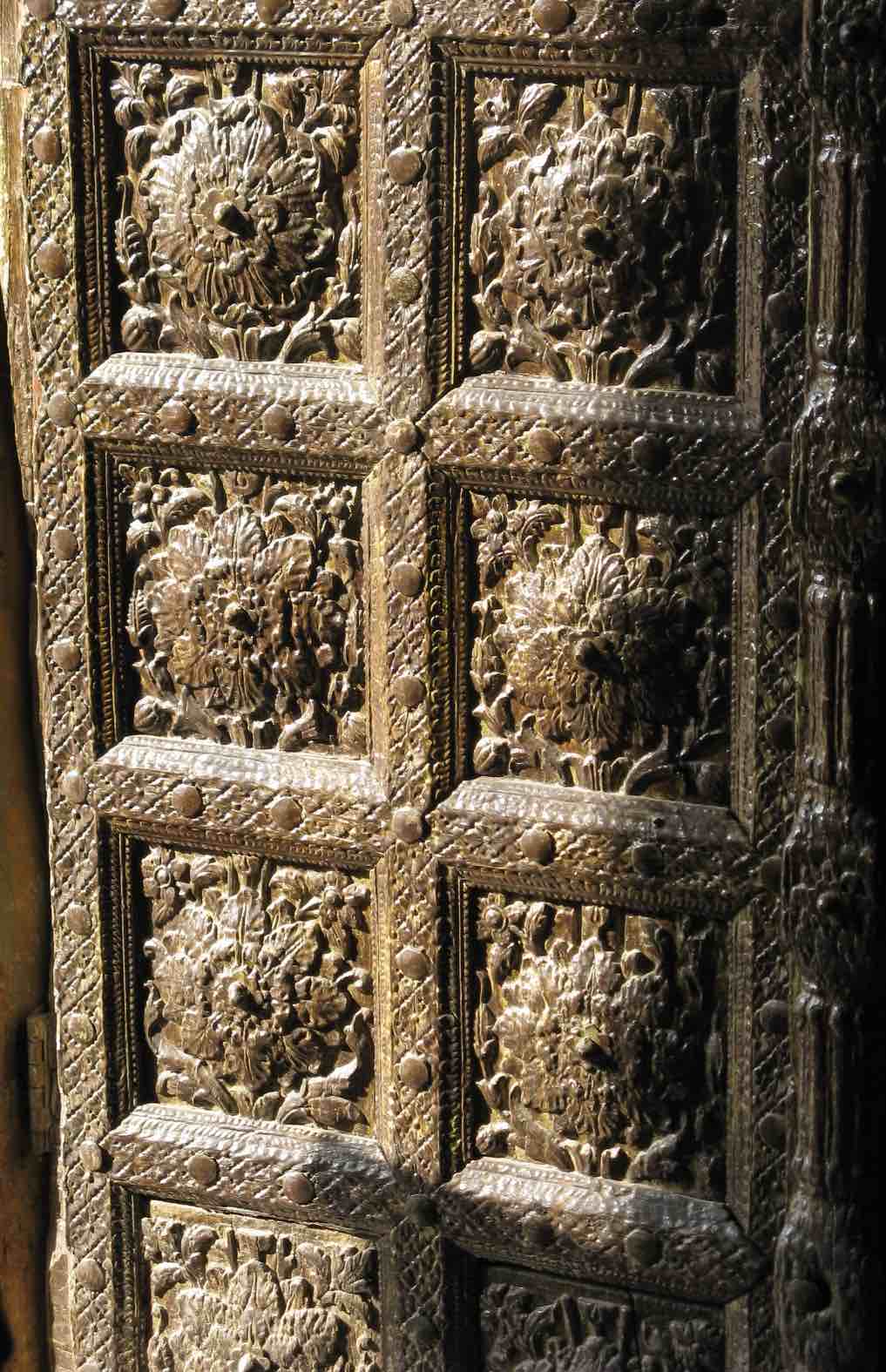
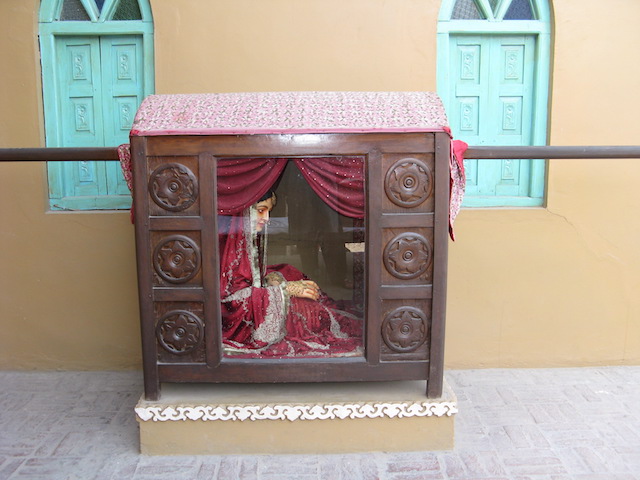
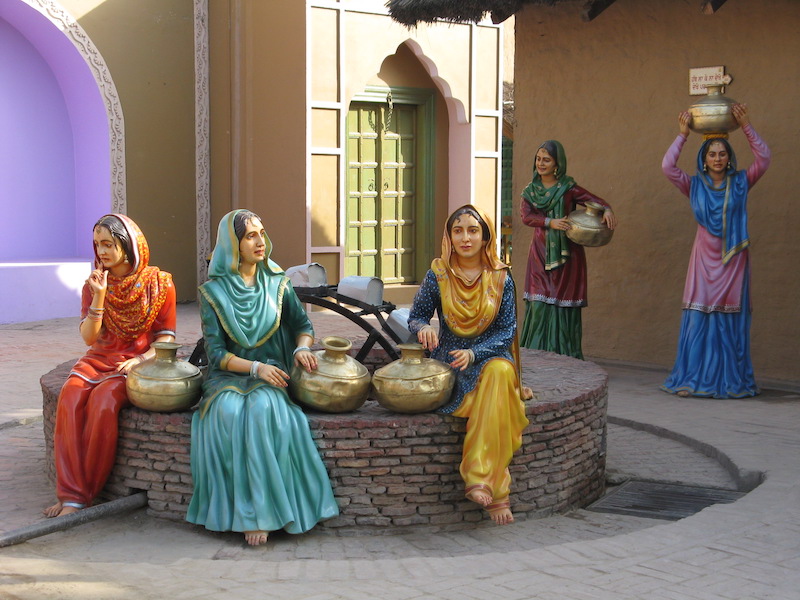
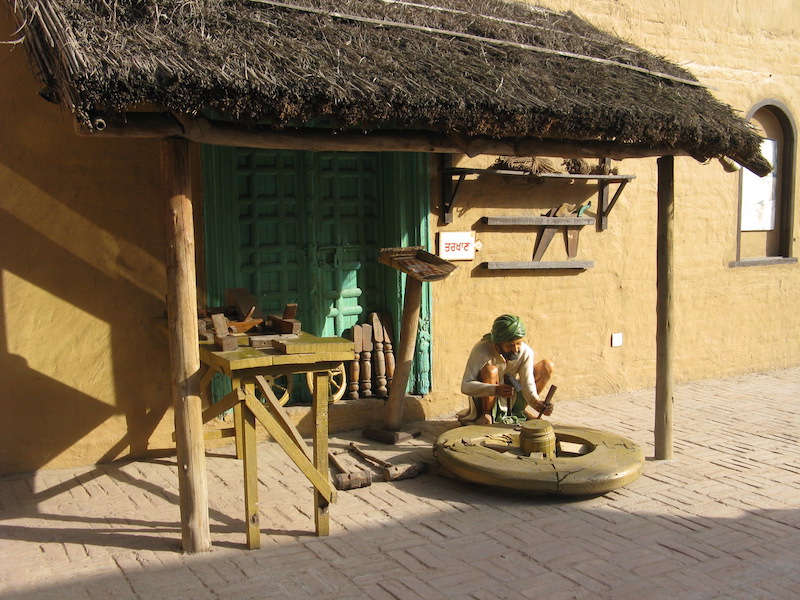
The dhabas not just remain but have metamorphosed into big, loud, air-conditioned restaurants, while being family-friendly; a constant in that ever-changing part of the world. Increasing purchasing power for more in these two-three decades has led to an upward curve in people’s expectations and demands. One of the earliest to step up to (offer) the plate was Haveli, Jalandhar. Its success has led to a number of other branches opening elsewhere, not to mention the imitators and followers. Twenty years after I had first stopped at a dhaba, I first visited the Haveli with my sister, in 2009. I had heard so much about the place in previous conversations. Haveli did not simply serve “traditional” food, it sought to create an “experience” of that traditional age, catering to the wealthy diaspora, who tried hard to reconnect with their roots. Now, therefore nostalgia came at a high price, amidst the sights of a pre-fabricated “themed” restaurant, and accompanied with the Rangla Punjab model village (pictures below from 2009), depicting “typical” village life.
This post explores the representation of the Hazara community in popular culture, using the examples of a novel The Kite Runner, a TV talent show Sitara-e Afghan (Afghan Star), and a documentary Laila at the Bridge. Rabia Khan discusses the gradual change in perceptions about Hazara identity, especially in terms of community consciousness and individual agency, and highlights the manner in which contemporary depictions of the Hazaras reflect more intricate forms of engagement with the historical, political and social realities of the community.…
The Historical Context of Hazaras
The Hazara community is one of many ethnic groups from Afghanistan, but there are differences of opinion about whether they are of Turko-Mongol heritage, or are an indigenous community from central Afghanistan, an area known locally as Hazarajat. The late 1800s was a particularly turbulent period in Hazara history which saw the community massacred and enslaved at the behest of Abdur Rahman Khan, the Pashtun king at the time, who sought to conquer Hazarajat in order to consolidate his power. He did so by instigating a jihad against Hazaras who were perceived as ‘infidels’, due to their Shia beliefs in a predominately Sunni Muslim state. The insurrection of Hazarajat resulted in Hazaras being at the bottom of the country’s social hierarchy, and they were subsequently sold as the cheapest slaves at the time.
Discrimination against the community continued into the 20th century; however, the 1980s saw a significant reconfiguration of Hazara self-perception and community consciousness in Afghanistan. This was mainly due to the Hizb-e Wahdat-e Islami Afghanistan (Islamic Unity Party of Afghanistan), which was formed in the late 1980s and was led by Abdul Ali Mazari with the aim of representing Hazara political aspirations, resulting in a shift in Hazara visibility in Afghanistan. The first 2 decades of this century have also been pivotal in the community’s history, with their earlier status as peripheral subjects changing markedly in recent years, particularly since the fall of the Taliban regime in 2001. The Hazaras have since made great strides in the fields of politics, sports and music, with the country’s first female provincial governor Dr Habiba Sarabi being Hazara, as is Afghanistan’s first Olympic medalist Rohullah Nikpai, and the renowned singer Elaha Soroor.
I came across this article recently which immediately caught my eye because we rarely see these images kinds of images of women in the everyday, enjoying the public spaces the same way that men do.
Dipanjali Singh, ‘The Right to Rest: Women at Leisure’, The India Forum, 26 March 2021.
A woman at leisure is a rare sighting. Snatched at moments of rest between responsibilities, leisure marks the absence of prescribed duties and emerges as a space for expressing and curating subjecthoods beyond impositions and dictations.
Surabhi Yadav’s Instagram-based photo-project Basanti: Women at Leisure makes visible women’s leisure in all of its glorious heterogeneity. Surabhi writes about the “goddesses of small things” who find leisure beyond straitjacketed renderings of emancipation. In her work, women wash themselves off definitions which require them to act in this way or that, and are seen splayed out in the sun with a book-covered-face quieting the harsh rays, painting their toenails, posing meticulously for a candid picture, or simply letting down their hair while plonked up on a tree.
















 BAGICHA