Thank you to all the followers and readers of BagichaBlog. I started this Blog in 2016 and I am so pleased that despite having a full-time job I have managed to keep this Blog going, with the humble aim of posting at least once a month. I hope you have enjoyed reading and viewing some of these posts and pictures. Please do leave a comment. Wishing for a more tolerant and peaceful 2022.
Hobson-Jobson The Anglo-Indian Dictionary By Henry Yule and A. C. Burnell, Wordsworth Edition, 1996, first published 1886.
Orange: A good example of plausible but entirely incorrect etymology is that of orange from Lat. aurantium. The latter word is in fact an ingenious medieval fabrication. The word doubtless came from the Arab. naranj, which is again a form of Pers. narang, or narangi, the latter being still a common term of the orange in Hindustan. The Persian indeed may be traced to Skt. nagaranga, and naranga, but of these words no satisfactory etymological explanation has been given, and they have perhaps been Sanscritized from some southern term.
The native country of the orange is believed to be somewhere on the northern border of India. A wild orange, the supposed parent of the cultivated species, both sweet and bitter, occurs in Garhwal and Sikkim, as well as in the Kasia country, the valleys of which last are still abundantly productive of excellent oranges.
For Baber (Autobiog. 328) describes an orange under the name of Sangtarah, which is, indeed a recognised Persian and Hind. word for a species of the fruit.
Color or Fruit? On the Unlikely Etymology of “Orange”By David Scott Kastan with Stephen Farthing. July 27, 2018
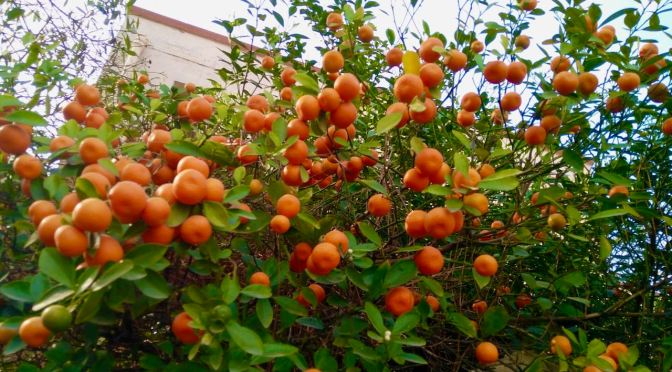
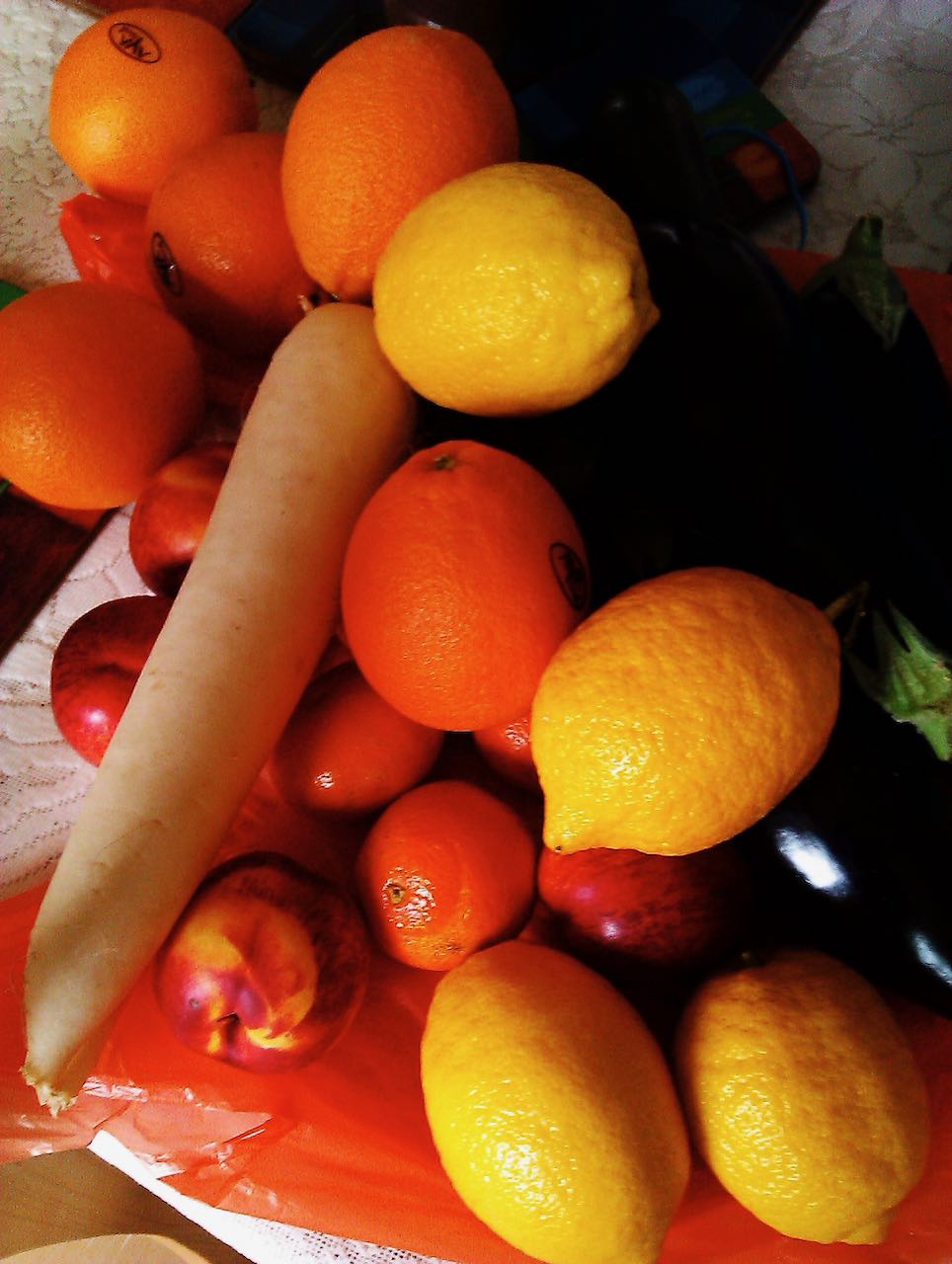
Early in the 16th century Portuguese traders brought sweet oranges from India to Europe, and the color takes its name from them. Until they arrived, there was no orange as such in the color spectrum. When the first Europeans saw the fruit they were incapable of exclaiming about its brilliant orange color. They recognized the color but didn’t yet know its name. Often they referred to oranges as “golden apples.” Not until they knew them as oranges did they see them as orange.
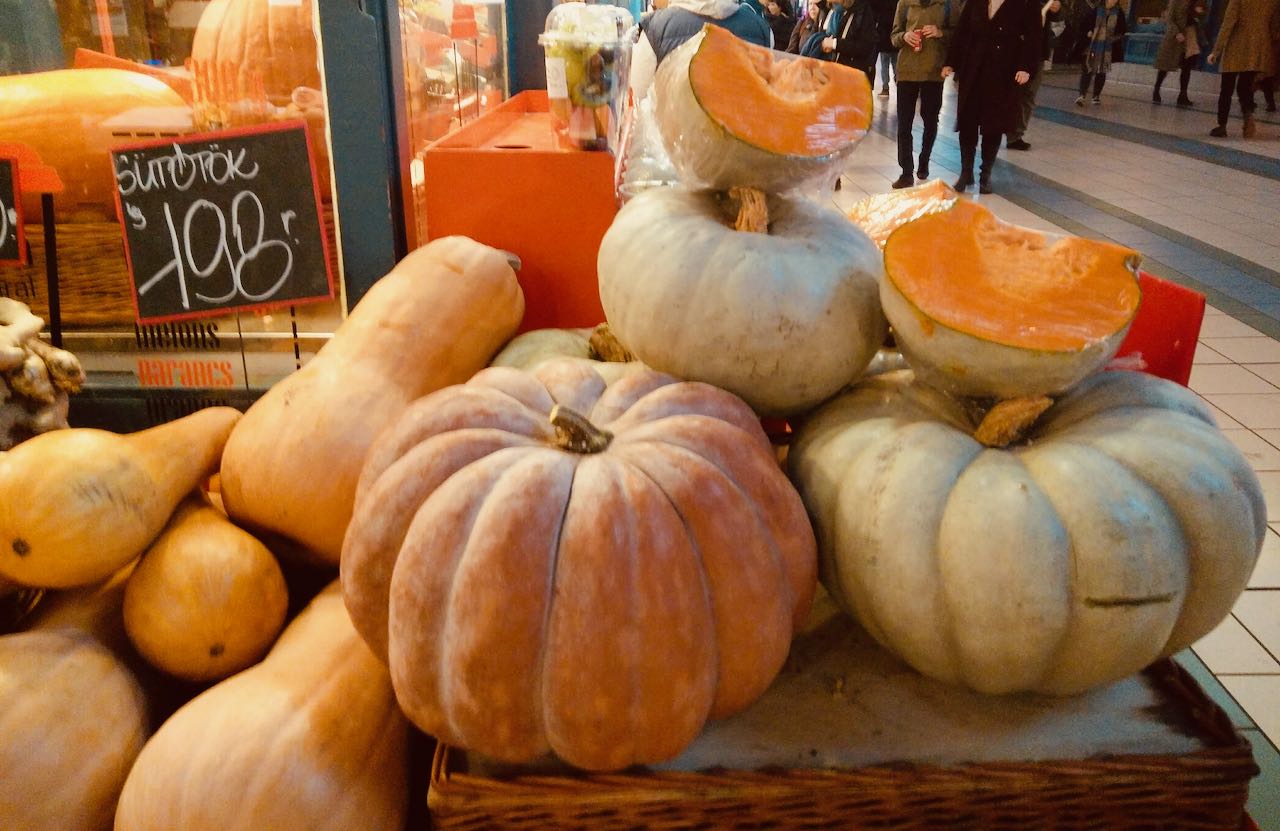
The word itself begins as an ancient Sanskrit word, naranga, possibly derived from an even older Dravidian (another ancient language spoken in what is now southern India) root, naru, meaning fragrant. Along with the oranges, the word migrated into Persian and Arabic. From there it was adopted into European languages, as with narancs in Hungarian or the Spanish naranja. In Italian it was originally narancia, and in French narange, though the word in both of these languages eventually dropped the “n” at the beginning to become arancia and orange, probably from a mistaken idea that the initial “n” sound had carried over from the article, una or une. Think about English, where it would be almost impossible to hear any real difference between “an orange” and “a norange.” An “orange” it became, but it probably should really have been a “norange.” Still, orange is better, if only because the initial “o” so satisfyingly mirrors the roundness of the fruit.
The etymological history of “orange” traces the route of cultural contact and exchange—one that ultimately completes the circle of the globe. The word for “orange” in modern-day Tamil, the surviving Dravidian language that gave us the original root of the word, is arancu, pronounced almost exactly like the English word “orange” and in fact borrowed from it.
























 BAGICHA