Tag Archives: Sikhs

Reportage: 1 Nov 84

Army Controls Kanpur. Paris AFP 0628 GMT 1 Nov 84

Army troops took control of the industrial city of Kanpur in northern Uttar Pradesh state early today following violence triggered by Prime Minister Indira Gandhi’s assassination by two Sikh members of her security guard yesterday.

Earlier, authorities clamped an indefinite curfew on four districts of the city or nearly four million people, PTI said.

PTI, quoting official sources, also reported a number of cases of arson and looting, but no further details were available.

Sikhs came under attack from angry Hindu crowds in several Indian cities, including New Delhi, yesterday as news of Mrs. Gandhi’s assassination spread.


Sporadic Violence in Country. Delhi Domestic Service 0837 GMT 1 Nov 84

There are reports of sporadic violence in some parts of the country following the assassination of Mrs Gandhi.

In Delhi, arson and violence have been reported from several areas. According to agency reports, curfew has been imposed in some places including Jammu, Kanpur, Patna, Sagar, Varanasi, and Raipur.

In Bombay, shops and business establishments have closed down as a mark of respect to the departed leader. In Trivandrum, people are wearing black badges to mourn the passing away of Mrs Gandhi.


AFP on Violence, Arrests. Paris AFP 0936 GMT 1 Nov 84

The authorities today imposed a curfew on the Indian capital as angry Hindus went on a rampage of burning and looting, seeking fresh revenge for the murder of Prime Minister Indira Gandhi by Sikh gunmen yesterday

A police announcement said the decision was made to stop the violence which last night left at least three Sikhs dead, according to eyewitnesses, and 200 injured, according to police.

Army troops patrolled the streets, amid reports of sporadic gunfire between police and unidentified gunmen holed up on rooftops.

Prime Minister Rajiv Gandhi, son of assassinated leader Mrs. Gandhi, held an emergency Cabinet meeting to review the situation. officials said.

In other parts of India, the Army reportedly took control of the industrial city of Kanpur in Uttar Pradesh while police in Bihar State were under orders to shoot troublemakers on sight.

Curfews were in force in most states.

Para-military forces fanned out across this city of six million people today as mobs armed with choppers and clubs set fire to houses, cars and other properties belonging to minority Sikhs in retaliation for Prime Minister Gandhi’s assassination, eyewitnesses said

“It is terrible, they are setting fire to houses, stopping vehicles and looking for Sikhs… it appears that we are in a jungle”, said a panicky resident from the southern district, where foreigners generally live.

One Sikh was found dead here, police said, but witnesses said they saw at least two bodies near the one recovered by police.

Police sources also said 200 people, mostly Sikhs, were injured and half of them were admitted to hospitals here as buses, trucks, cars, scooters, shops and Sikh temples were set on fire last night by outraged Hindus.

Security was tightened around New Delhi’s Sikh temples, which had come under attack yesterday.

Authorities banned the assembly of more than five people in public places were, but there was no report of any arrest.

There were no reports of any new casualties, as Sikhs here appeared to have gone underground for fear of reprisals.

Police this morning also reported cases of arson and looting in Ahmednagar, in the western coastal state of Maharashtra, where police had to open fire to disperse rioters, injuring three of them.

A total of 64 people were arrested following the incidents, in which about 30 shops and 13 vehicles were burned, police sources added.

In the central city of Jabalpur, police also burst tear gas shells to disperse looters and arsonists and similar incidents were reported in other localities, press reports said.


BBC on Worsening ‘Violence’. London BBC World Service 1200 GMT 1 Nov 84

Dispatch by correspondent Tim Llewelyn

There is no doubt that this worsening violence and uncontrollable anger is aimed at the Sikh community. Even as the Army took to the streets, backing up the police and paramilitary security units, large tracts of Delhi were the preserve of the mob. I saw taxis, taxi ranks, smart stores, and small shops and kiosks – almost exclusively Sikh-owned – set alight and burning furiously. Crowds besieged Sikh temples, though the police and Sikhs themselves mostly managed to prevent casualties or damage, the Sikhs brandishing their swords and clubs.

The violence has spread all over the city – residential areas as well as working class and commercial. Casualty figures are vague, but we know of at least five dead in Delhi over the past day, two of the policemen in an exchange of shots involving a mob outside a Sikh temple, and two Sikhs burned alive by frenzied attackers. In one incident, I watched a crowd surrounding a house and finally stuffing blazing wicker chairs to the windows to act as fire torches. Eventually the Army showed up, bayonets fixed, the crowd evaporated.

It is not just Delhi by any means. A similar pattern of anger harassment, and then burning and stealing has brought the Army out onto the streets in at least five other towns – Calcutta, Allahabad, Indore, Varanasi, and Kanpur. Curfews are being imposed in uncountable towns and districts in north and central India.

Sikhs I talked to in Delhi are not satisfied with the protection offered in the capital, and it did look in some incidents as if the police could have done more.


‘Large Scale Violence’ Reported. Paris AFP 1603 GMT 1 Nov 84

At least 65 people were killed, several hundred injured, and thousands rendered homeless today in an orgy of violence that swamped India in the wake of yesterday’s assassination of Prime Minister Indira Gandhi by two Sikh members of her security guard, local news agencies reported.

Large-scale violence hit 18 towns across India, forcing the administration to call out the Army and impose an indefinite curfew in certain parts of the capital. Curfews were also imposed in most other states.

The PTI news agency said that as many as 65 people, mostly Sikhs, died in the clashes. UNI put the death toll at 60.

An official government spokesman put the nationwide toll at 10.

In two cities of Kanpur and Patna police were given shoot at sight orders after Hindu mob violence against Sikh communities erupted. Earlier similar shoot-at-sight orders were issued in eastern Bihar State.

Source: all daily reports are from the Foreign Broadcast Information Service Archive.

The Final Resting Place: Gurdwara Kartarpur Sahib

This slideshow requires JavaScript.

In March 2017, in an impromptu adventure, I had the opportunity to visit Kartarpur Sahib in Pakistan. It came amidst an amazing road trip, which took me from the Radcliffe line to the Durand Line (almost). The trip was full of surprises – monuments (old and new) in situ and people on the move – and their discussion, especially of religious spaces and their historical significance. During one of these conversation, Dr. Yaqoob Khan Bangash (ITU Lahore) asked why the Sikhs never demanded Kartarpur Sahib during the discussions of the 1947 Radcliffe Boundary Commission.

Kartarpur is located in Narowal District in Pakistani Punjab. It is about 120 kms/2 hours away from Lahore and is located only 3 kms from the Indo-Pakistan border by the river Ravi. Indeed, Dera Baba Nanak is located about 1 km from the border, on the other side, east of the river Ravi in Indian Punjab. Both are visible to each other on clear days. The Gurdwara is the historic location where Guru Nanak (1469-1539) settled and assembled the Sikh community after his spiritual travels around the world. It is on the banks of the River Ravi and even today there is a nomadic and unkempt, wilderness feel to the place. Guru Nanak spent eighteen years living in Kartarpur, during which he spent time preaching to a growing congregation; the appeal of Nanak spreading from nearby areas to beyond and drawing the first Sangat to the area. Many devotees remained and settled in Kartarpur, dedicating their lives to the mission of Nanak.

The informal led to the formal, with the establishment of the first Gurdwara (the house of the guru) being built circa 1521-2. Here, free communal dinning (langar) was started, feeding all those that came and the langar remains a defining feature of Sikhism – providing free food to everyone without any prejudice. The food is simple and usually vegetarian. It is not a feast, nor does it offend anyone due to their dietary preferences. Everyone, rich or poor, sits together; equal in the house of the guru.

However, for Sikhs, Kartarpur is an especially significant place, as it marks not only the beginnings of Sikhism but also the final resting place of the first guru. The original Gurdwara complex was washed away by floods of the river Ravi and the present-day building was built with donations from Bhupinder Singh (1891-1938), Maharaja of Patiala. More recently, the Government of Pakistan has been contributing to its maintenance. The most fascinating thing about Kartarpur is the appeal of the Gurdwara to all communities. Baba Nanak is revered as a Pir, Guru and Fakir alike.

My trip to Kartarpur was during the “off-season” period and so, mostly Muslims were visiting the shrine/Gurdwara to offer their duas/prayers. Legend has it that when Guru Nanak died, his Hindu and Muslim devotees disagreed about how his last rites should be performed: cremation or burial? During this ruckus, Nanak appeared as an old man before his devotees and, seemingly, suggested delaying the decision until the following day. The following morning, the shroud covering the body was found with flowers, in place of the body. These flowers were divided, with the Hindus cremating theirs, and the Muslims buried theirs. And so, in the courtyard of the Gurdwara is a shrine to symbolise this story. Outside the Sikh tourism that takes place, which is limited, this shrine is mostly frequented by Muslims.

In August 1947, Kartarpur was in Gurdaspur district, which had all (almost) been delineated to be in Pakistan, until the late, controversial changes to the boundary line, which meant that parts of Gurdaspur went to India. Thus, at the last minute, Kartarpur ended being in close proximity of the international border. After Partition, the Sikhs were negligible in their numbers in Pakistan and Kartarpur remained closed and abandoned for over fifty years. More recently, there have been attempts to get a connecting corridor between the communities in India and Pakistan today, but this has not materialised. Going back to the question of why Kartarpur never figured as a specific request before the Boundary Commission, perhaps part of the answer lies in the fact that Sikhs believe in reincarnation of the soul and, therefore, death of the body is not the end of life’s journey.

‘Corridor connecting India with Kartarpur Sahib Shrine in Pakistan ruled out’ by Ravi Dhaliwal:

http://www.tribuneindia.com/news/punjab/community/-corridor-connecting-india-with-kartarpur-sahib-shrine-in-pak-ruled-out/400962.html

‘Visit to Kartarpur Sahib (Pakistan)’ by Dalvinder Singh Grewal: https://www.sikhphilosophy.net/threads/visit-to-kartarpur-sahib-pakistan.49707/

‘How Nanak’s Muslim followers in Pakistan never abandoned Kartarpur Sahib, his final resting place’ by Haroon Khalid: https://scroll.in/article/857302/how-nanaks-muslim-followers-in-pakistan-never-abandoned-kartarpur-sahib-his-final-resting-place

Everyone’s Guru by Yaqoob Khan Bangash: http://tns.thenews.com.pk/everyones-guru/#.WxAxiakh3OQ

The Colours of Vaisakh

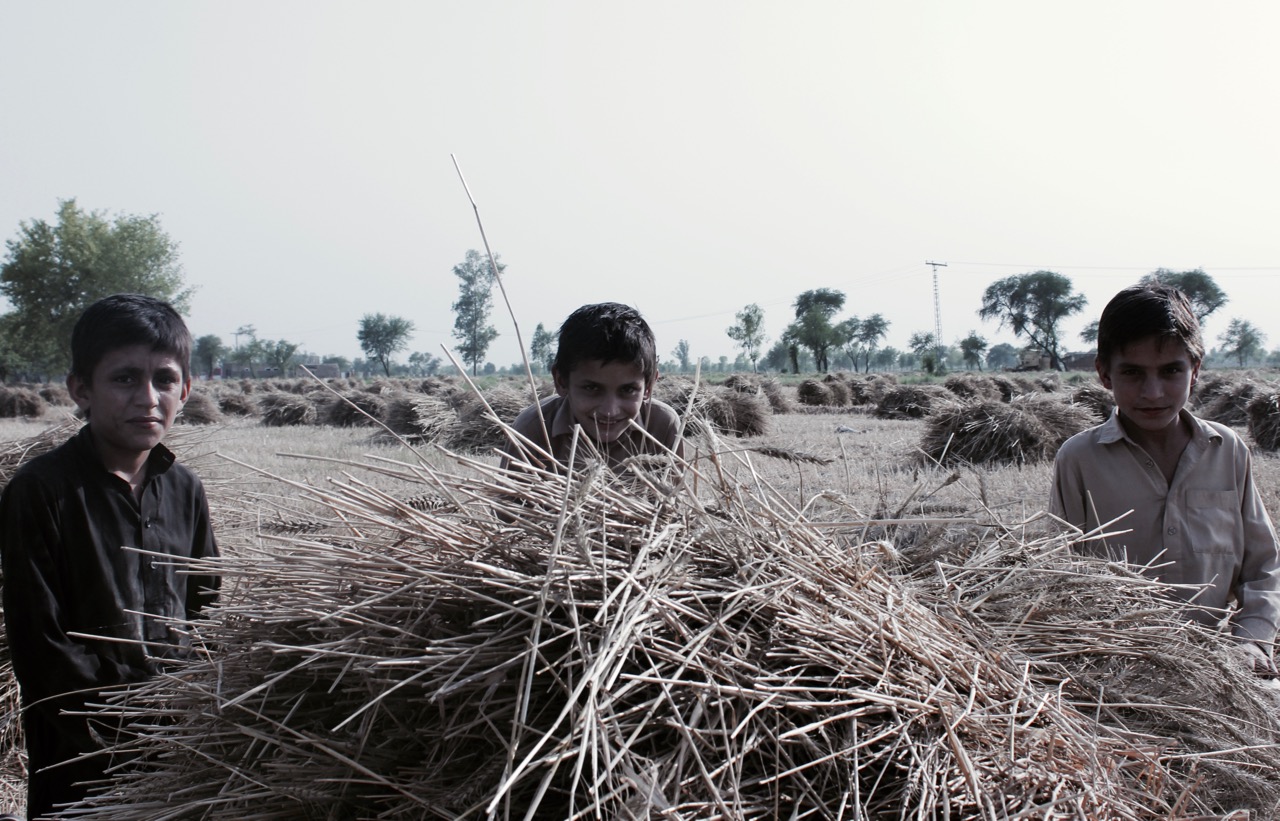
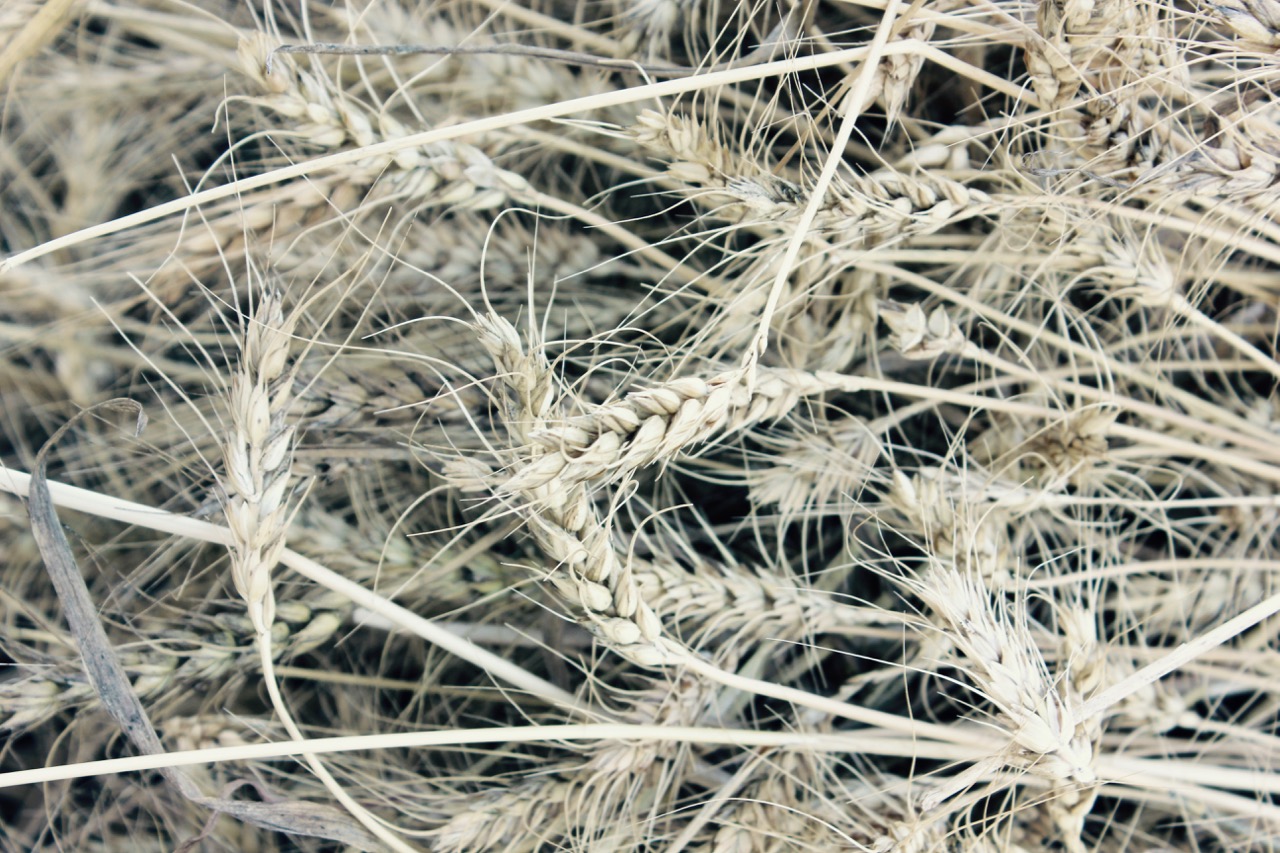
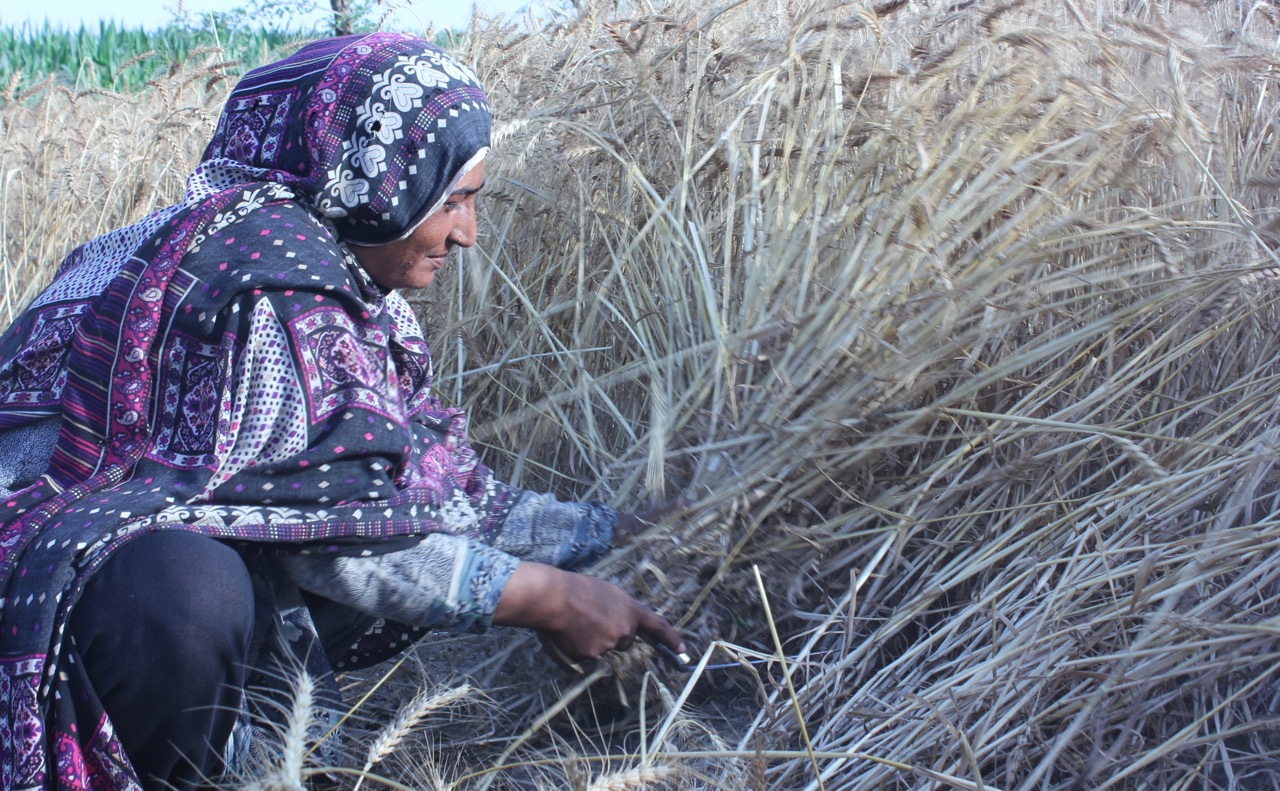
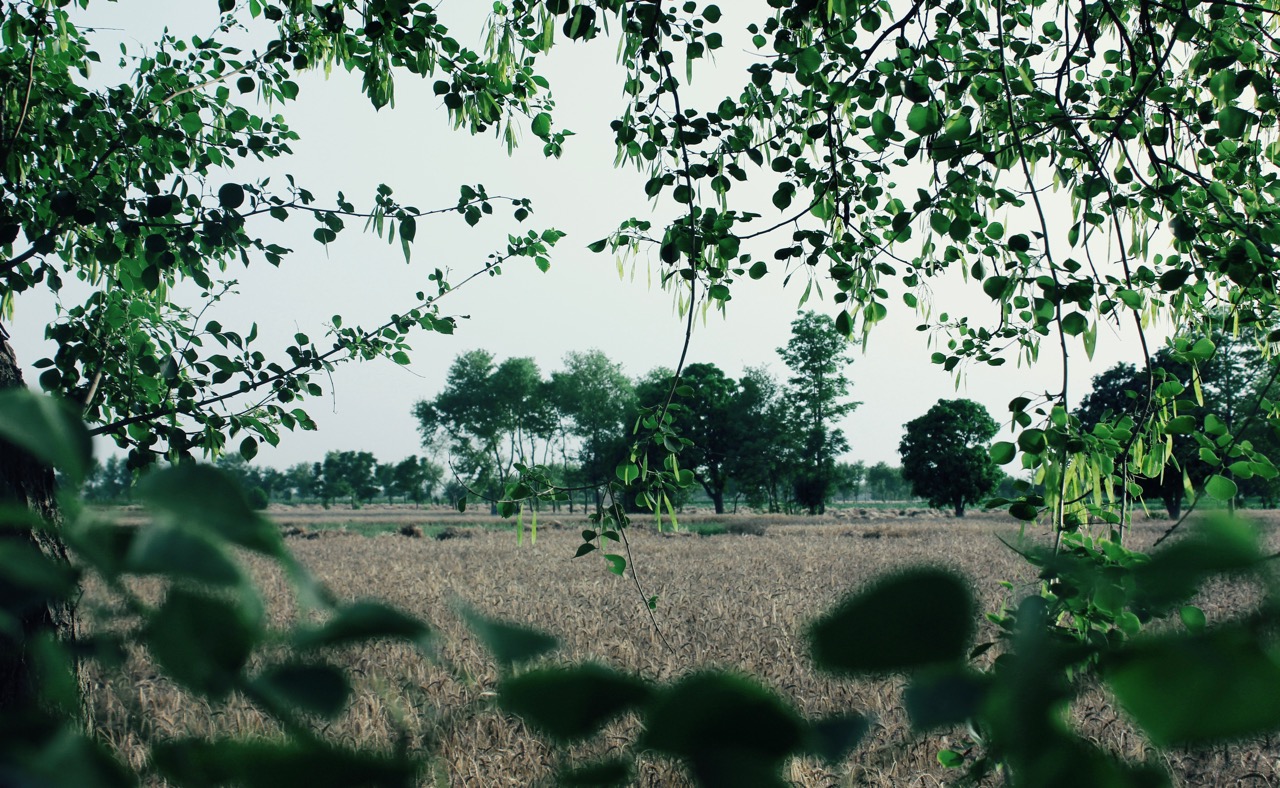
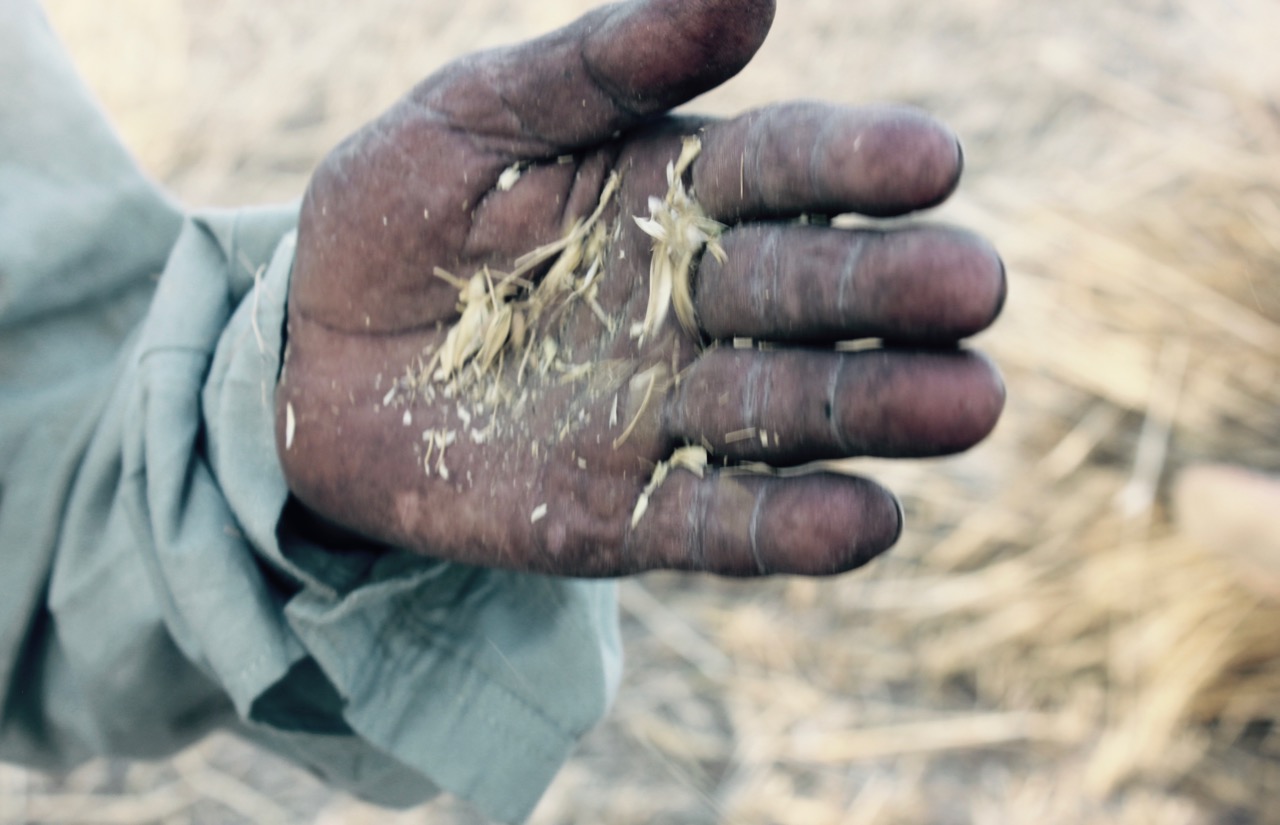
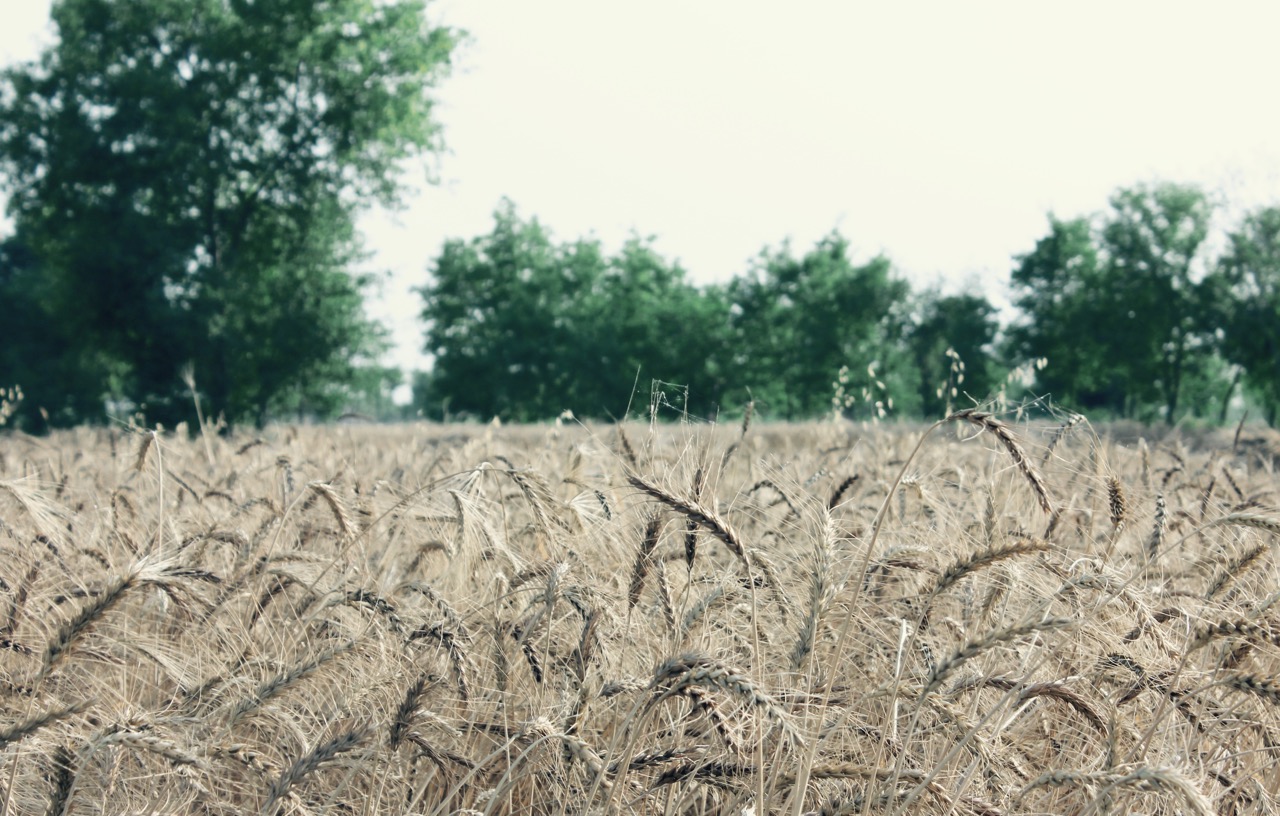
Vaisakh is traditionally the month of crop-harvesting in the Punjab region, in both India and Pakistan. Different permutations also exist in the rest of the countries. It is usually around 13th April that farmers around Punjab will start harvesting their crops and so the month is accompanied with many festivities. Harvesting wheat is the traditional crop that has come to symbolise the month of Vaisakh. The festival of Vaisakhi is an ancient tradition of the Punjab region and while it used to be celebrated throughout undivided Punjabi with village melas or fairs, it is now mostly associated with the Sikh community. For the Sikhs, it marks the birth of the Khalsa, when the 10th Guru, Gobind Singh, laid the foundation of the Khalsa Panth and asked for the five Sikhs to be the first that were formally initiated and baptised into the faith in 1699.

Another important historical event that coincided with Vaiskahi was the Jallianwala Bagh massacre. Thousands of people were gathered in the Jallianwala Bagh in Amritsar to celebrate the holiday and festivities of Vaisakhi. However, in the political volatile climate there was also a curfew and so General Dyer and his troops opened fire on the crowd who were effectively trapped in the public garden complex that only had one exit. Officially 379 people died, unofficially it was closer to 1000 casualties. This is often seen as the beginning of the end of the British Empire in India.

While the month of Vaisakh is still culturally significant on both sides of the border, the religious association means that it has lost some of its importance in Pakistan. The pictures above were taken during a trip to Sahiwal where harvesting wheat was in full flow.

Gurdwara Panja Sahib

Gurdwara Panja Sahib, Hasan Abdul, Pakistan, 2004. The gurdwara is revered because it has the presence of a rock believed to have the hand print of Guru Nanak.

This slideshow requires JavaScript.

Gurdwara Rori Sahib, Eminabad

Gurdwara Rori Sahib is two km from Eminabad and about 55 km north of Lahore. It is located not too far from Gujranwala and the Grand Trunk Road. The Gurdwara marks an important site, where Guru Nanak after the destruction of the town had stayed with Bhai Lalo. The plaque at the gurdwara reads, ‘This is the holy place where Guru Nanak Dev ji came in his first pilgrimage. Guru Nanak dev I came here at Bhai Laalo ji’s home (Eminabad). It was a beautiful and silent place away from city, this’s why Guru Nanak ji sat down here and was prayed the almighty god regularly.’

The gurdwara was originally constructed on a large estate of nine marabbas. This has gradually been reduced down now. The land was originally endowed to the gurdwara during Maharaja Ranjit’s period and the gurdwara’s architecture is also from this period. The location and size of the gurdwara attracted large crowds of Sikhs, particularly during the Vaisakhi festival in April. There used to be a week-long fair during this period and attracted people from all the surrounding areas. The estate left today is a reminder of the old grandeur that would have existed when there was a sizeable Sikh population prior to 1947.

The entrance to Rori Sahib is grand, imposing and awe-inspiring, with the beautiful exposed red brick. The dome work and the columns are all in cut brick work. Accompanying the gurdwara is a large sarovar, which when I revisited the gurdwara ten years later, the water had evaporated.

Below are some of the pictures from when I first visited the gurdwara in 2006 and then most recently in October 2016.

Rori Sahib pictures from 2006.


Rori Sahib revisited in 2016.

Guru ka langar

Langar at Gurdwara Pehli Patshahi and small motif from Gurdwara Janam Asthan Sri Guru Ram Das. Both located in Lahore, Pakistan.

Gurdwara Pehli Patshahi is located inside Delhi Darwaza The gurdwara where Guru Ram Das was born is the location of his ancestral house. Both these gurdwaras are relatively good condition compared to others.