Tag Archives: poetry

Mottled Dawn – Subh-e Azadi

© 2020 Pippa Virdee

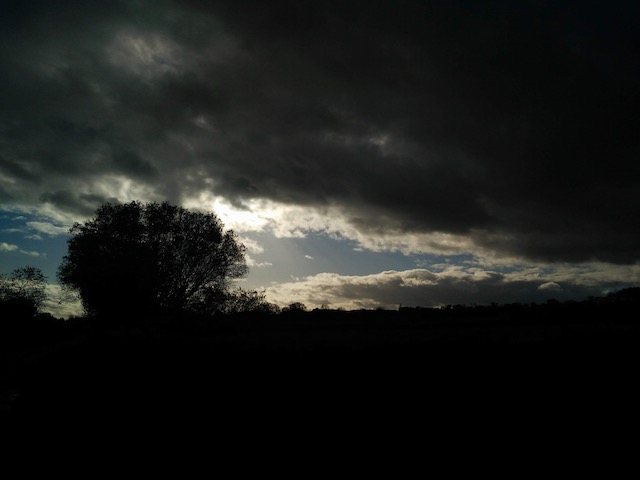
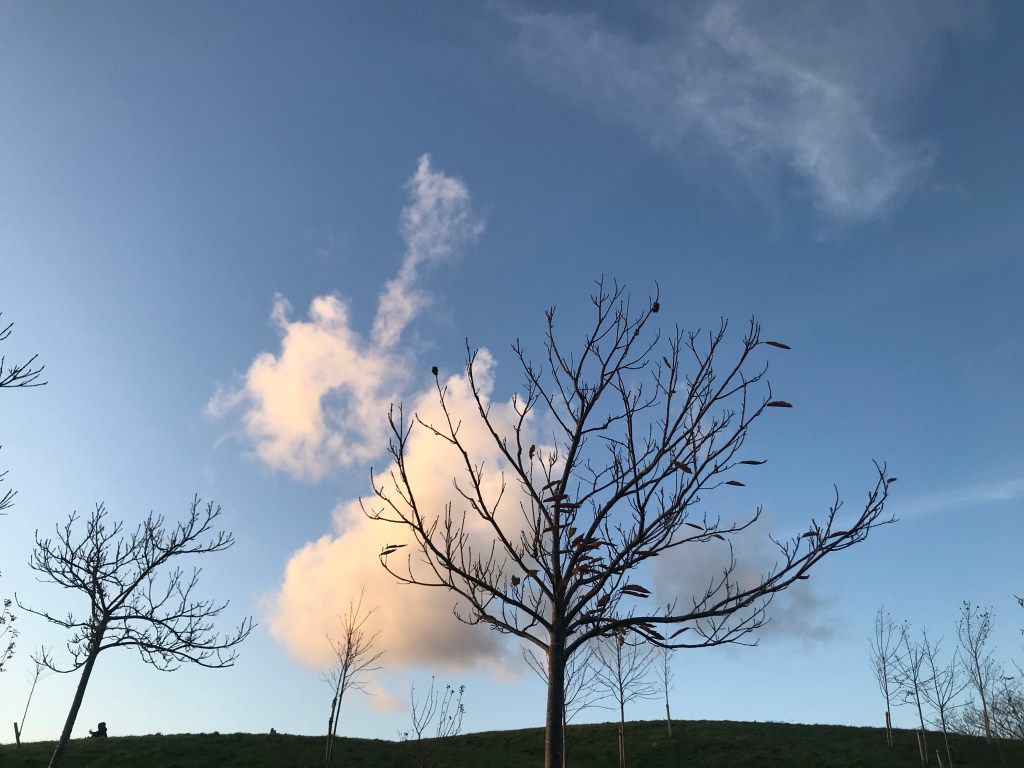
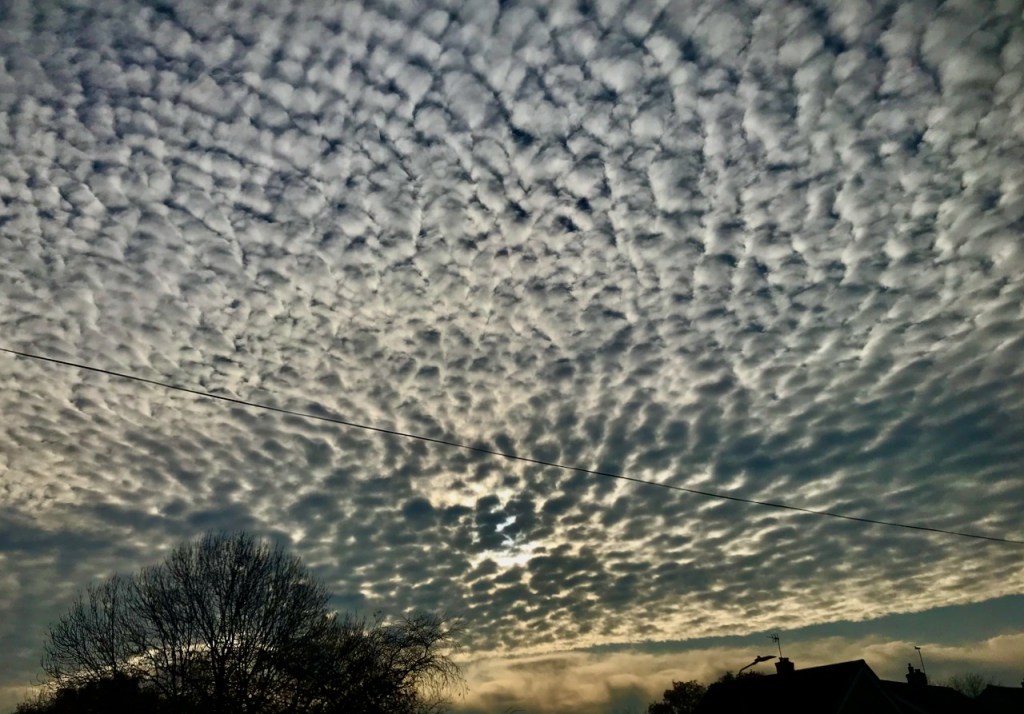
This post is inspired by the sky outside, which immediately reminded me of Manto’s Mottled Dawn. Saadat Hasan Manto, born in Samrala, Ludhiana, is considered one of the most iconic Urdu writers of the twentieth century. He lived in Bombay until 1948 and worked as a successful screenplay writer for the film industry, but even he finally relented and left India for Pakistan. Khalid Hasan writes, “Manto left Bombay, a city that he loved and a city that he yearned for until his dying day, soon after Partition. He felt deeply disturbed by the intolerance and distrust that he found sprouting like poison weed everywhere, even in the world of cinema. He could not accept the fact that suddenly some people saw him not as Saadat Hasan but as a Muslim.” Mottled Dawn: Fifty Sketches and Stories of Partition (Intro. Daniyal Mueenuddin and trans. Khalid Hasan, Penguin Modern classics), brings together stories of dark humour and horror, powerfully capturing the tragedy of Partition. The book begins with the opening lines of Faiz Ahmed Faiz’s Subh-e Azadi – Mottled Dawn.

Below is the full poem by Faiz, courtesy of Penguin.

Subh‐e Azadi
Yeh daagh daagh ujaalaa, yeh shab gazidaa seher
Woh intezaar tha jiska, yeh woh seher to nahin
Yeh woh seher to nahin, jis ki aarzoo lekar
Chale the yaar ki mil jaayegi kahin na kahin
Falak ke dasht mein taaron ki aakhri manzil
Kahin to hogaa shab-e-sust mauj ka saahil
Kahin to jaa ke rukegaa safinaa-e-gham-e-dil
 
Jawaan lahu ki pur-asraar shahraahon se
Chale jo yaar to daaman pe kitne haath pade
Dayaar-e-husn ki besabr kwaabgaahon se
Pukaarti rahi baahein, badan bulaate rahe
Bahut aziz thi lekin rukh-e-seher ki lagan
Bahut qareen tha haseenaa-e-noor ka daaman
Subuk subuk thi tamanna, dabi dabi thi thakan

Suna hai, ho bhi chukaa hai firaaq-e-zulmat-o-noor
Suna hai, ho bhi chukaa hai wisaal-e-manzil-o-gaam
Badal chukaa hai bahut ehl-e-dard ka dastoor
Nishaat-e-wasl halaal, o azaab-e-hijr haraam

Jigar ki aag, nazar ki umang, dil ki jalan
Kisi pe chaaraa-e-hijraan ka kuch asar hi nahin
Kahaan se aayi nigaar-e-sabaa, kidhar ko gayi
Abhi charaag-e-sar-e-raah ko kuch khabar hi nahin
Abhi garaani-e-shab mein kami nahin aayi
Najaat-e-deedaa-o-dil ki ghadi nahin aayi
Chale chalo ki woh manzil abhi nahin aayi
 —Faiz Ahmed Faiz

The Dawn of Freedom, August 1947
This light, smeared and spotted, this night‐bitten dawn
This isn’t surely the dawn we waited for so eagerly
This isn’t surely the dawn with whose desire cradled in our hearts
 
We had set out, friends all, hoping
We should somewhere find the final destination
Of the stars in the forests of heaven
The slow‐rolling night must have a shore somewhere
The boat of the afflicted heart’s grieving will drop anchor somewhere
When, from the mysterious paths of youth’s hot blood
The young fellows moved out
Numerous were the hands that rose to clutch
the hems of their garments,
Open arms called, bodies entreated
From the impatient bedchambers of beauty—
 
But the yearning for the dawn’s face was too dear
The hem of the radiant beauty’s garment was very close
The load of desire wasn’t too heavy
Exhaustion lay somewhere on the margin
 
It’s said the darkness has been cleft from light already
It’s said the journeying feet have found union
with the destination
The protocols of those who held the pain in their
hearts have changed now
Joy of union—yes; agony of separation—forbidden!
 
The burning of the liver, the eyes’ eagerness, the heart’s grief
Remain unaffected by this cure for disunion’s pain;
From where did the beloved, the morning breeze come?
Where did it go?
 
The street‐lamp at the edge of the road has no notion yet
The weight of the night hasn’t lifted yet
The moment for the emancipation of the eyes
and the heart hasn’t come yet
Let’s go on, we haven’t reached the destination yet
—Translated by Baran Farooqui

Kala/Black

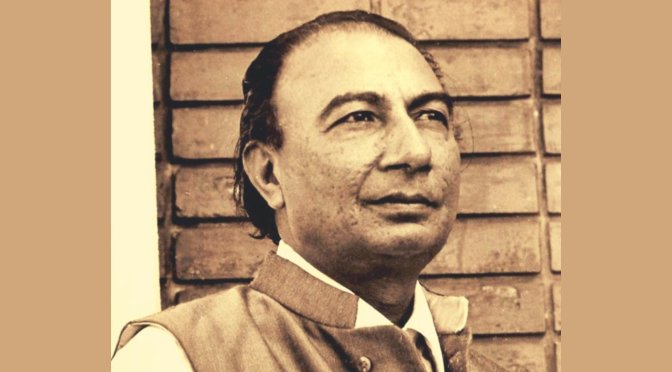
Saifuddin Saif was born in Amritsar in 1922. He wrote some very powerful poems during his college days. He was always inclined towards writing for films, but the films for which he had written lyrics before partition were not released due to the unfavorable conditions in the subcontinent. Saif penned songs for Teri Yaad (1948) which was the first film to be released in Pakistan and received admiration for the freshness of his poetry. (courtesy of Rekta: https://www.rekhta.org/Poets/saifuddin-saif/profile)

For the lyrics of Chandni Raat: https://www.rekhta.org/ghazals/chaandnii-raat-badii-der-ke-baad-aaii-hai-saifuddin-saif-ghazals

Read about Ali Sethi’s version of Chandni Raat, which has the lyrics plus a translation in English: https://dilliwaliblog.wordpress.com/2019/03/03/chandni-raat-ali-sethi/

Sahir Ludhianvi and the anguish of Nehruvian India

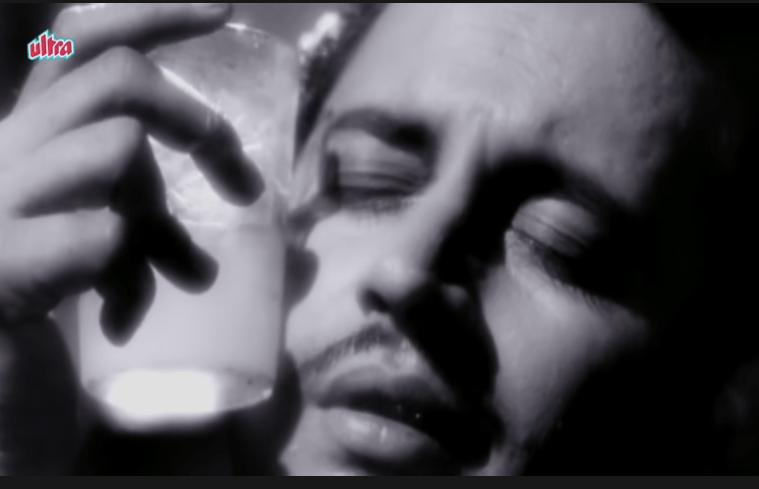
This song/poem written by Sahir Ludhianvi for the film Pyaasa, starring Guru Dutt, has as much relevance today as it did in 1957 at the height of the Nehruvian age. The lyrics and translation below are courtesy of Proud Indians, Are We? – Jinhe Naaz Hai Hind Par – Pyaasa By Deepa.

It is also worth reading the broader article, which is on Guru Dutt, “a man clearly ahead of his time.” Follow link for the song via YouTube. Make sure if you listen to any other versions that it has the last Antara of the song, which has been cut in some versions.

Ye kooche ye nilaam ghar dilkashi ke
Ye lutate huye caravan zindagi ke
Kahaan hain kahan hain muhafiz khudi ke
Jinhe naaz hai hind par wo kahaan hain
Kahaan hain kahaan hain kahaan hain

Look at these lanes, alluring houses which are up for sale/auction everyday. Look at these robbed caravans of life. Where are those protectors of self respect and pride? Where are those who say we are proud Indians? What are you exactly proud of?

Ye purpech galiyaan ye badnaam bazaar
Ye gumnaam raahi ye sikkon ki jhankaar
Ye ismat ke saude ye saudon pe taqraar
Jinhe naaz hai hind par wo kahaan hain
Kahaan hain kahaan hain kahaan hain

These complicated streets, these defamed, scandalized markets. The unknown pedestrians who walk in anytime with bagful of money. This trade of honour and chastity followed by the bargains of the same. Are we Indians proud for this? Where are those who say this?

Ye sadiyon se bekhauf sehmi si galiyaan
Ye masli huyi adhkhili zard kaliyaan
Ye bikti huyi khokhli rangraliyaan
Jinhe naaz hai hind par wo kahaan hain
Kahaan hain kahaan hain kahaan hain

These lanes which for years have been under pressure of fear, distress, angst. This place where the pale half blossomed buds are crushed (referring to young girls who fall prey to the flesh trade). The hollow festivities which are sold in this market. Show all this to those who say, they are proud of this country. Where are those people?

Wo ujle darichon mein paayal ki chhan chhan
Thaki haari saanson pe table ki dhandhan
Ye berooh kamron mein khaansi ki thanthan
Jinhe naaz hai hind par wo kahaan hain
Kahaan hain kahaan hain kahaan hain

The sound of the trinkets, anklets which come from the shimmering windows. Those tired, ill heartbeats which try to keep pace with the pace. This soul less room which filled with the unpleasant sound of coughing. For those who say they are proud Indians, please come and see this.

Ye phoolon ke gajre ye pikon ke chhinte
Ye bebaak nazrein ye gustaakh fiqrein
Ye dhalke badan aur ye bimar chehre
Jinhe naaz hai hind par wo kahaan hain
Kahaan hain kahaan hain kahaan hain

The flowers, the garlands, the stains of betel juice. The bold stares, the blunt, audacious comments. The deteriorating, decaying bodies and weak faces. Look at them, those who say, they are proud of their country.

Yahan piir bhi aa chuke hain jawaan bhi
Tanaumand bete bhi abba miyaan bhi
Ye biwi bhi hai aur behan bhi hai maa bhi
Jinhe naaz hai hind par wo kahaan hain
Kahaan hain kahaan hain kahaan hain

The ambassadors of religion, the young and the old, the sons and the fathers, all are regular visitors to this place. Here you will find someone’s wife, someone’s sister or mother too. Come and have a look at this place. Will this place make you proud?

Madad chaahti hai ye hawwa ki beti
Yashoda ki hamjins Radha ki beti
Payambar ki ummat Zulaykha ki beti
Jinhe naaz hai hind par wo kahaan hain
Kahaan hain kahaan hain kahaan hain

The girls, women here need help. They are no different from Eve, Yashoda, Radha, Zulaykha who are seen with regard and respect. Come and help them, they need you.

Zara mulk ke rahbaron ko bulaao
Ye kooche ye galiyaan ye manzar dikhaao
Jinhe naaz hai hind par unko laao
Jinhe naaz hai hind par wo kahaan hain
Kahaan hain kahaan hain kahaan hain

Someone please call the so called guides, leaders of the country. Show them these lanes, show them this miserable scene. Call them those who say they are proud of their country. Where are they?
Hara/Green

Habib Jalib was born in 1928 in Hoshiarpur, East Punjab. He migrated to Pakistan after partition and worked as a proof reader in Daily Imroze, Karachi. Read further about him: https://www.letsstartthinking.org/Pakistan/personalities/habib-jalib.php. All his poetry is available via Rekhta. Below is the poem Bagiya Lahoo Luhan-The Garden Is A Bloody Mess. The poem is about the oppression in East Pakistan in 1971 but unfortunately it continues to resonate, even today.

Bagiya Lahoo Luhan
Haryali ko aankhen tarsen bagiya lahoo luhan
Pyar ke geet sunaoon kis ko shehar hue weeran
Bagiya lahoo luhan 

Dasti hain suraj ki kirnen chand jalaye jaan
Pag pag maut ke gehre saye jeewan maut saman
Charon ore hawa phirti hai le kar teer Kaman
Bagiya lahoo luhan 

Chhalni hain kaliyon ke seeney khoon mein lat paat
Aur nahjaney kab tak hogi ashkon ki barsaat
Dunya walon kab beeteinge dukh ke yeh din raat
Khoon se holi khel rahe hain dharti ke balwan
Bagiya lahoo luhan
The Garden Is A Bloody Mess 
Our eyes yearn for greenery
The garden is a bloody mess
For whom should I sing my songs of love
The cities are all a wilderness
The garden is a bloody mess

The rays of the sun, they sting
Moonbeams are a killing field, no less
Deep shadows of death hover at every step
Life wears a skull and bone dress
All around the air is on prowl
With bows and arrows, in full harness
The garden is a bloody mess 

The battered buds are like a sieve
The leaves drenched in blood smears
Who knows, for how long
We’ll have this rain of tears
People how long do we have to bear
These days and nights of sorrow and distress
This oppressor’s blood bath is a frolicsome play
For the mighty of the world, a mark of their prowess
The garden is a bloody mess 

Source: Revolutionary Democracy

Laal/Red

“In 1949, while in Lahore, Sahir Ludhianvi wrote a revolutionary poem, ‘Avaaz-e-Adam’ (The Voice of Man), in which ‘hum bhi dekhenge’ remains a memorable phrase. It ended on the optimistic – and one could say provocative – assertion that the red flag of communism would fly high. Pakistan had already decided to become a frontline state in Western attempts to contain Soviet Communism. It was trying desperately to convince the US that it could be a strong ally in its anti-Communism policy. Pakistan also wanted to portray itself as a trusted ally for the West, not just in South Asia but also in the Middle East. But after the poem was published, Sahir was threatened by intelligence agencies and he migrated to India. In effect, ‘hum bhi dekhenge’ came to symbolise Sahir’s farewell to Pakistan, which he felt would be a puppet of the West, and his search for sanctuary in Nehru’s India.” Source: The Wire.

© 2019 Pippa Virdee
aavaaz-e-aadam
Dabegi kab talak aavaaz-e-Aadam hum bhi dekhenge
rukenge kab talak jazbaat-e-barham hum bhi dekhenge
chalo yoonhi sahi ye jaur-e-paiham hum bhi dekhenge

dar-e-zindaan se dekhen ya urooj-e-daar se dekhen
tumhen rusva sar-e-bazaar-e-aalam hum bhi dekhenge
zara dam lo maal-e-shaukat-e-jam hum bhi dekhenge

ye zoam-e-quvvat-e-faulaad-o-aahan dekh lo tum bhi
ba-faiz-e-jazba-e-imaan-e-mohkam hum bhi dekhenge
jabeen-e-kaj-kulaahi ḳhaak par ḳham hum bhi dekhenge

mukaafaat-e-amal tareeḳh-e-insaan ki rivaayat hai
karoge kab talak naavak faraaham hum bhi dekhenge
kahaan tak hai tumhaare zulm mein dam hum bhi dekhenge

ye hangaam-e-vidaa-e-shab hai ai zulmat ke farzando
sahar ke dosh par gulnaar parcham hum bhi dekhenge
tumhen bhi dekhna hoga ye aalam hum bhi dekhenge
The Voice of Man
We too shall see till when one can suppress the voice of Adam
We too shall see till when can be stopped the angry emotion(s)
We too shall see, sure, just like this, the constant oppression.

Whether we view from the door of the dungeon or the elevation of the scaffold
We too shall see you dishonoured in the marketplace of the world
Just take a moment’s breath, we too shall see the consequences of the grandeur of Jamshed.

You too behold this vanity of power
We too shall see this by the kindness of the firm belief’s fervour
We too shall see a bend upon the dusty face that wears the jaunty headgear.

Retribution is a tradition of human history
Till when will you amass the arrows, we too shall see
We too shall see how far will you persist with your tyranny.

O sons of darkness this is the time for departure
We too shall see the morning shoulder the flag of red colour
We too shall see, you too shall have to see this clamour.

Source: ‘We Too Shall See, You Too Will Have to See This Clamour’: A Tribute To Sahir Ludhianvi by Raza Naeem, NayaDaur

Read/listen to Sahir on Rekhta

Sahir Ludhianvi – Making of Dreamer – Freudian Poet of the Indian Cinema by Anil Pundlik Gokhale. CounterCurrents.org

Speaking Easy: Allama Iqbal’s Grandson – Yousaf Salahuddin

via Speaking Easy: Allama Iqbal’s Grandson – Yousaf Salahuddin – on his Current Project and the Future of Art and Culture in Pakistan

Originally published 5 Sept 2012 but relevant today.

If you want to read further also see this article in The Friday Times by Muhammad Asif Nawaz, The old world charms of Mian Salli, originally published 25 July 2014.

Remembering Faiz: thirty-five years on…

When Faiz passed away at the age of 73, Dawn described him as:

The greatest Urdu poet of his time, Faiz became a legend in his lifetime for his intrepid struggle against what he himself once described as “the dark and dastardly superstitions of centuries untold”. He understood the agony of the dispossessed and the disinherited and he sang of them and for them to the last.

While these songs and poems need no introduction, he also wrote enduring prose. On his 35th death anniversary, pasted below are some selections:

‘The Role of the Artist’, Ravi (Lahore) 1982:

‘Who are we – we the writer, poets and artists and what can we contribute, if anything, to avert the moral calamities threatening mankind? We are the offspring, in the direct line of descent of the magicians and the sorcerers and music makers of old…They found for the hopes and fears of their people, for their dreams and longings, words and music that the people could not find for themselves. And by blending their collective will to a desired end, they would sometime make the dream come true…In our part of the world through long centuries…the magician of old became the post-mystic or the mystic poet, the forerunner of the modern humanist, who defied both emperor and priest to articulate the ills and afflictions of his fellow beings, to expose the injustices of their masters and their master’s collaborators, who taught them to believe in, and fight for, justice, beauty, goodness and truth, irrespective of personal loss and gain…So that is who we are, inheritors of this magic…And never was the power of this magic more devoutly to be wished than in the world of today when so many powerful agencies are at work to deny the validity of all ethical human values, to obliterate all refinements of human feeling…by extolling cynicism, insensitivity and brutishness as the hallmark of a he-man and a she-woman…’

Source: Coming Back Home: Selected Articles, Editorials and Interviews of Faiz Ahmed Faiz, compiled by Sheema Majeed, introduction by Khalid Hasan, Karachi: OUP, 2008, pp. 40-1.


‘The Writer’s Choice’:

‘Literature like science is a social activity…Literature unfolds in a similar fashion…the unexplored or dimly lit complexities of social reality, the given human situation of a given time. The impact…however, more insidious, more subtle and at the same time more direct…. The writer is directly manipulative and formative of the consciousness of the audience…He cannot plead, therefore, that he is unaware of, or unconcerned with, social implications…A writer may be tempted, coerced or bribed [by] vested interests to ignore, emasculate, or pervert the basic realities of social existence under various specious pretences, ‘pure’ literature, art for art’s sake, ‘pure’ entertainment etc., a mechanistic repudiation of these ‘purities’, however, poses another danger. In creative writing to ignore the demands and essentials of artistic creation can be inexcusable, although perhaps not as reprehensible, as the moral and social imperatives of reality. It is but another form of escapism…There is still considerable confusion in most African and Asian countries regarding the function of literature, the role of the writer and the modalities of literary expression. This confusion is partly a legacy of the colonial past, partly a recent import as a product of neo-colonialism…Whatever his social status, his intellect and education will automatically place him in the ranks of the elite minority…He will be called upon to make a choice of his audience – to write for his own class or to transcend the class barriers…’

Source: Coming Back Home: Selected Articles, Editorials and Interviews of Faiz Ahmed Faiz, compiled by Sheema Majeed, introduction by Khalid Hasan, Karachi: OUP, 2008, pp. 43-4.


‘Decolonizing Literature’:

‘When the process of colonial occupation got underway in Asia and Africa the literature and languages of the subject peoples were among the first victims of foreign cultural aggression. Its impact hit different communities in different ways depending on their level of social and cultural development, thus confronting each one of them with a different set of dilemmas in their quest for identity after liberation…(1) The study of Asian and African literatures should be incorporated in the relevant schemes of higher learning…Even language teaching in European languages need no longer be confined to European authors. (2) …publication and marketing of important Afro-Asian writings in still the monopoly of a few Western publishing houses…such publications are only marginal to their main business interests…The high cost of Western publications is another inhibiting factor…Efforts are needed for a re-orientation of the publication trade in Asian and African countries. (3) For many Asian and African writers, ‘international recognition’ still means some notice by the Western media. Some of them are thus induced to set their sights while writing on Western rather than their national readership…There are enough nations in Asia and Africa to make any writer ‘international’ without any Western certification…This needs some rectification not only in the outlook of the writer, but also of his readers’.

Source: Coming Back Home: Selected Articles, Editorials and Interviews of Faiz Ahmed Faiz, compiled by Sheema Majeed, introduction by Khalid Hasan, Karachi: OUP, 2008, pp. 49-52.


Cherry Blossom Season

Cherry Blossom

Pink Cherry blossom falling,

I often wonder why,

a beauty slowly taken

like branches now forsaken

I am the tree

that learned to cry.

Farewell my love,

to fallen love,

the wind became

your words,

the emptiness

between us,

the silent petals

upon the earth.

By Michael Faudet