Tag Archives: history

The Politics of Partition and its Memory


Now that the euphoria over independence day “celebrations” and remembering partition are over, it is worthwhile remembering that it was in fact today, 70 years ago, that the Radcliffe Line was made public. Millions of people woke up on 15 August not knowing which side of border they would be on, today their fate was sealed. Sitting in Delhi on this day, having seen the way both Pakistan and India remember 14/15 August 1947, it is a stark reminder of how chaotic this process must have been.

The month of August in the sub-continent is when the monsoon rains gush down intermittently. The heavy rains leave places incapacitated due to the deluge that falls. Even today, where there is improved drainage, the monsoon rains have the capacity to bring towns and cities to a standstill. So, thinking about this back in August 1947, it is staggering to think that the last Viceroy, Louis Mountbatten, decided that 15 August would be the date for independence. The date was chosen because it coincided with the date when Japan surrendered after it was devastated by the nuclear bombs in Hiroshima and Nagasaki. Mountbatten was clearly sentimental about the date because he was Supreme Allied Commander of South-East Asia when Japan surrendered. But he also failed to show any foresight when it came to the sub-continent. All the leaders failed to anticipate that millions of people would be engulfed by violence and thus forced to flee and that too in the difficult month of August. This only added further to their misery and fuelled diseases in refugee camps. It must be kept in mind that the violence that was unleashed in August 1947 was not an isolated incident, it was a culmination and continuation of previous episodes of horrific communal/political violence in which many lost their lives and were displaced. It was thus not entirely unexpected, nor was it just spontaneous.

The British media (TV, Radio and Print) has decided to cover partition/independence extensively and interestingly for this decennial anniversary they have been giving full coverage to the voices of ordinary people. The BBC has had a full season of programmes (one of which I contributed to) devoted to India and Pakistan at 70. I have personally spent the last sixteen years working on partition and its wider impact on the Punjab region, so the ordinary voices are not new to me. In fact, this trend in scholarship has been evolving and growing for the past twenty years. What is sobering is how the coverage has differed in India, Pakistan and the UK. I can only speak about these three because I know them well and they were of course at the epicentre of this.

While there is still a huge gap in our understanding of empire and its consequences, these programmes are important in reaching out to ordinary citizens, to educate, to inform, to illuminate the travesty of empire and its end. They also serve as important markers of remembering, but that alone is not enough. Which is why being in India/Pakistan during the days of August has been important. It highlights the disparity between the diaspora and those who live here. Capturing and sharing the narratives of survivors is important but from an academic perspective, what do these voices mean, what do they tell us, why are they still relevant? The memorialisation of this memory and how it tells this story is also significant. There is little worth in collecting hundreds and thousands of accounts by survivors if this is not contextualised or critically framed in the existing historiography. A simple account of someone’s life and their experiences is important but what about beyond that? What lessons can we take from this?

And our politicians are still in the business of selling a myth of a glorious past and a dream for the future. It is that future which needs to be critically examined in relation to the previous seventy years. Pakistan today seems fragile as ever but (and more importantly its people) it is a resilient country. For the best part of the last seventy years Pakistan has been swinging between military dictatorship and democratic rule, while India, largely a democracy, has been busy playing and expanding upon the Hindutva card. A future in which we see a further entrenchment of Islamic Pakistan and Hindu India is entirely possible and while not a recent development, it does need to be contextualised firstly in colonial history and secondly in the how the developments of the past seventy years led to this. Of concern for everyone should be that in this vision to be exclusively majoritarian, both India and Pakistan would lose an asset: its significant minorities. The diversity in all its richness is what makes these countries vibrant and valuable, they should be celebrated rather than suppressed and targeted. And so, seventy years on, while we remember the people who suffered in the great partition, let us not forget that there a battle going on today for the hearts and minds of people. Which is why it is seemingly more poignant being here in the sub-continent at this moment because it is a reminder of the unfinished business of azaadi beyond empire.

Freedom and Fear: India and Pakistan at 70

IMG_1949
© 2014 Pippa Virdee

In the midst of the monsoon of August 1947, British India ceased to be and gave way to two independent nations. The logic of this Partition being religious and regional, the older and larger India was reinforced as a Hindu majoritarian society, while the newer and smaller Pakistan emerged as an Islamic country. No Partitions are total and absolute but this one was especially terrible and ambiguous and left a little less-or-more than 20% religious minority population on both sides. Moreover, it created two wings of Pakistan with a hostile Indian body-politic in the midst.

This event was not entirely of sub-continental making. The British Empire in Asia had begun to crack at the hands of the Japanese army during World War Two, most spectacularly with the fall of Singapore in February 1942, and crumbled in South Asia afterwards. Along with India and Pakistan, the-then Burma and Ceylon (both 1948) too emerged independent at this time. All this was to bring about many changes, both internally in India and internationally. Europe, the ravaged battlefield of the World Wars, ceased to be the centre of the Western world, with political and economic power shifting decisively to the former Soviet Union and the United States, representing two contrasting and conflicting ideological visions for the post-1945 world.

The end of the British rule in South Asia happened alongside the emergence of this conflict, christened the Cold War. The road to freedom and partition of India and creation of Pakistan was a long one and accompanied with fundamental social, economic and political changes. From the mutiny of 1857 from Calcutta to Delhi to the massacre of 1919 in Jallianwala Bagh, Amritsar, from the formation of the Indian National Congress in 1885 to the establishment of the All-India Muslim League in 1906, from fighting for King and country in two World Wars to seeking self-rule in the inter-war years, and, from the development of an elaborate civil and military bureaucratic and infrastructural apparatus and a space for provincial politics, all these were to completely transform Indian society.

Read the complete article via: http://magazine.thediplomat.com/#/issues/-Kq0QJtC_OQiU3Dy0tQ6 

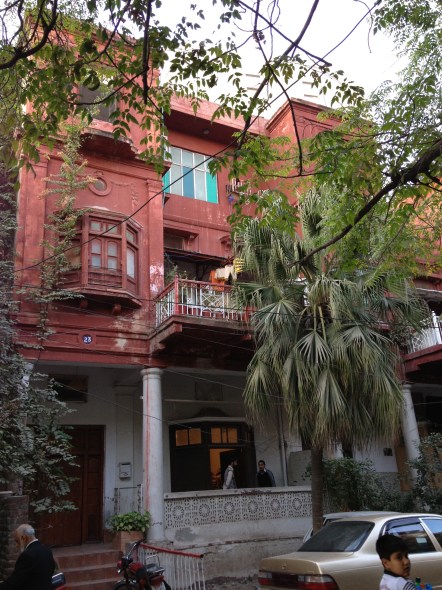
23 Sir Ganga Ram Mansion: The house of Amrita Sher-Gil

No 23 Sir Ganga Ram

A few years back I had the pleasure of wondering around and exploring the old city remnants of Lahore, accompanied by Najum Latif, a migrant of 1947 and resident of the Androon Shehr. We start off where he lives, Sir Ganga Ram Mansion located just behind The Mall and a hidden gem of the who’s who in the history of Lahore’s former life. In its heyday of the 1930s, Lahore was a cultural centre for North India and writers such as Khushwant Singh and the artist like Abdur Rahman Chughtai (and a friend of Amrita Sher-Gil’s father) lived nearby. Only a few doors away from Latif’s house was where Amrita Sher-Gil rented an apartment with her husband, Dr Victor Egan. When Latif was growing up he was a frequent visitor to No 23, at the time he was unaware that Sher-Gil, the great Punjabi-Hungarian painter once lived there.

Sher-Gil was born in 1913 in Budapest, her father was the aristocratic landlord Sardar Umrao Singh Majitha and her mother a Hungarian opera singer. Educated in Paris, she took to the bohemian lifestyle of the Parisian art scene that allowed her to express herself truly. European in style, yet her paintings also reflect the multiple layers and textures of her own life and identity. Influenced by the work of Paul Cezanne, Amedeo Modigliani and Paul Gaugain, she later looked to India for inspiration, trying to fuse these two together. After spending four years in Paris, Amrita decided to return to India. She noted that, “My professor had often said that, judging by the richness of my colouring, I was not really in my element in the grey studios of the West, that my artistic personality would find its true atmosphere in the colour and light of the East” (Rizvi). During her time in India, she painted scenes from India, learning new techniques and getting inspiration from the breath of the sub-continent. Today she is considered one of the most important Indian painters of the 20th Century and certainly one of the most expensive female painters in India.

She was only 28 when died at 23 Sir Ganga Ram Mansion apartments, where she spent the last few months of her life. Her husband had a clinic on the ground floor and she painted upstairs, where they also lived. She first came to Lahore in 1937 from Paris when her work was exhibited at the famous Faletti’s Hotel. It was a resounding success and challenged the status quo of the art world. In September 1941 she came to Lahore so that she could plan for her solo exhibition in December; this never happened as she was suddenly taken ill and died in a matter of days. The planned discussion between Abdur Rahman Chugtai and Amrita Sher-Gil never happened and instead the exhibition opened but posthumously. Most of these works are now located in the National Gallery of Modern Art in New Delhi.

Amrita Sher-Gil still remains an enigma in death, as she was in life. The young artist was never to see the great legacy that she would leave behind and sadly few Lahoris would be aware that she once lived and worked in the great historic city. Her painting, Vina Player, still finds space in Lahore Museum but otherwise sadly her association with Lahore has all but evaporated. She was cremated on banks of the Ravi in Lahore on December 7, 1941, a river that now forms a natural boundary between India and Pakistan.

Other articles to read more about Amrita Sher-Gil:

Yours, Amrita by Dua Abbas Rizvi. http://www.thefridaytimes.com/beta3/tft/article.php?issue=20130726&page=16

Amritsar sisters posed for painter Amrita’s ‘Three Girls’ by Nirupana Dutt. http://www.hindustantimes.com/punjab/amritsar-sisters-posed-for-painter-amrita-s-three-girls/story-WsZhRAtCcX5BTMxicxcdBO.html

Chughtai’s Art Blog, http://blog.chughtaimuseum.com/?p=978

Finding Amrita in Lahore by Dalmia. http://indianexpress.com/article/opinion/columns/finding-amrita-in-lahore/

Great success in a short life. http://budapesttimes.hu/2016/01/23/great-success-in-a-short-life/

The Curious Case of Multani Mitti and the Taj Mahal

This slideshow requires JavaScript.

In 2001 Pakistan’s president General Pervez Musharraf came to Agra to hold a historic summit between India and Pakistan, with the aim of resolving some of the long-term fractious issues between the two nations. It has now been nearly 16 years since the two countries came close to finally resolving their enmity. As the talks collapsed it paved the way for the lost opportunities that both nations now lament at leisure. At the back of the Agra Summit, Musharraf also made a trip the Taj Mahal. In preparation for this trip the Taj Mahal got a face-lift, literally. Multani Mitti (mud from Multan, Pakistan where this lime-rich clay was originally found) was used to cleanse the Taj Mahal which was suffering from years of exposure to pollution and general wear and tear. Although it is less clear whether the Multani Mitti actually came from Multan. The Multani Mitti, which is effectively mud therapy and has been used for centuries as a beauty product, cleansed away the pollutants that gave the Taj Mahal more of a yellowish (dirty) appearance and now it gleams bright and white. In a recent visit to the Taj Mahal, the process of cleaning the historic site continues, slowly and painstakingly. Despite the hundreds of daily visitors looking for the perfect picture at the Taj Mahal, they have to suffice with the scaffolding.

For me a visit to Agra is incomplete without also paying homage to Fatehpur Sikri, the city founded in 1569 by the Mughal Emperor Akbar, which also served as the capital of the great empire from 1571-1585. Akbar choose the site to honour the Sufi Saint Salim Chishti (his shrine overlooks the capital city complex) and took great care in the vision and architecture of the capital, sadly once finished the complex was difficult to sustain due to the shortage of water into the city. One of the most architecturally rich pieces in the Diwan-i-Khas, hall of private audience, is the octagonal pillar, encompassing the secular, open and embracing vision that Akbar had for the new capital. The pillar brings together different architectural designs (see picture) highlighting his own interest in inter-faith dialogue. And it is here that Akbar apparently held his many theological discussions.

What was apparent in visiting the Taj Mahal and Fatehpur Sikri in the same day was the way both sites are treated, the Taj Mahal is by far the superior site. It attracts hundreds of visitors and foreigners (and Indians if they fail to bring ID with them) pay a generous entry fee and it is a site which is promoted by the UP government extensively. Where would ‘Incredible India’ be without the presence of the Mughal built Taj Mahal. Yet for me the deserted city of Akbar is equally, if not more, significant. It is more spread out and beams with the beautifully craved red stone architecture with geometric patterns, and the extraordinary Tomb of Sheikh Salim Chisti who was a descendant of Khwaja Moinuddin Chishti of Ajmer. The Sufi Saint foretold the birth of Akbar’s son, who is named after him, Prince Salim (later Emperor Jahangir).

What connects the Multani Mitti and Agra is the myopic and selective amnesia that ‘Incredible India’ has towards its Mughal/Muslim heritage. Fatehpur Sikri is visibly less attractive as a tourist destination and visibly more ‘Muslim’ as a lived city and the Taj Mahal in its glorious white marble beauty is entirely a commercial complex and less of a tomb to Emperor Shah Jahan’s favorite wife, Mumtaz Mahal. While the irony of using Multani Mitti on the Taj Mahal to sustain Indian tourism is not lost on many, there is at the same time a marginalisation of other sites. This is of course intrinsically linked to the wider politics of identity and more importantly in terms of how the Indian state is re-affirming and re-positioning its own identity which is increasingly ‘Hindutva’ in essence and less embracing, thus moving away from Akbar’s pillar of inter-faith and tolerance. With this the hopes that President Musharraf and the Indian Prime Minister Vajpayee once bought to the tables have all but disappeared; seventy years on and we are still unable to live amicably with each other but at least we are alright with using Multani Mitti to cleanse away the superficial dirt that accumulates around us.

A (British) Indian in Lahore

This slideshow requires JavaScript.

As I leave Lahore and arrive in Amritsar there is a feeling, as always, of self-consciousness about crossing over an international border. This is a border that I have crossed many times but surprises me every time. The experiences on the whole have nearly always been courteous. On a personal level the staff, the Pakistani Rangers and the Indian Border Security Force, have been polite, sometimes engaging but nearly always looking at me with some uncertainty, unable to quite place me. Since September 2016, when the Indian security forces were attacked in Uri, relations between India and Pakistan have continued to decline. This inevitably leads to the fall in the foot traffic at the Wagha-Attari border crossing. By default it means the porters have little or no work. It is the ordinary people who are always targeted, unable to get visas due to the strained relationship between the two. The silence at the border was noticeable, hardly anyone crossing the border today. In one short hour I was on the small open train from Wagha to the barely cold AC bus in Attari, India. I did not make much small talk; it was almost all a matter of fact. Sometimes they pull you aside, invite you for chai, and ask inquisitive questions, but not today. Today it was unusually quiet. In the searing summer heat who would want to walk across the border? Moreover, in the hostile lands, who wants to risk crossing the border? The Indian immigration officer, after stamping my passport quips to his friend standing near him that you hardly get any Pakistanis travelling across, I quipped back and said that’s because you don’t give them visas and walked off.

This is a hard and harsh international border; it was imagined in the drawing rooms by the outgoing colonial power but it has been re-imagined by the nation-states today. It is a stark reminder of the animosity and mistrust the two nations have of each other, yet it also conceals other truths. The border is open for all foreigners yet it is the most restrictive for the very citizens of those two nations that it is located in. Indians and Pakistanis are the most scrutinised people at the border. Looking around, one is never quite sure who performs what role; the “secret” agents are always lurking around. The border is harsher and more cumbersome for the ordinary citizens because they lack the right networks and knowledge, others, often elites of both countries, can still manage to cross the border. Thus the reality of this harsh border is dictated by the accessibility to power and while the rhetoric in the media is jingoistic, the lived experiences can be different. This applies also to the staff that regular work at the border. But the silence at the border this time also felt different, the Modi government in India is sending out a different message, a much more aggressive tone is palpable. Jinnah put forward the two-nation theory in 1940 and it seems that seventy years on, he was more perceptive than we imagined.

The Colours of Vaisakh

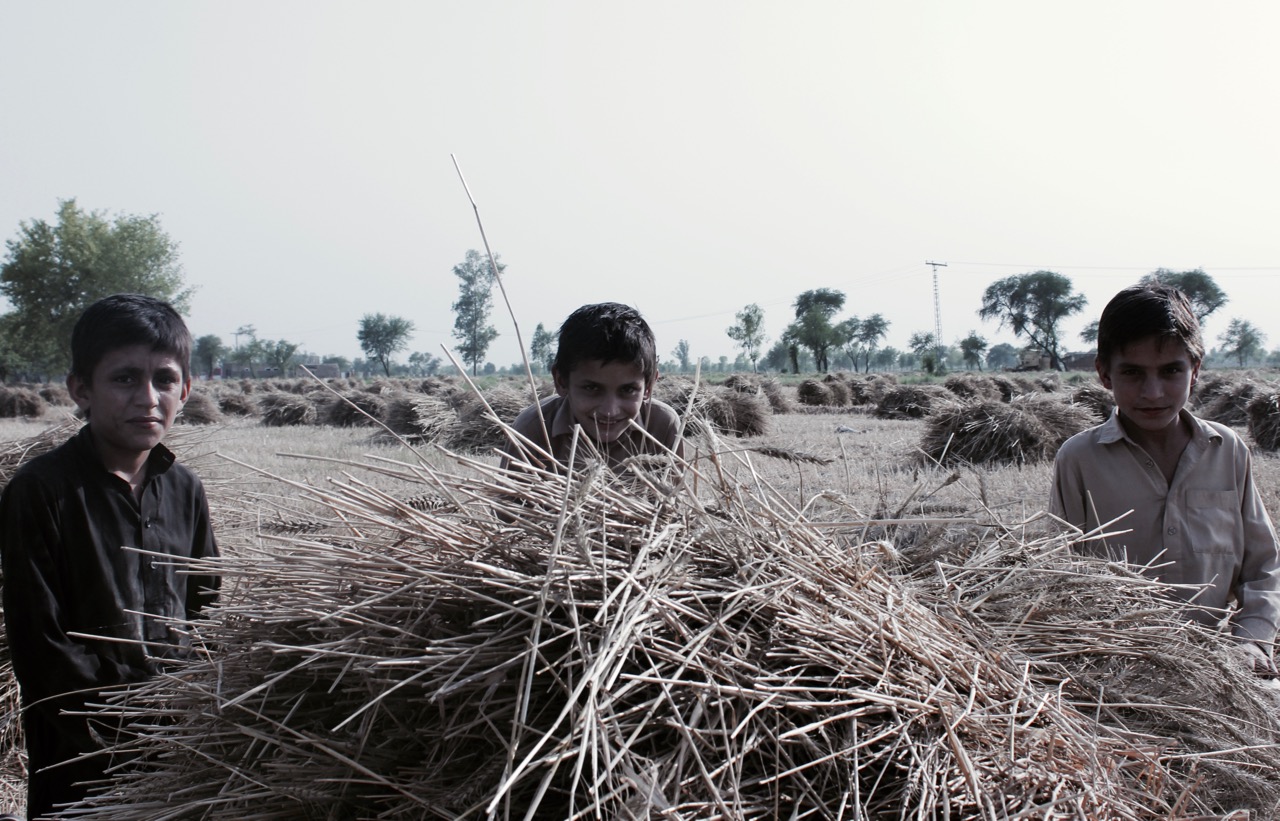
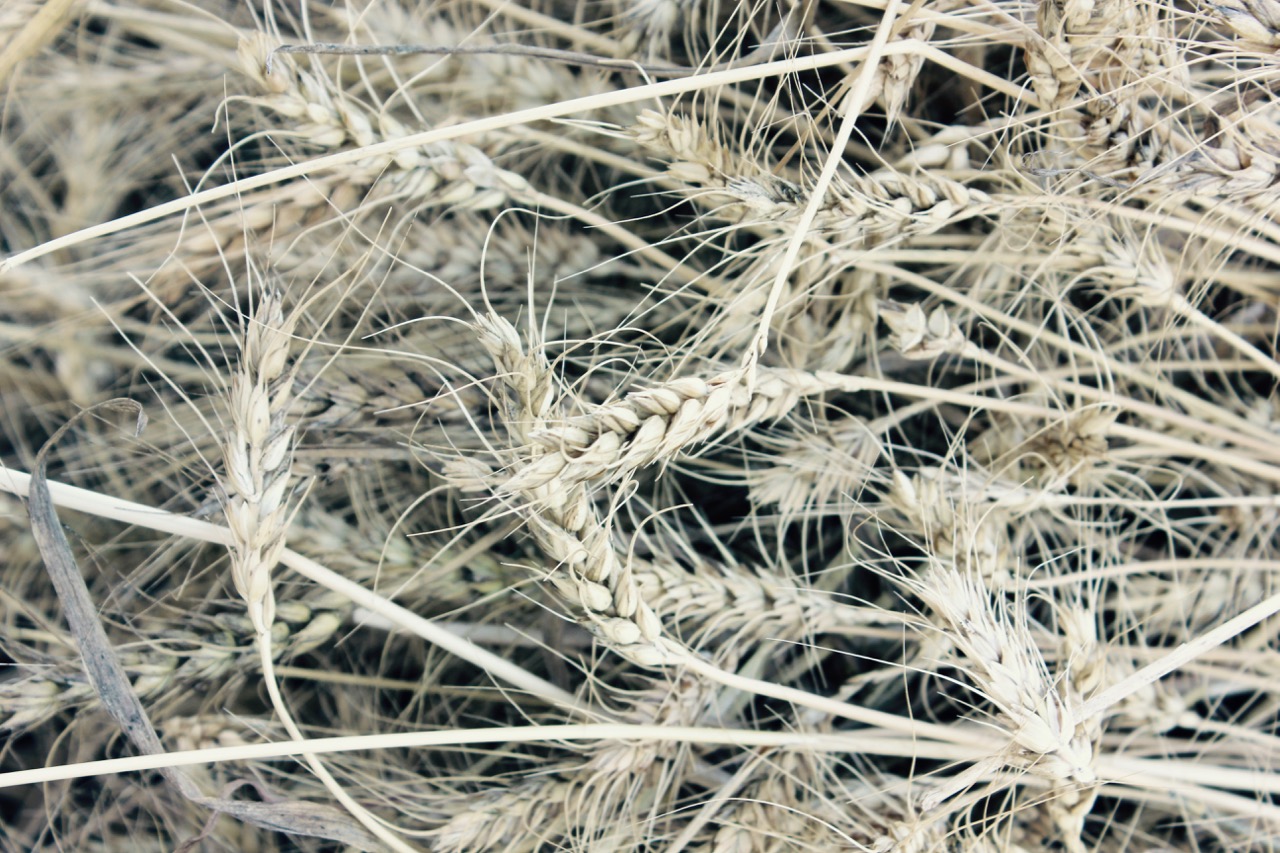
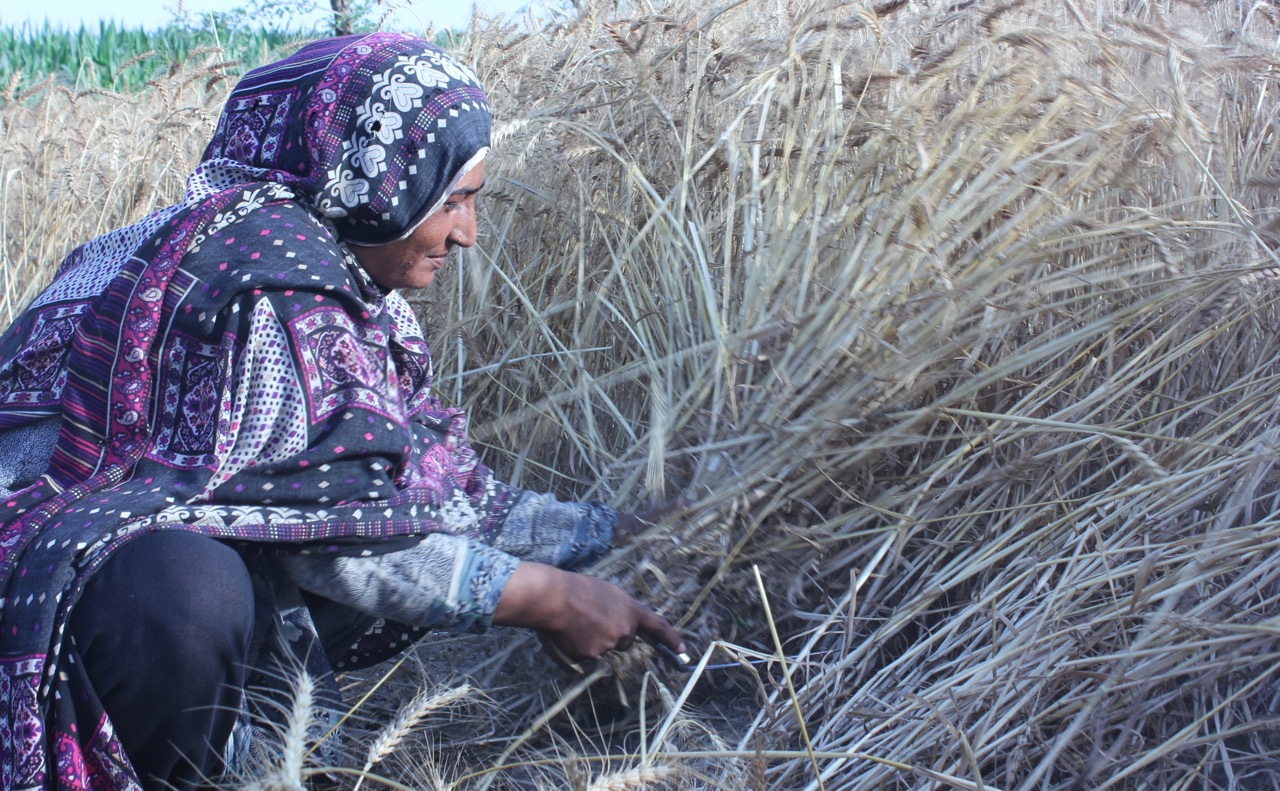
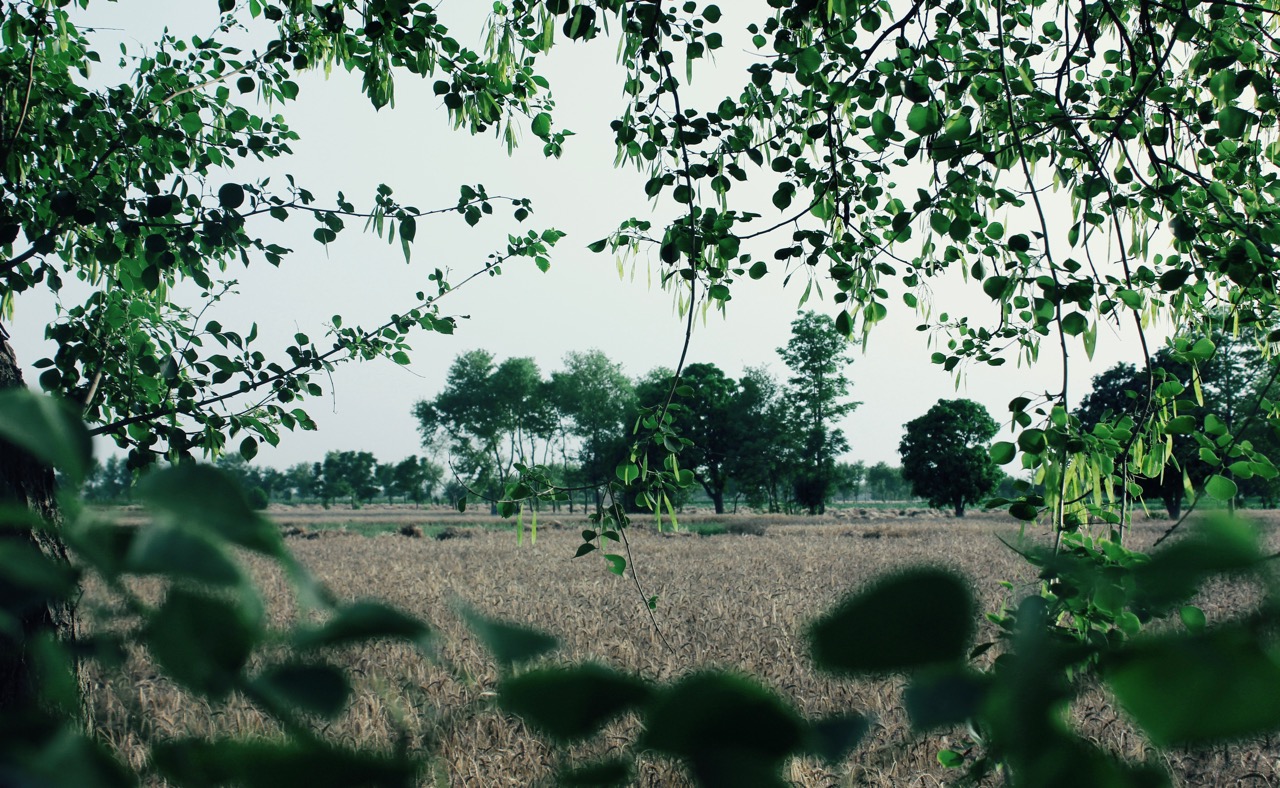
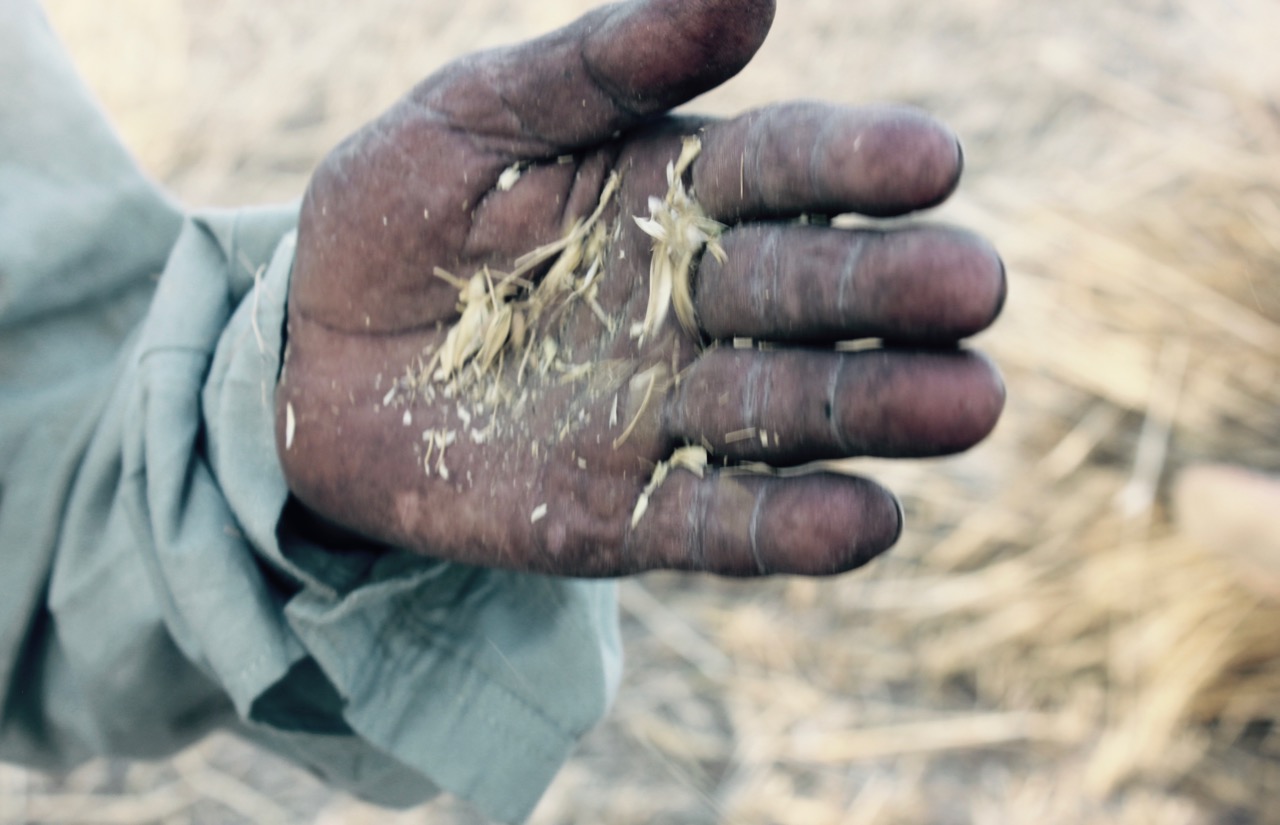
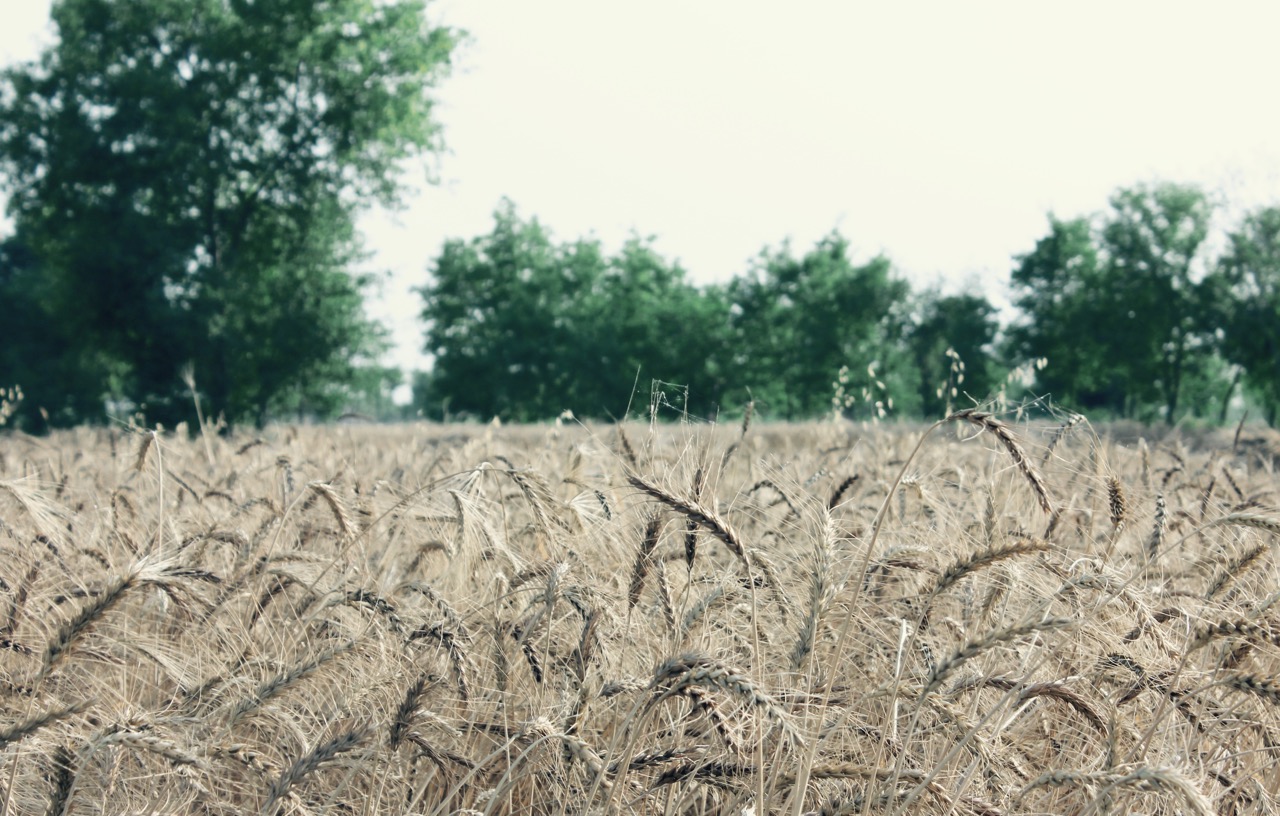
Vaisakh is traditionally the month of crop-harvesting in the Punjab region, in both India and Pakistan. Different permutations also exist in the rest of the countries. It is usually around 13th April that farmers around Punjab will start harvesting their crops and so the month is accompanied with many festivities. Harvesting wheat is the traditional crop that has come to symbolise the month of Vaisakh. The festival of Vaisakhi is an ancient tradition of the Punjab region and while it used to be celebrated throughout undivided Punjabi with village melas or fairs, it is now mostly associated with the Sikh community. For the Sikhs, it marks the birth of the Khalsa, when the 10th Guru, Gobind Singh, laid the foundation of the Khalsa Panth and asked for the five Sikhs to be the first that were formally initiated and baptised into the faith in 1699.

Another important historical event that coincided with Vaiskahi was the Jallianwala Bagh massacre. Thousands of people were gathered in the Jallianwala Bagh in Amritsar to celebrate the holiday and festivities of Vaisakhi. However, in the political volatile climate there was also a curfew and so General Dyer and his troops opened fire on the crowd who were effectively trapped in the public garden complex that only had one exit. Officially 379 people died, unofficially it was closer to 1000 casualties. This is often seen as the beginning of the end of the British Empire in India.

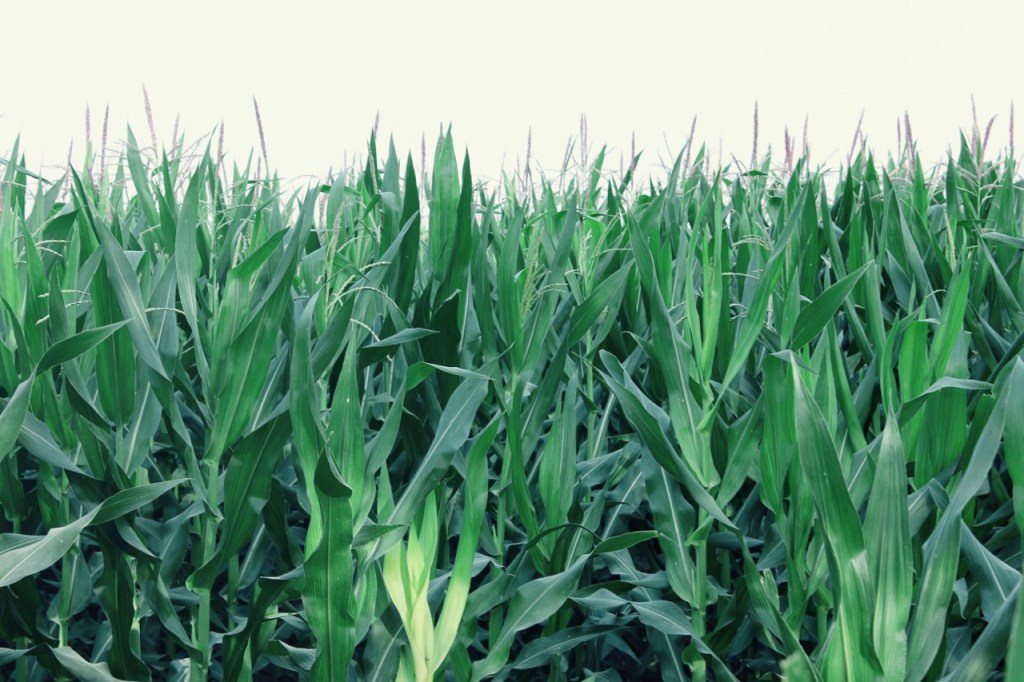
While the month of Vaisakh is still culturally significant on both sides of the border, the religious association means that it has lost some of its importance in Pakistan. The pictures above were taken during a trip to Sahiwal where harvesting wheat was in full flow.

The Partition Museum, Amritsar

This slideshow requires JavaScript.

The Partition Museum is an attempt to preserve the history and memories of 1947, that saw the creation of India and Pakistan and as a result the partition of Punjab and Bengal. Located in Amritsar the museum deals with mostly the effects of partition on Punjab rather Bengal. It is the initiative of Lady Kishwar Desai and The Arts and Cultural Heritage Trust, along with other organisations. The Partition Museum is in Amritsar’s Town Hall and located in the newly renovated area near Hall Bazaar. The renovation work is a delight in the hustle and bustle of the walled city of Amritsar. The surrounding area all carry remnants from the colonial period and ironically the museum itself is housed in the colonial Town Hall built in the 19th century.

The museum contains mainly pictures, a few artefacts and newspaper clippings from the independence period. It is spread across 3-4 rooms which use multimedia, visual and documentary sources to illustrate and memorialize the Partition. It is therefore a small exhibition and largely provides an overview of what happened.

I wish I could have connected better with the endeavours and intentions of the museum but it left me feeling empty and concerned with the lack of reflection. The museum unfortunately reflects the elite vision with which it was conceptualised. Having spent the last sixteen years working on the history of Partition, I realise that people still need to learn more about this period. But sadly, seventy years on we hardly have any empathy for the collective guilt that we all share in this legacy. The newspapers presented were from the Indian perspective, the horrors of violence were those perpetrated by Muslims against Hindus and Sikhs. Had we been on the other side of the Radcliffe Line, I imagine similar one-sided accounts would be shown of how Muslims were killed at the hands of Hindus and Sikhs. So, when do we move away from this communalized history of partition that still lingers on?

The pictures and voices shared were not of the ordinary people suffering but of prominent people and those who have come to “symbolise” partition history. This is certainly not a people’s history. Even the Tree of Hope presented me with little hope as it was covered in nationalistic and jingoistic slogans written by school children and visitors. Hardly giving secular India hope for the future. Instead the Tree of Hope just reinforces the new powerful and bullish India, unleashed by Modi’s vision.

My main concerns were with the well that has been installed in the museum. It is obviously designed to educate people but what sort of story is it trying to tell us? By simply stating that many women were forced to or rather martyred themselves by jumping into the wells is simplifying a very complex history. Women as the torch bearers of community honour were in some cases (we can hardly guess the numbers) forced to jump into wells by the patriarch of the family or community. Some went willingly but others were more reluctant; afraid of what was expected of them. We can most poignantly see this in the film Kamosh Pani. And so, to show this well in the middle of exhibition represents what exactly? If this was the original location, as in Jallianwala Bagh, it would make sense but to install it for effect is problematic. What kind of history and memory is being preserved by these acts to recreate history selectively? With little intellectual engagement with these selective symbolic fragments from our collective past we can only serve to re-enforce the communalised identities that led to 1947 in the first place.

Visit the website: http://www.partitionmuseum.org/

Shahi Hammam, Lahore

This slideshow requires JavaScript.

The Shahi Hammam is also known as the Wazir Khan Hammam. This is a Persian-Style bath, located in the heart of the Walled City of Lahore and close to Delhi Gate. It was built in 1634 and has recently be restored to expose the full glory and extent of the Hammam. It appears to be attracting many tourists and if you find yourself in the Walled City, this place is definitely worth a trip. The restoration work was done by Aga Khan Trust for Culture and the Walled City of Lahore Authority between 2013 and 2015. Funding also came from the Government of Norway.