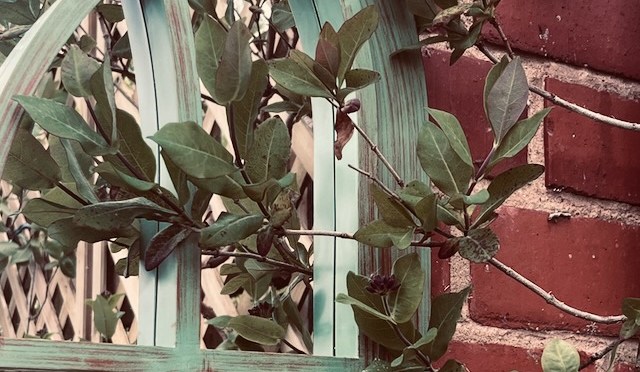
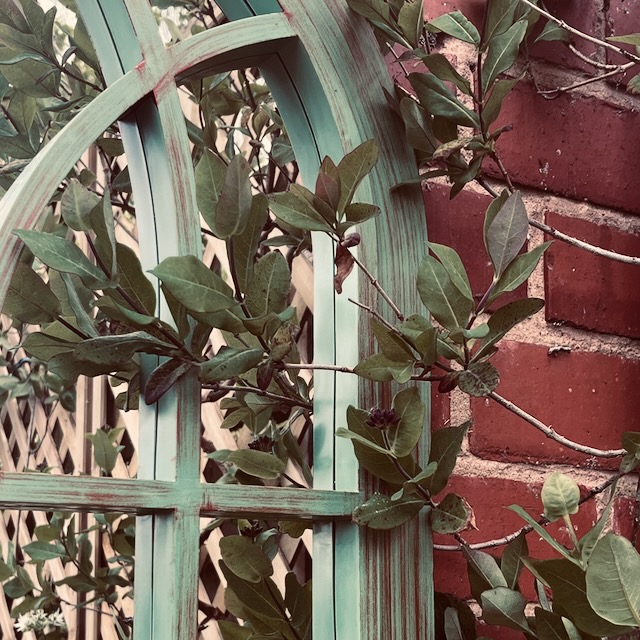


A long weekend spent revamping the garden has left me feeling quietly thankful—grateful not only for the beauty of blooming flowers but the often-overlooked moments that bring small moments of joy to us. These are the everyday miracles that ground us, offering us gentle reminders to be present, and to be grateful for the life and family that support us and get us through difficult times. They act as pillars, always there in the background but without whom we could not exist.
In August 2016, I began this blog as a space to document my experiences during a visiting fellowship in Lahore, as well as to share other events and observations that captured my interest along the way. This has grown into a broader canvas—one where I could share photographs, music, and reflections, often framed with a touch of historical context. Over time, the blog has become not just a repository of memories, but also a means of connecting with others.
When I first considered what to name this space, I wanted something that could symbolise both personal growth and a diversity of ideas. I eventually chose Bagicha—the Urdu and Punjabi word for “garden.” The name felt right, evoking a place where different thoughts, emotions, and inspirations could coexist and bloom. Like any real garden, this blog has required time and care, and though life’s demands have occasionally interrupted the rhythm of posting, I’ve done my best to return and tend to it regularly.
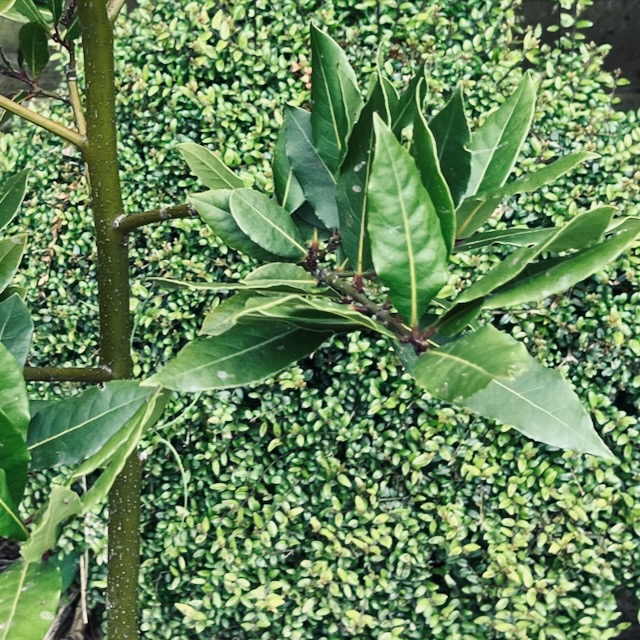
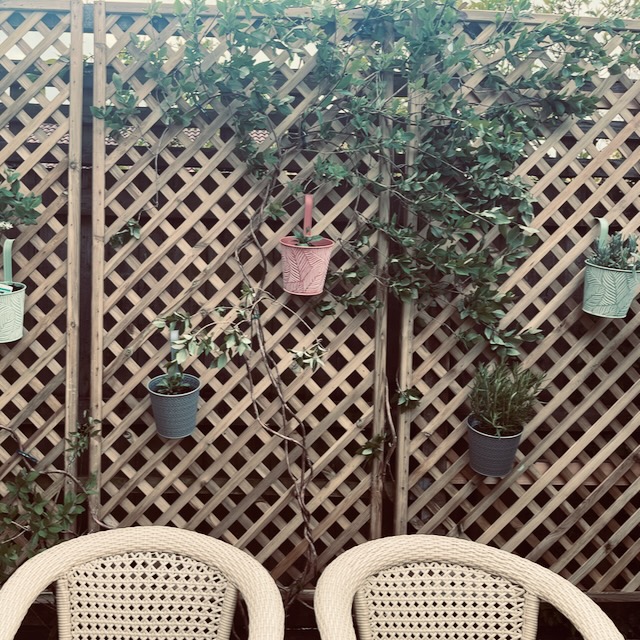
This past weekend, I turned my attention to my actual garden, which had begun to show signs of wear and neglect. I found myself hoping that this act of renewal would also translate into a more productivity for my Blogging and provide inspiration for other writing projects over the coming summer.


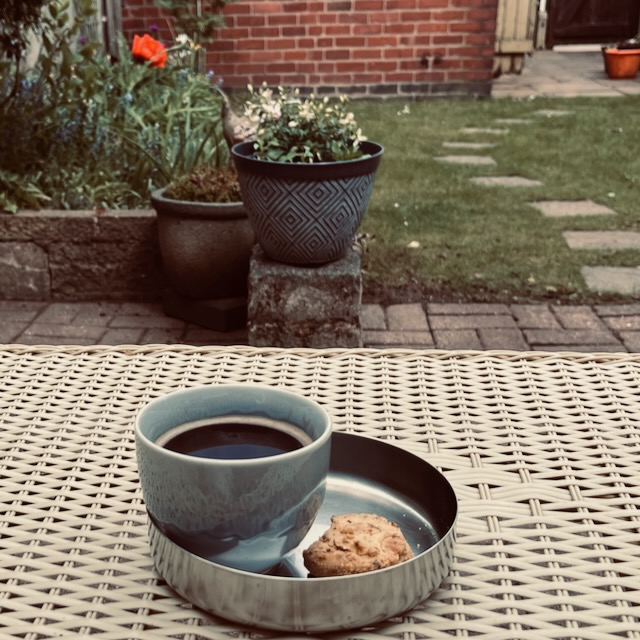
After the work was completed, I treated myself to a quiet moment with a cup of coffee and a Karachi Bakery biscuit, enjoying the fruits of my labour over the long May Bank Holiday weekend. As I unwound, scrolling casually through Instagram, I stumbled upon a deeply nostalgic song: Mai Tenu Yaad Aawan Ga (You Will Remember Me), sung by the legendary Surinder Kaur and Asa Singh Mastana. This version, recorded in Toronto in 1980, is hauntingly melodic—its rich tones and heartfelt lyrics evoke a bygone era.

Surinder Kaur, often hailed as the “Nightingale of Punjab,” remains one of the most celebrated folk singers in South Asian musical history. Her voice, both powerful and tender, became a defining sound of Punjabi folk music in the 20th century. Asa Singh Mastana, her equally iconic counterpart, was known not only for his duets with Kaur but also for his contributions to Bollywood as a playback singer. Both Kaur (born 1929 in Lahore) and Mastana (born 1926 in Sheikhupura) belonged to pre-Partition era and migrated to Delhi after 1947. They continued the musical journeys that had begun in Lahore and helped shape the soundscape of post-Partition Punjab.
Their music carries the weight of memory, migration, and resilience. Listening to them, one feels transported—not just to another time, but to a shared emotional and cultural landscape that continues to resonate deeply.

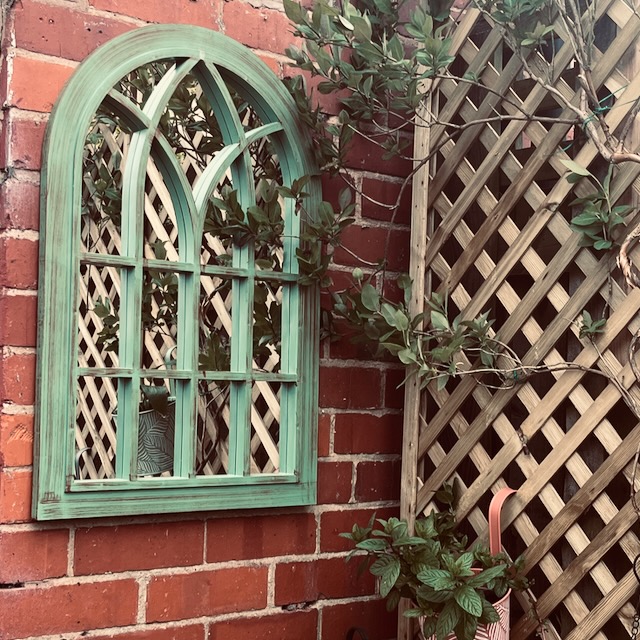
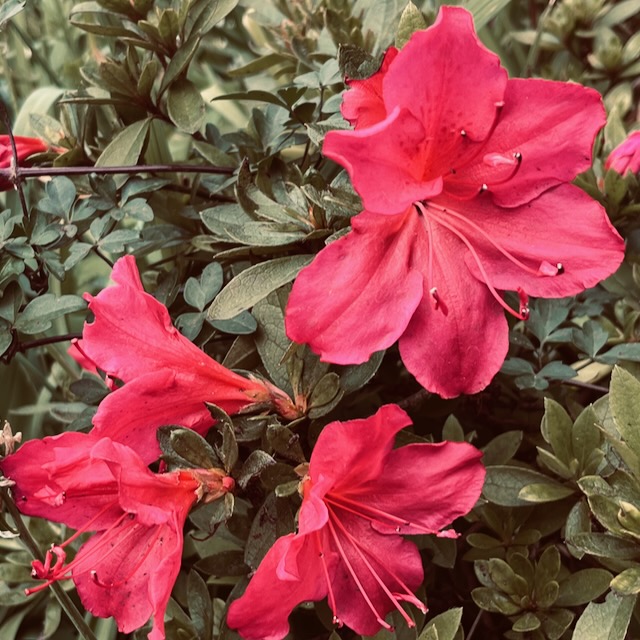
Listen to this timeless song and linger for a while in its emotional undertones. I’ve also included some photographs to accompany the mood—a small attempt to honour the spirit of nostalgia and historical connections that Bagicha has tried to capture.

 BAGICHA