Category Archives: India

Chandni Chowk: the spirit of the Ganga-Jumna Tehzeeb

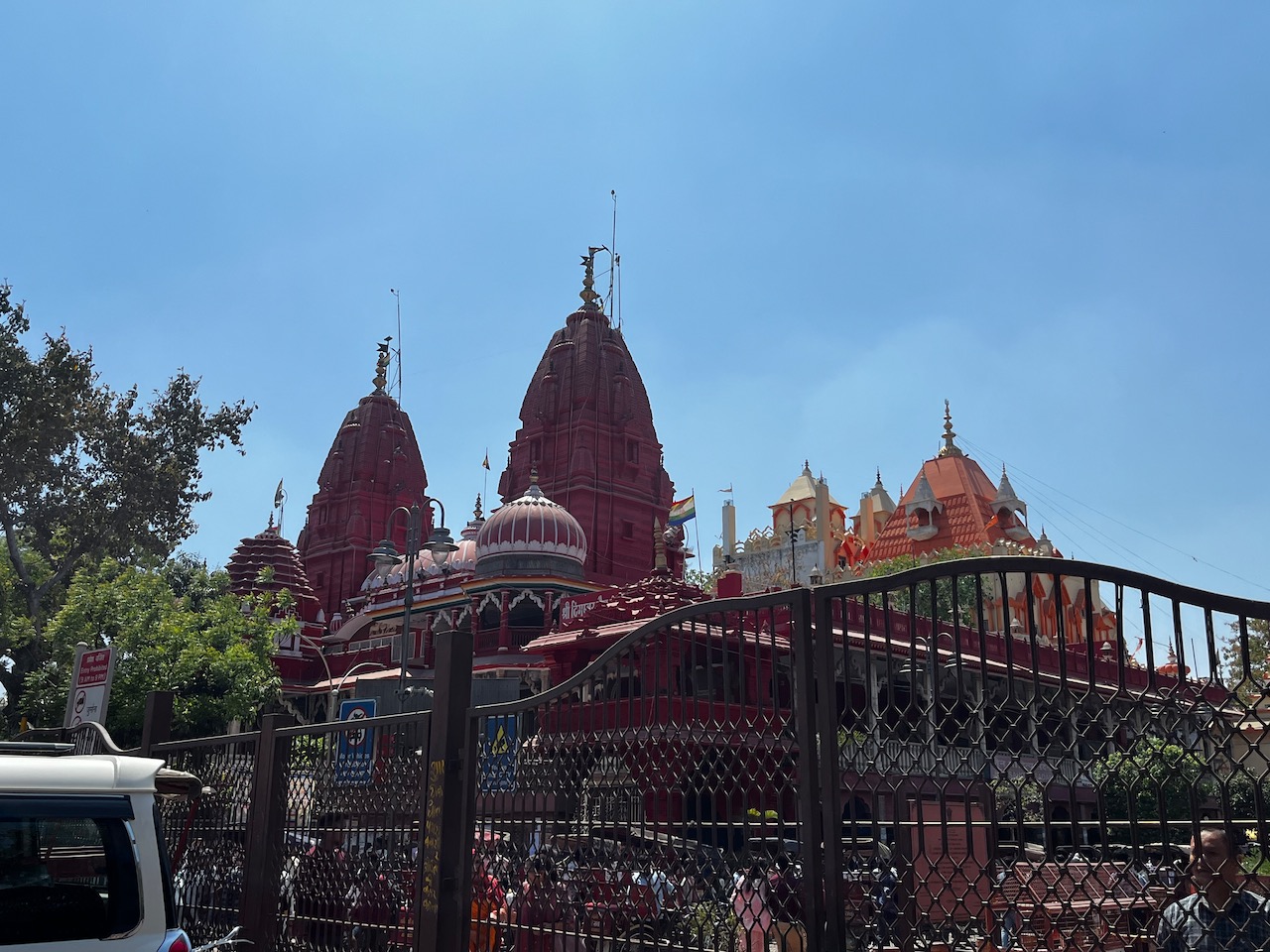
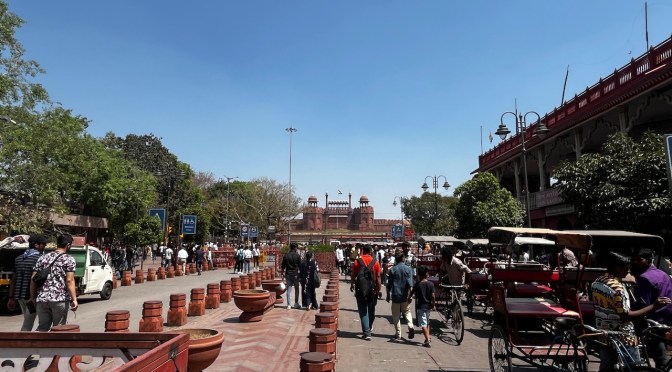
I recently had the opportunity to revisit an old favourite place of mine, Purani Dilli, with a friend. Old Delhi, despite the wider socio-economic and political changes emanating from neighbouring New Delhi, retains much of its previous charm of being a vibrant and colourfully diverse locality. The constellations around Chandni Chowk and the labyrinth of narrow lanes overflowing with people, trade, and character, fill the hearts and bellies of locals and tourists alike. There are of course signs of change where the old meets the new, and reinvention is indeed necessary for survival. In this endeavour, the main thoroughfare has been pedestrianised, but cycle rickshaws and people continue to jostle for space. You can buy almost anything from here, it is a complete eco-system of co-existence.

History of the area

It was Shahjahan (r. 1628 –1658), the fifth great Mughal, who ordered his famous chief architect Ustad Ahmad Lahori (who also designed the Taj Mahal) to build this then-walled city between 1638 and 1649, which contained the imposing red sandstone fortress of Lal Qila and the Chandni Chowk, the main street. Shahjahanabad (abode of Shah Jahan), or as it is more popularly known as Purani Dilli/Old Delhi, refers to that walled city where the Mughal court, army, and household moved from Fatehpur Sikri in 1648, which then become the heartbeat and commercial centre of the empire.

Biswas (2018) notes that the city developed along an “organic street pattern…with signature characteristics such as different activities and trades, clusters of houses based on closeness and common interests and social ties, which it still depicts today. The lanes and the streets were designed for an easy movement of pedestrians and animal driven vehicles, which today have been taken over by two- wheelers, electronic and manual rickshaws…”

It remained the capital of the Mughals in India until the Revolt of 1857, by when the East India Company and afterwards the British Crown Rule had shifted the seat of power to Calcutta, only to return back to Delhi in 1911, where they too commenced with the construction of a new modern administrative headquarters designed by Edwin Lutyens and Herbert Baker, which was formally inaugurated in 1931. To distinguish between these two empires and spaces, the older city became Old Delhi and New Delhi become the new citadel with its palatial bungalows and manicured wide streets. Since 2019, the current BJP Government has commenced another phase of construction with the Central Vista Project led by a team under Bimal Patel. We can therefore see layer upon layer, phase after phase of architectural stamping, ushering in its own ideological imprint.

The Walled City

For nostalgia, a bygone era and character, especially for a historian, nothing matches Purani Dilli. The walled city brings with it rich heritage, historic buildings and the intimate liveliness of a small community.

Jain (2004) observes that “The Red Fort, Jama masjid and Chandni Chowk have been jewels in the crown of Shahjahanabad. Chandni Chowk is the centrepiece and dominant axis of the Walled City. The original Chandni Chowk had octagonal chowks with a water channel running through the centre. Its wide boulevard with prestigious buildings and bazar created a vista between the magnificent Red Fort and Fatehpuri Mosque. With the passage of time there has been an all-round degradation and deterioration of this glorious boulevard, which can be attributed to several reasons, like over-crowding, markets, wholesale trade, rickshaws and traffic, unauthorised constructions, conversion of heritage buildings, over-riding commercial interests and private motives, coupled with lack of controls.”

Composite culture
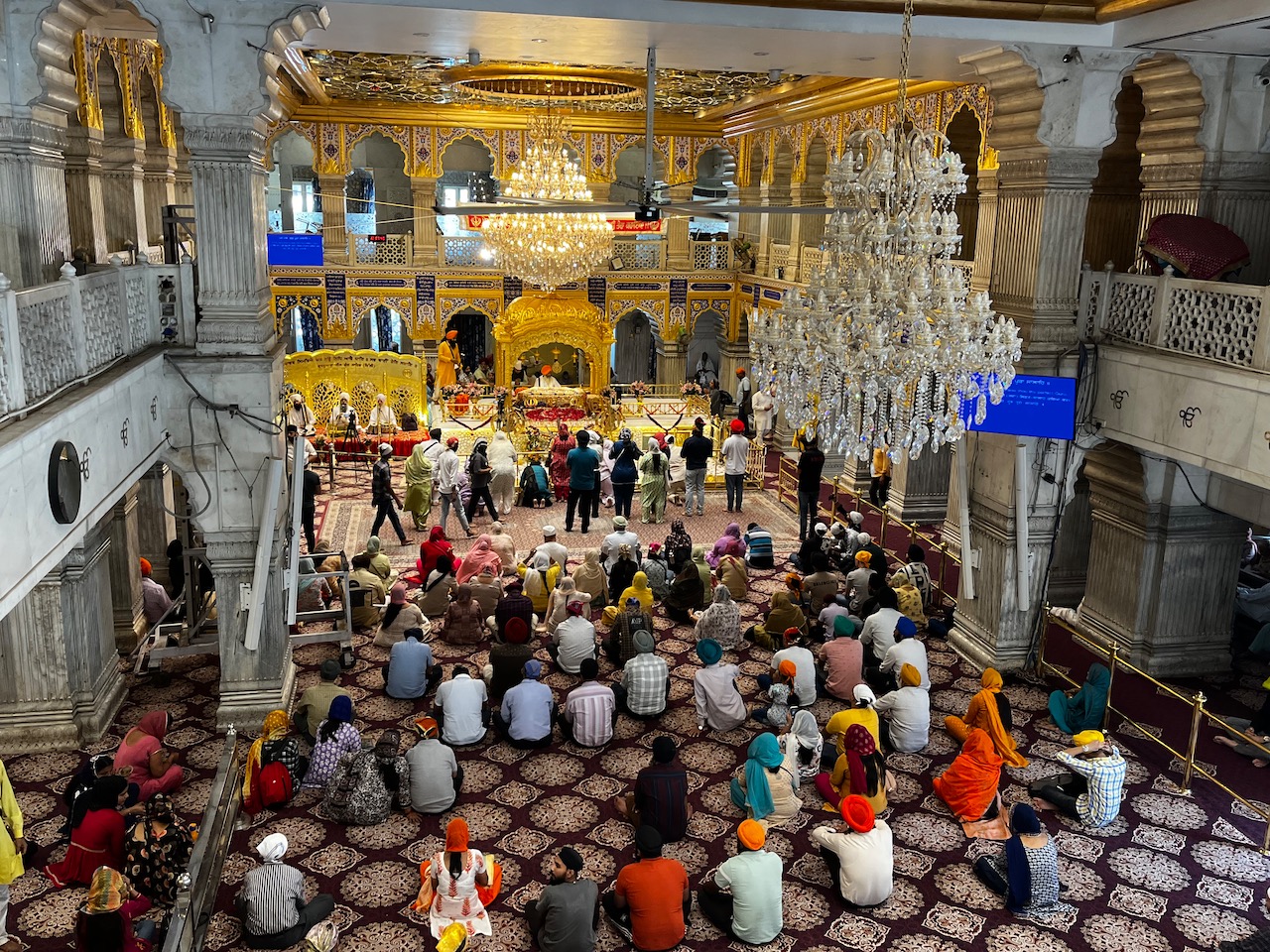
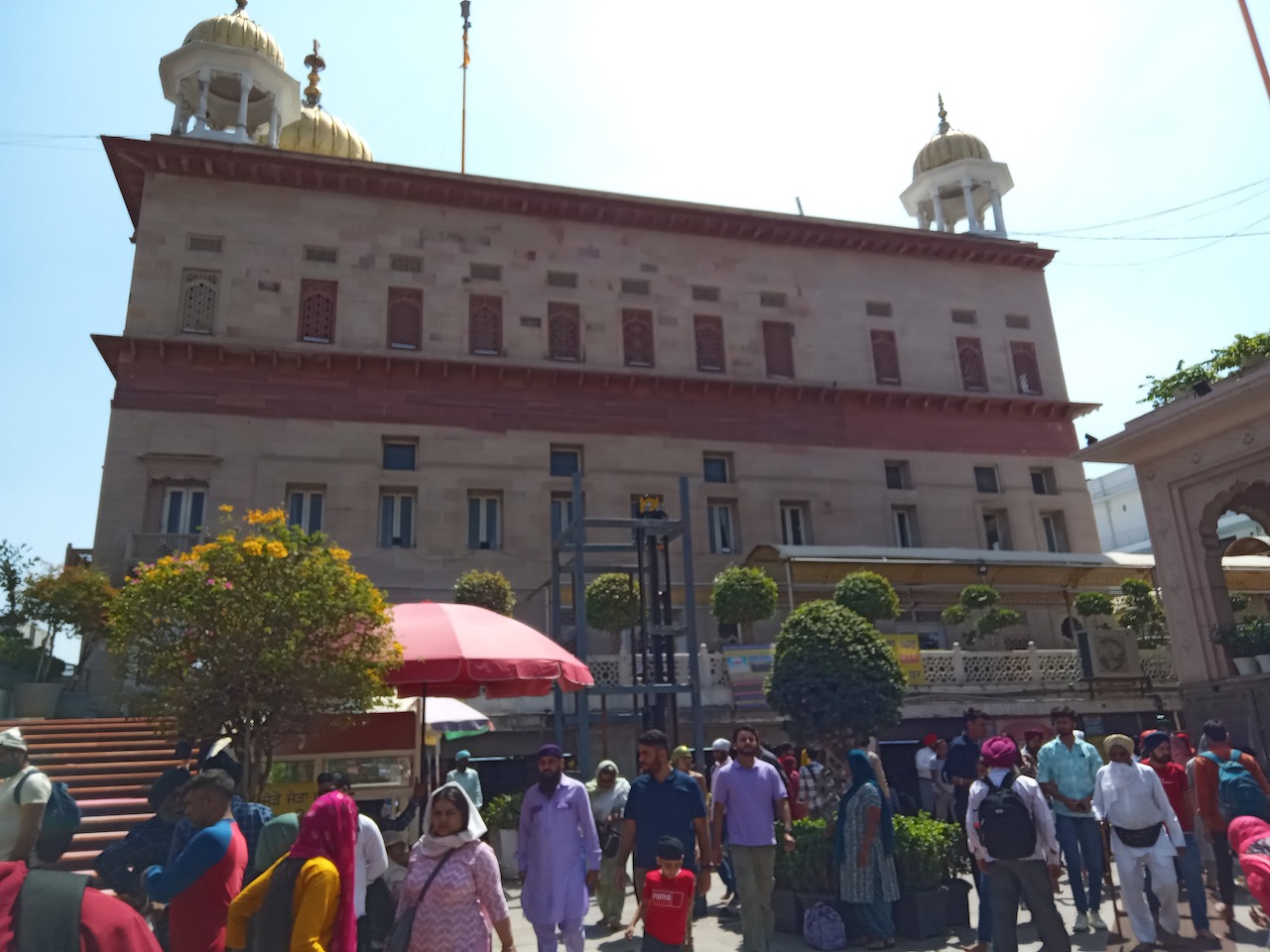
There are plenty of people who organise various walking tours of Old Delhi, as it attracts tourists from abroad and locals via the metro that has opened up the space that perhaps looked challenging before. My visit was an impromptu trip, I had some time and thought it would be nice to revisit this area after many years. I had planned to visit the Gurdwara, the Masjid and the Parathe wali gali! As I burnt off the parathas, the striking multi-faith milieu mingling into multi-cuisine eateries, left the heart warmed.

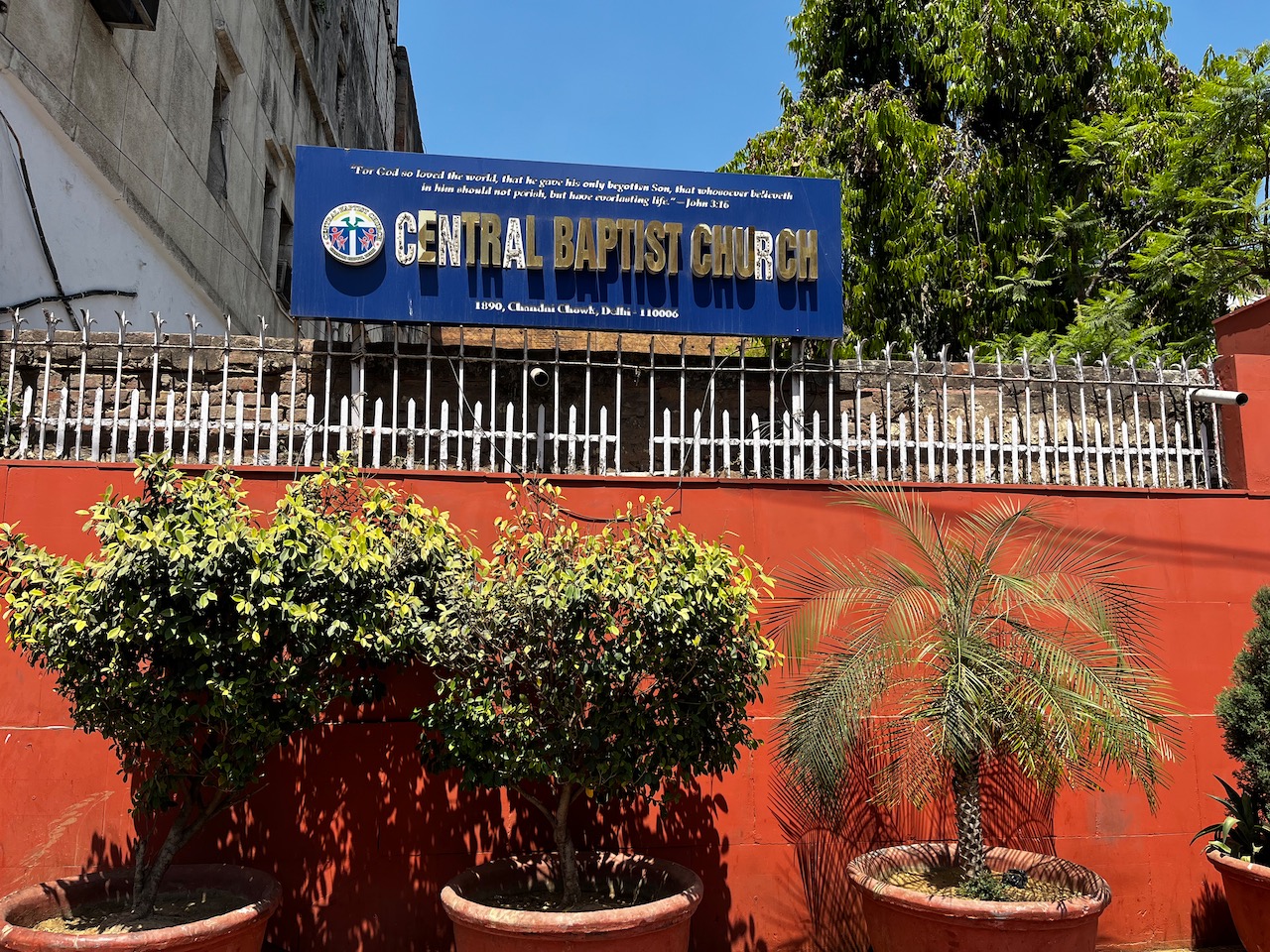
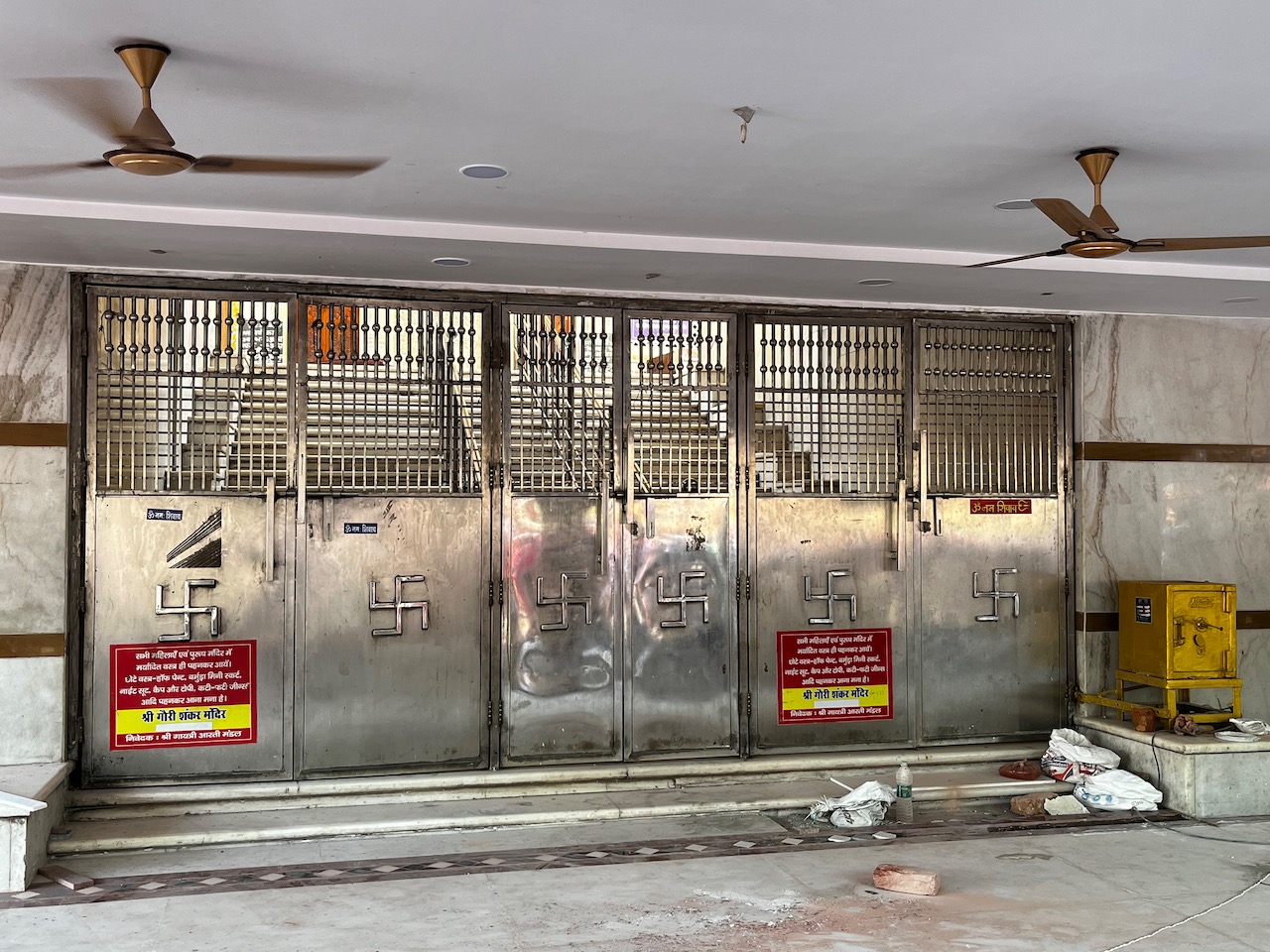
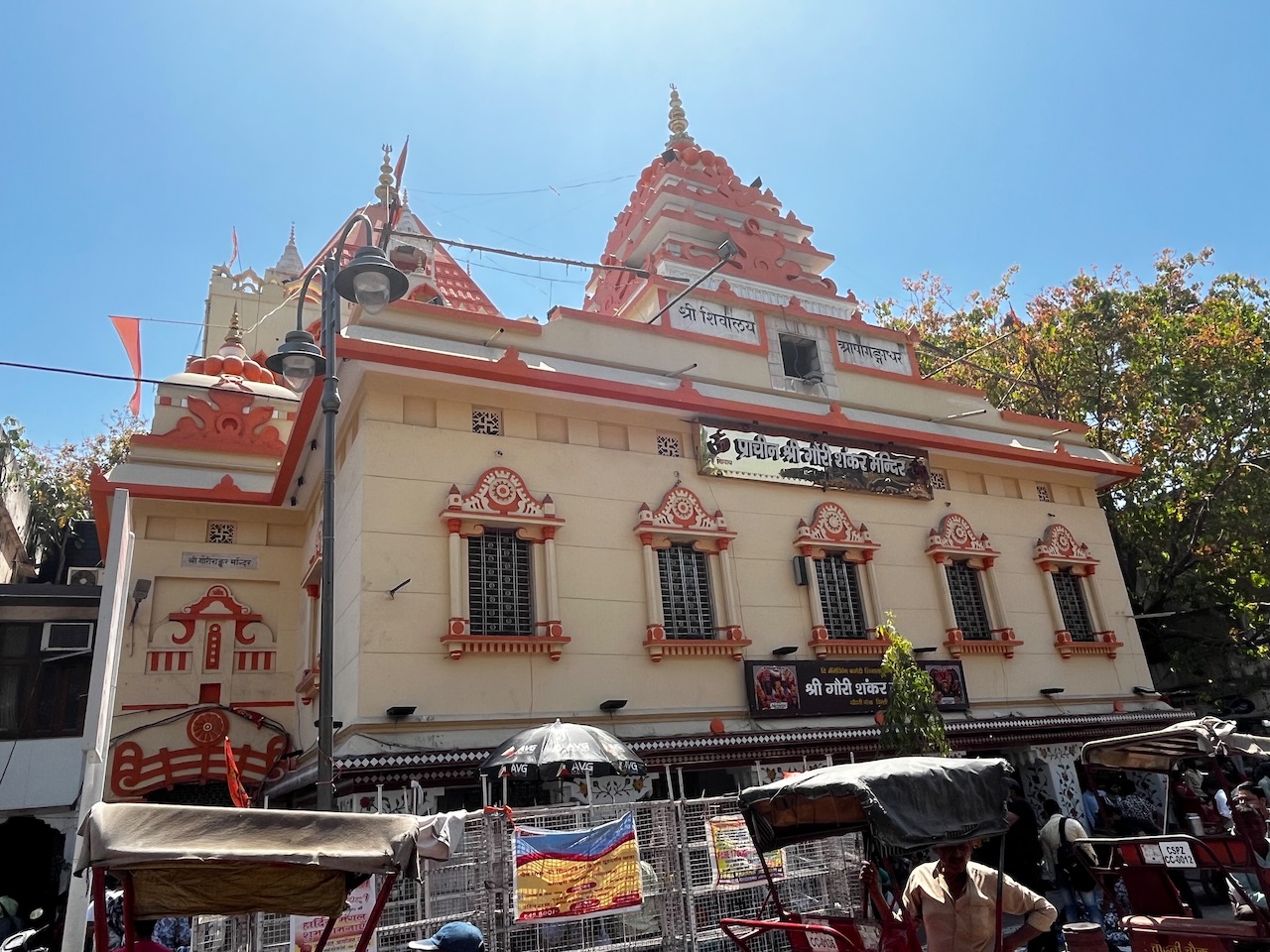
Biswas (2018) provides a detailed summary of the rich diversity present in Chandni Chowk. “In the northern sphere of the city, are the St. James’ Church (the oldest church in the city of Delhi), St. Mary’s Church, remains of Kashmiri Gate, Dara Shikoh’s library, the Lahori gate. In the southern part of the city, the key highlights are the Kalan Masjid, Ajmeri Gate, Holy Trinity Church, Razia Sultan’s grave, Turkman Gate, Havelis of Kucha Pati Ram, Anglo-Arabic School. With these divisions, the centre of the walled city is adorned with the harmonious street of Chandni Chowk, where the sacred spaces or the worship places of all major religions are located and co-exist amicably…The built heritage of the walled city comprises the grand Jama Masjid, the glorious Red Fort and many beautiful Jain temples of the two sects, numerous Hindu temples devoted to a multitude of gods, the Gurudwaras, the churches, the madrassas, the havelis of the Mughal and the post- Mughal era, still survive [ing] against their slaughter at the hands of the modernity.”

Undoubtedly the area has undergone change during the past 400 years, with each reign adding and leaving new layers. The walled city with the Qila and Masjid was the centre piece of the Mughal court, until the British transformed the former into military barracks. The British period marked by the revolt of 1857 saw vast areas being razed to the ground, some places only surviving due to the resultant outrage. With the birth of independent India in 1947, there was again vast destruction, loss of life and mass migration of people. The new contemporary socio-political anxieties mean we are perhaps less sure about the role of these places as they are confined to the past, while we celebrate and sell their associated heritage in the present. The Delhi Government is trying to beautify and make this a tourist hub, but that too must compete with conflicting agendas of the future. But for now, the spirit and roots of the Ganga-Jamuna Tehzeeb are quietly visible.

References and further reading:

Rana Safvi, Shahjahanabad: The Living City of Old Delhi, (HarperCollins India, 2020)

Swapna Liddle, Chandni Chowk: The Mughal City of Old Delhi, (Speaking Tiger, 2017)

Payushi Goel, Foram Bhavsar ‘Evaluating the Vitality of an Indian Market Street: The Case of Chandni Chowk, Delhi’ in Utpal Sharma, R. Parthasarathy, Dr Aparna (eds), Future is Urban: Liveability, Resilience & Resource Conservation (Routledge, 2023)

A.K. Jain, ‘Regeneration And Renewal Of Old Delhi (Shahjahanabad)’ ITPI Journal 1: 2 (2004) 29-38

Anukriti Gupta, ‘The Revolutionaries of Chandni Chowk’, 3 July 2021

Chitralekha, ‘In Paintings: Chandni Chowk of Delhi’, 21 January 2021

Jyoti Pandey Sharma, ‘Spatialising Leisure: Colonial Punjab’s Public Parks as a Paradigm of Modernity’, Tekton 1: 1 (2014) 14-30

Olivia Biswas ‘A Heart City: Celebrating The Pulsating Lifestyles Of The Walled City Of Delhi’ The 2018 WEI International Academic Conference Proceedings, Niagara Falls, Canada

Delhi Heritage Walks https://blog.delhiheritagewalks.com/category/heritage-walks/chandni-chowk-heritage-walks/
“My spiritual guru is Nanak Dev and my trade guru is Baba Vishvakarma”

While reading the news from India, the celebrations of Baba Vishwakarma Day caught my imagination. Not least because as I was speaking to my sister earlier on, who had mentioned that the electricity went off due to heavy rains, and the local ‘bijli walla’ won’t come to fix it today. Why I asked? Well because it’s Baba Vishwakarma Day!

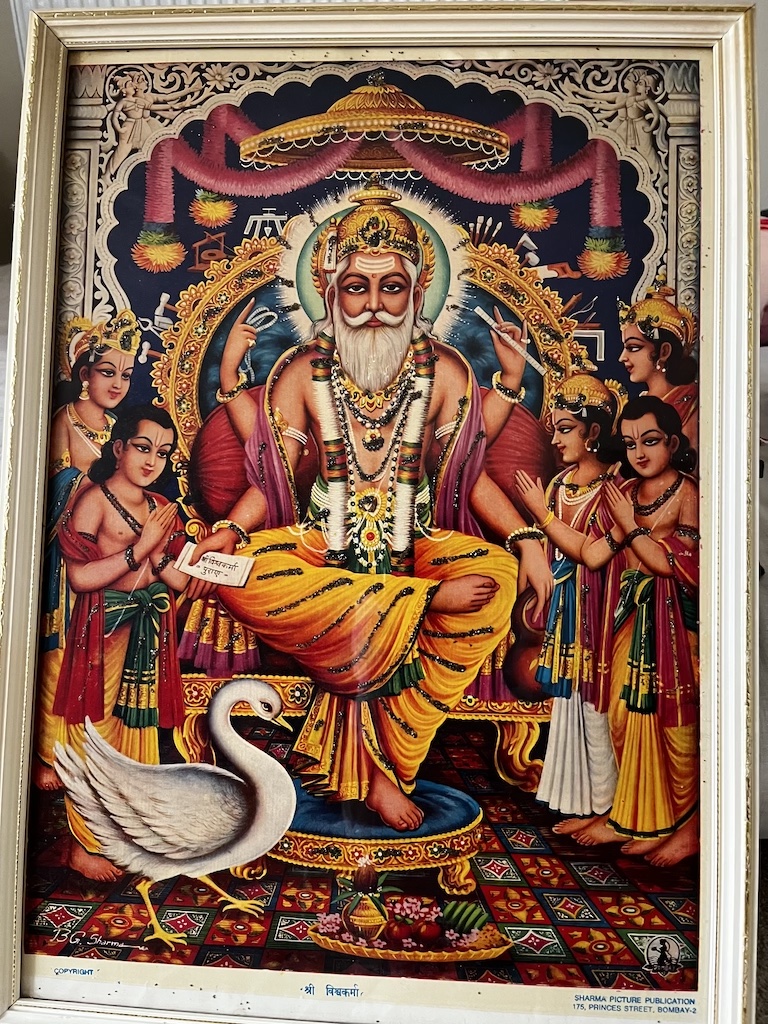
The discussion inevitably led us to reminisce about the past and we started talking about Baba Vishwakarma and what it meant to us, especially when growing up. I recall my mother having a photo of Baba Vishwakarma in her prayer room, but the day after Diwali was especially important because this is when we celebrated Vishwakarma Day. She would offer special prayers with prasad (offering) consisting of sweet boondi, that was bought for this purpose. The conversation with my sister prompted me to go and find that picture, which I had kept as a keepsake for many years.

My mother stitched clothes, mostly salwar kameezes, to make ends meet, a talent that she was well-known for in the local community. She was meticulous, everyone who had clothes made by her was aware of her fine cutting and stitching skills, and how well presented her clothes were when she delivered them. I helped when I was able to, but my standards were never high enough! The sewing machine was at the heart of her (our) survival and also how she was able to reinvent herself from a housewife to a single parent with young daughters in a new place.

So why are the Ramgarhia community associated with Vishwakarma? This is because the deity is associated with machinery, technical work, tools and is often described as the God of carpenters, goldsmiths, blacksmiths, and those who work in skilled crafts. The Ramgarhias were originally a community of artisans who worked in these professions, and adapted and upskilled to mechanical work during the 19th century, but the old associations and traditions remain, at least for some.

These stories are now a part of my memory and history, even though the narrative today may be different. My parents belonged to a generation that was more open, less prescriptive and the religious boundaries were more porous. I went to gurdwaras, I took a dip in the Ganges, and we went to Sufi shrines, it was part of the collective identity. Although Punjab witnessed some of the most horrific communal violence in the 1947 Partition, the region is also ironically one of the most pluralistic. For a devout Sikh, my mother was perfectly at ease with the presence of Baba Vishwakarma and indeed Baba Balak Nath in her prayer room, both of whom have a strong presence in Ludhiana amongst the Ramgarhia Sikhs.  

So, while doing some research for this post, I came across a PhD from the University of Leeds by Sewa Singh Kalsi (1989). It made interesting reading and I share some key extracts, which provide a glimpse into the history and transformation of the Tarkhan/Ramgarhia Sikhs. Kalsi’s study focused on the city of Leeds (UK) but the extracts below show the emergence and transformation of this small but important community.

“The entry of the Tarkhans into the Sikh Panth can be traced to Bhai Lalo, a carpenter of the village Aimnabad, now in Pakistan. On his first travels (udasi) Guru Nanak stayed with Bhai Lalo where he composed his celebrated hymn enunciating his mission. He addressed this hymn to Bhai Lalo, condemning the mass slaughter by the army of Babur, the first Moghul emperor of India. Commenting on the status of Bhai Lalo within the Sikh Panth, McLeod says that “Even higher in the traditional estimation stands the figure of Bhai Lalo, a carpenter who plays a central part in one of the most popular of all ianam-sakhi (biography) stories about Guru Nanak” (1974:86). Gurdial Singh Reehal in Ramgarhia Itihas (History of the Ramaarhias) (1979) notes the names of seventy two distinguished Punjabi carpenters who worked closely with the Sikh Gurus and made valuable contributions to the development of Sikh tradition. He says that “Bhai Rupa, a prominent Tarkhan Sikh officiated at the wedding of the 10th Guru, Gobind Singh. His descendants known as Bagrian-wale (belonging to the village of Bagrian) were the royal priests of the Sikh rulers of Phulkian states. They administered the royal tilak (coronation ceremony) and officiated on royal weddings” (Reehal 1979:162). It seems plausible that the entry of Tarkhans into the Sikh Panth took place under the leadership of distinguished Tarkhan Sikhs over a long period.” P 104

“Most prominent among the followers of Guru Gobind Singh were two Tarkhan Sikhs, Hardas Singh Bhanwra and his son, Bhagwan Singh, who fought battles under his command. After his death in 1708, both leaders joined forces under Banda Bahadur to lead the Sikh Panth. Commenting on the position of Bhagwan Singh Bhanwra within the Sikh Panth, Gurdial Singh Reehal says that “Bhagwan Singh was appointed governor of Doaba (Jullundar and Hoshiarpur districts) by Banda Singh Bahadur” (1979:209). Jassa Singh Ramgarhia was the eldest son of Bhagwan Singh. He inherited the skills of his father and grandfather and became the leader of Ramgarhia misl (armed band). Jassa Singh built the fort of Ramgarh (this means literally the fort of God) to defend the Golden Temple, Amritsar. McLeod notes that “In 1749, however, he (Jassa Singh) played a critical role in relieving the besieged fort of Ram Rauni outside Amritsar. The fort was subsequently entrusted to his charge, rebuilt and renamed Ramgarh, and it was as governor of the fort that he came to be known as Jassa Singh Ramgarhia” (1974:79). The title of Ramgarhia was bestowed on Jassa Singh by the leaders of the Sikh misls. According to the Dictionary of Punjabi Language (1895), the word “Ramgarrya” means a title of respect applied to a Sikh carpenter. Describing the position held by Jassa Singh among the leaders of Sikh misls, Saberwal in Mobile Men says that “We have noted the part played by Jassa Singh Ramgarhia in the 18th century; though a Tarkhan, by virtue of his military stature he sometimes emerged as a spokesman for all twelve Sikh misls in relation to other centres of power” (1976:99).” P 105

“In order to understand the emergence of Ramgarhia identity, we must locate the processes which have enabled them to move in large numbers from jajmani relationships in the village to urban-industrial entrepreneurship both within India and East Africa. The extension of British rule to the Punjab opened up enormous opportunities for the Punjabi Tarkhans. They channelled their energy and resources into going abroad in search of wealth and towards participating in the urban-industrial growth in India. Their technical skills were harnessed to build railways, canals and administrative towns both in India and East Africa. The Ramgarhias were the majority Sikh group, approximately 90 per cent of the whole Sikh population in East Africa (Bhachu 1985:14; McLeod 1974:87). In East Africa, they established their social and religious institutions like the Ramgarhia associations, Ramgarhia gurdwaras and clubs. By the 1960’s, the Ramgarhias had moved from being skilled artisans, indentured to build the railways, to successful entrepreneurs, middle and high level administrators and technicians. Bhachu argues that “Support structures developed during their stay in East Africa have not only helped manufacture their ‘East Africanness’ but have also aided the perpetuation of their identity as ‘staunch Sikhs’ in the South Asian diaspora, independent of the original country of origin” (1985:13). In East Africa, the Ramgarhias demonstrated a remarkable capacity for maintaining the external symbols of Sikhism, which is a clear indication of their commitment to the Khalsa discipline.” P 107

“The Ramgarhias achieved a noticeable measure of economic success in the urban-industrial sector, both in India and in East Africa. They were able to discard the low status of a village Tarkhan by transforming themselves into wealthy contractors and skilled artisans employed in railway workshops and other industries. In cities they were associated with the Khatri Sikhs, the mercantile group in urban Punjabi society. In the Punjab, the distinctive feature has been the concentration of Ramgarhia Sikhs in particular towns i.e. Phagwara, Kartarpur, Batala, and Goraya. These towns are known for car parts industries, furniture, foundries and agricultural machinery owned by the Ramgarhia Sikhs. This newly achieved economic status was one of the factors which encouraged them to build religious, social and educational institutions belonging to their biradari. In the town of Phagwara, they have built an educational complex which includes a degree college, a teacher training college, a polytechnic, an industrial training institute and several schools.” P 108

And finally, a line from where I take the title of this piece. One of the people interviewed notes: “My spiritual guru is Nanak Dev and my trade guru is Baba Vishvakarma. Many Ramgarhias feel ashamed to be associated with our trade deity.” P 117.

Further references include my own book, in which I discuss the community in relation to the transformation of Ludhiana.

Bhachu, P. (1985). Twice migrants: east African Sikh settlers in Britain (Vol. 31100). Tavistock Publications.

Kalsi, Sewa Singh (1989) The Sikhs and caste : a study of the Sikh community in Leeds and Bradford. PhD thesis, University of Leeds.

Kaur, P. (2017) The dynamics of urbanisation in Ludhiana city. International Journal of Advanced Research and Development, Volume 2; Issue 6, 547-550.

McLeod, W.H. (1974) Ahluwalias and Ramgarhias: Two Sikh castes, South Asia: Journal of South Asian Studies, 4:1, 78-90, DOI: 10.1080/00856407408730689

Virdee, P. (2018). From the Ashes of 1947. Cambridge University Press.

The festival of Lohri in Punjab

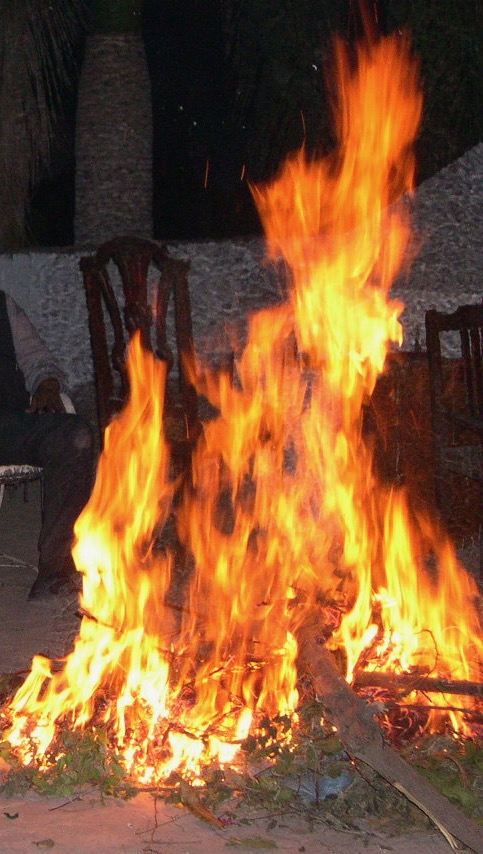
© Pippa Virdee 2004, celebrating lohri in Lahore.

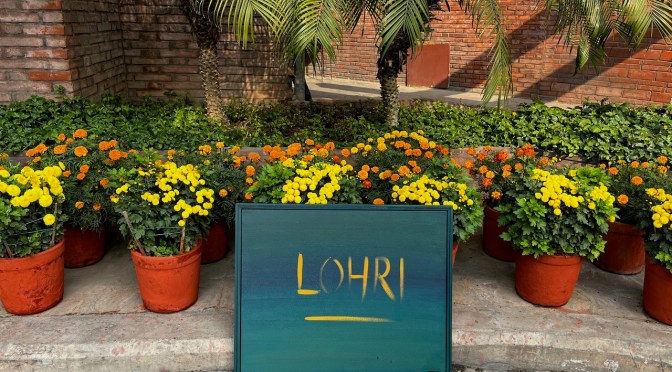
A few days back I was in Punjab and Delhi, which were clouded and submerged in the winter chill and fog. With every passing comment about the cold, there is another reference, “it will only last until lohri, after that the weather will improve”. This points to the passing of the winter solstice and the changes in the season. Many of the popular festivals in Punjab are associated with seasonal changes, these are easy markers and reference points before formal calendars and dates arrived, and in this case the winter festival of lohri means anticipating longer and warmer days.

Growing up, there were always certain foods which we associated with lohri (and associated with the winter harvest). Rewris/revdis, jaggery and sesame-based dishes, and peanuts, are all warming and seasonal foods during the winter days of North India. Sarson da saag and makki di roti is another essential. Jaggery, sesame sweets and peanuts are quite often distributed and exchanged amongst friends and families. Traditionally, this special occasion was reserved for the birth of a son, but thankfully many have started celebrating the birth of a child, regardless of its gender.

In Indian Punjab the festival is public holiday but unfortunately across the border in Pakistan Punjab it is barely recognised. In recent years commentators and activists have been trying to revive it and re-introduce it to the wider public, with limited impact. Lohri is not and was not a religious festival, and yet the division of such festivals is emblematic of Partition, which increasingly entrenched what was deemed to be Hindu/Sikh and what was considered Islamic. In the video above for BBC Urdu, you can hear Mazhar Abbas narrate the history of lohri for a new generation.

Going back to Delhi, I was fortunate enough to meet up with Harinder Singh (1469) who was busy curating his lohri exhibition at the India International Centre. Do go and have a look, if you are around Delhi.

Read more about the history and origins of lohri.

Lohri: A joyous bonfire festival of Punjab to mark the end of winter by Mala Chandrashekhar

Lohri the legend of Dulla Bhatti by Aashish Kochhar

Watch lohri de rang with Noor Art and co.

Dr. B.R. Ambedkar: Castes in India: Their Mechanism, Genesis, & Development

© 2017 Pippa Virdee

Dr. B.R. Ambedkar (born April 14, 1891, Mhow, India—died December 6, 1956, New Delhi), leader of the Dalits (Scheduled Castes; formerly untouchables), chairman of the drafting committee of the Constituent Assembly of India (1946-49) and law minister of the government of India (1947-51).

On his 131st birth anniversary, I share below an excerpt from a paper read by a 25-year-old Ambedkar titled Castes in India: Their Mechanism, Genesis, and Development, at Columbia University, New York, U.S.A. on 9 May 1916:

Subtler minds and abler pens than mine have been brought to the task of unravelling the mysteries of Caste ; but unfortunately it still remains in the domain of the “unexplained”, not to say of the “un-understood” I am quite alive to the complex intricacies of a hoary institution like Caste, but I am not so pessimistic as to relegate it to the region of the unknowable, for I believe it can be known. The caste problem is a vast one, both theoretically and practically. Practically, it is an institution that portends tremendous consequences. It is a local problem, but one capable of much wider mischief, for “as long as caste in India does exist, Hindus will hardly intermarry or have any social intercourse with outsiders; and if Hindus migrate to other regions on earth, Indian castes would become a world problem.”

Dr Babasaheb Ambedkar: Writings and Speeches, Vol. 1, pp. 5-6

And pasted below are a slice of the meagre UK newspaper reportage across the first three decades after Ambedkar’s death, when he was not the indispensable icon that he has become in the India since 1990-91:

“Dr Ambedkar”, ‘…had once thought of asking to be received as a Sikh’ – political rather than theological conversion to Buddhism, therefore – opinion is equally divided on whether Untouchability is dying out or whether the caste system is still rigid, though it may take rather new forms’ – ‘the Untouchables would be happier if, without exaggerating their separateness from the main body of Hindus, they can produce more leaders to carry on Ambedkar’s work’.

7 December 1956, The Manchester Guardian, p. 10

“India’s former Untouchables seek arrest” – ‘Harijans all over India have launched an agitation to press their demands…yesterday 500 demonstrators courted arrest…but the Harijans lack the political organisation or the strength within society to raise anything more than a matter of discontent, easily ignored…the Harijan agitation is being directed by the RPI, the descendent of the old SCF, which the late Dr Ambedkar made a political force in the years before independence but which has shrunk in influence [since]…the agitation was launched on Dr Ambedkar’s birthday yesterday in support of a charter of 10 demands placed before the PM two months ago (land, houses, fair distribution of food grains, enforcement of the laws against untouchability and “immediate cessation of harassment” of Harijans)…the Harijans are stirring…stiffening through desperation or anger [as evidenced] by clashes between caste Hindus and “neo-Buddhists” (Harijans who have converted to Buddhism) in Maharashtra’.

8 December 1964, The Times, p. 9

“The timeless untouchable Indian problem” – ‘not a small minority: 20% in UP, WB, Haryana, Punjab; 10% in Gujarat, Maharashtra, Kerala, and Assam… ‘what has happened to [them] in these past 30 years? Very little, according to Mr. Dilip Hiro, The Untouchables of India. [On] the Untouchability (Offences) Act, 1955, ‘if we took this law seriously, said one state police chief, half the population in the state would have to be arrested’. [Reservation] ‘has tended to break up or drain off any kind of movement fighting for untouchable rights…Dr Ambedkar, the first Untouchable leader, believed that their status would be ameliorated only when the caste system itself was ended in India and there are no signs at all of that. Among western anthropologists, this…may be seen as an effective and defensible ordering of society. Nor does it seem likely that Mrs. Gandhi’s new order, powered by the authority of Kashmiri Brahmins, is going to start at the bottom of the Indian social heap’.

23 February 1976, The Times, p. 6

“14 killed as caste violence strikes at Bihar village” – ‘the third serious outbreak of caste violence [against Harijans by middle-ranking caste Hindus] in northern India in just over one month’ – ‘during the Janata rule in Bihar, the middle-ranking so-called “backward” castes seized the advantage over the former upper castes’ – ‘atrocities had increased recently against Harijans and other economically weaker groups…because other communities had become jealous of their advance, according to Mrs. Savita Ambedkar, widow of Mr. B.R. Ambedkar, the prominent Harijan leader who helped to draft the Indian constitution’.

27 February 1980, The Times, p. 9

Postscript:

On 7 August 1990, Vishwanath Pratap Singh, the prime minister at the time, announced that Other Backward Classes (OBCs) would get 27 per cent reservation in jobs in central government services and public sector units. The announcement was made before both Houses of Parliament. The decision was based on a report submitted on 31 December 1980 that recommended reservations for OBCs not just in government jobs but also central education institutions. The recommendation was made by the Mandal Commission, which was set up in 1979 under the Morarji Desai government and chaired by B.P. Mandal (former chief minister of Bihar). 30 years since Mandal Commission recommendations  — how it began and its impact today by Revathi Krishnan 7 August 2020, The Print.

Read more:

Educate, Agitate, Organise – a short biography of Dr B R Ambedkar by Sonali Campion, 26 April 2016.

Mr. Gandhi and the Emancipation of the Untouchables by Dr. B. R. Ambedkar.

The Annihilation of Caste by Dr. B. R. Ambedkar.

Manmohan Singh Bedi (1924-2014): the first Sikh Mayor of Bombay

Caption from The Times of India, April 5, 1983. “The new mayor of Bombay. Mr Manmohansingh Bedi, cheered by Bhangra dancers in a victory procession in the Fort are on Monday. Photo by Girish Dikshit.”

On 30 October 2014 Manmohan Singh Bedi, the first Sikh Mayor of Mumbai (then Bombay) died, weeks short of his 90th birthday. He was a restaurateur and the founder of Sher-e-Punjab Restaurant chain in Bombay in 1937, and the President of Hotel & Restaurant Association of Western India. But it was his Bombay mayoral victory in April 1983 that caught my eye. Below are three articles from The Times of India. They cover the victory of Bedi. 

Bedi is city’s first Sikh mayor By A Staff Reporter, April 5, 1983.

R. Manmohansingh Harnamsingh Bedi of the Janata Party today became the first Sikh mayor of Bombay, amid unprecedented scenes of jubilation. Mr. Bedi polled 102 votes, the first time that a mayoral candidate crossed the 100-vote mark, against 32 of his lone opponent, Mr. Rameshkumer Mataprasad Dube of the Congress-I. No sooner was the 58-year-old Mr.Bedi declared elected by the outgoing mayor, Dr. P. S. Pai, than the house broke into thunderous cheers. Councillors and scores of supporters who had waited in the public gallery surged on to the dais with garlands end bouquets. A large number of Sikhs bad turned up to greet the new mayor, whose election was a foregone conclusion,

GARLANDS GALORE

Dr. Pai was the first to embrace and garland Mr. Bedi, followed by the municipal commissioner, Mr. D. M, Sukthankar, Mr. Dube, leaders of civic political groups, other councillors and the general public. Slogans hailing the Janata Party and the ruling Progressive Democratic Front (PDF) were raised to the accompaniment of the chant, “Bole So Nihe! Sat Sri Akal”. Security men, who had initially screened visitors to the corporation hall, relented in the face of popular enthusiasm and threw open the gate for streams of visitors carrying bouquets and garlands. As the crowds surged forward to greet him, Mr. Bedi was pushed back and the security men held on to the ornate mayoral chair to prevent it from toppling over the dais. Mr. P. H. Sehgal, a councillor, appealed to the crowd in Punjabi to disperse quickly. The new mayor was garlanded on behalf of a host of organisations, including the Guru Singh Sabha, the Punjab association, taxi-men’s unions and the association of automobile spare parts traders. The candidature of Mr. Bedi was submitted by the Janata Party last Thursday, after the party got the mandate from the PDF’s six-party constituents comprising 76 members in the house of 138. Of these, the Janata Party’s councillors total 40, followed by 20 of the BJP, 11 of the Congress-S, three of the Muslim League (Bukhari group) and one each from the CPM and the RPI. Mr. Bedi got the support of the Shiv Sena, a non-PDF group, with 20 members. The Sena decided support Mr. Bedi to prove its bonafides as “a truly anti-Congress-I organisation”.

“UNHAPPY FINANCES”

Two Muslim League councillors from the Banatwalla group, three from the CPI and an independent voted in favour of Mr. Bedi. The election was boycotted by three other independents-Mr. B. K. Boman-Behram, former mayor. Dr. (Mrs.) Bhaktawar Mahajan and Mr. G. B. Dutia—who said they resented the “bargaining” of the mayoralty and chairmanships of committees. Mr. Dube’s 32-strong Congress-I group stood firmly behind him. Delivering his first speech as mayor Mr. Bedi said the city of Bombay had honoured the Sikh community by electing him to the position. Hailing the old ties between Maharashtra and Punjab, he recalled the visit of Sant Namdeo to the Punjab region and the establishment of Sikh Centre at Nanded in Maharashtra by Guru Gobind Singh, the tenth guru. Mr. Bedi described the financial condition of the corporation as “not that happy” and said inflation was to blame. The corporation’s wage bill which was Rs. 39 crores in 1978-79. had risen to over Rs. 100 crores for 1983-84. The financial resources available to the corporation were limited and almost static. The new mayor called upon both the Central and state governments to assist in slum clearance. He said the state government was in arrears of Rs. 9.13 crores in the matter of slum improvement dues. He reminded the house that slum improvement formed part of the government’s 20-point programme. He also focused on water supply projects and said the government had yet 10 fulfil its commitment of Rs.23 crores for the first phase of the Bhatsai project which has been completed. Mr. Bedi pleaded for the implementation of the middle Vaitarna project for augmenting the water supply. He also called for the release of surplus lands under the Urban Land Ceiling Act to co-operative housing societies to ease the city’s housing problem.

Born on December 27, 1924 at Sargodha, now in Pakistan, Mr. Bedi’s family migrated to Bombay before the partition. Educated at Bharda New High School in Bombay, Mr. Bedi’s academic career was cut short by the “Quit India” movement. A councillor since 1957, Mr. Bedi represents the Bori Bander (VT) Constituency. He has served as the chairman of the markets and gardens committee (1961-62), of the works committee (1963-64), improvements committee (1967-68) and the BEST committee (1980-81). Now a treasurer of the state Janata Party, Mr. Bedi was a prominent Congressman in the past, holding the position of general secretary of the BPCC in 1968. A successful hotelier, owning a chain of restaurants, Mr. Bedi is a soft-spoken man, but a popular member of the house.

Moments after his maiden speech as mayor, which was delivered in English, Mr. Bedi garlanded the statues in the corporation hall, including those of Mahatma Gandhi, Shivaji, Sir Phirozshah Mehta and Dr. Babasaheb Ambedkar. He was taken in a procession to Hutatma Chowk where he paid a floral tribute at the Martyrs memorial. The procession included Bhangra dancers. Mr. Manohansingh Bedi is the third Janata Party mayor in the present house, after Mr. Raja Chimbuikar and Dr. A. U. Memon. Mr. Baburao Shete, who served as the first mayor in the present house was elected on the Congress-(S) ticket but later joined the Congress-(I). Dr.P. S. Pai whom Mr. Bedi succeeded, is a BJP councillor.

Vasantrao – was for unanimous election of mayor By S. T. Almeida, Bombay April 6, 1983

The chief minister, Mr Vasantrao Patil, was in favour of the Congress (I) candidate withdrawing from the race for the mayoralty as a gesture to enable Mr. Manmohansingh Bedi to become the first Sikh mayor of Bombay unopposed, it is reliably learnt. Mr. Patil had conveyed his feelings to the Congress (l) candidate, Mr. Rameshkumar Dube. saying that he was sure to lose and that gesture towards the Sikh candidate would be well-appreciated. Mr. Bedi had intimated to chief minister his wish that he be elected unopposed. But Congress (I) members in municipal corporation felt that mayoral election was too politicised an affair and that such a gesture would have been appropriate if Mr. Bedi was an independent candidate. They disapproved of Mr. Patil’s logic in supporting a candidate from minority community by recalling that when Congress (I) put up Mr. Zail Singh for presidency. Janata party went ahead in its support for Mr. Justice H. R. Khanna opposition candidate. Ironically, Mr. Bedi had lost the mayoral election to the Shiv Sena’s Mr. Wamanrao Mahadik in 1978. At that time. Mr. Bedi was a Congressman, but Mr. Vasantrao Patil, who was chief minister then, had instructed Congress (l) councillors to vote for Mr. Mahadik. Mr. Patil’s action had offended Mr. Bedi and other Congressmen, prompting them to leave the party.

Electing a mayor, by a Staff Reporter, April 11, 1983

Close on the heels of the election of the country’s first Sikh President, the city fathers voted Bombay’s first Sikh mayor and 54th in line, Mr Manmohansingh Bedi (59), at one of the noisiest mayoral polls in recent history. A huge gathering of the turbaned fraternity had ridden in their beflagged cars to the venue of the corporation meeting and rolled out three-metre-long chai crackers to announce the Sikh leader’s triumph. Not even the police could dampen their enthusiasm after warning them of the likely danger the crackers could cause to nearby cars and offices. The lane between the two MBC buildings and the main thoroughfares were choked with a major traffic snarl as vehicles continued to stream towards the civic building, reflecting the popular esteem in which Mr Bedi is held by a vast cross-section of the people. A troupe of bhangra dancers bedecked in their colourful regalia of bright yellow salwar-kameez topped by black tunics pirouetted to do a jig or two to celebrate the mayor-elect’s victory. The proceedings were redolent of the feisty nature of the Punjabis, extroverts to the core with their earthy style of living.

Epilogue

The dominant party in present-day Maharashtra, the Shiv Sena, was established in 1966 and in 1971 the party had its first victory under the mayoral candidature of Dr H. S. Gupte. Since 1985 the Shiv Sena has more or less dominated the mayoral seat of Bombay. In 1983 the BJP, the present ruling party in India had barely any presence, having only been established in 1980. This was also the year before Operation Blue Star in Amritsar, Punjab, when under PM Indira Gandhi the Indian security forces were sent into the Sikh’s sacred Harmandir Sahib to remove Jarnail Singh Bhindranwale in June 1984. This eventually culminated with the assassination of the prime minister, followed by the anti-Sikh pogroms in Delhi in November 1984.  

Ajj Aakhaan Waris Shah Nu By Amrita Pritam

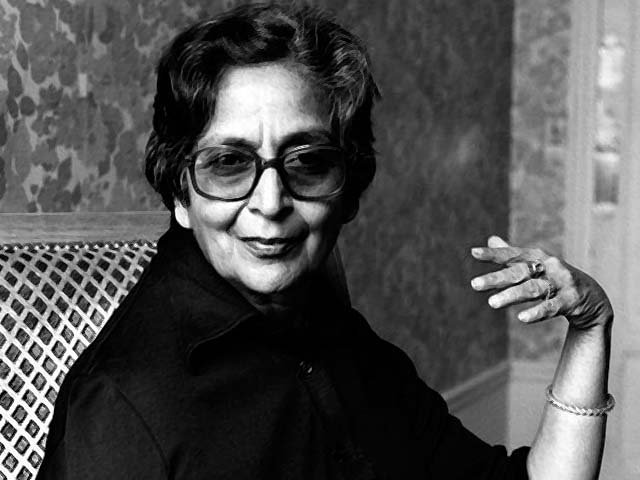
Amrita Pritam (1919-2005) was one the most distinguished Punjabi poets and fiction writers. She was born in Mandi Bahauddin, Punjab and was living in Lahore when in 1947 she, along with the millions others, was forced to migrate during the partition of the Punjab.

Her first collection of poems Amrit Lehrcm was published in 1936 when she was barely 17 years old. Starting as a romantic poet, she matured into a poetess of revolutionary ideas as a result of her involvement with the Progressive Movement in literature.

Ajj Aakhaan Waris Shah Nu (Today I Say unto Waris Shah) is a heartrending poem written during the riot-torn days that followed the partition of the country. (Apnaorg.com). The poem is addressed to Waris Shah, (1706 -1798), a Punjabi poet, best-known for his seminal work Heer Ranjha, based on the traditional folk tale of Heer and her lover Ranjha. Heer is considered one of the quintessential works of classical Punjabi literature.

Her body of work comprised over 100 books of poetry, fiction, biographies, essays, a collection of Punjabi folk songs and an autobiography that were all translated into several Indian and foreign languages

Ajj Aakhaan Waris Shah Nu (Today I Say unto Waris Shah – Ode to Waris Shah)

Translation from the original in Punjabi by Khushwant Singh. Amrita Pritam: Selected Poems. Ed Khushwant Singh. (Bharatiya Jnanpith Publication, 1992)

 To Waris Shah I turn today!

Speak up from the graves midst which you lie!

In our book of love, turn the next leaf.

When one daughter of the Punjab did cry

You filled pages with songs of lamentation,

Today a hundred daughters cry

0 Waris to speak to you.

O friend of the sorrowing, rise and see your Punjab

Corpses are strewn on the pasture,

Blood runs in the Chenab.

Some hand hath mixed poison in our live rivers

The rivers in turn had irrigated the land.

From the rich land have sprouted venomous weeds

flow high the red has spread

How much the curse has bled!

The poisoned air blew into every wood

And turned the flute bamboo into snakes

They first stung the charmers who lost their antidotes

Then stung all that came their way

Their lips were bit, fangs everywhere.

The poison spread to all the lines

All of the Punjab turned blue.

Song was crushed in every throat;

Every spinning wheel’s thread was snapped;

Friends parted from one another;

The hum of spinning wheels fell silent.

All boats lost the moorings

And float rudderless on the stream

The swings on the peepuls’ branches

I lave crashed with the peepul tree.

Where the windpipe trilled songs of love

That flute has been lost

Ranjah and his brothers have lost their art.

Blood keeps falling upon the earth

Oozing out drop by drop from graves.

The queens of love

Weep in tombs.

It seems all people have become Qaidos,

Thieves of beauty and love

Where should I search out

Another Waris Shah.

Waris Shah

Open your grave;

Write a new page

In the book of love.

NOTES

Waris Shah (1706 -1798) was a Punjabi poet, best-known for his seminal work Heer Ranjha, based on the traditional folk tale of Heer and her lover Ranjha. Heer is considered one of the quintessential works of classical Punjabi literature.

Qaido – A maternal uncle of Heer in Heer Ranjha is the villain who betrays the lovers.

The Punjab – the region of the five rivers east of Indus: Jhelum, Chenab, Ravi, Beas, and Sutlej.

When Amrita Pritam called out to Waris Shah in a heartrending ode while fleeing the Partition riots by Nirupama Dutt

I say unto Waris Shah by Amrita Pritam – Poem Analysis

Pritam, Amrita, and Rama Jha. “An Interview with Amrita Pritam.” Indian Literature 25, no. 5 (1982): 183-195.

Butalia, Urvashi. “Looking back on partition.” Contemporary South Asia 26, no. 3 (2018): 263-269.

Miss Universe – Indrani Rahman (1930-99)

The Pakistan Times, July 1952.

I came across this picture in The Pakistan Times, it had caught my imagination, and with little thought for how it might fit into my research I just took a picture of it and then, continued to explore the newspaper for stories on, of and by women. This remained in my photographic archive until recently, when I began to go through the material. The picture still does not fit into the wider project, but it remains striking. It is evidently from the Miss Universe competition, but I knew little of the pageant competition, other than then perhaps how it still continues to resonate with people.

Further probing revealed the Indian representative as the-then Madras-born and intriguingly named Indrani Rahman (1930-99). What could be the (fragmentary) story of this Indian beauty queen appearing in the pages of The Pakistan Times, as a participant of the Miss Universe Pageant held on 28 June 1952, at Long Beach, California? Straightaway her name intrigued me, Indrani is a Hindu name and Rahman is Muslim, yet on the pictures from Miss Universe contest, she appears to wear a bindi on her forehead. Her hair is adorned with the traditional scent of the jasmine flower. These are traditionally worn by married women, especially Hindu women. In total thirty women entered the competition, including the 22-year-old, married and mother of two, Indrani. The competition was eventually won by a 17-year-old Armi Kuusela from Finland. This is what the very first Miss Universe pageant looked like 67 years ago.

The title “Miss Universe” was first used by the International Pageant of Pulchritude in 1926. Subsequently the contest was held annually until 1935, when it was interrupted by the Great Depression and then the Second World War. The current competition was established in 1952 by Pacific Knitting Mills, a California-based clothing company and manufacturer of Catalina Swimwear. The company had sponsored the Miss America pageant until 1951, when the winner, Yolande Betbeze, refused to pose for publicity pictures wearing one of their swimsuits. The ubiquitous swimsuit has remained the source of much discussion, with accusations of objectifying women. Finally recognising the shift in wider attitudes, in 2018 the Miss America contest decided to end the Swimsuit element and focus more on the achievements of the contestants. (Miss America Ends Swimsuit Competition, Aiming to Evolve in ‘This Cultural Revolution’ – The New York Times)

Indrani was the daughter of Ramalal Balram Bajpai (1880-1962) and Ragini Devi (1893-1982) (nee Ester Luella Sherman). Ramalal, a chemist by training, had been an Assistant editor of Young India, a magazine established by the Punjabi nationalist politician, Lala Lajpat Rai, and, after India gained independence, he was appointed as Consul General at New York. Ragini on the other hand, became increasingly passionate about Indian classical dance, and championed the revival of Kathakali.

Already then Indrani’s family were unconventional. Few people in India grew up in mixed-race backgrounds, and indeed even in contemporary India. By the age of 15, in 1945 Indrani herself had eloped and married Habib Rahman (1915–1995), a well-known Indian architect. Soon after her son Ram Rahman was born followed by a daughter, Sukanya Rahman. Habib Rahman worked on iconic places such as Delhi Zoological Park, Gandhi Ghat, and Rabindra Bhavan. He studied at MIT and was the first Indian to complete his Masters in Architecture there in 1944. Rahman was the recipient of the Padma Shri (1955) and Padma Bhushan (1974). Likewise, Indrani was awarded the Padma Shri (1969) and the Sangeet Natak Akademi Award (1981).

This upbringing and early experiences show that Indrani grew up in a much more cosmopolitan milieu that was possibly perhaps only for those in positions of power or the privileged class. Her mother, though Ragini by name, would certainly not have discarded her own cultural upbringing in America. This most likely also played a part in Indrani having fewer inhibitions in participating in beauty contests.

Before Indrani entered the Miss Universe contest, she had already been crowned Miss India, 1952. As side-note, the famous actress of Hindi cinema, Nutan, also started out by entering and being crowned Miss India in 1951 and Miss Mussorie in 1952. The first Miss India was Pramila (Esther Victoria Abraham), from Calcutta, who won in 1947, interestingly the same year that India got Independence.  

A news report about this appeared on April 5, The New York Times in 1952 reads thus: “Indian traditionalism was further shocked by the fact that a married woman, Mrs. Indrani Rehman [sic] of Calcutta, was chosen as the winner. As Mrs. Rehman is a Moslem, her participation was especially defiant of custom, since old-style Moslem women, particularly wives, are even more secluded than their Hindu sisters. Emphasizing the departure from Indian tradition even further, the first Miss India is half-American,” (Sara Hussain , 21 Jul 2016)

Besides having the accolade of being the first Indian to take part in the Miss Universe, Indrani was and remained an accomplished classical dancer. She travelled with her mother around the world performing and taking the passion of Bharata Natyam, Kuchipudi, Kathakali and Odissi, to the West. A passion which she passed on to her daughter, and indeed, Sukanya Rahman Wicks had also danced on stage with her mother and grandmother.

Further Reading:

Lightfoot, Louise. Louise Lightfoot in Search of India: An Australian Dancer’s Experience. Cambridge Scholars Publishing, 2017.

Rachel Mattson, The Seductions of Dissonance: Ragini Devi and the Idea of India in the United States, 1893-1965 (PhD Diss, NYU, 2004): Selected Publications | rachel mattson (wordpress.com)

Architect Habib Rahman and the making of New Delhi in Nehru’s vision by Vijayta Lalwani, in the Scroll.

See the tribute issue of Architecture + Design on the work of Habib Rahman.

Read more about Ragini Devi, Indrani Rahman and Sukanya Rahman – Dancing in the Family. The Extraordinary Story of the first family of Indian Classical Dance.

Know Thy Dancer – Indrani Rahman | Bharathanatyam and the worldwide web (wordpress.com)

Indrani Rahman – First Miss India to Participate in Miss Universe Contest… (beaninspirer.com)

The first enchantress (asianage.com)

Pictures of Indrani Rahman India Times, 15 Jul, 2016.

The farmer’s thali.