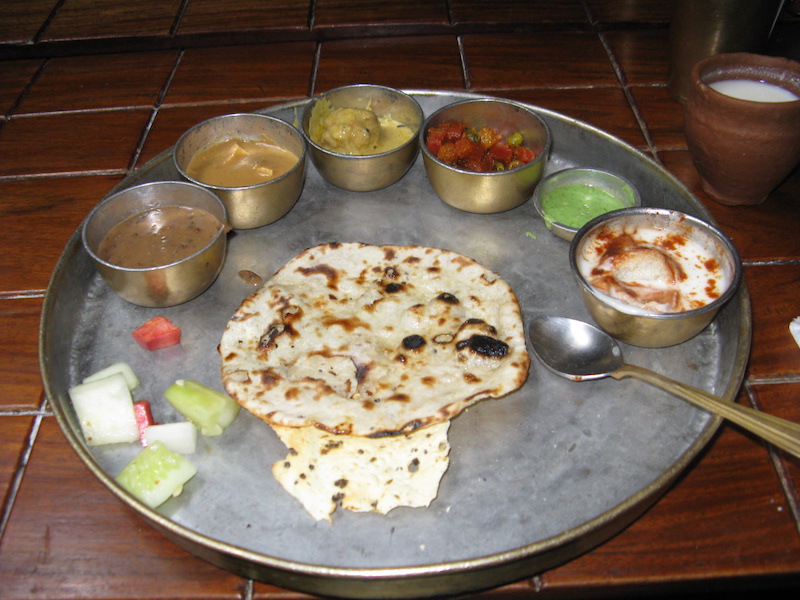
Recalling trips to Punjab are akin to a trip down memory lane, one which is not merely nostalgic but aromatically so, from straying into family kitchens and stopping at road-side dhabas, especially along the great GT Road. The latter used to be a family space too, i.e., often family-run businesses, little more than fragrant kiosks under corrugated roofs and rather full of the ubiquitous truck drivers transporting goods along this artery of north-east India. Perhaps my earliest memory is stopping at one such a stall in 1989, maybe mid-way between Delhi and Ludhiana. It was my first visit home since being taken to settle down in Nakuru, Kenya in 1977 and thereafter Coventry, England in 1982.
As we alighted from my brother-in-law’s eponymous Maruti, he had driven to the Palam airport to receive my mother and me, I realised that this was a familiar, if not favourite, spot of his; a feature of this road and its foodie milestones for its regular customers. It was the month of August and even as we sat outdoors, the canopy shaded us from the humid sun, on a traditional, slightly saggy manja/charpai, made of wooden posts and cotton rope. Back then dhabas dealt in a few but firm staples, serving either veg or non-veg – a term perhaps peculiar to the subcontinent – and this one gave primacy to the vegetarian fare. We stuck to the most popular of these: dal makhani (usually made with urad/black dal), served with copious amounts of makhan/butter and hot rotis. Accompanying this were a few condiments like pyaz/onions, pickles, dahi/yogurt, and to wash it all down was lassi/yogurt drink or karak cha/masala tea, notably to keep the driver going for the remainder of the journey.
Where there is food, there should be flies, especially in the open air of Naipaulian post-monsoon north India and, as a teenager coming from England, a major part of my memory is the visual fragment of blowing away flies, alternating with every other mouthful! Nothing – and no one (!) – had prepared me for their insolent onslaught. But the lingering after-taste of the dal with its distinctly earthy, buttery-ness has remained with me, as has the breezy, people-watching – or, staring-Indian-style – feeling of watching the traffic and people go by. Chatting, eating, and enjoying the essence of being back home.
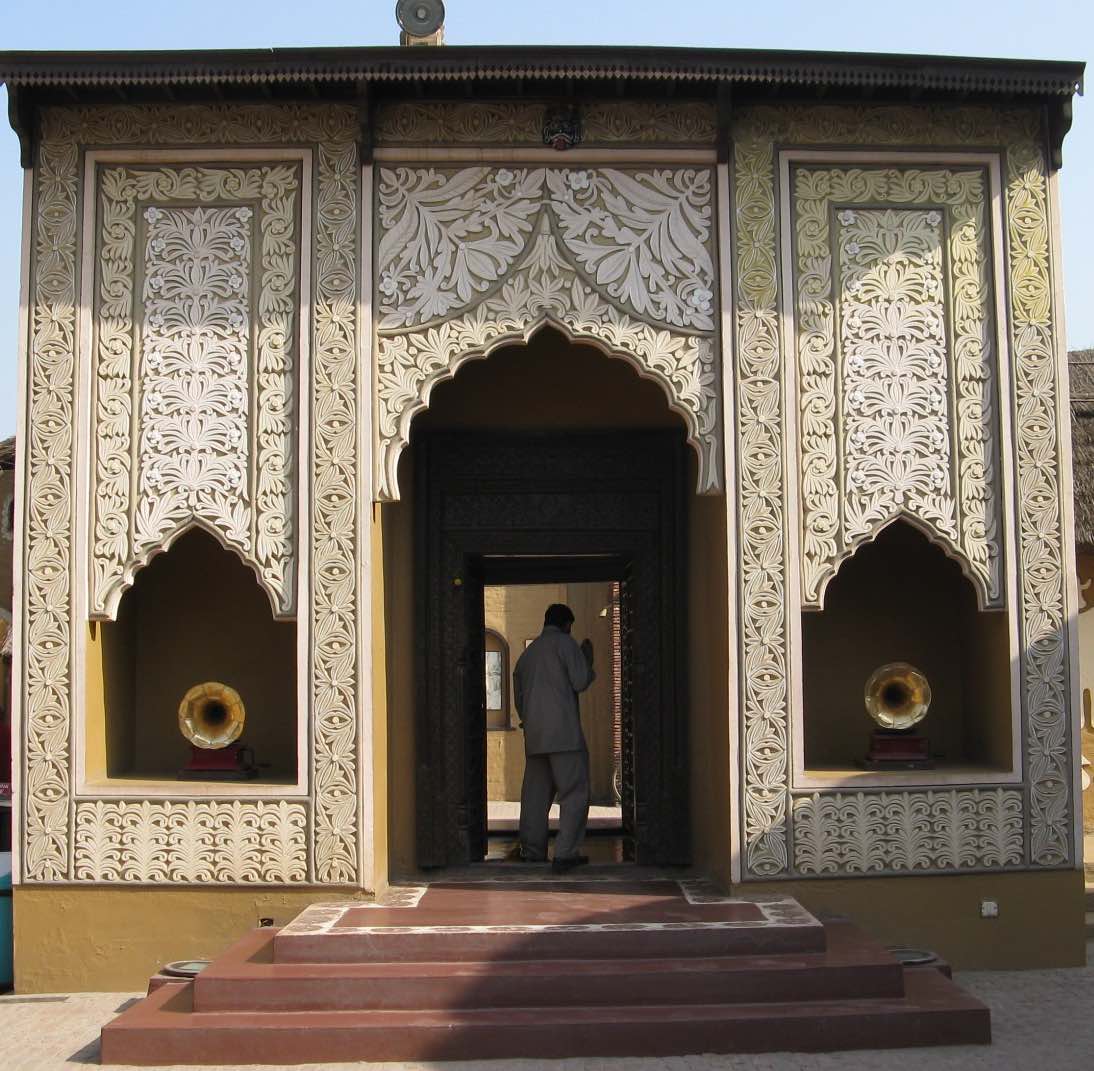
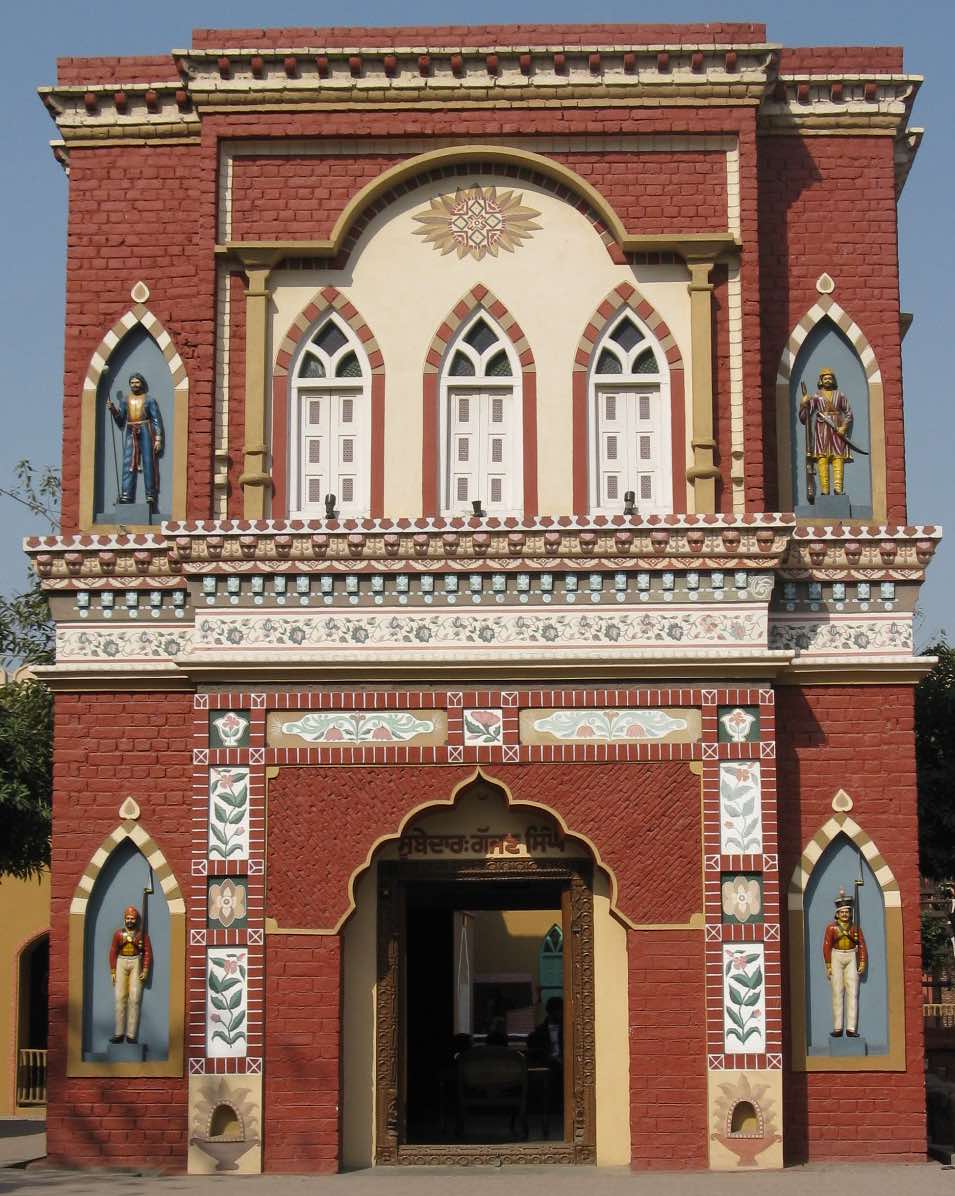
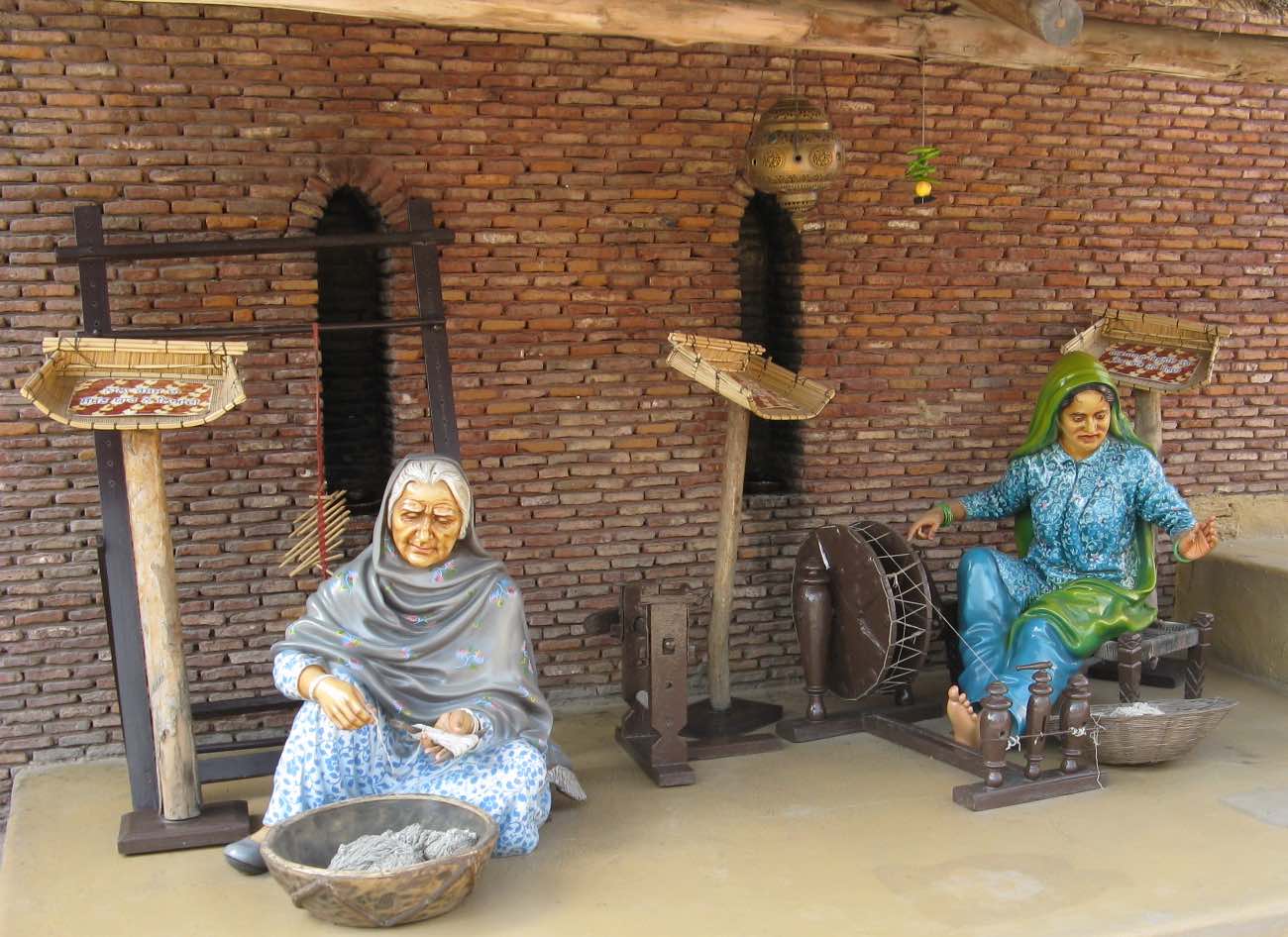
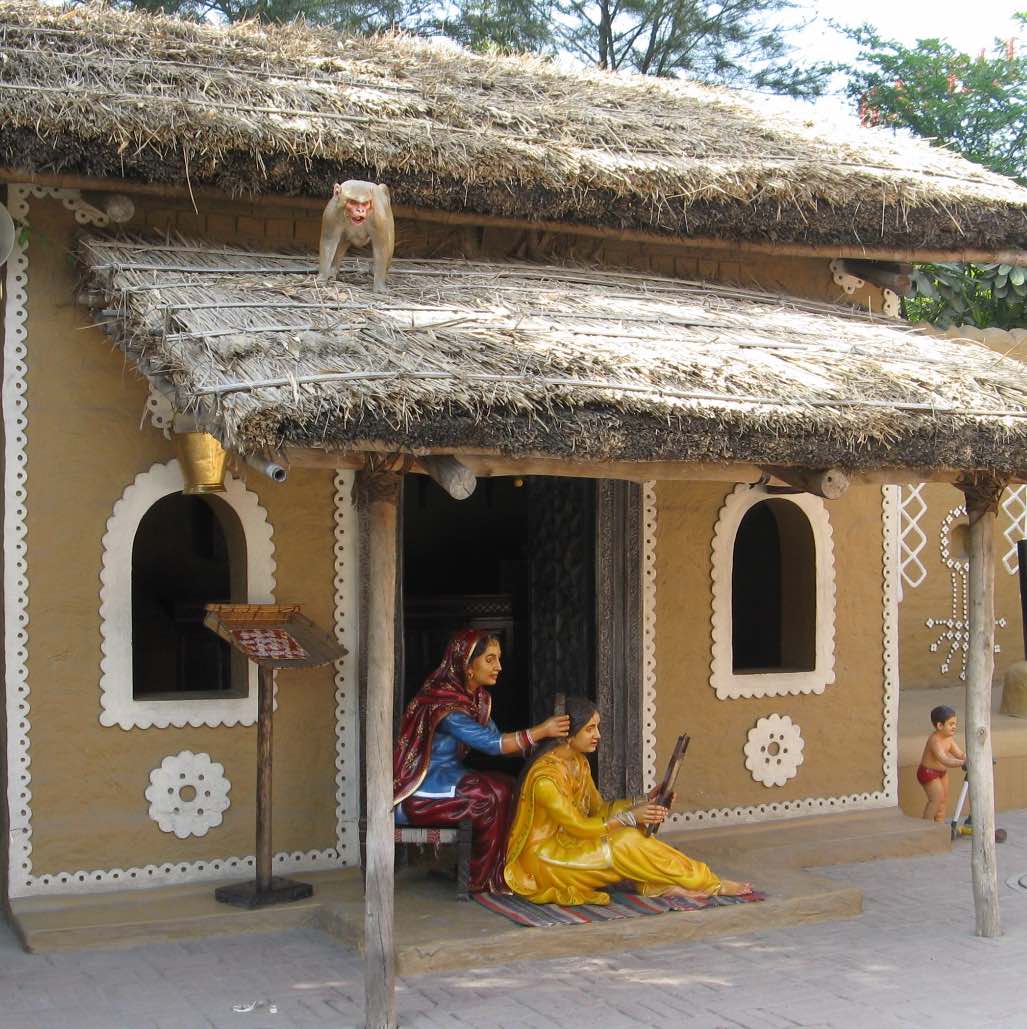
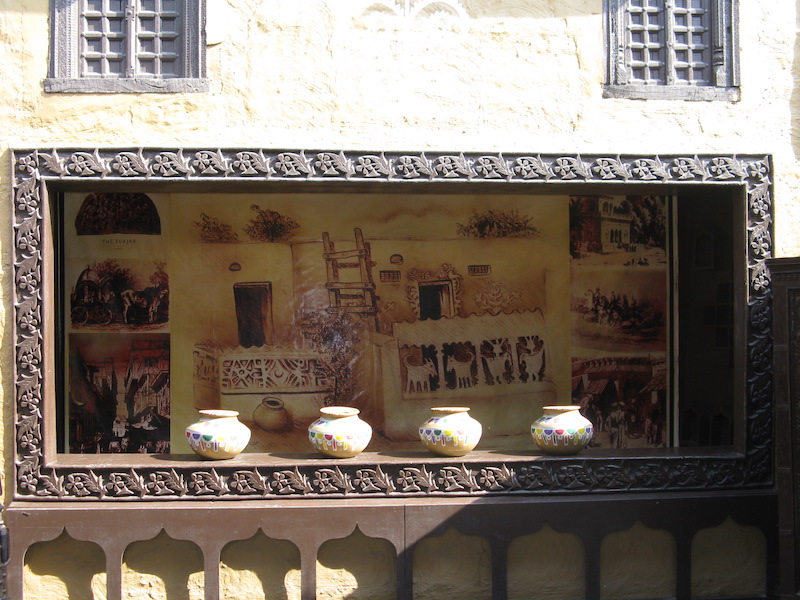
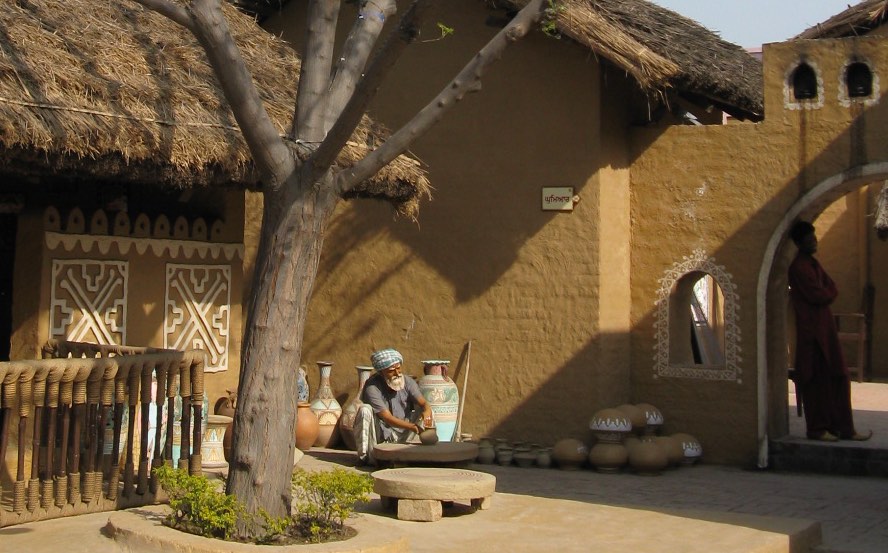
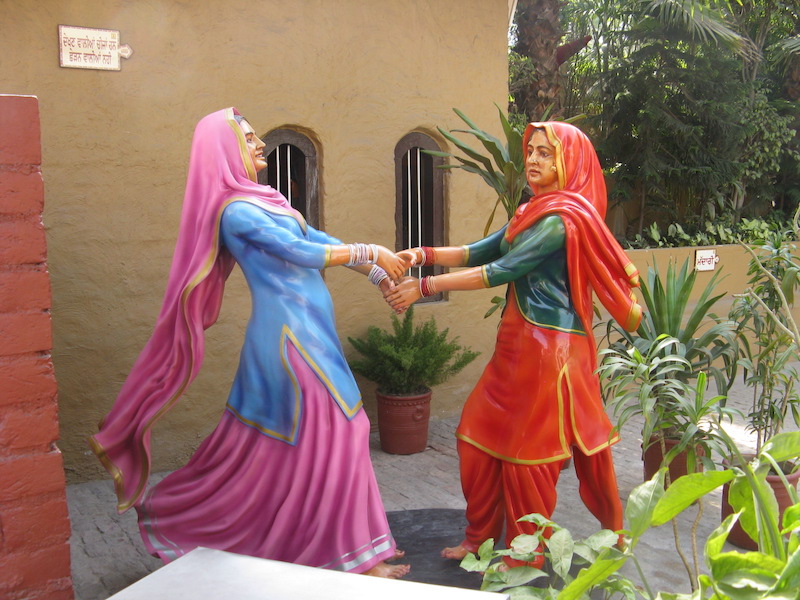
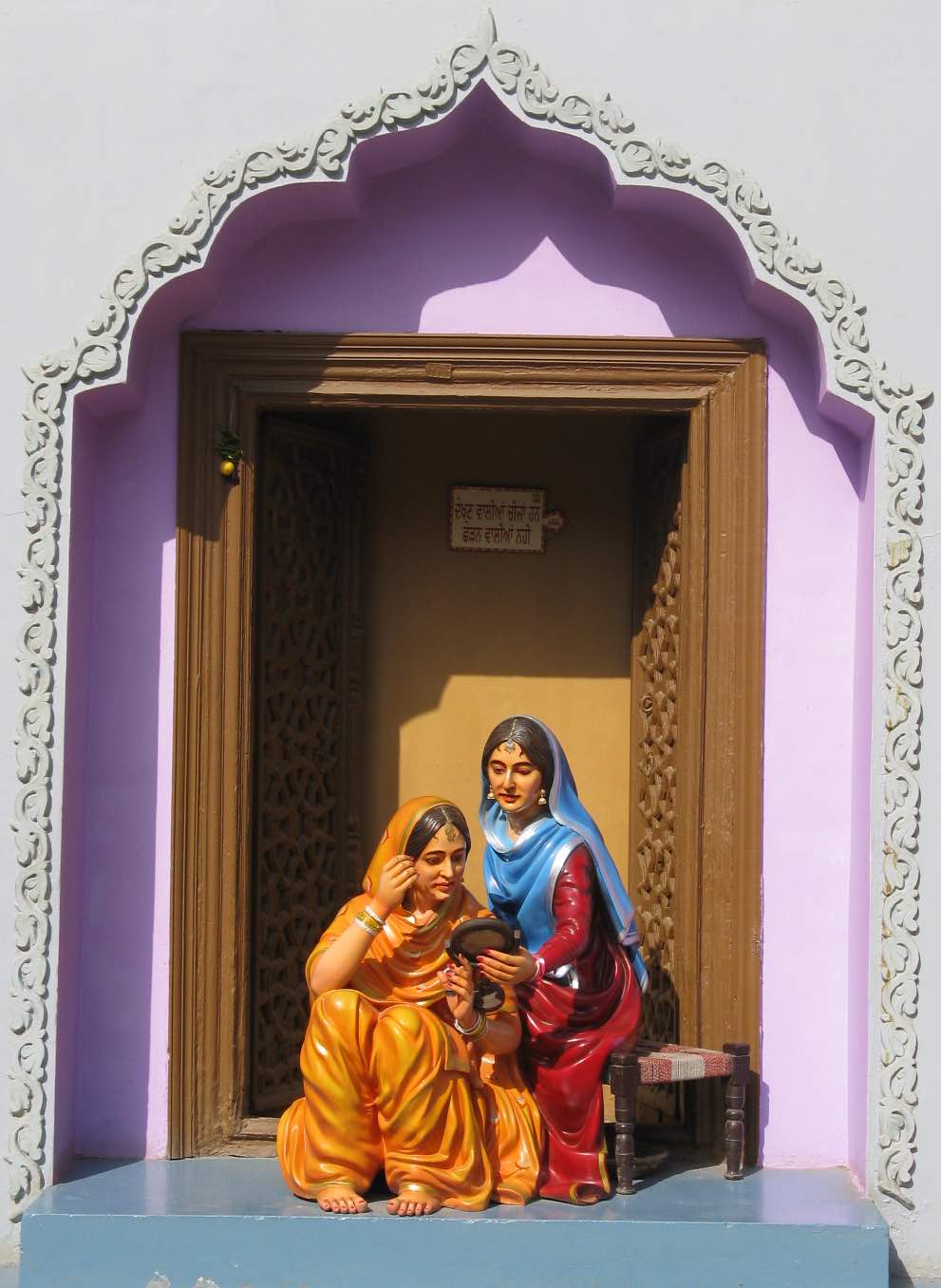
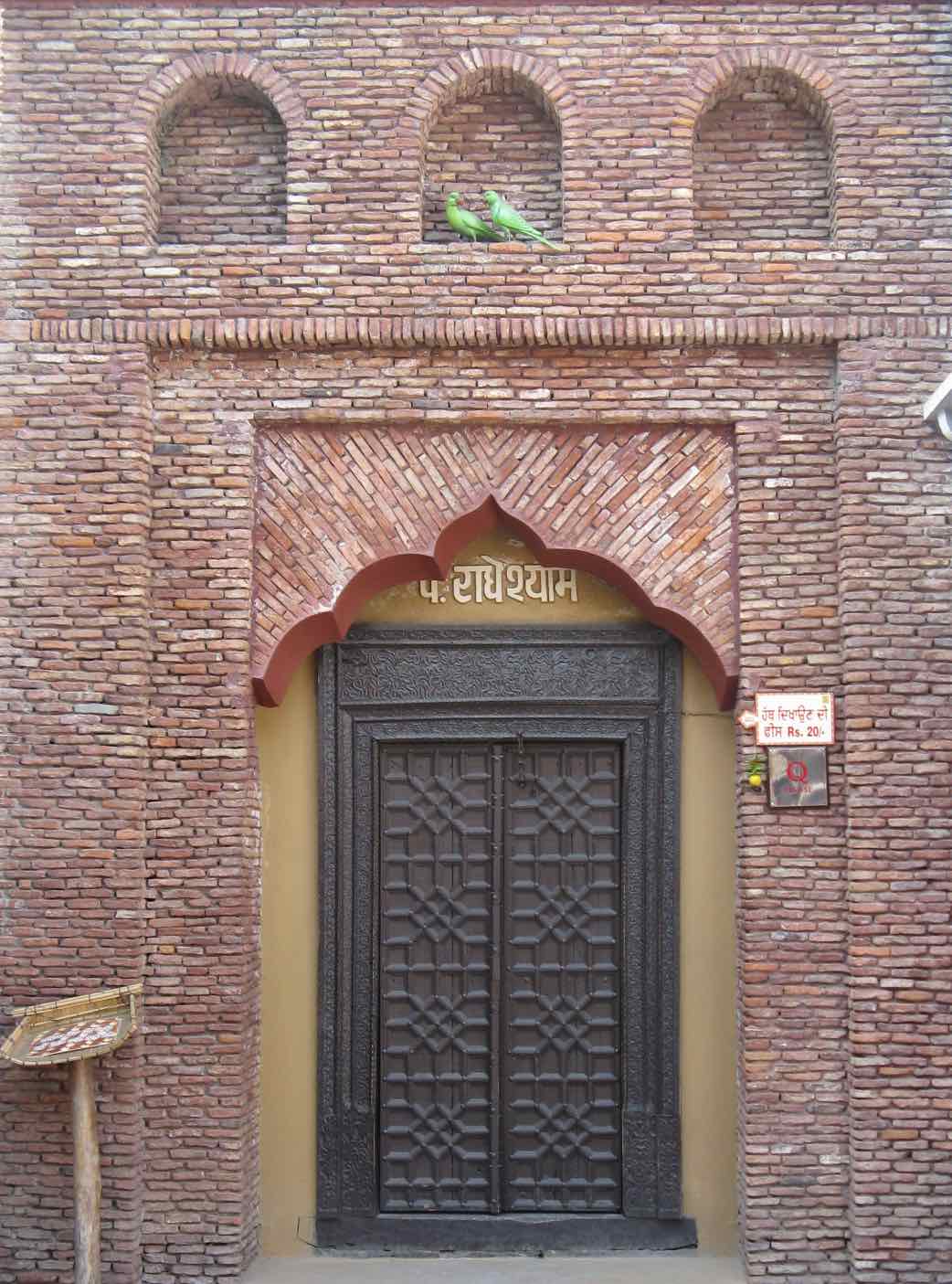
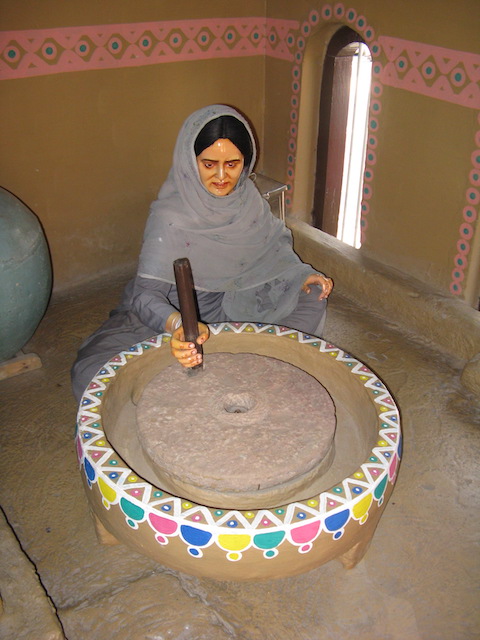
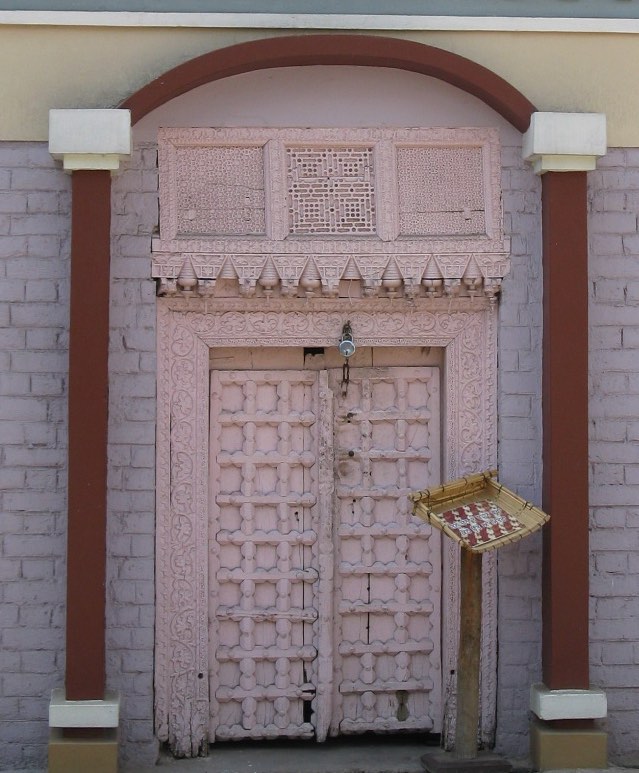
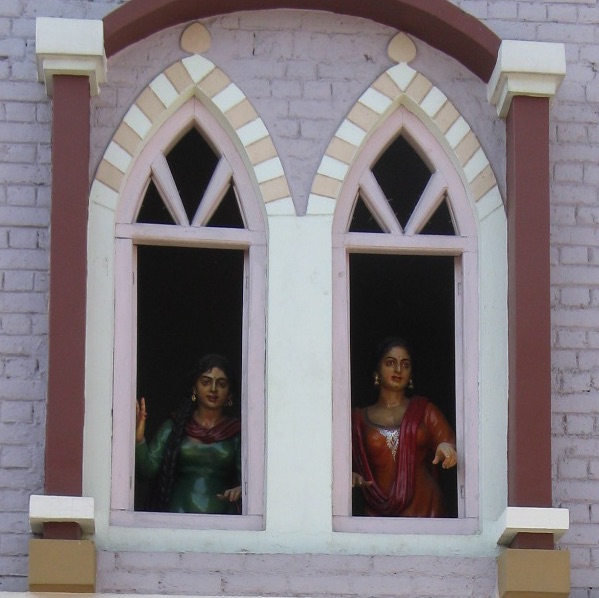
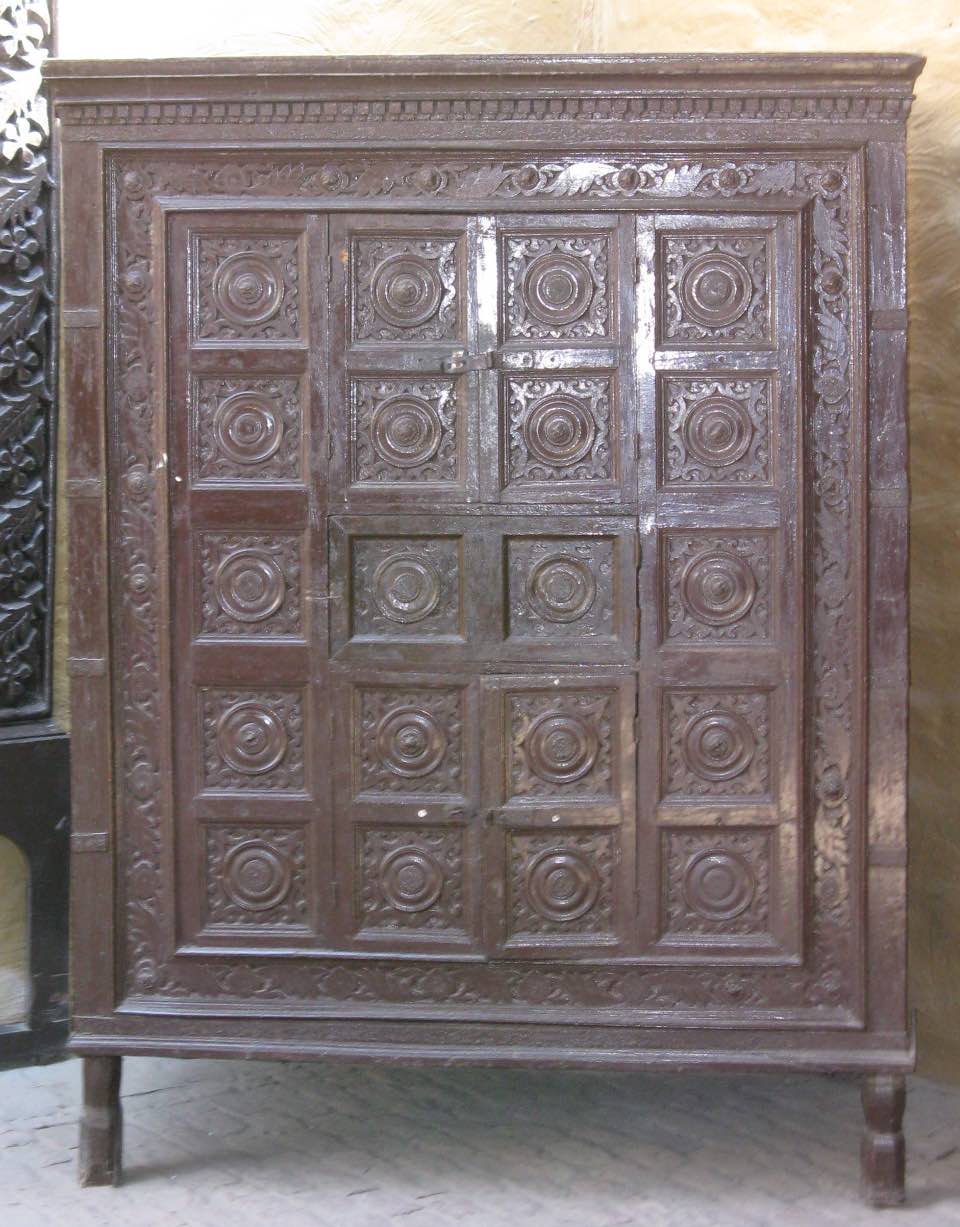
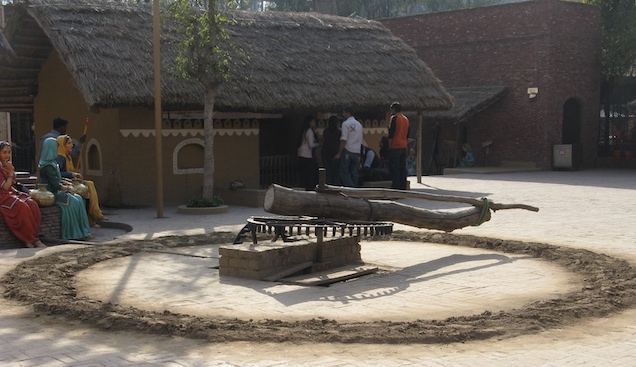
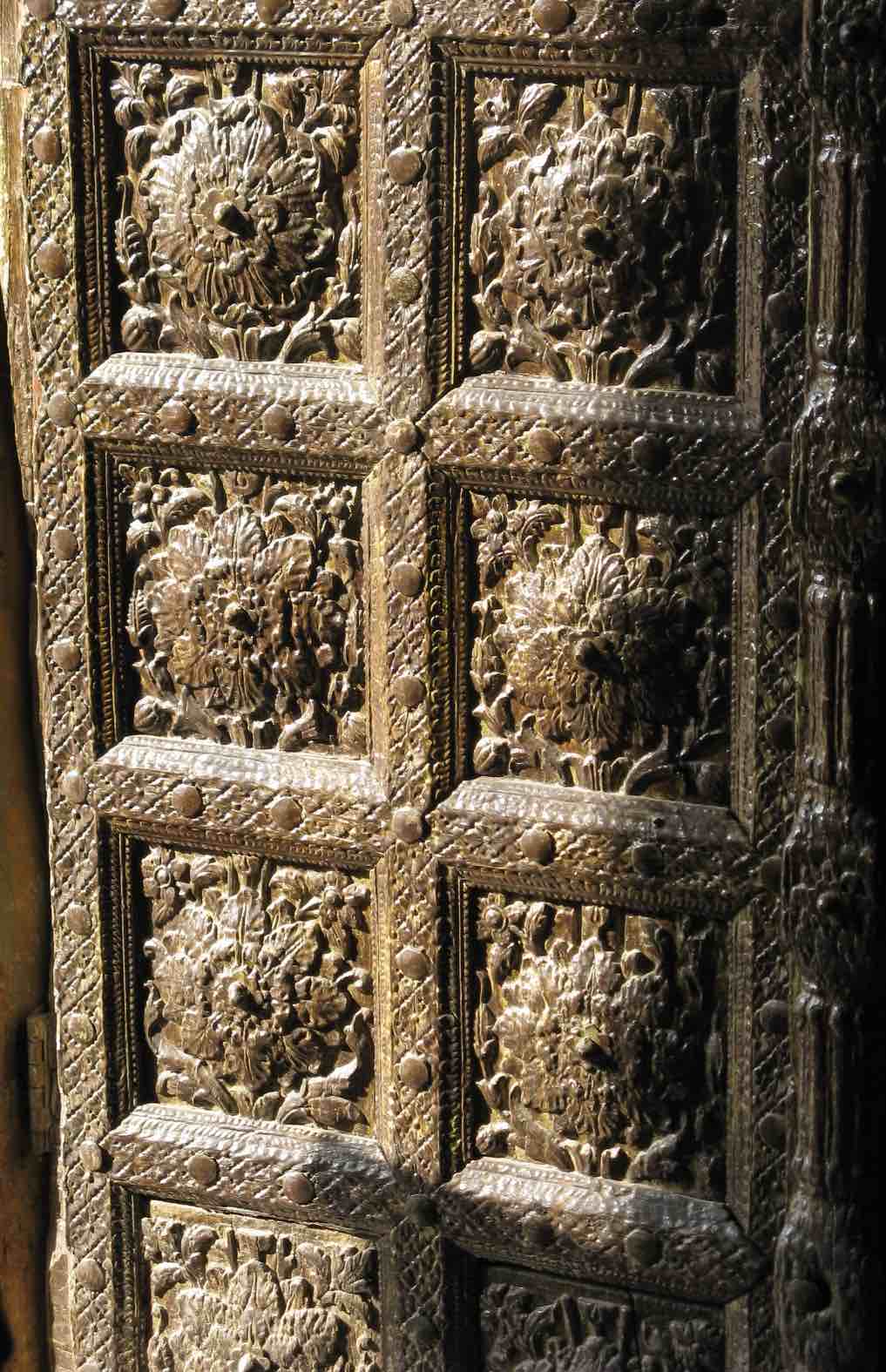
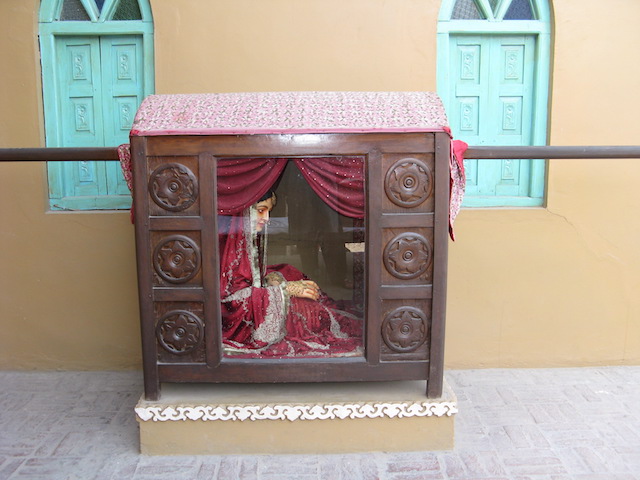
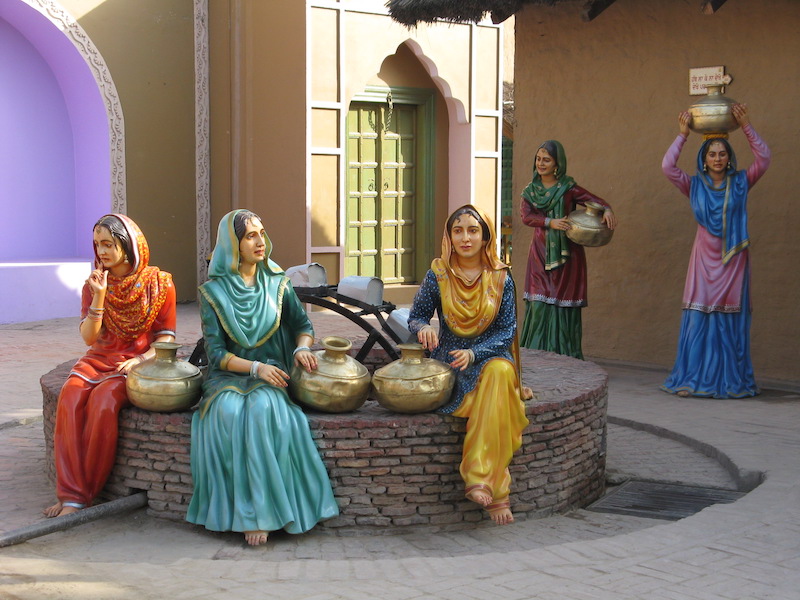
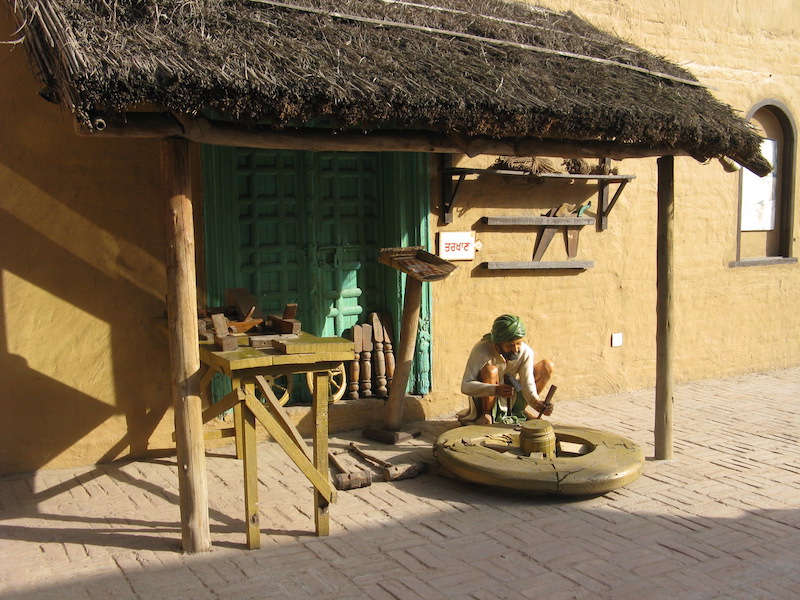
The dhabas not just remain but have metamorphosed into big, loud, air-conditioned restaurants, while being family-friendly; a constant in that ever-changing part of the world. Increasing purchasing power for more in these two-three decades has led to an upward curve in people’s expectations and demands. One of the earliest to step up to (offer) the plate was Haveli, Jalandhar. Its success has led to a number of other branches opening elsewhere, not to mention the imitators and followers. Twenty years after I had first stopped at a dhaba, I first visited the Haveli with my sister, in 2009. I had heard so much about the place in previous conversations. Haveli did not simply serve “traditional” food, it sought to create an “experience” of that traditional age, catering to the wealthy diaspora, who tried hard to reconnect with their roots. Now, therefore nostalgia came at a high price, amidst the sights of a pre-fabricated “themed” restaurant, and accompanied with the Rangla Punjab model village (pictures below from 2009), depicting “typical” village life.
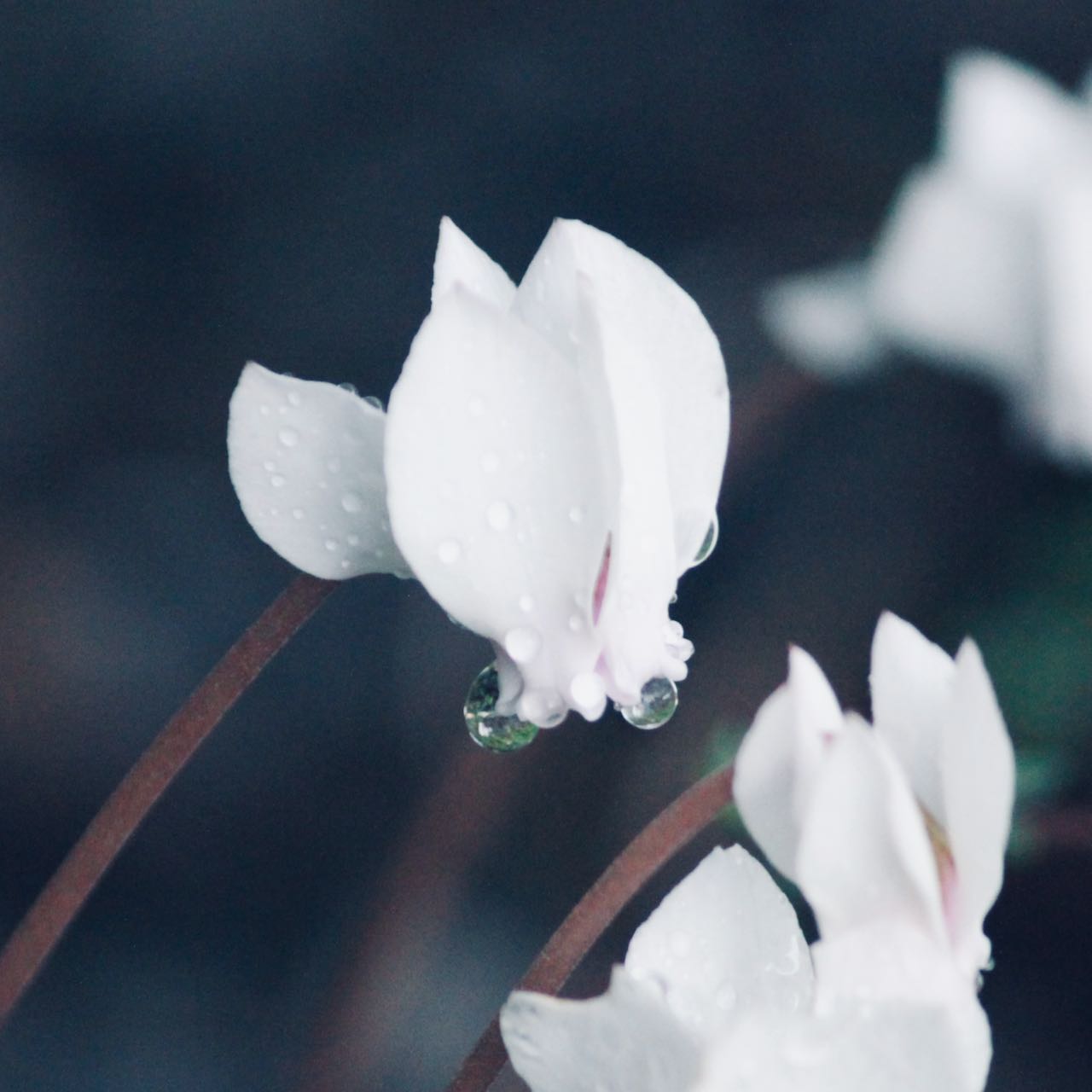
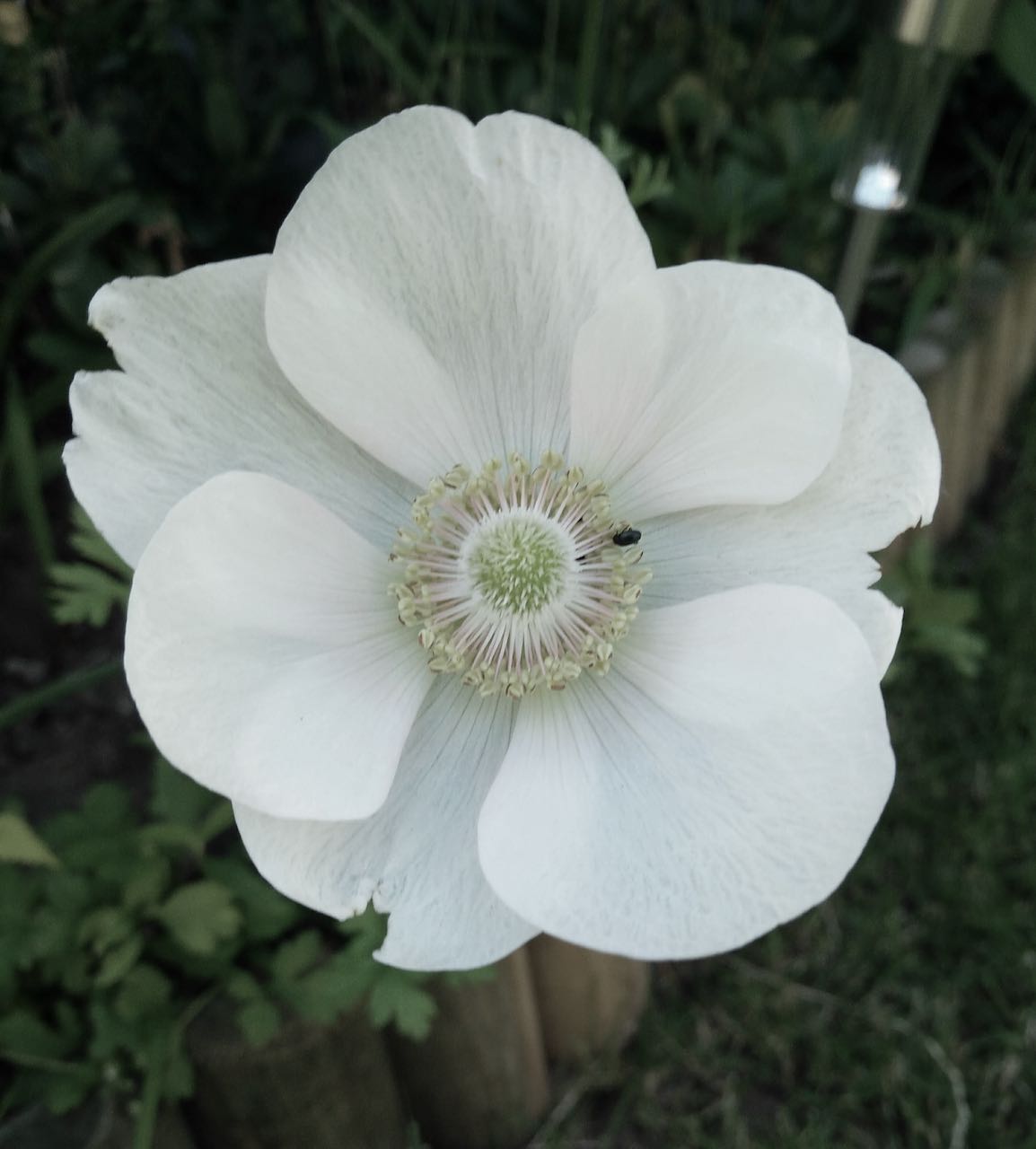
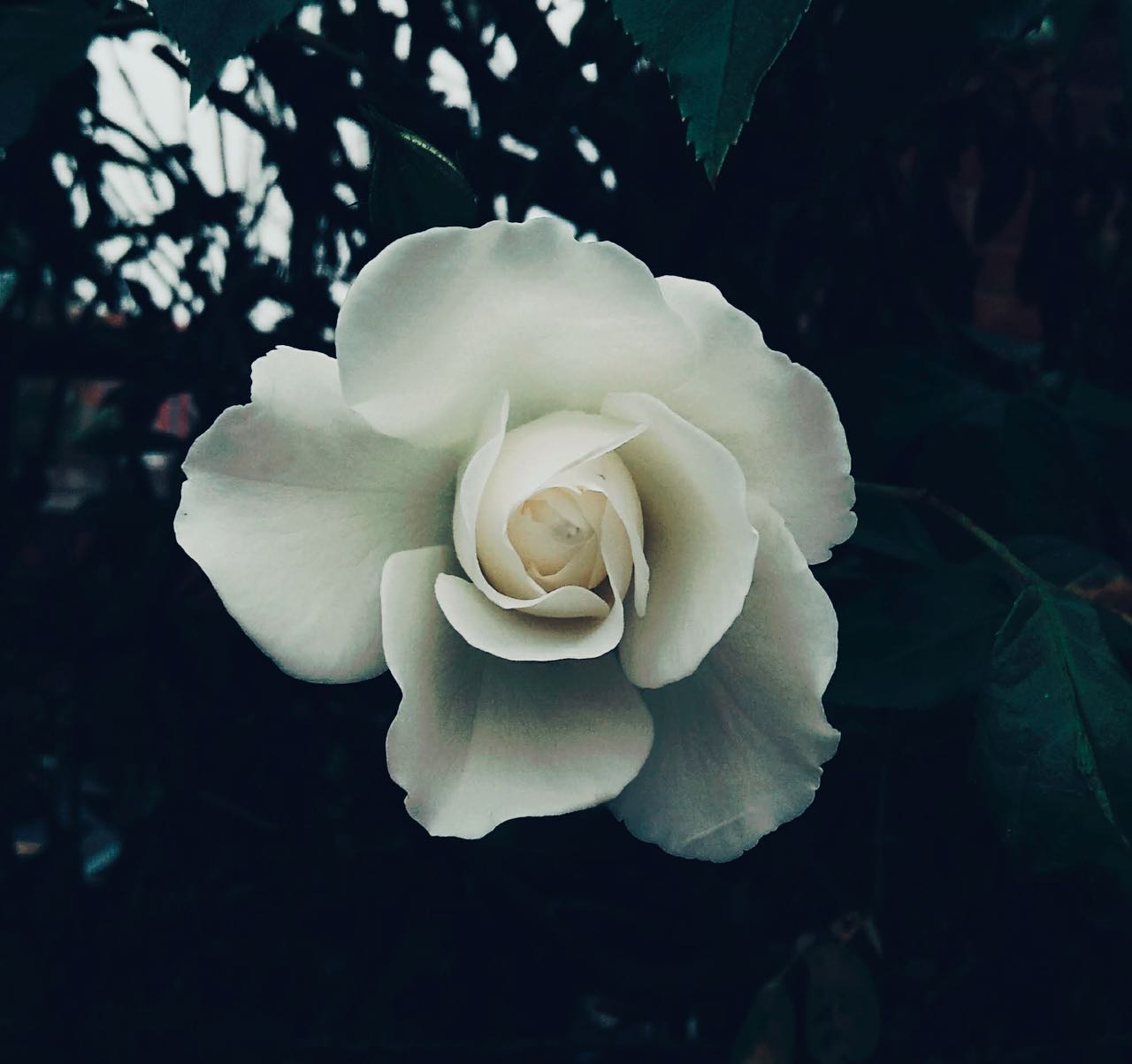
It is the first post of 2021 and I start with the colour white/safed. White is often associated with a sense of peace, purity, innocence, a new beginning, of wiping the slate clean, a blank canvas and opportunity for you to do/write your own acts/words. Some people find white serene, tranquil and pure, while others may feel it is stark and cold; lacking any “colour”. In the occident, the colour white is often associated with weddings, hospitals, and angels and is used to convey a sense of purity and cleanliness. On the other hand, in the orient, white is symbolically linked to a colour of mourning and sadness, but underlying this is also a sense of nothing and renewal.
Here I share the words of poet Benjamin Zephaniah and boxer Mohammad Ali on what happens when you invert black for white…
White Comedy by Benjamin Zephaniah

 I waz whitemailed
 By a white witch,
 Wid white magic
 An white lies,
 Branded by a white sheep
 I slaved as a whitesmith
 Near a white spot
 Where I suffered whitewater fever.
 Whitelisted as a whiteleg
 I waz in de white book
 As a master of white art,
 It waz like white death.

 People called me white jack
 Some hailed me as a white wog,
 So I joined de white watch
 Trained as a white guard
 Lived off the white economy.
 Caught and beaten by de whiteshirts
 I waz condemned to a white mass,
 Don't worry,
 I shall be writing to de Black House.
The moon is a multipurpose muse, at once a symbol of ishq (love), taqwa (piety), tanhaai (loneliness), hairat (wonder), khushi (happiness) and arzoo (longing). In Urdu literature, the moon manifests in all forms: aadha chaand (half moon), poora chaand or chaundhavi ka chaand (full moon) and badli ka chaand (moon hidden in clouds). The moon has also been a symbol of the poet’s promise to the beloved, with “tumhare waste main chaand tod laaunga (I will pluck out the moon for you),” being a familiar refrain.
‘The many moods of the moon; Urdu poetry’s favourite muse’, by Nawaid Anjum, July 22, 2019, The Indian Express
Nothing is more important than life itself Nothing is as sacred as love Thoughts dissolves in the notion of togetherness The heart of gold shines through
The freshness of first breeze breathe Simmering white dandelion on thin air of hope The soul of green grasses, in the early morning sun On the mistery music of the forest The goddess of beauty dances, arms wide open
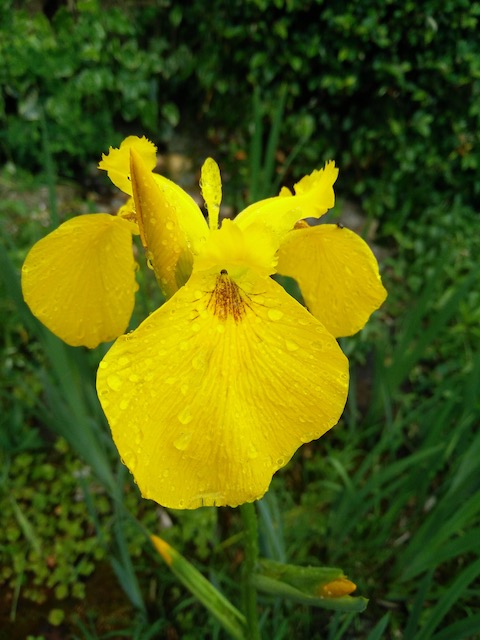
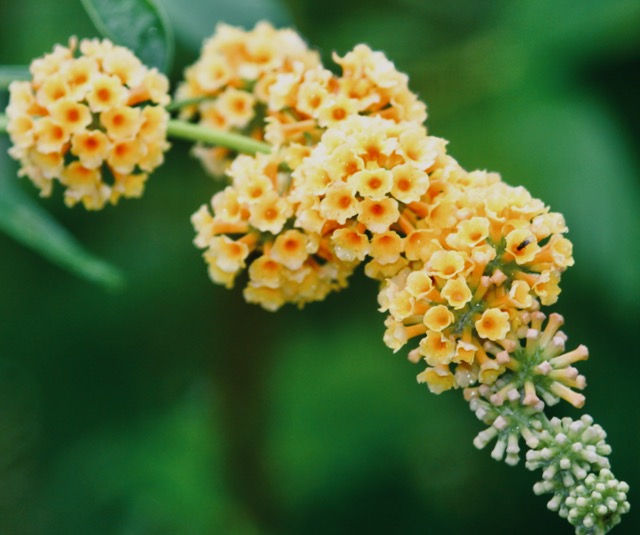
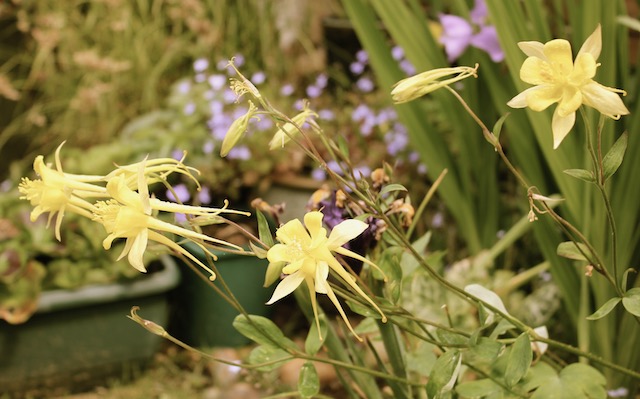
Upon heart of trance The flower bloosoms Yellow And the heart shines gold Heart of gold shines through And the heart shines gold
Saifuddin Saif was born in Amritsar in 1922. He wrote some very powerful poems during his college days. He was always inclined towards writing for films, but the films for which he had written lyrics before partition were not released due to the unfavorable conditions in the subcontinent. Saif penned songs for Teri Yaad (1948) which was the first film to be released in Pakistan and received admiration for the freshness of his poetry. (courtesy of Rekta: https://www.rekhta.org/Poets/saifuddin-saif/profile)
Habib Jalib was born in 1928 in Hoshiarpur, East Punjab. He migrated to Pakistan after partition and worked as a proof reader in Daily Imroze, Karachi. Read further about him: https://www.letsstartthinking.org/Pakistan/personalities/habib-jalib.php. All his poetry is available via Rekhta. Below is the poem Bagiya Lahoo Luhan-The Garden Is A Bloody Mess. The poem is about the oppression in East Pakistan in 1971 but unfortunately it continues to resonate, even today.
Bagiya Lahoo Luhan
Haryali ko aankhen tarsen bagiya lahoo luhan
Pyar ke geet sunaoon kis ko shehar hue weeran
Bagiya lahoo luhan

Dasti hain suraj ki kirnen chand jalaye jaan
Pag pag maut ke gehre saye jeewan maut saman
Charon ore hawa phirti hai le kar teer Kaman
Bagiya lahoo luhan

Chhalni hain kaliyon ke seeney khoon mein lat paat
Aur nahjaney kab tak hogi ashkon ki barsaat
Dunya walon kab beeteinge dukh ke yeh din raat
Khoon se holi khel rahe hain dharti ke balwan
Bagiya lahoo luhan
The Garden Is A Bloody Mess
Our eyes yearn for greenery
The garden is a bloody mess
For whom should I sing my songs of love
The cities are all a wilderness
The garden is a bloody mess

The rays of the sun, they sting
Moonbeams are a killing field, no less
Deep shadows of death hover at every step
Life wears a skull and bone dress
All around the air is on prowl
With bows and arrows, in full harness
The garden is a bloody mess

The battered buds are like a sieve
The leaves drenched in blood smears
Who knows, for how long
We’ll have this rain of tears
People how long do we have to bear
These days and nights of sorrow and distress
This oppressor’s blood bath is a frolicsome play
For the mighty of the world, a mark of their prowess
The garden is a bloody mess

Source: Revolutionary Democracy

































































 BAGICHA