English Translation by Agha Shahid Ali

It is spring, And the ledger is opened again.
From the abyss where they were frozen,
those days suddenly return, those days
that passed away from your lips, that died
with all our kisses, unaccounted.
The roses return: they are your fragrance;
they are the blood of your lovers.
Sorrow returns. I go through my pain
and the agony of friends still lost in the memory
of moon-silver arms, the caresses of vanished women.
I go through page after page. There are no answers,
and spring has come once again asking
the same questions, reopening account after account.
Listen to Tina Sani and Shabana Azmi’s rendition of the poem.
In 1990 President George H. W. Bush approved a joint resolution designating November 1990 “National American Indian Heritage Month.” Similar proclamations, under variants on the name (including “Native American Heritage Month” and “National American Indian and Alaska Native Heritage Month”) have been issued each year since 1994. Read more about this.
At the same time I can’t help but notice that more detailed demographic data emerges from the ONS, in which ‘Leicester and Birmingham have become the first “super-diverse” cities in the UK, where most people are from black, Asian or minority ethnic (BAME) backgrounds, according to the 2021 census’. Read further ‘Diversity is a beautiful thing’: the view from Leicester and Birmingham. As I’m based in Leicester, I hope to explore some of the recent changes in the city in more detail.
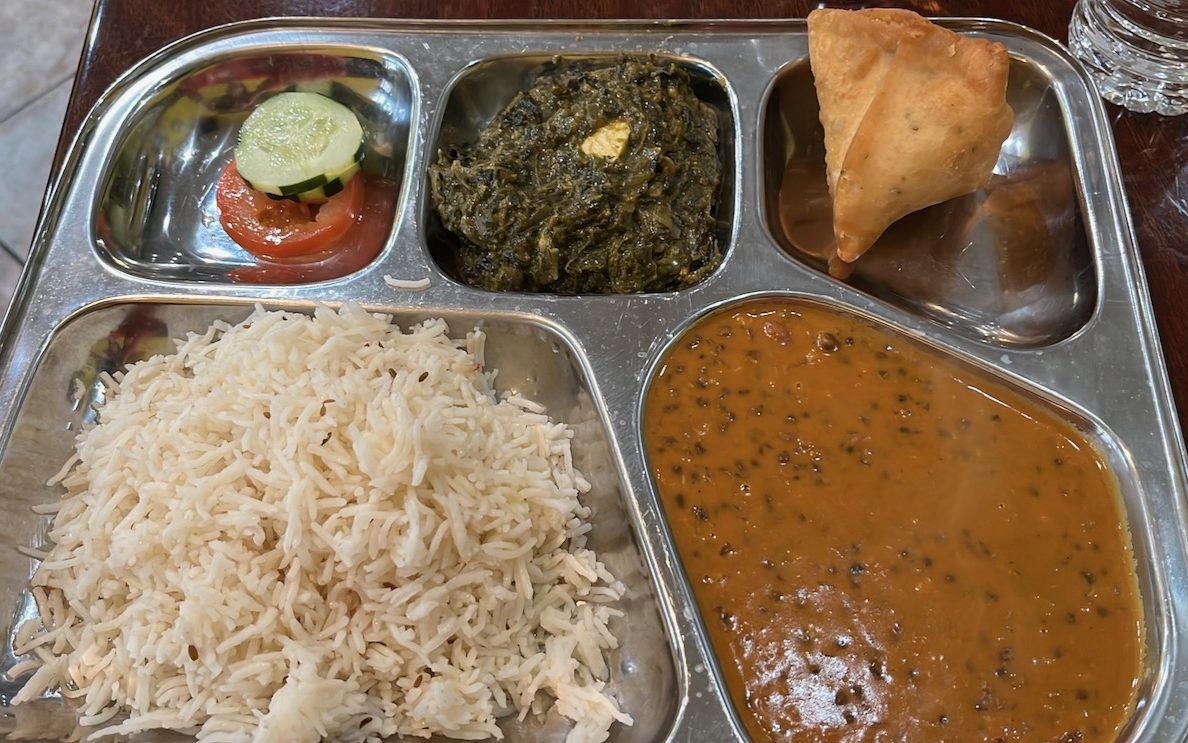
A basic thali with palak paneer, daal and rice.
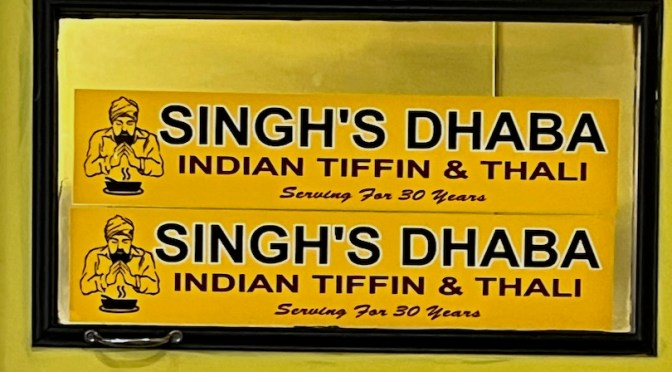
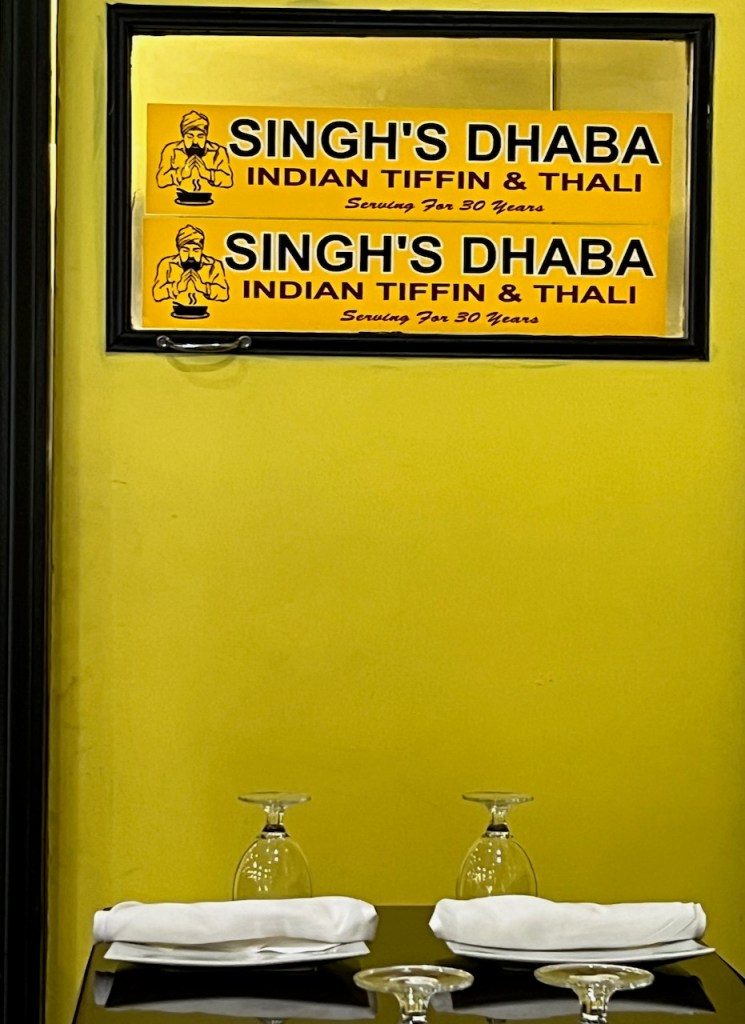
In the meantime, I indulge in the desi ‘home made’ food offered by Mr Harpreet Singh at Singh’s Dhaba. He established his business in 1990 and like many other diasporic Sikhs he came from Virk, a village near Phagwara, in the Jalandhar district.
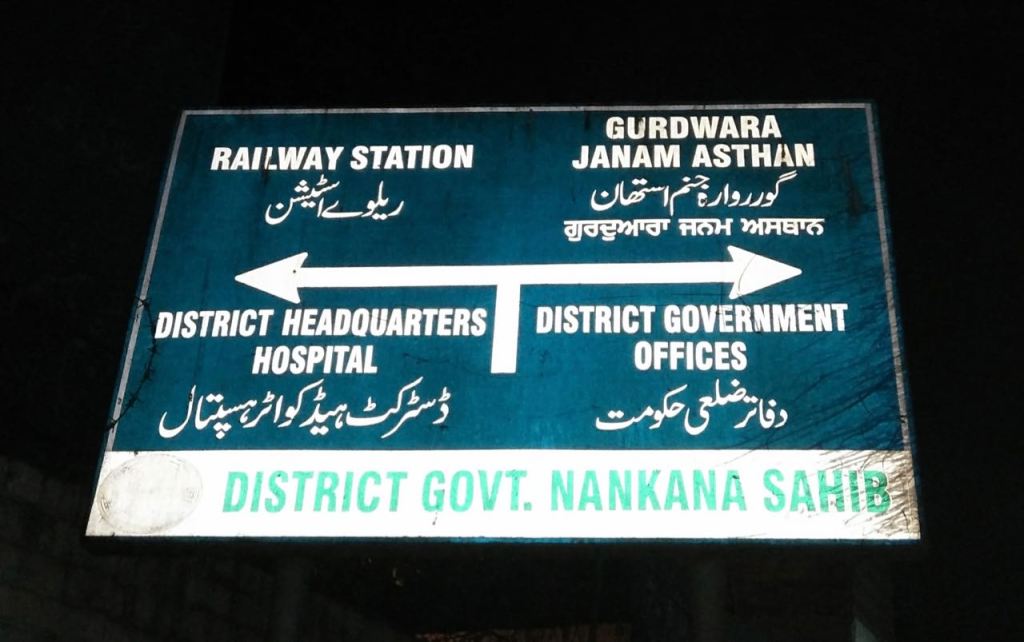
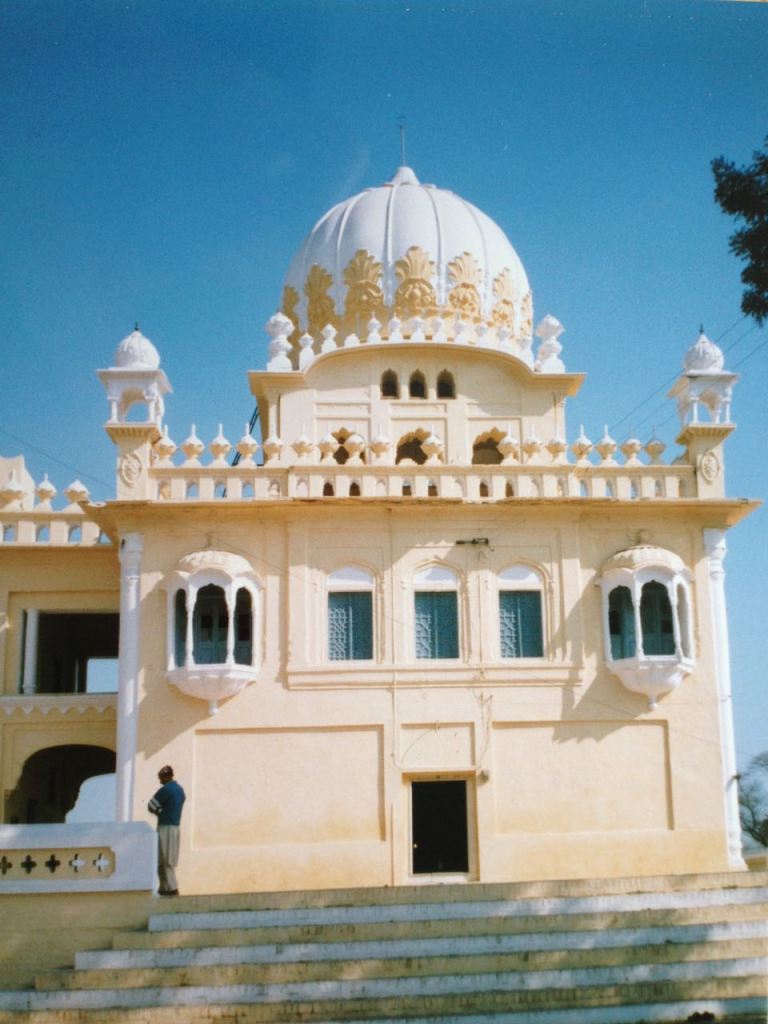
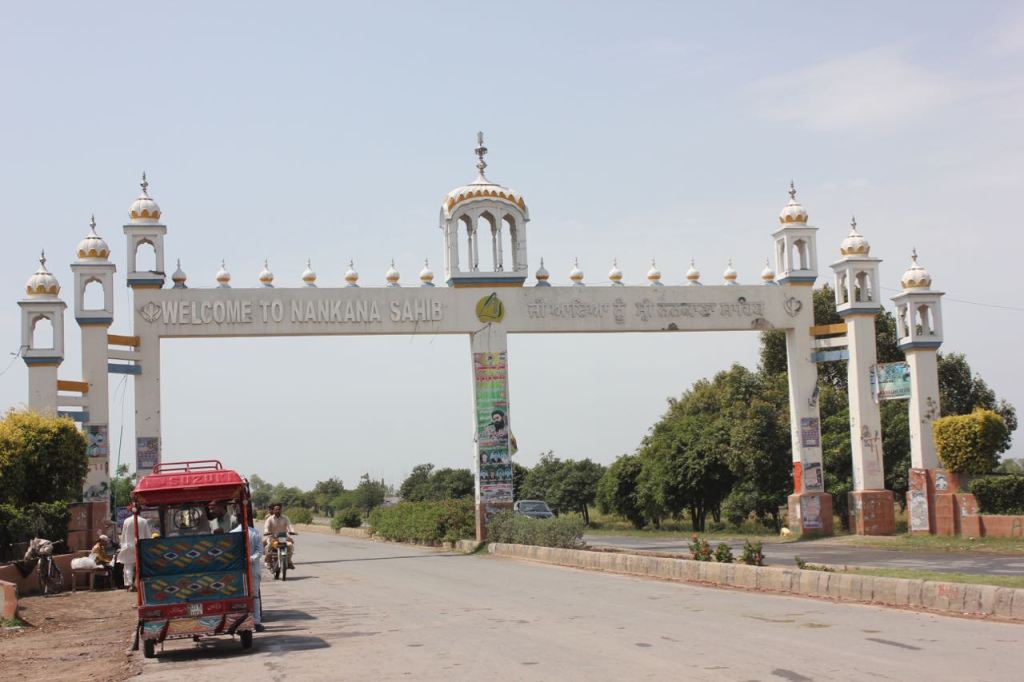
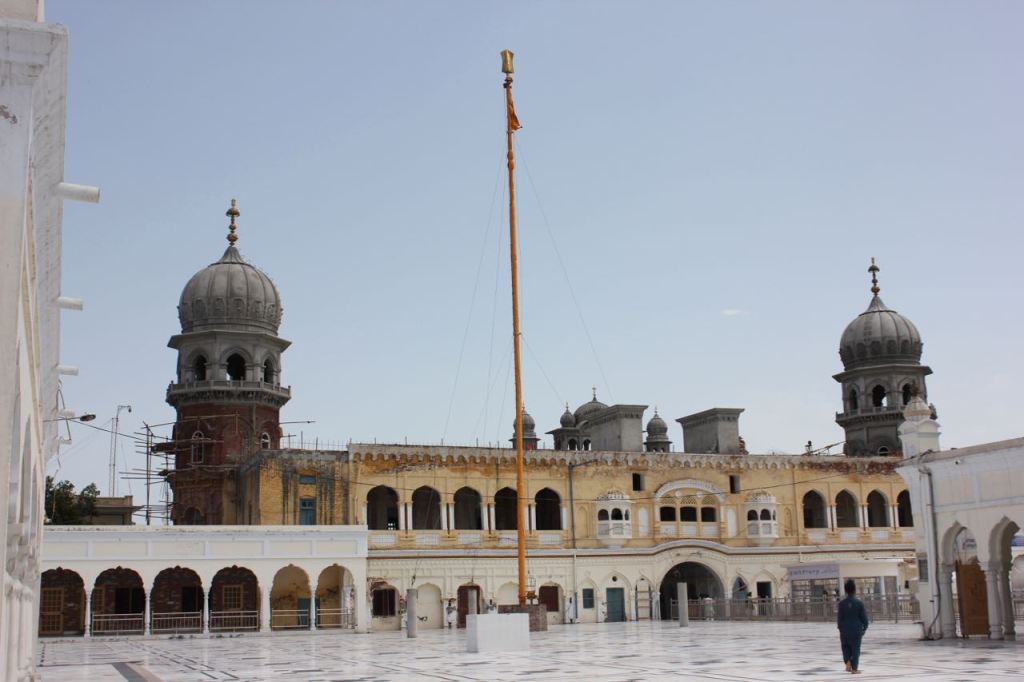
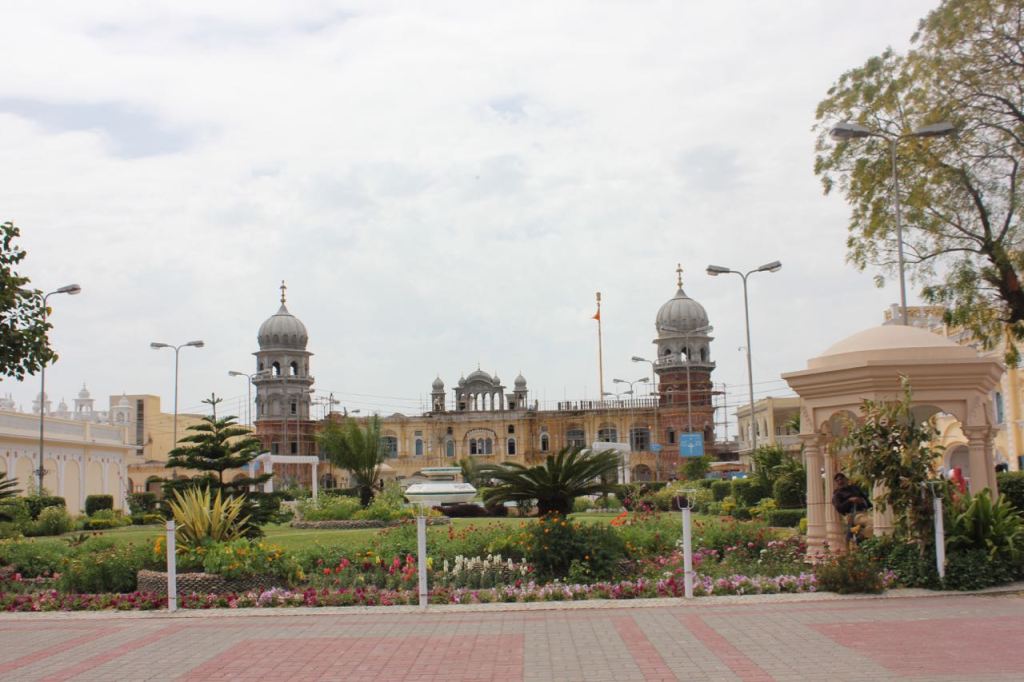
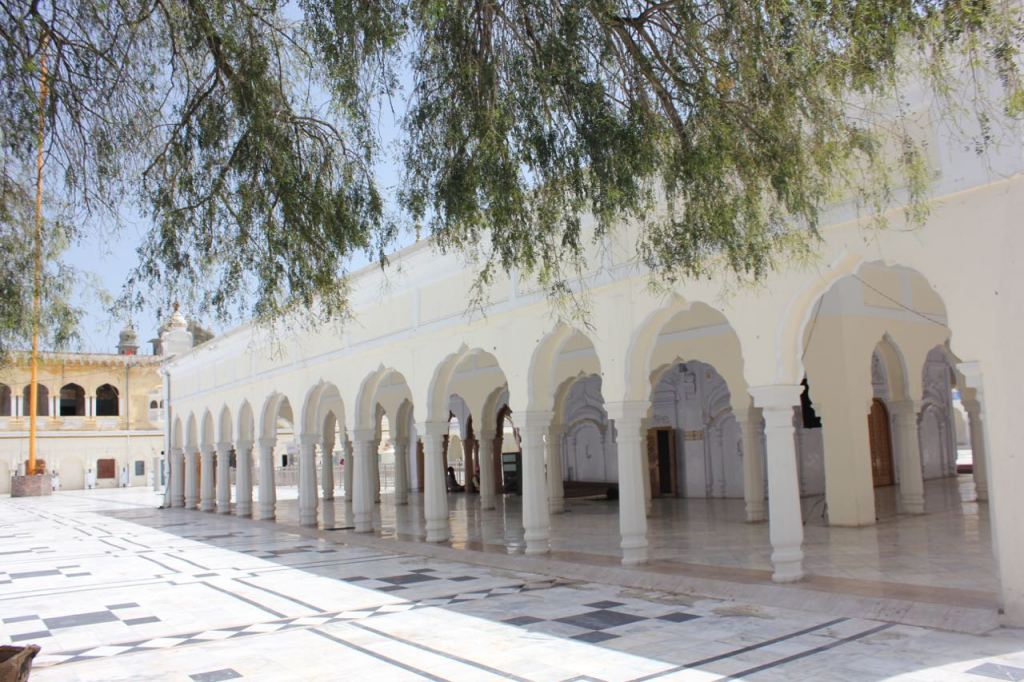
Nankana Sahib is the Birthplace of Guru Nanak. This town was originally known as Talwandi of Rai (Rai Bhoi di Talwandi) and today it forms the core of the small Sikh community in Pakistan. Every year on Guru Nanak’s birthday (Gurpurab), Sikhs (and others) gather around Nankana Sahib to remember the founder of the Sikh faith. Over the years the Gurdwara complex has grown considerable. I first went there in 2003 when it was a small gurdwara with a largely Pathan Sikh community of about 50 families who lived there. The last time I went there was on Gurpurab in 2016, and the small town was transformed into a mela of 20-30,000 people from around Pakistan, including the Nanak Panthis (mostly from Sindh) and Sikhs from around the globe (including India). The area now has district status and attracts the Sikh diaspora, who come here in huge numbers on pilgrim visas. The growth in the pilgrims and tourism is one of the main reasons for the growing investment in places like this and hence the transformation of this area.
I leave you with the voice of Nusrat Fateh Ali Khan – born in Lyallpur (Pakistan) with ancestral roots in Jalandhar (India) – who is performing/reciting Koi Bole Ram Ram Koi Khuda (Some call the Lord ‘Ram, Ram’, and some ‘Khuda’) at the Ramgarhia Sabha Gurdwara (Slough, UK) for the Sikh Diaspora in 1989 – many of whom appear to be from East Africa. But the words of the Guru and music know no borders.
Ustad Nusrat Fateh Ali Khan Live in Slough Gurdawara, 1989 by Oriental Star Agency
If you are interested more in the shabad, the translation and the meaning, please click here.
I come from there and I have memories
Born as mortals are, I have a mother
And a house with many windows,
I have brothers, friends,
And a prison cell with a cold window.
Mine is the wave, snatched by sea-gulls,
I have my own view,
And an extra blade of grass.
Mine is the moon at the far edge of the words,
And the bounty of birds,
And the immortal olive tree.
I walked this land before the swords
Turned its living body into a laden table.
I come from there. I render the sky unto her mother
When the sky weeps for her mother.
And I weep to make myself known
To a returning cloud.
I learnt all the words worthy of the court of blood
So that I could break the rule.
I learnt all the words and broke them up
To make a single word: Homeland....
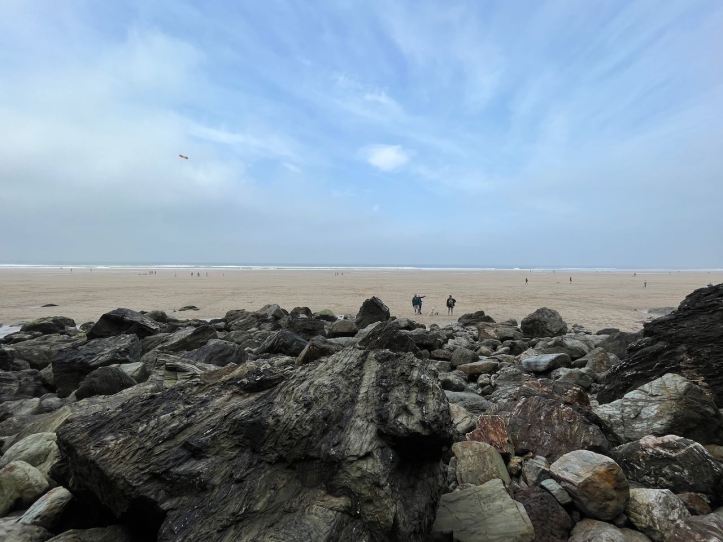
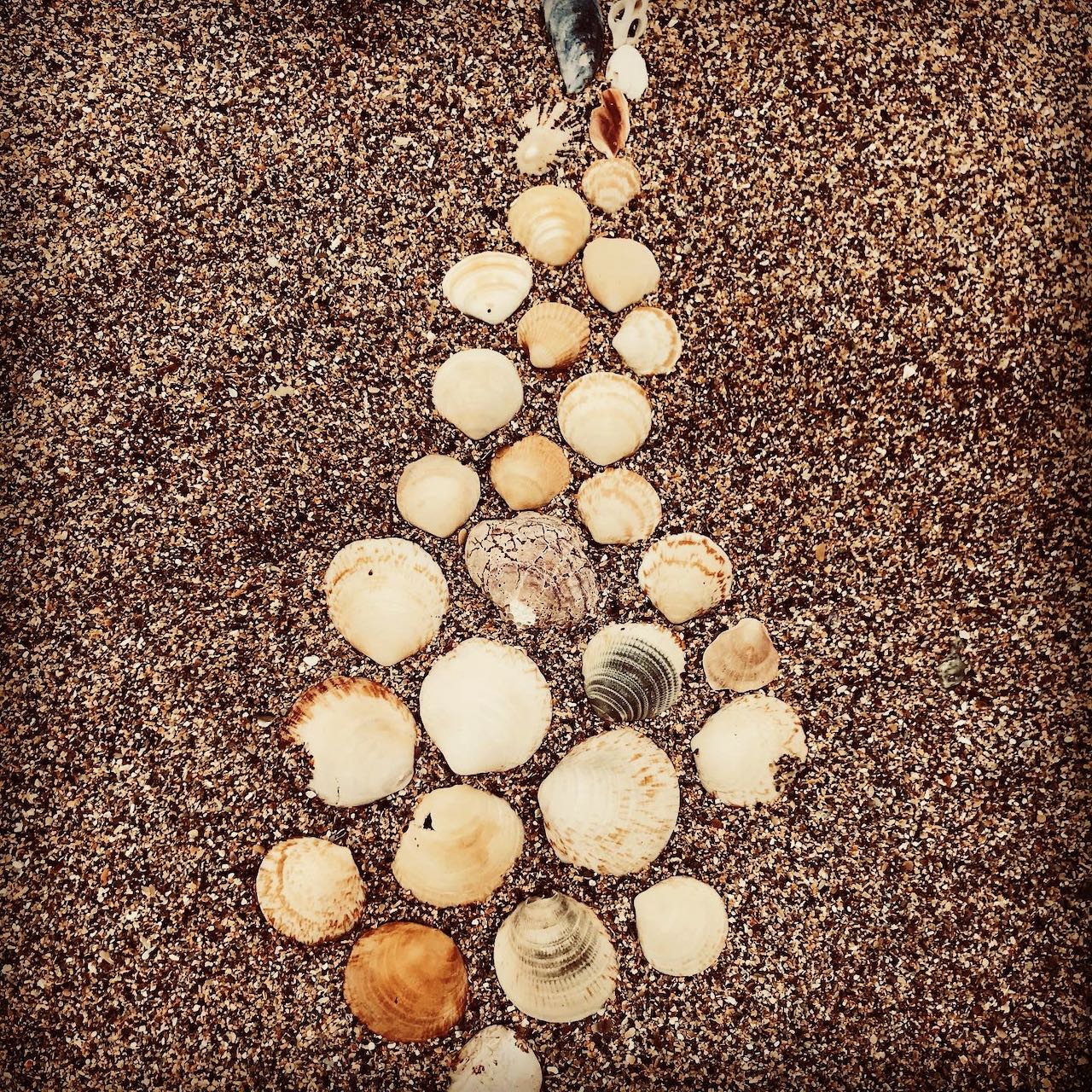
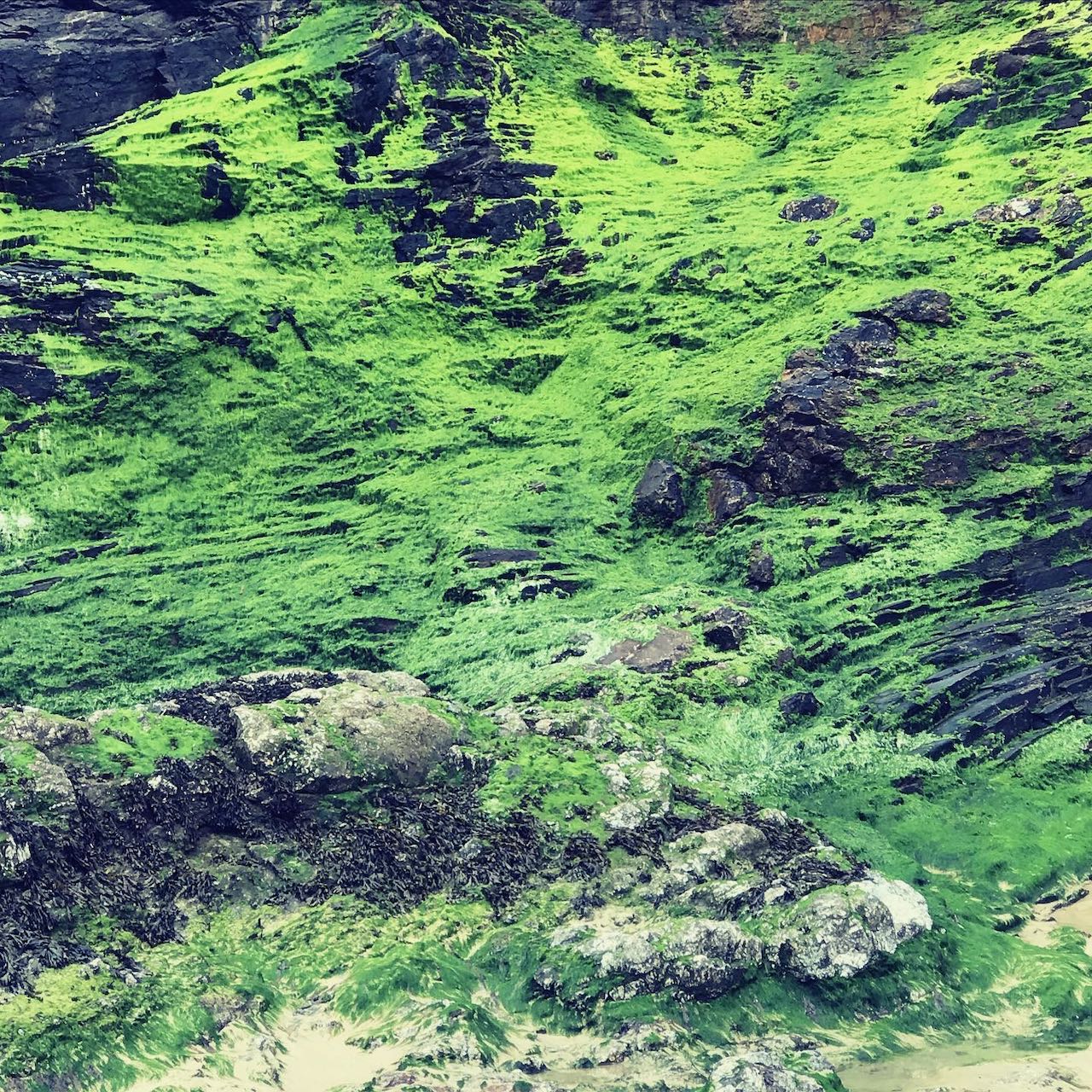
Cornwall, Cornwall every day Bright sun and fresh feelings Simple pleasures by just being here Forward thinking into old age dotage All our lives waiting, hoping, wishing
Never believing it could be Out of mind with secret longing Filling up with atmospheric air Sensing that emotional rush Deep breaths swallowing cliffs and sea
Wild flowers and cows here Hedgerows and windblown trees Lopsided branches pointing inland As cool salt air combs their twigs The winding tracks disappear
Love is here all around, so strong Heart wrenching and stomach churning Soul and body filling up with Cornish… Cornish, as long as it’s Cornish It’s good!
Give us a chance to stay Give us the chance to live Ever on the hard granite pathways Sounds of mewing gulls and thunder of surf Beating on the windswept rocks and beaches
Cornish light familiar and so bright Invading our eyes and warming our hearts Gently massaging our faces with soothing fingers Lifting our spirits as breaking through the clouds It charges us with love
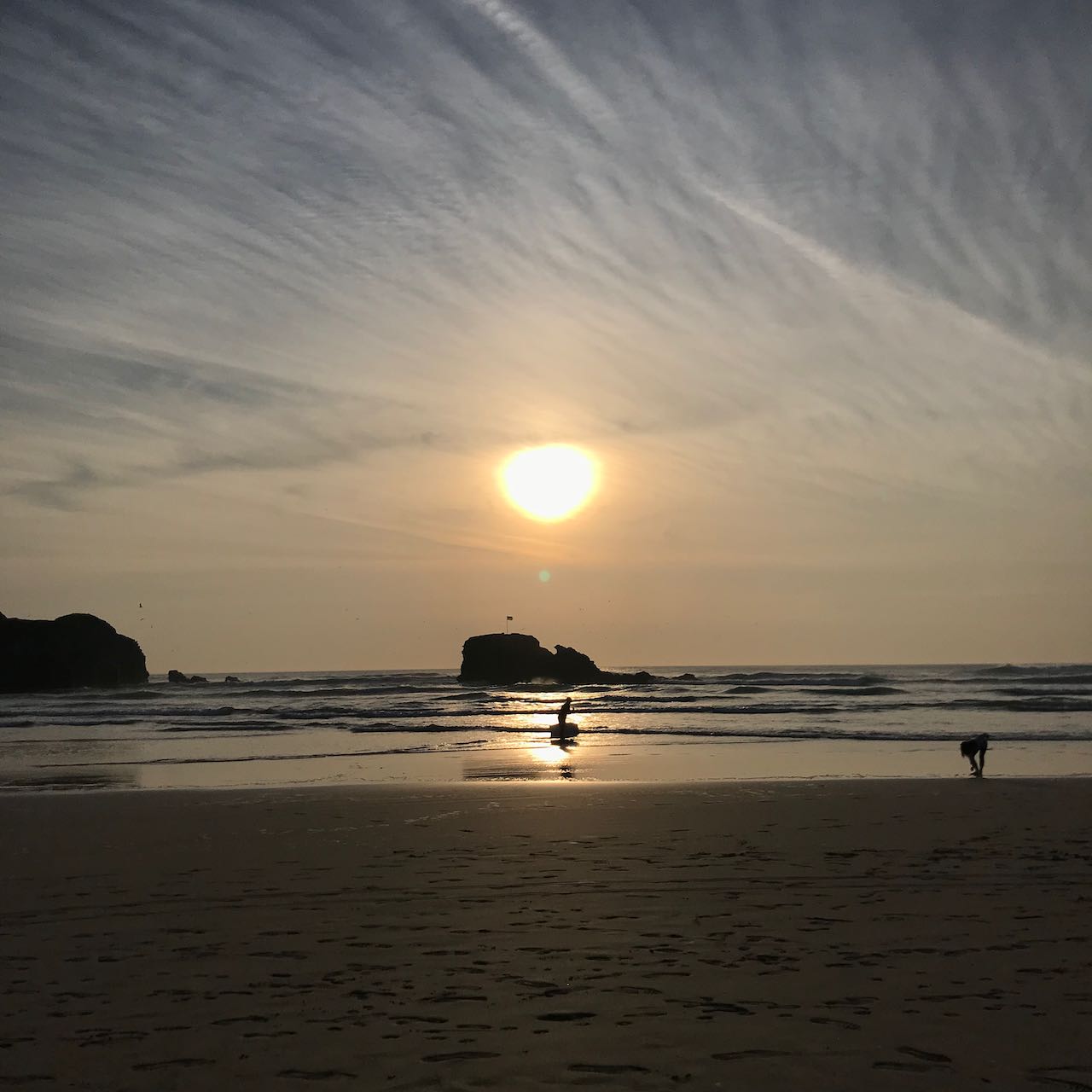
Fulfilled and whole Our lives and minds gratefully feasting The armfuls of wonder as we carry our hearts Together, through eternity, watching As the sun sets in a blaze of Cornish light
Hobson-Jobson The Anglo-Indian Dictionary By Henry Yule and A. C. Burnell, Wordsworth Edition, 1996, first published 1886.
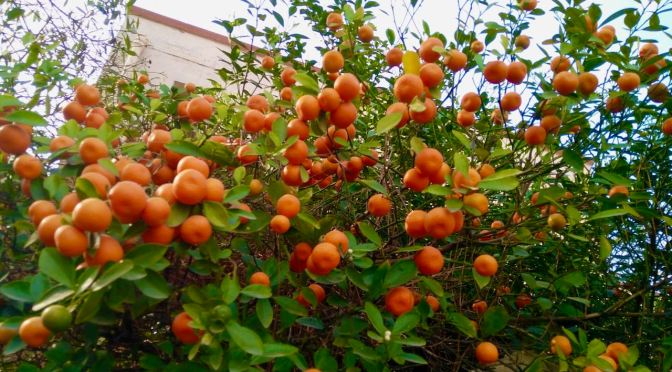
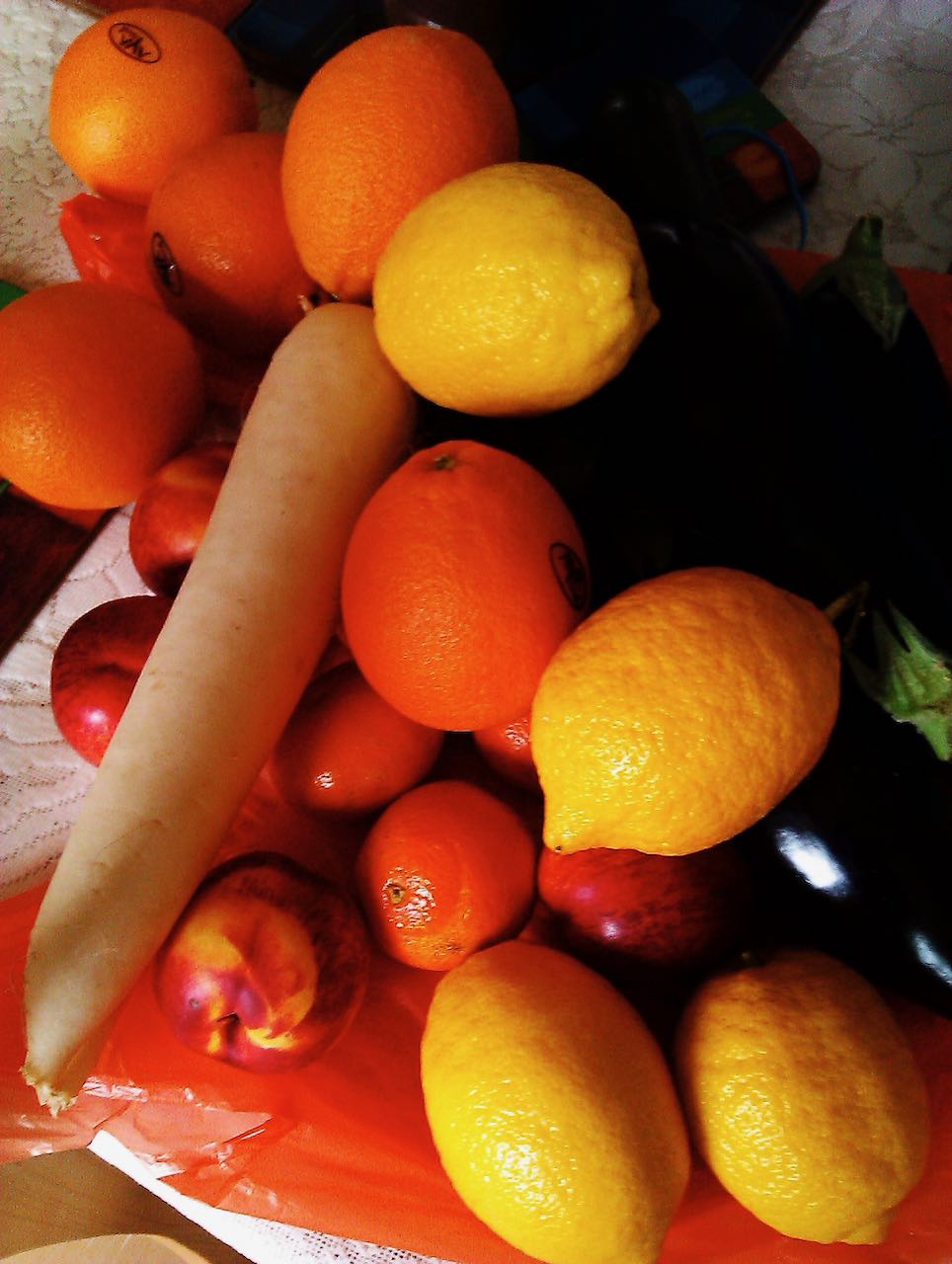
Orange: A good example of plausible but entirely incorrect etymology is that of orange from Lat. aurantium. The latter word is in fact an ingenious medieval fabrication. The word doubtless came from the Arab. naranj, which is again a form of Pers. narang, or narangi, the latter being still a common term of the orange in Hindustan. The Persian indeed may be traced to Skt. nagaranga, and naranga, but of these words no satisfactory etymological explanation has been given, and they have perhaps been Sanscritized from some southern term.
The native country of the orange is believed to be somewhere on the northern border of India. A wild orange, the supposed parent of the cultivated species, both sweet and bitter, occurs in Garhwal and Sikkim, as well as in the Kasia country, the valleys of which last are still abundantly productive of excellent oranges.
For Baber (Autobiog. 328) describes an orange under the name of Sangtarah, which is, indeed a recognised Persian and Hind. word for a species of the fruit.
Color or Fruit? On the Unlikely Etymology of “Orange”By David Scott Kastan with Stephen Farthing. July 27, 2018
Early in the 16th century Portuguese traders brought sweet oranges from India to Europe, and the color takes its name from them. Until they arrived, there was no orange as such in the color spectrum. When the first Europeans saw the fruit they were incapable of exclaiming about its brilliant orange color. They recognized the color but didn’t yet know its name. Often they referred to oranges as “golden apples.” Not until they knew them as oranges did they see them as orange.
The word itself begins as an ancient Sanskrit word, naranga, possibly derived from an even older Dravidian (another ancient language spoken in what is now southern India) root, naru, meaning fragrant. Along with the oranges, the word migrated into Persian and Arabic. From there it was adopted into European languages, as with narancs in Hungarian or the Spanish naranja. In Italian it was originally narancia, and in French narange, though the word in both of these languages eventually dropped the “n” at the beginning to become arancia and orange, probably from a mistaken idea that the initial “n” sound had carried over from the article, una or une. Think about English, where it would be almost impossible to hear any real difference between “an orange” and “a norange.” An “orange” it became, but it probably should really have been a “norange.” Still, orange is better, if only because the initial “o” so satisfyingly mirrors the roundness of the fruit.
The etymological history of “orange” traces the route of cultural contact and exchange—one that ultimately completes the circle of the globe. The word for “orange” in modern-day Tamil, the surviving Dravidian language that gave us the original root of the word, is arancu, pronounced almost exactly like the English word “orange” and in fact borrowed from it.
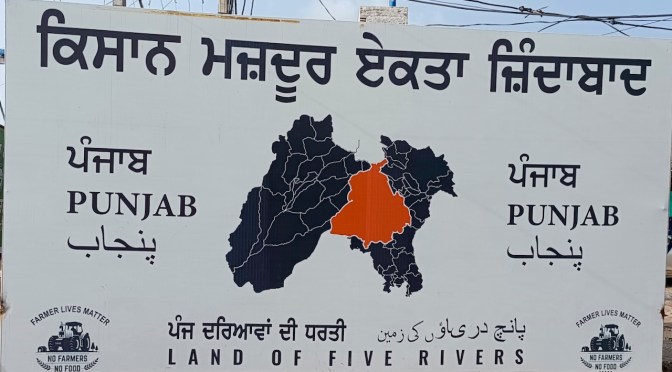
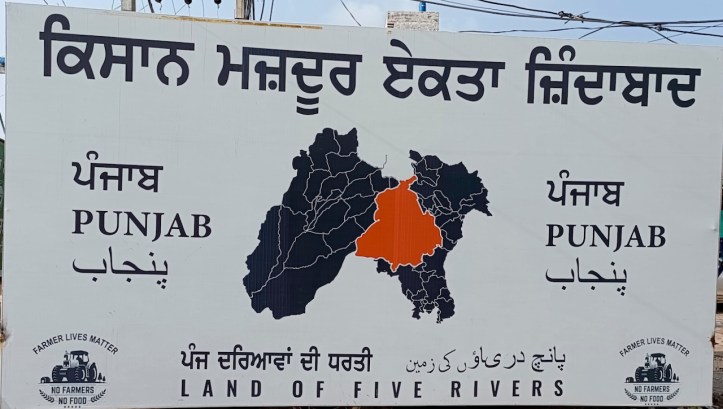
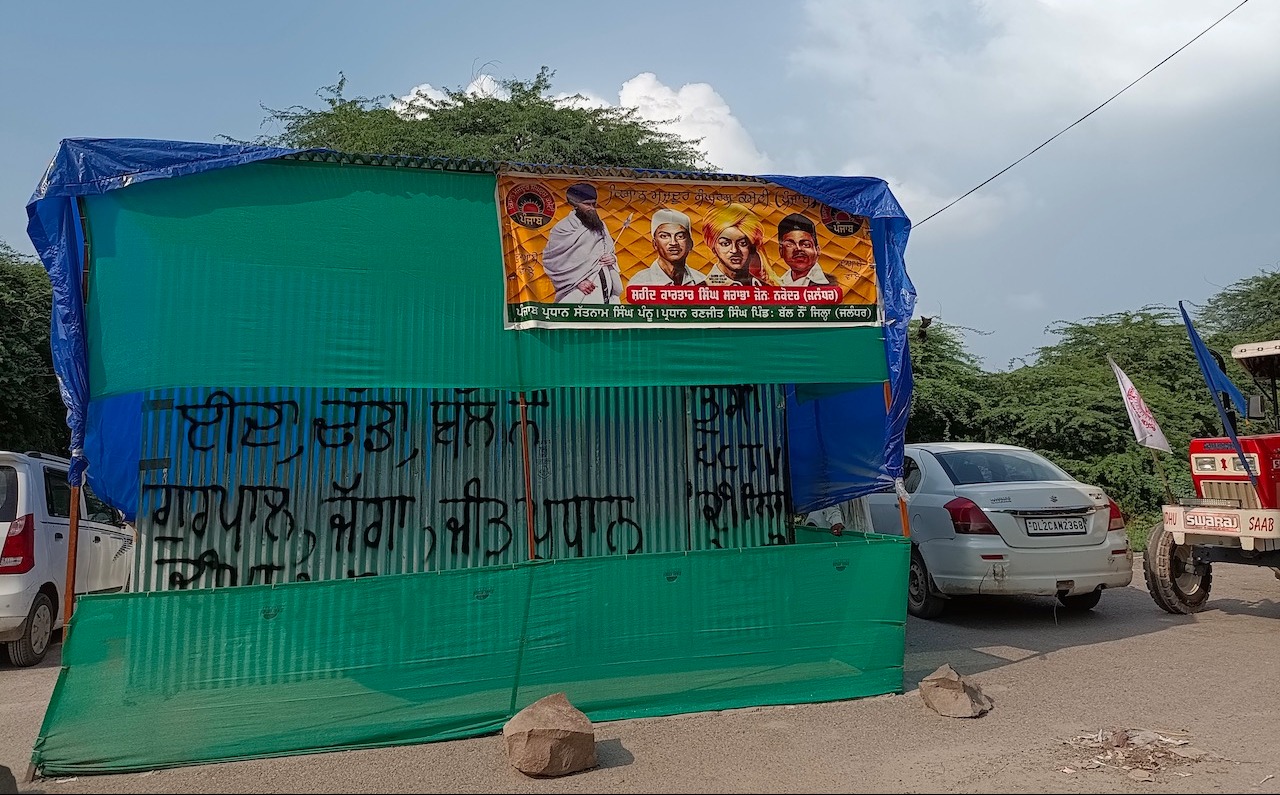
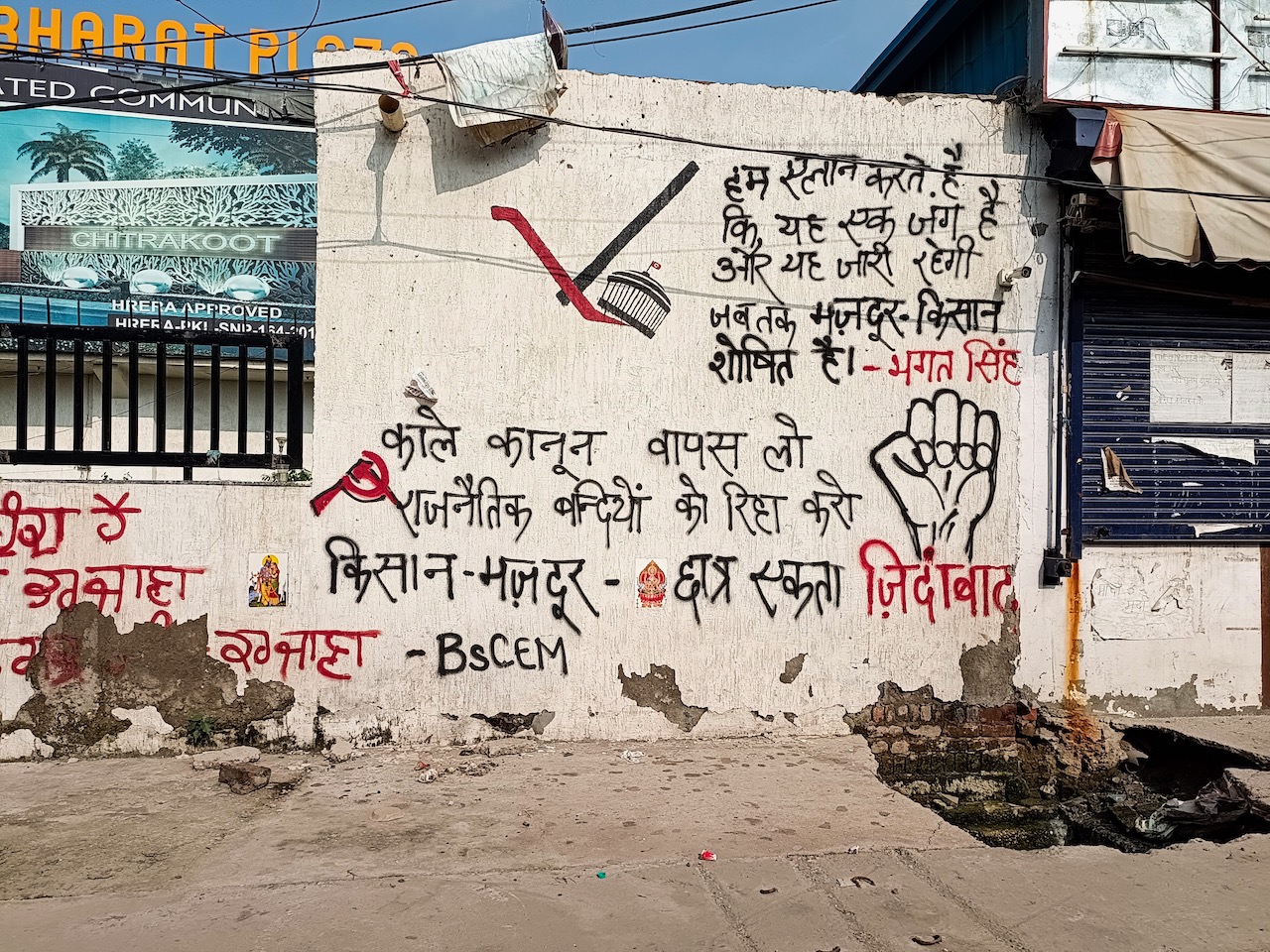
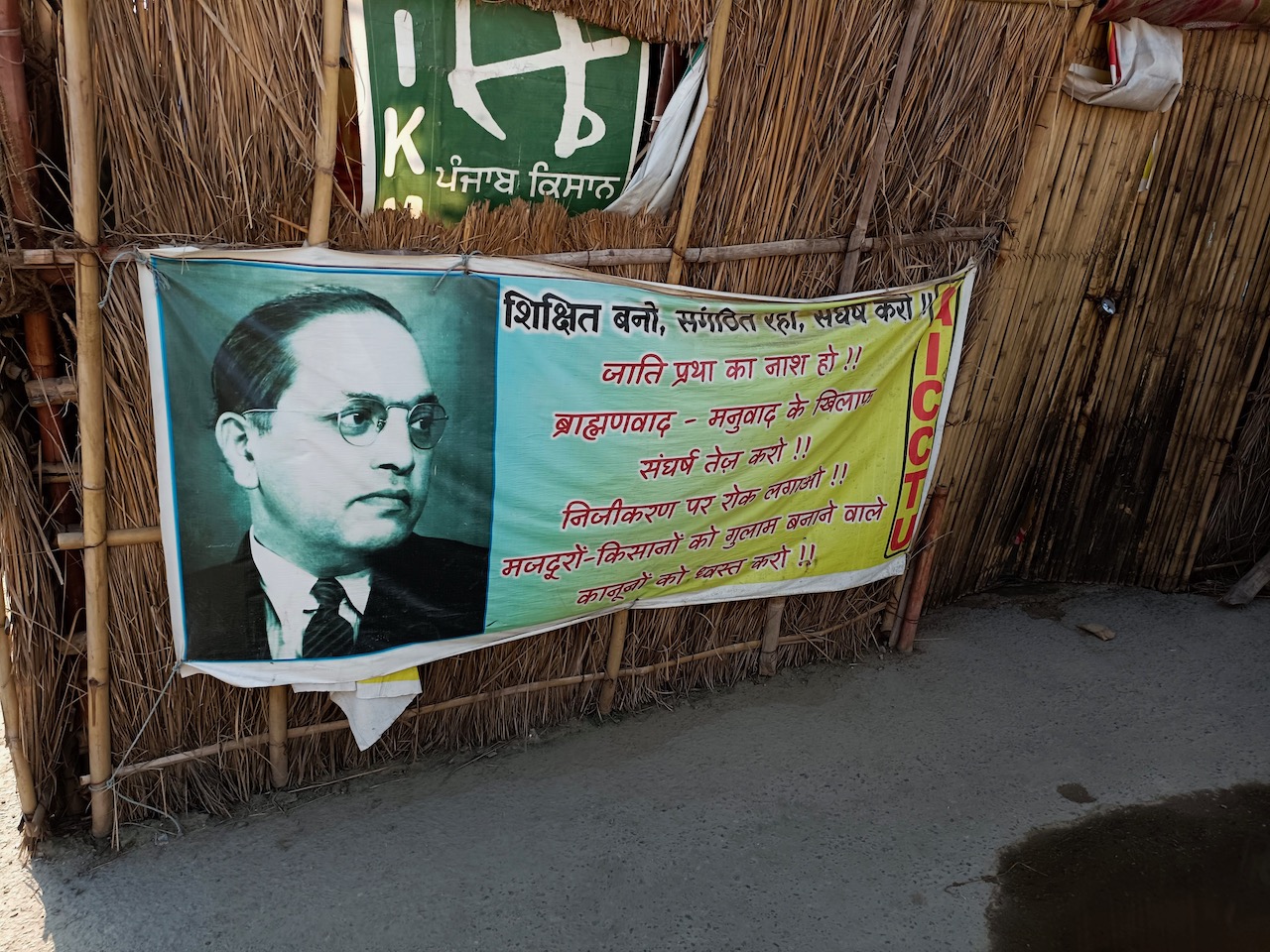
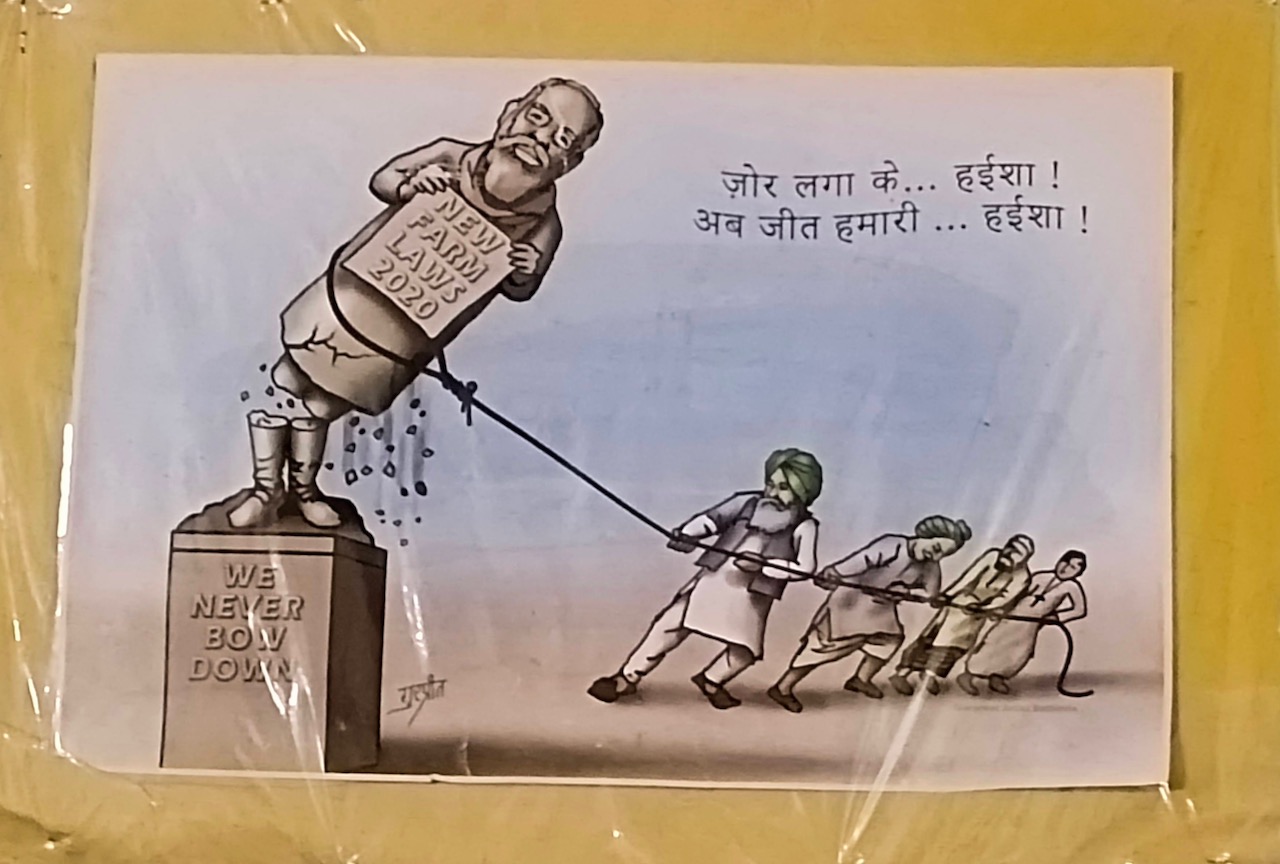
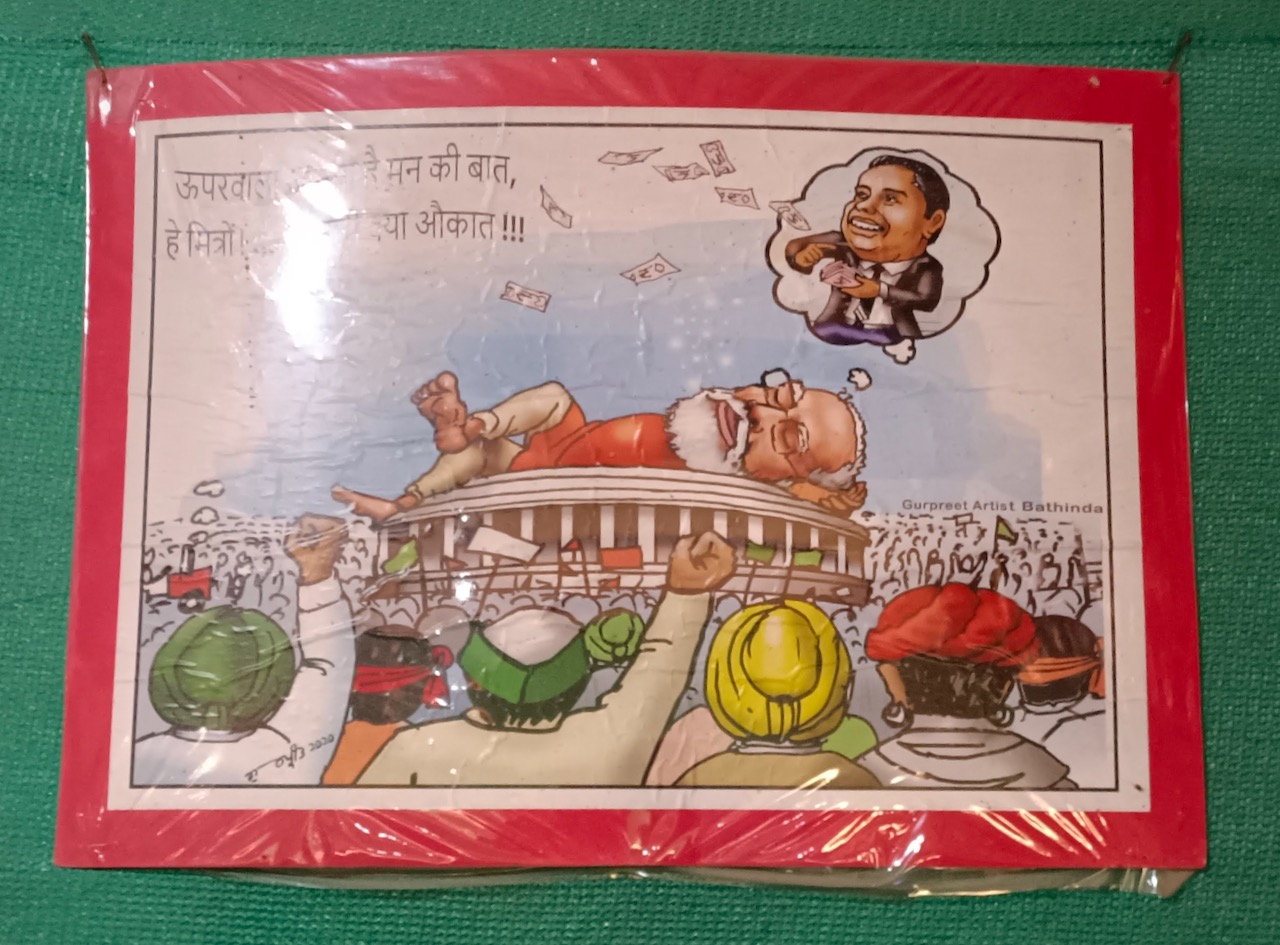
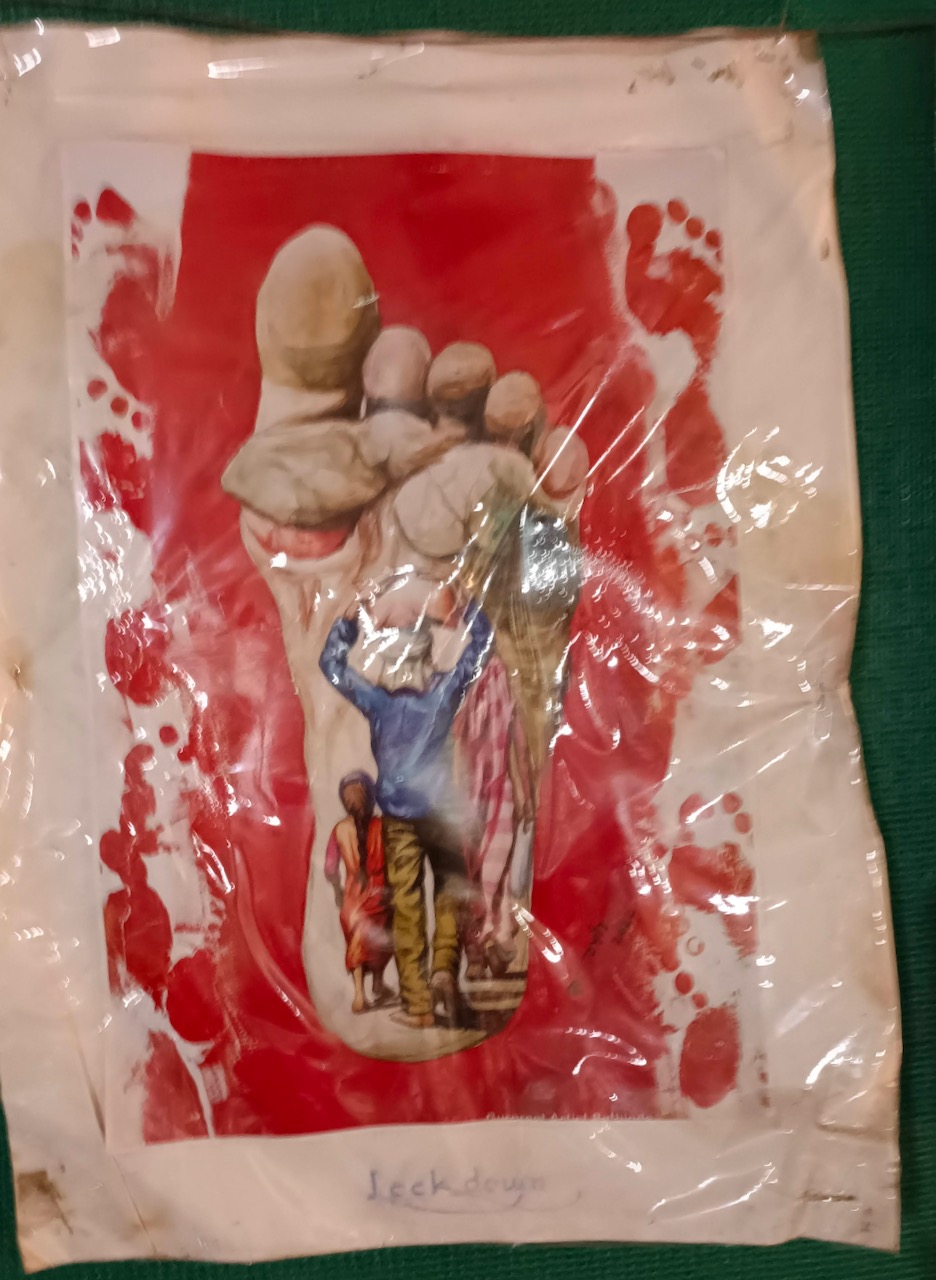
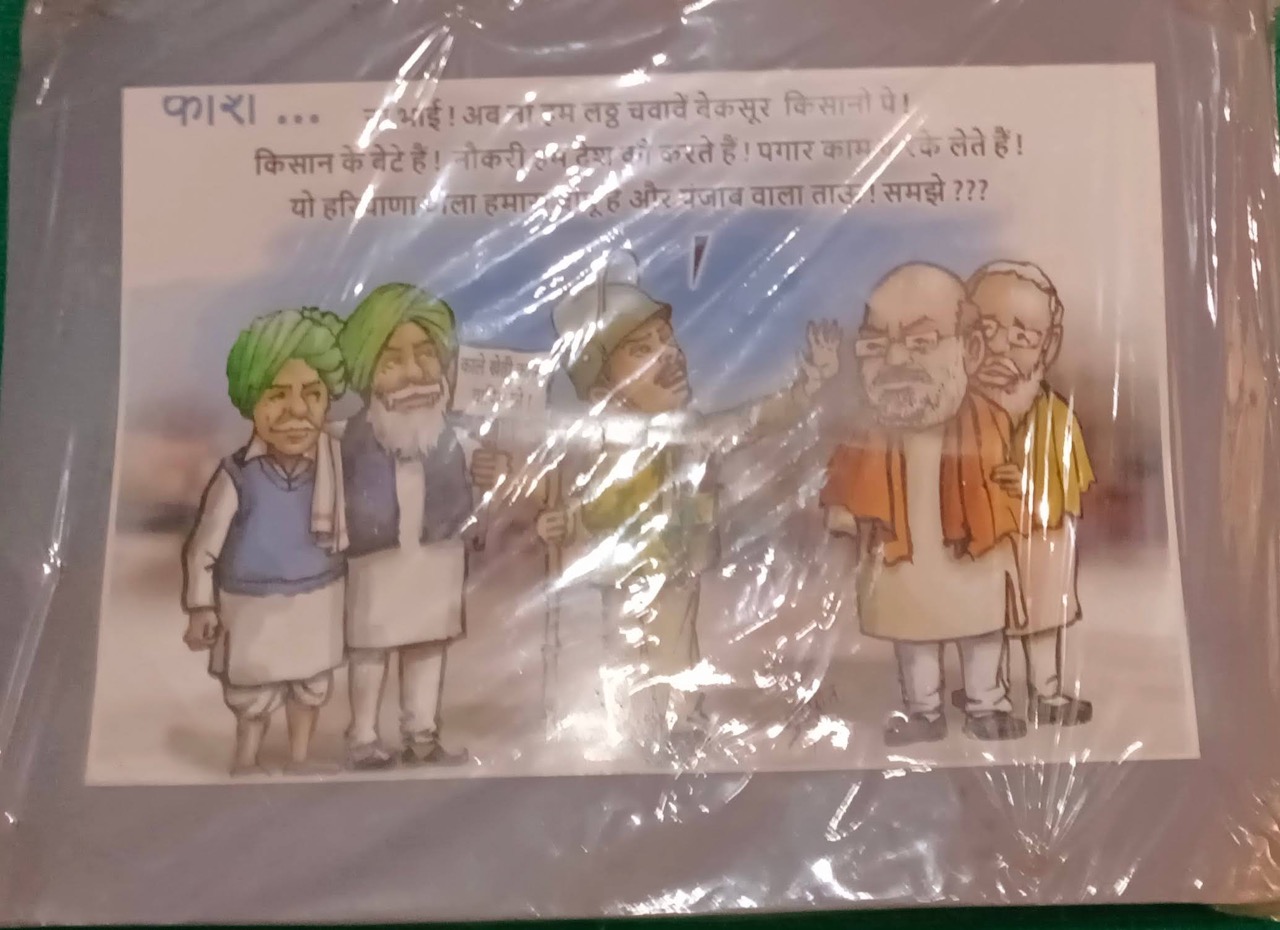
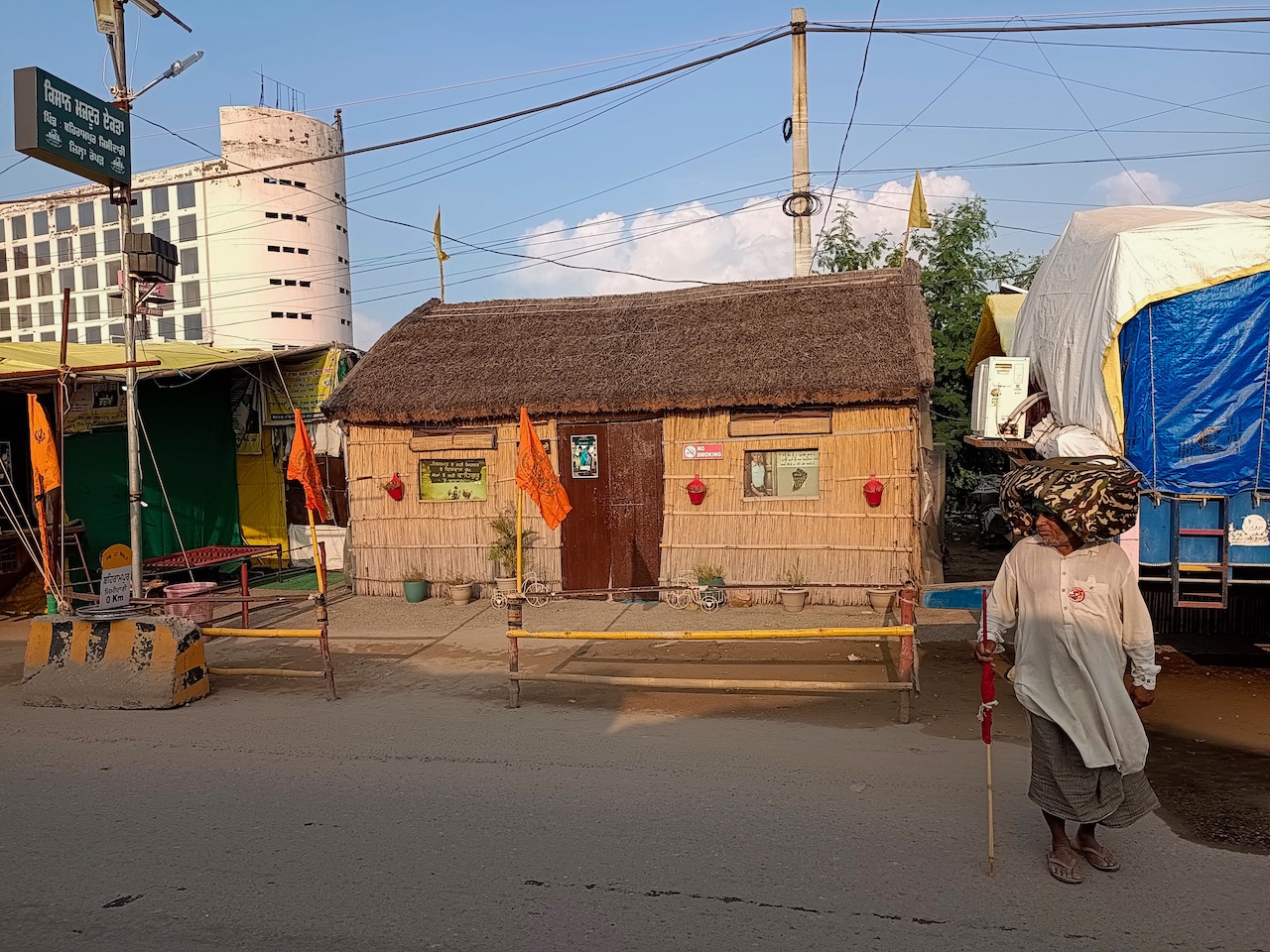
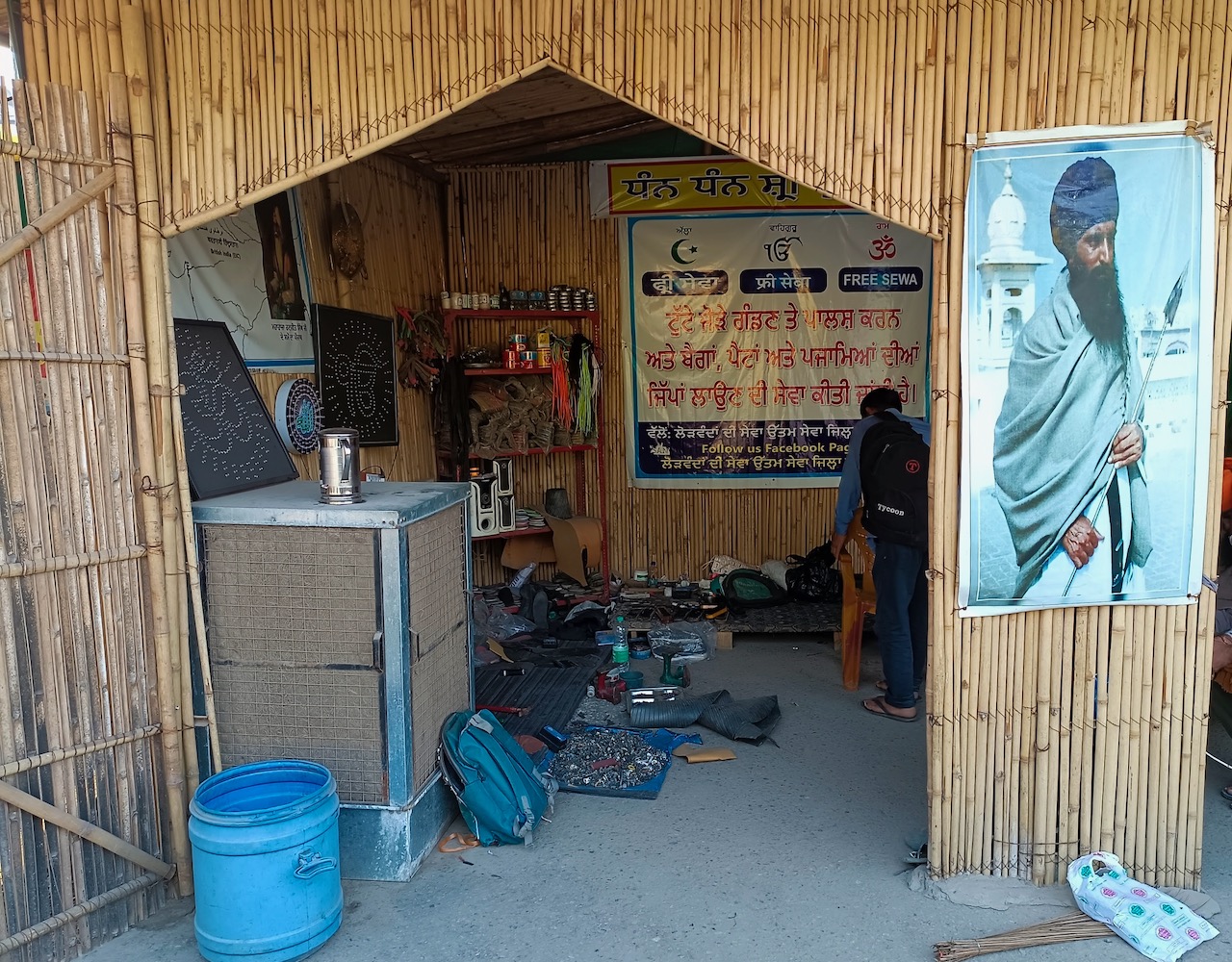
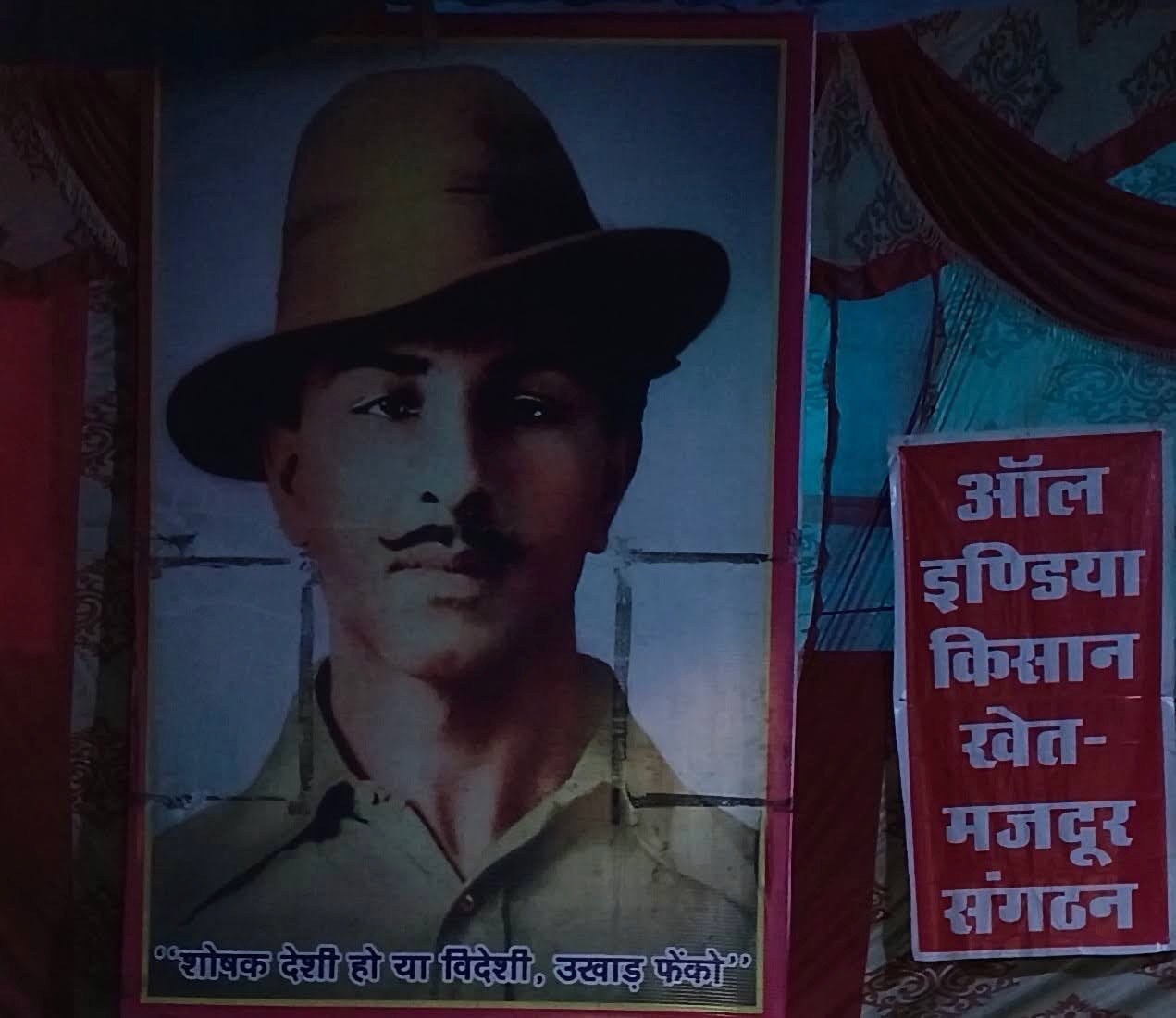
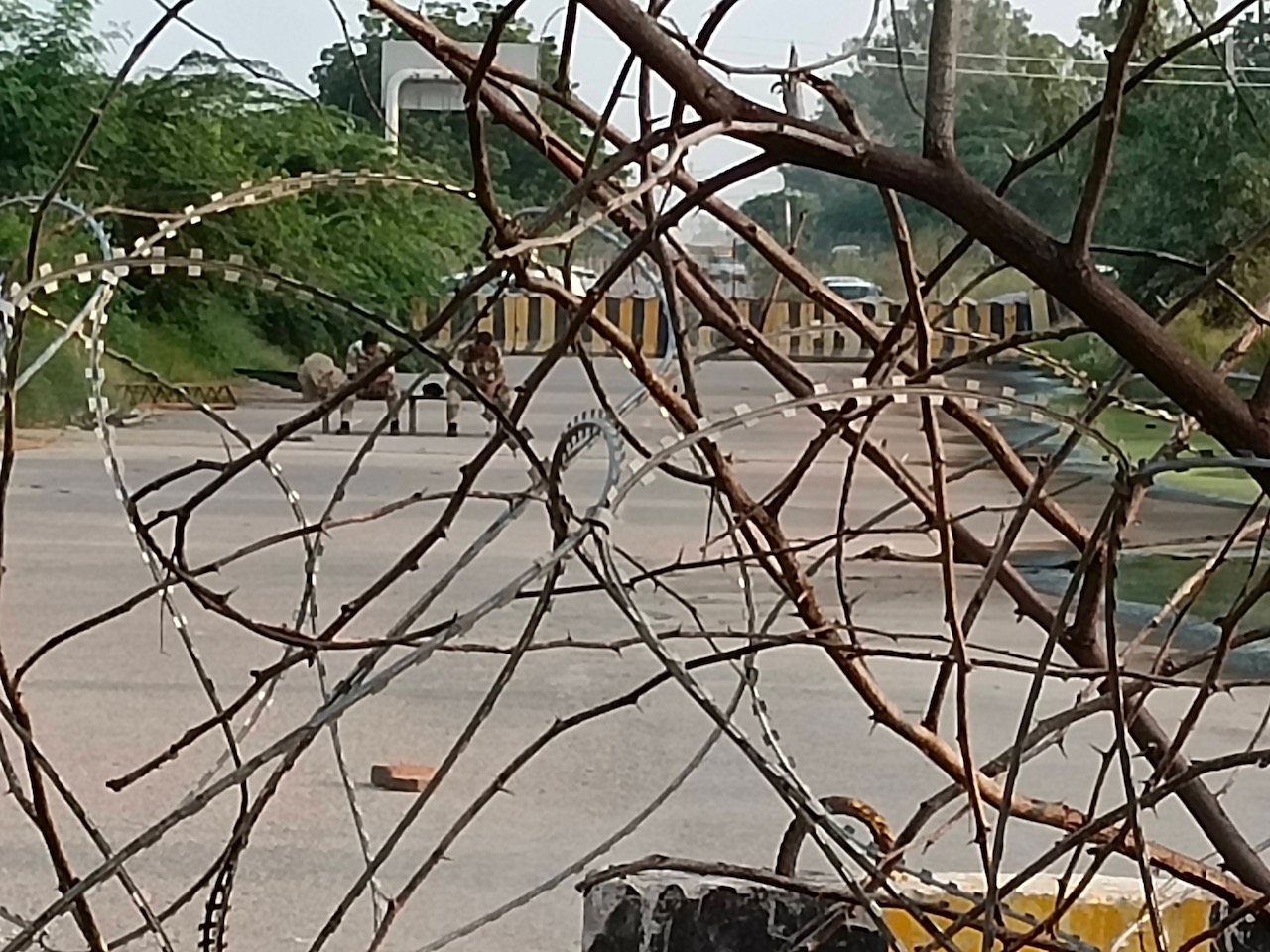
There has been a farmer’s protest going on for over a year now around India’s capital, New Delhi. Since September 2020, when 3 farm acts were passed by the parliament (stayed since by the judiciary), 3 sites – Tikri, Ghazipur and Singhu – have become synonymous with this often tense, sometimes violent standoff.
These pictures from an eyewitness at Singhu is a slice of the everyday space there, for the substance of which see the following:
















































 BAGICHA