
Like a wounded fairy tale. It is among Delhi’s most melancholic souvenirs. One of the domes no longer exists. The missing portion is wrapped in a …
City Monument – Masjid Mubarak Begum, Chawri Bazar
Like a wounded fairy tale. It is among Delhi’s most melancholic souvenirs. One of the domes no longer exists. The missing portion is wrapped in a …
City Monument – Masjid Mubarak Begum, Chawri Bazar
Triggered by a conversation today and dedicated to those who have not come across the work and poetry by Faiz Ahmed Faiz. Normally I would share something in Urdu (with a translation), as most of his work is in Urdu. However, then I came across this piece titled “When Autumn Came”, and I’ve not seen an Urdu version of this. If anyone knows of the the Urdu version please do leave the details in a comment. This poem is included in “The True Subject: Selected Poems by Faiz Ahmed Faiz” by Naomi Lazard (1987).


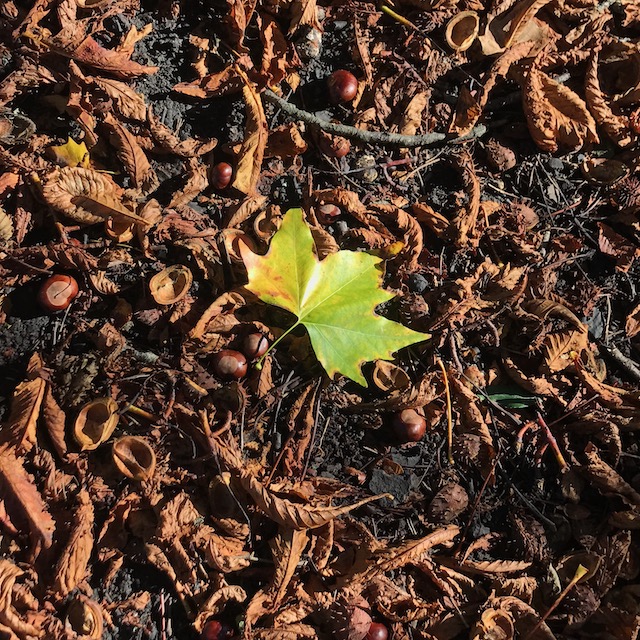


This is the way that autumn came to the trees:
it stripped them down to the skin,
left their ebony bodies naked.
It shook out their hearts, the yellow leaves,
scattered them over the ground.
Anyone could trample them out of shape
undisturbed by a single moan of protest.

The birds that herald dreams
were exiled from their song,
each voice torn out of its throat.
They dropped into the dust
even before the hunter strung his bow.

Oh, God of May have mercy.
Bless these withered bodies
with the passion of your resurrection;
make their dead veins flow with blood again.

Give some tree the gift of green again.
Let one bird sing.
Read more about Faiz:
Faiz Ahmed Faiz: Life and poetry, Dawn 17 Feb 2011
Profile and work: Rekhta
Jabbar, Abdul. “NAOMI LAZARD’S ‘The True Subject: Selected Poems of Faiz Ahmed Faiz.’” Journal of South Asian Literature 26, no. 1/2 (1991): 156–70. http://www.jstor.org/stable/40873227.

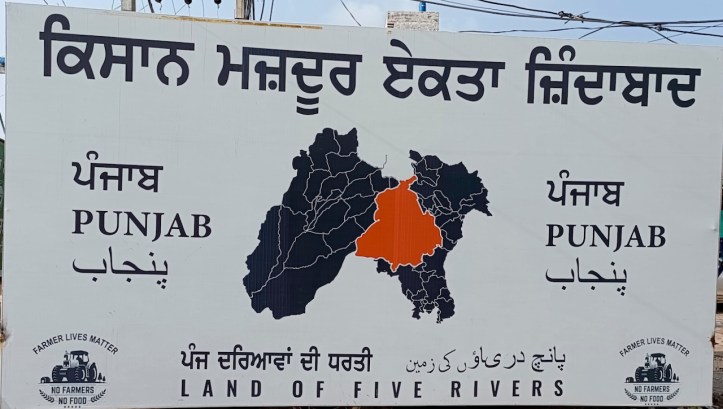
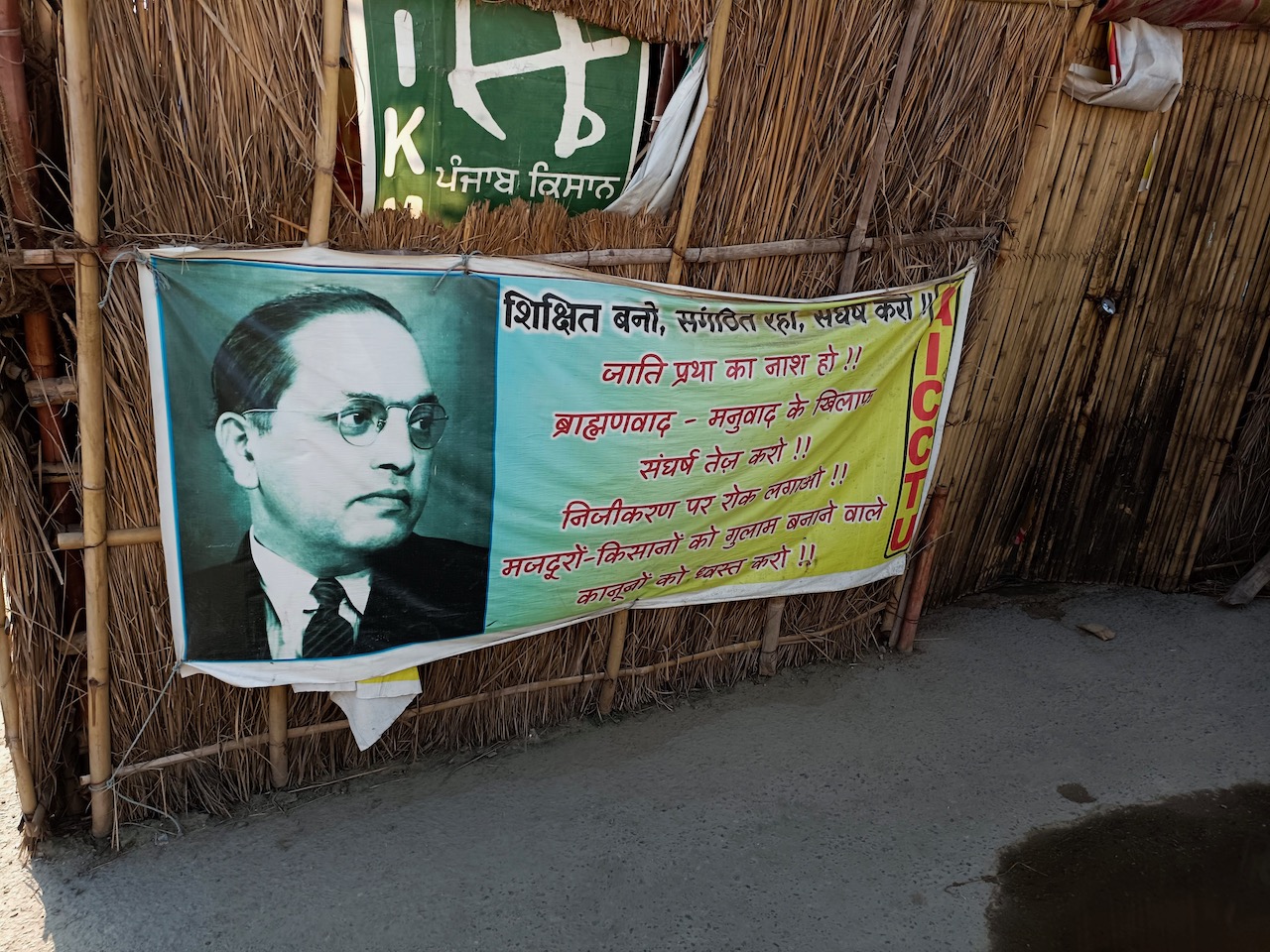
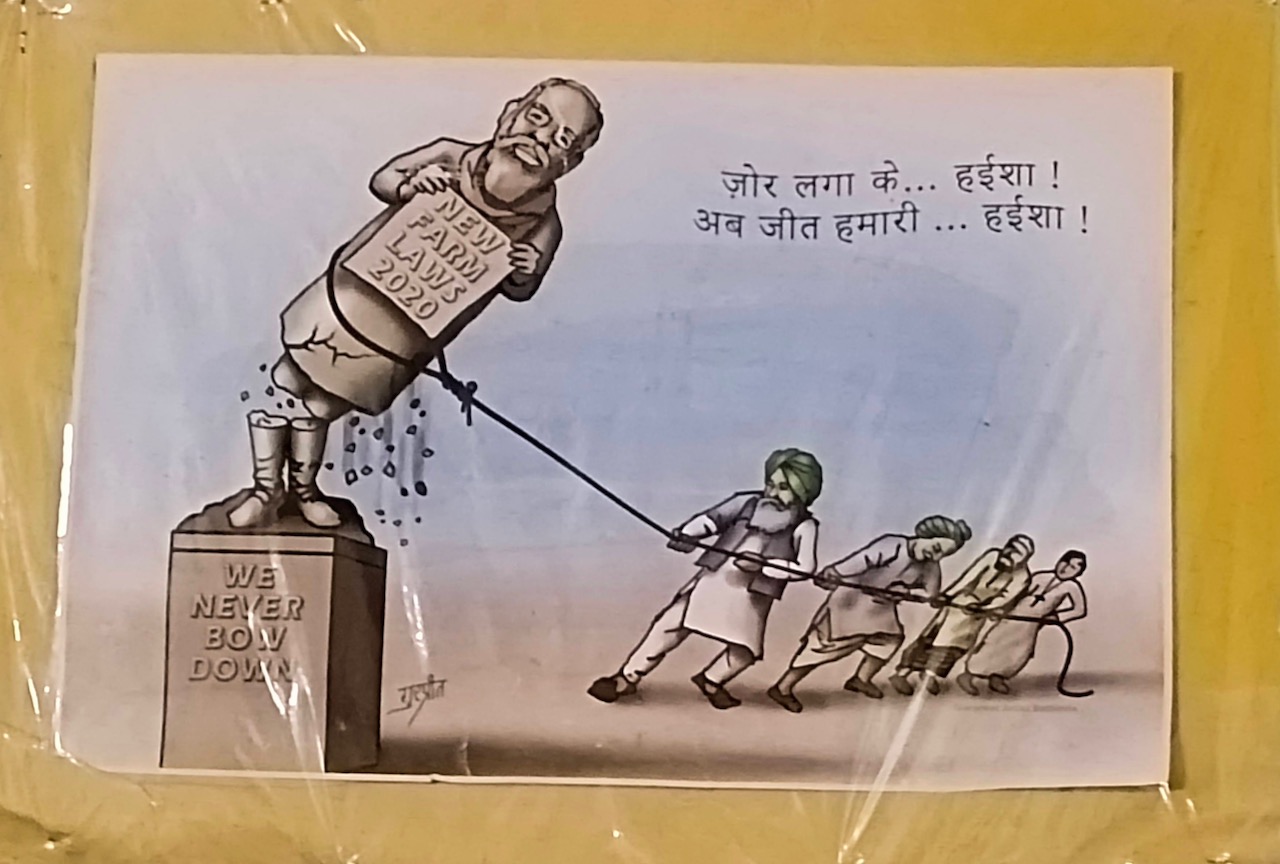
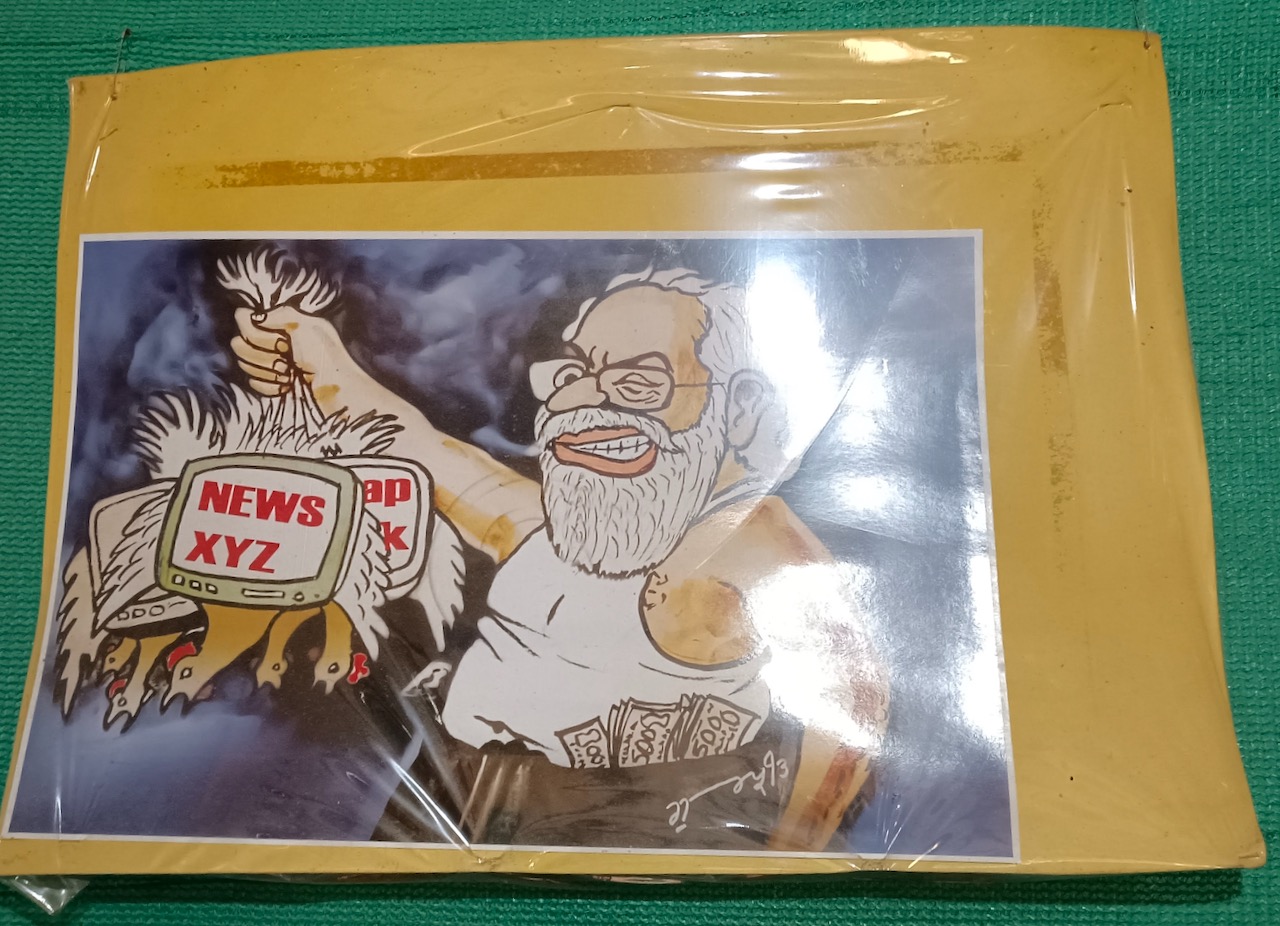
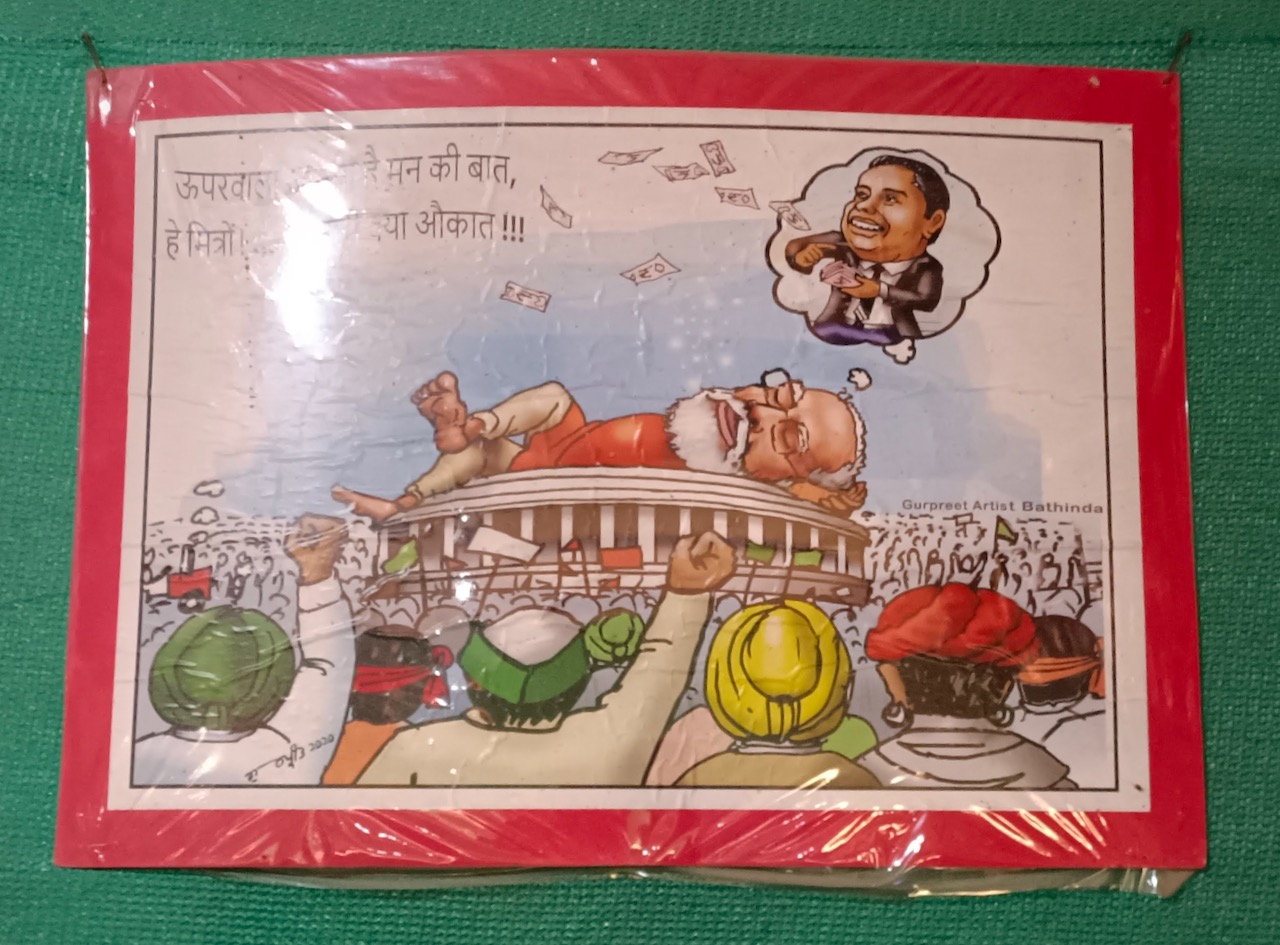
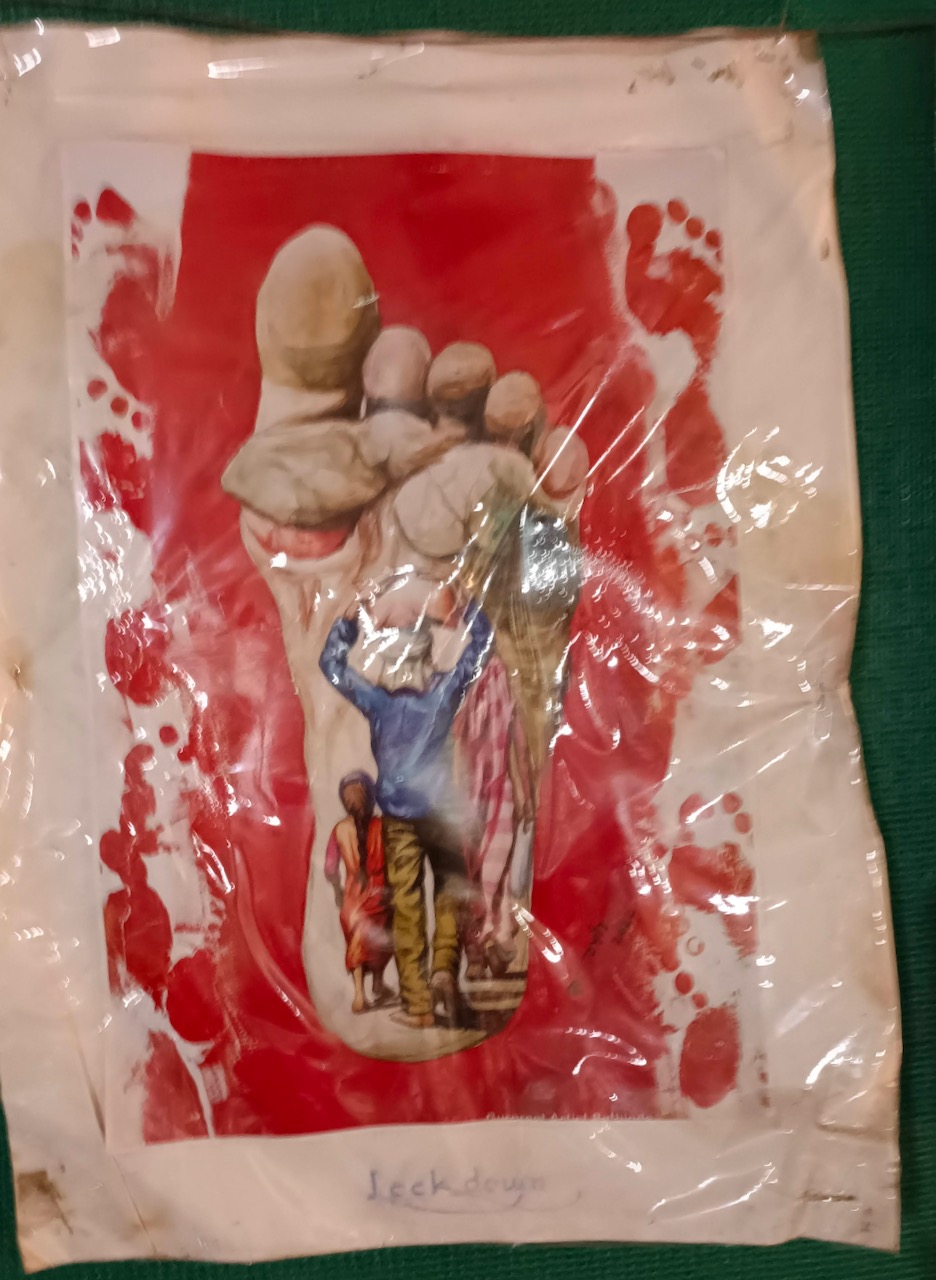
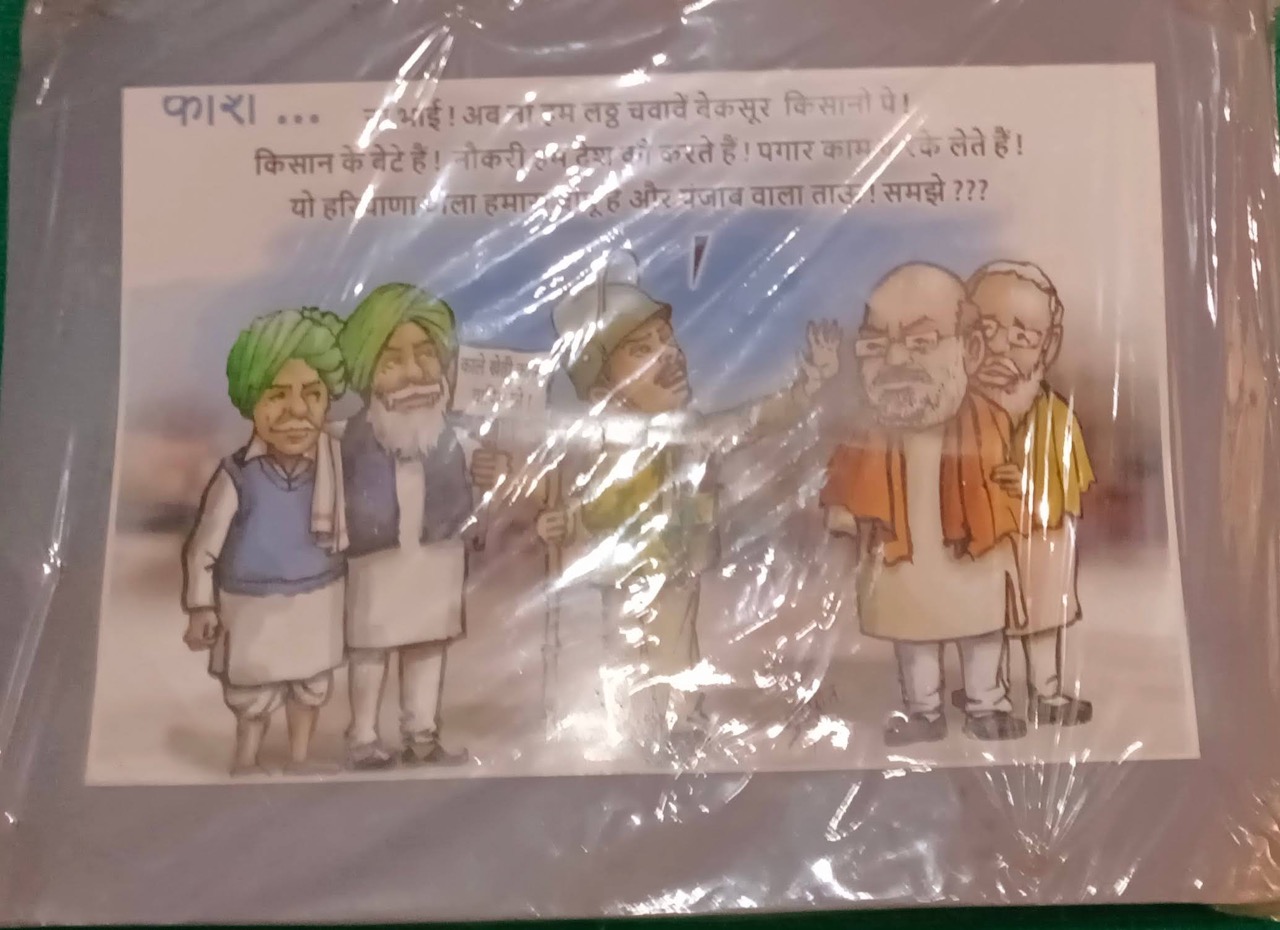
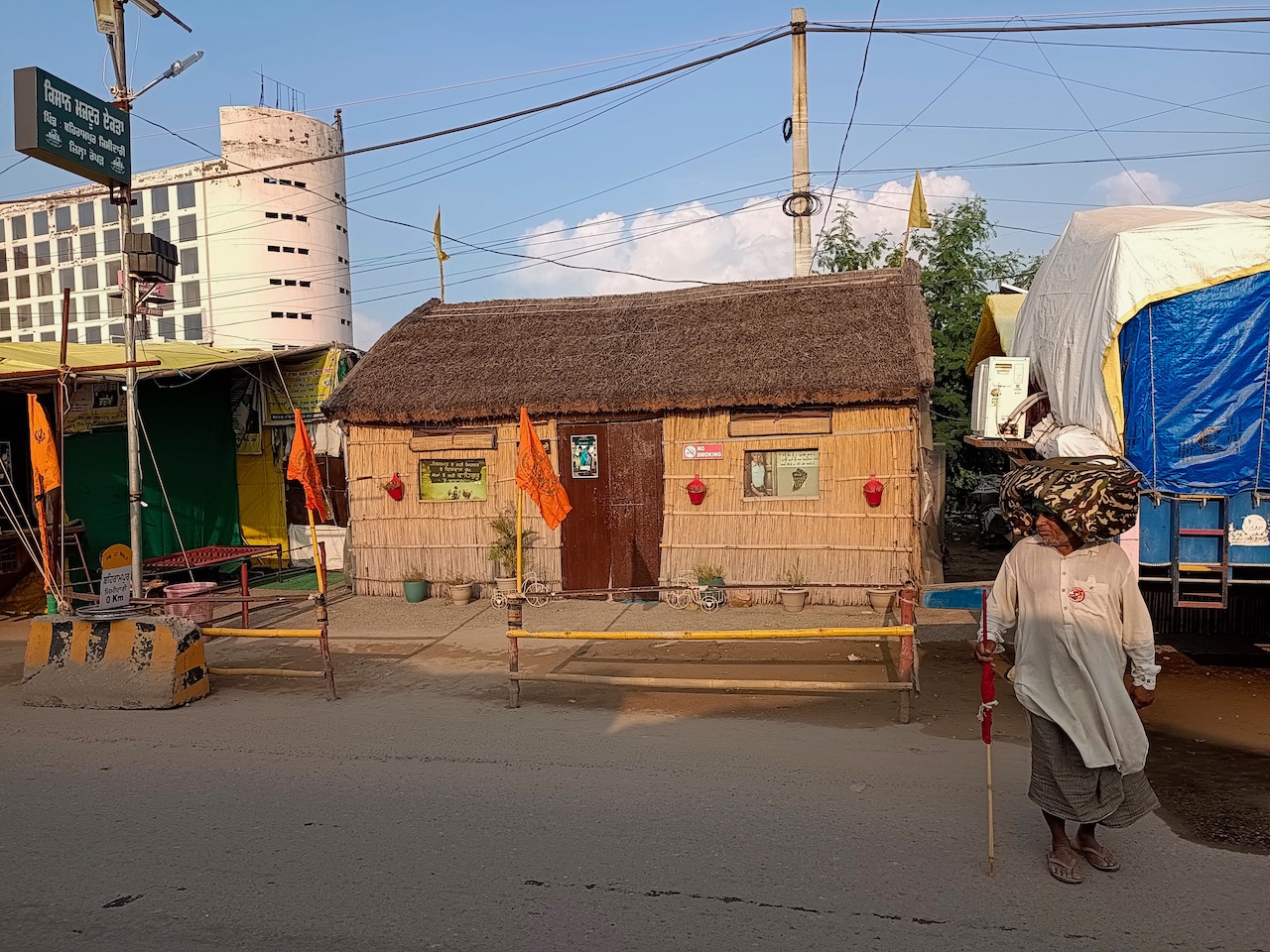
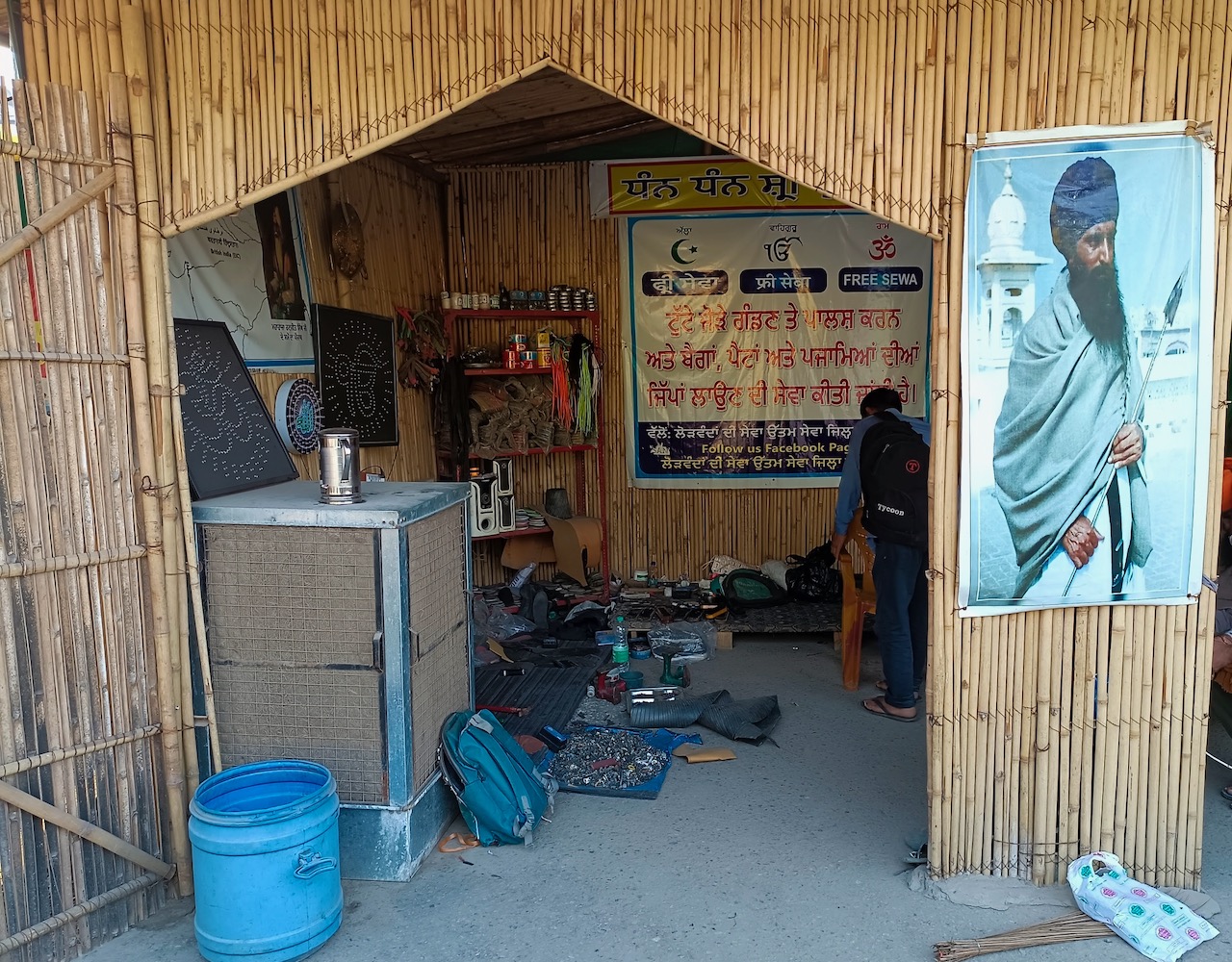
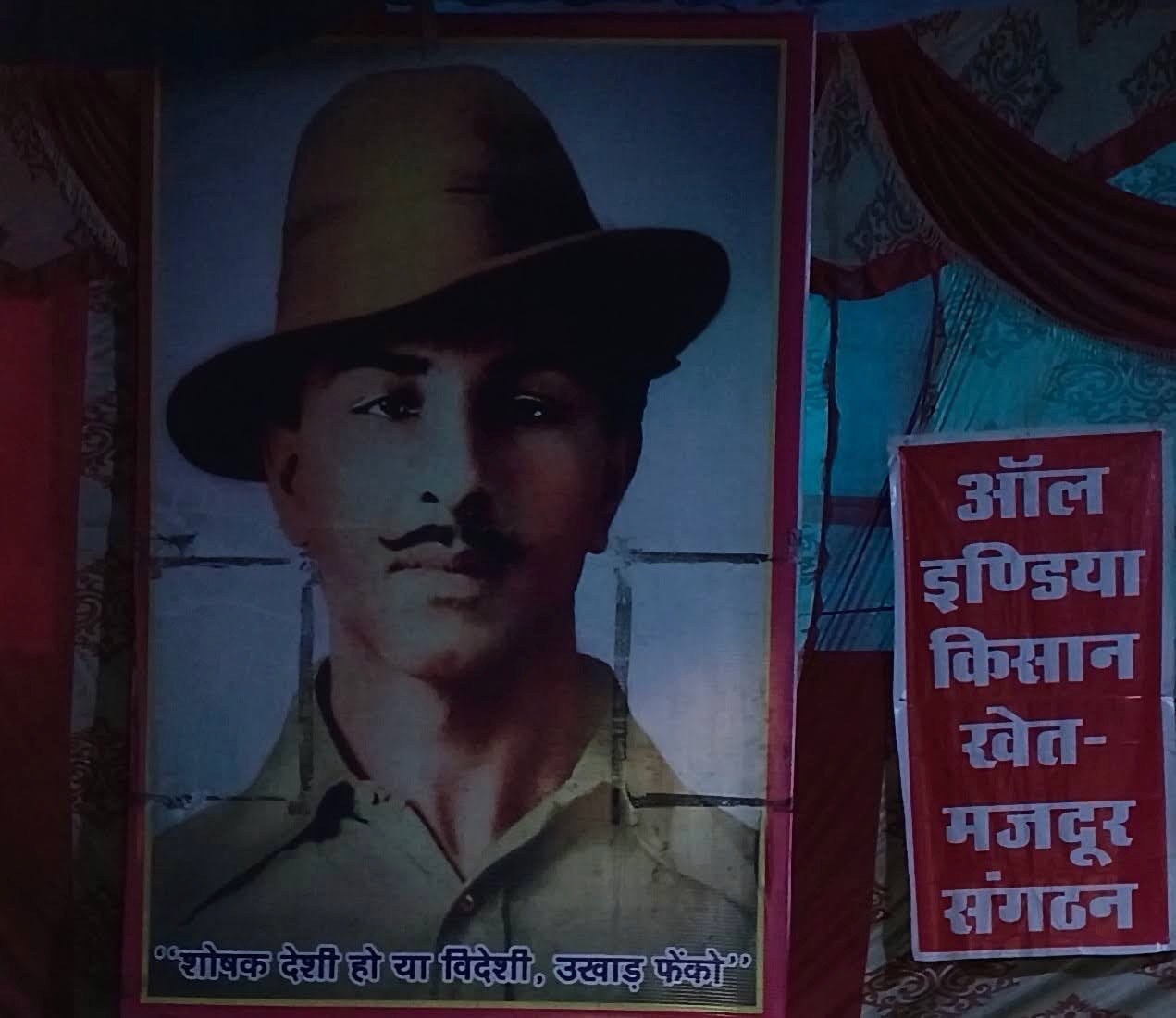
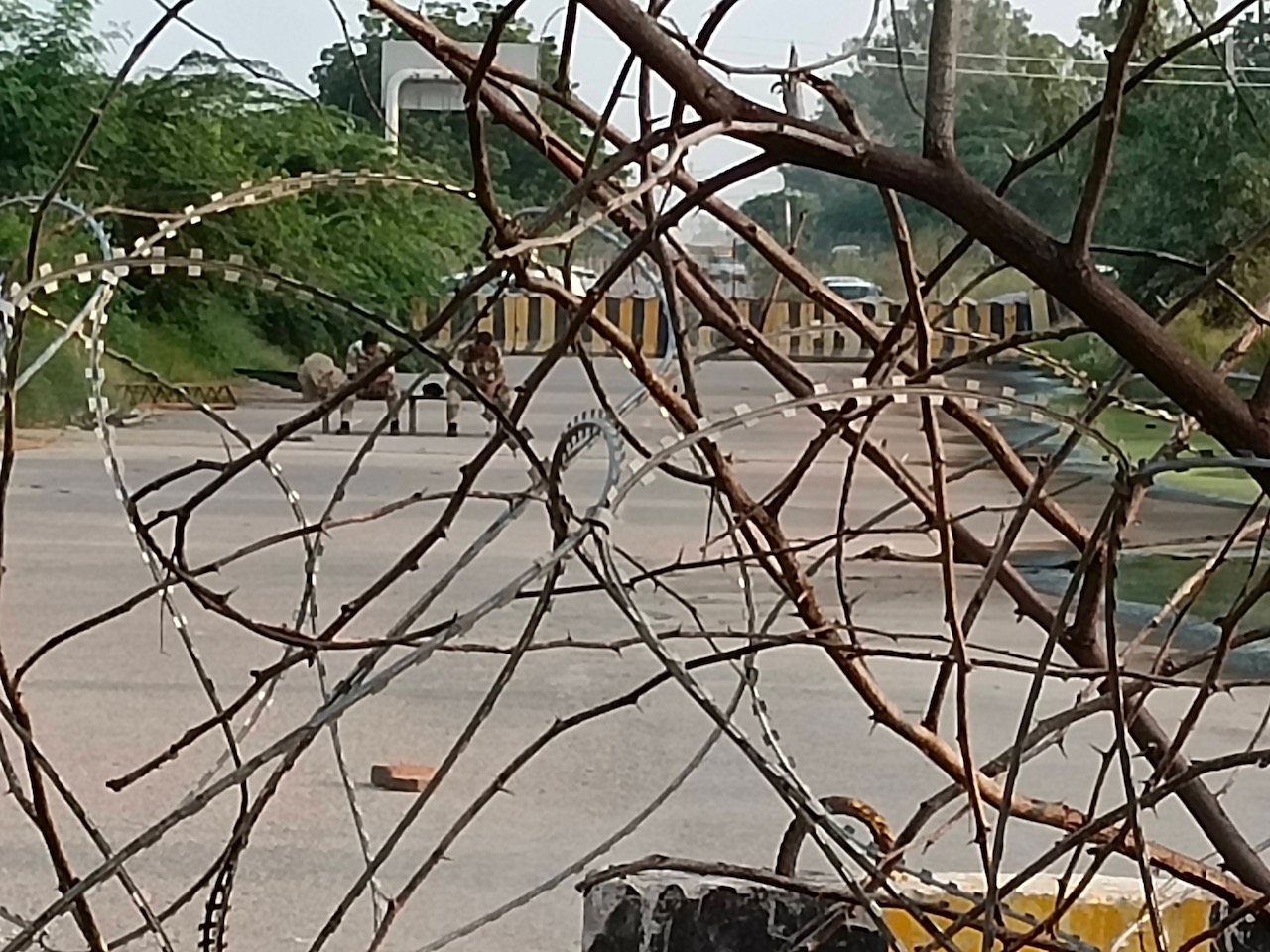
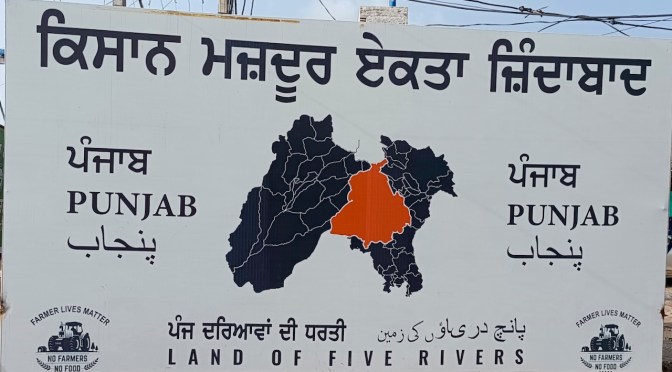
There has been a farmer’s protest going on for over a year now around India’s capital, New Delhi. Since September 2020, when 3 farm acts were passed by the parliament (stayed since by the judiciary), 3 sites – Tikri, Ghazipur and Singhu – have become synonymous with this often tense, sometimes violent standoff.
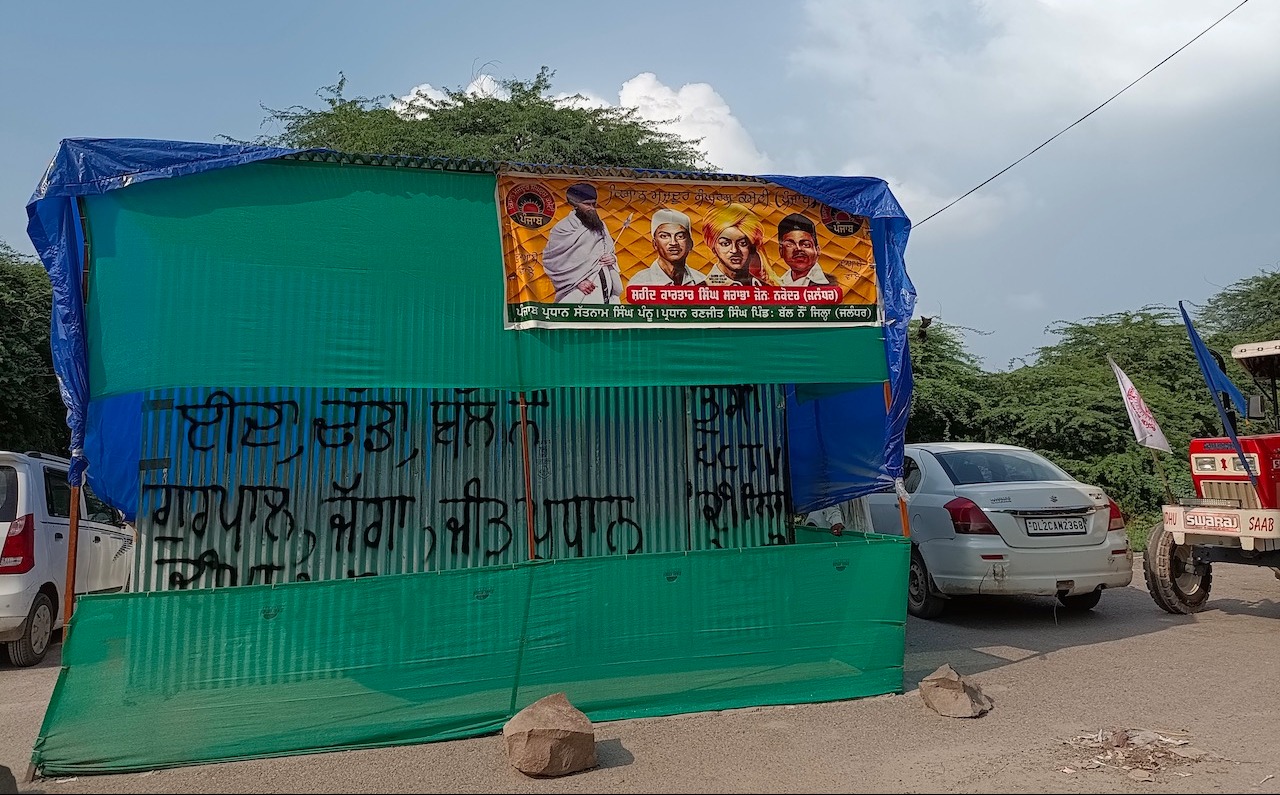
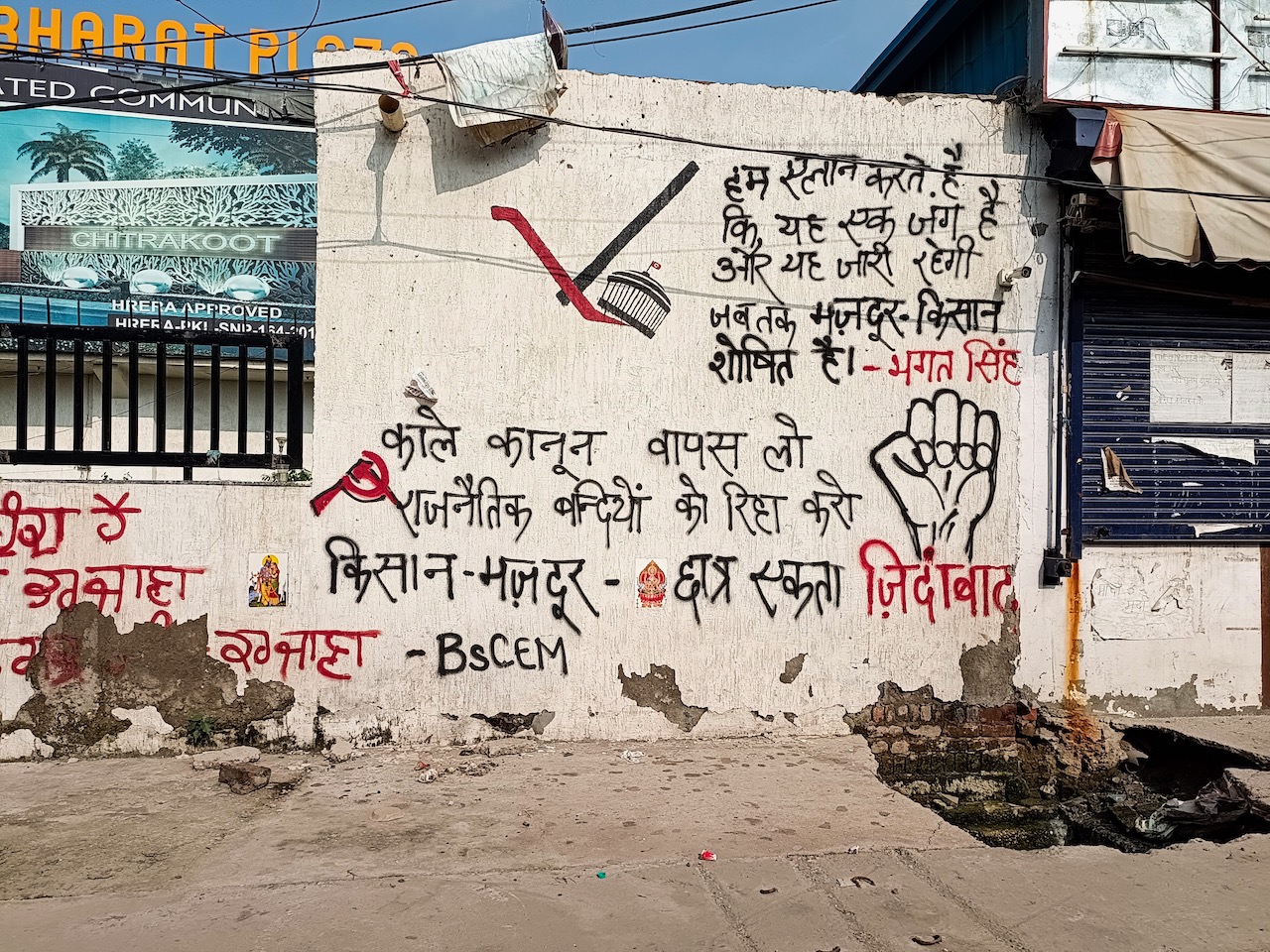
These pictures from an eyewitness at Singhu is a slice of the everyday space there, for the substance of which see the following:







In late-summer I went to Ayr – of Robert Burns fame; a seemingly random but ultimately delightful choice determined by the compulsions of the Pandemic year. After going to Alloway with its Burns Cottage (and ‘cottage industry’ of Burns Tourism), I started exploring the region and came across a place called Patna! To the Indian and historian in me, the connections and curiosities thereof were irresistible, that is a village of a few thousand souls and the Indian city of some millions carrying the same name. From Ayr, the smaller Patna – by the river Doon – is located about 10 miles away; the other, bigger Patna – capital of the state of Bihar and sprawled by the banks of the mighty Ganga River – is some 8000 km away [https://www.bbc.co.uk/news/av/uk-scotland-20504111].
Patna, or ancient Patliputra, was the capital of the Mauryan (4th-2nd c. BC) Empire and its short-lived successor, Shunga dynasty, and remained a prominent place under the Gupta (4th-6th c. AD) Empire and its eastern successor, Pala kingdom. From the 13th century, it emerged as a provincial seat under the Delhi Sultanate and the Mughal Empire. In-between and not far, was Sasaram, where the soldier-administrator Sher Shah Suri (1470s-1540s) had his brief imperial reign. Afterwards, for the Sikhs, Patna emerged a great place of pilgrimage, for it was there that the 10th and last Guru, Gobind Singh was born in 1666. With the decline of the Mughal rule, Patna came under the influence of the Nawabs of Bengal and thereafter the English East India Company from 1765. Trading factories had been started in Patna – as early as the 1620s-30s by the Dutch East India Company, the Portuguese too had traded there even earlier, given its location by a navigable river, proximity to the Bay of Bengal and production of textile around. This thriving fortune was taxed by the British, following their victory over the Nawab of Bengal in the Battle of Buxar of 1764, and Patna (and Bihar) – along with the rest of Bengal – passed into (mal)administration of the Company. The region had begun the journey towards its colonization, during which time many Europeans, including the Scots were attracted by the east as a ‘career’, whereby hands the thread connecting the two Patna(s); as can be read below:
The Scottish Patna “was founded in the early years of the 19th century by William Fullarton, whose family had a close connection with the Bihar State. Fullarton’s uncle, William Fullarton, in 1745, was in the service of the East India Company as surgeon at Fort William, Calcutta [now Kolkata]. After a mixed career as soldier and surgeon, he returned eventually to Scotland in 1770 where he bought the estate of Goldring (later Rosemount), near Kilmarnock. He died in 1805 with no family. This William Fullarton had a brother, Major General John Fullarton, of Skeldon. General Fullarton was also in the service of the East India Company and died in India in 1804. He was succeeded by his second son, William, then aged 24”. (Moore, Gently Flows the Doon, 1972)
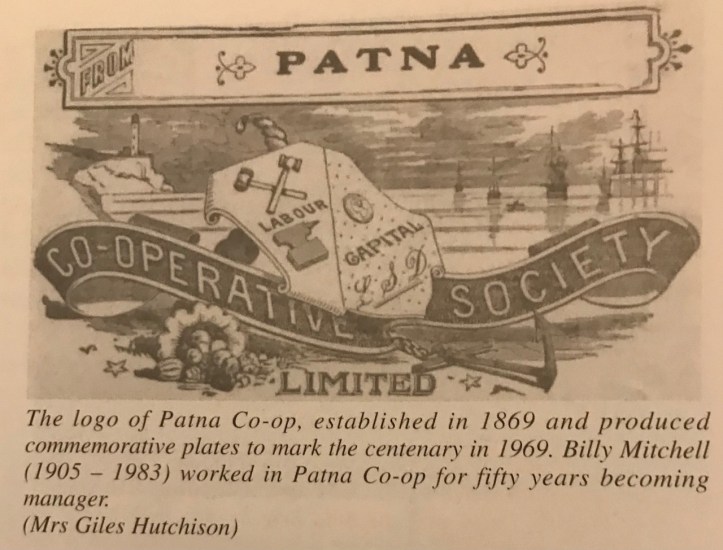
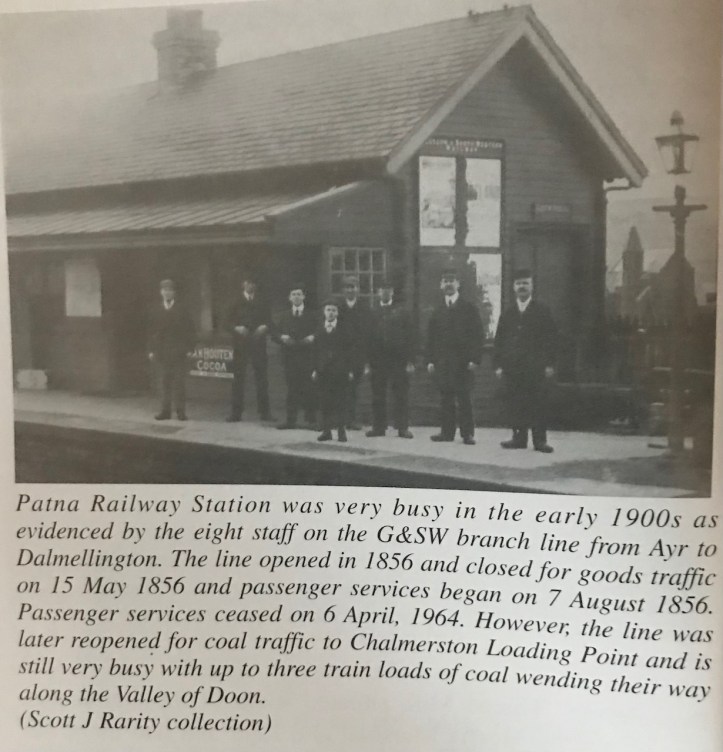
The Patna in East Ayrshire is among the many villages in the Doon Valley, which have been associated with a history of coal, ironstone, and limestone mining. Hence, it once also had a thriving railway station on the Glasgow & South Western branch railway between Ayr and Dalmellington. The station opened in 1856, moved location slightly in 1897, and eventually its passenger service ended in 1964, as part of the brutal Beeching cuts. Coal continued to be carried but even this has now declined and the track lays unused. Indeed, there is an air of a place that once was proud, prosperous, and prolific. Today, it is a sleepy village of barely 1000 families with population declining and unemployment increasing, with which the following words are difficult to square:
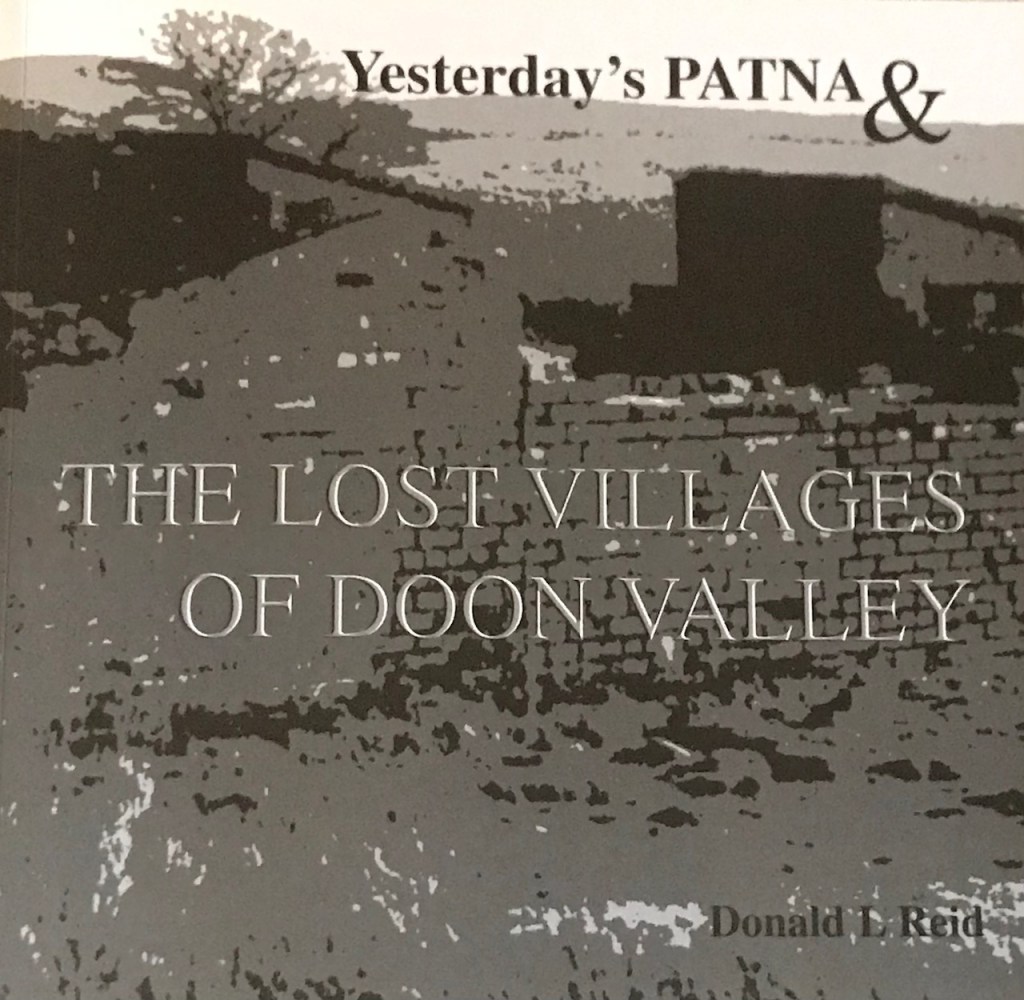
Donald Reid, Yesterday’s Patna and the Lost Villages of Doon Valley. 2005
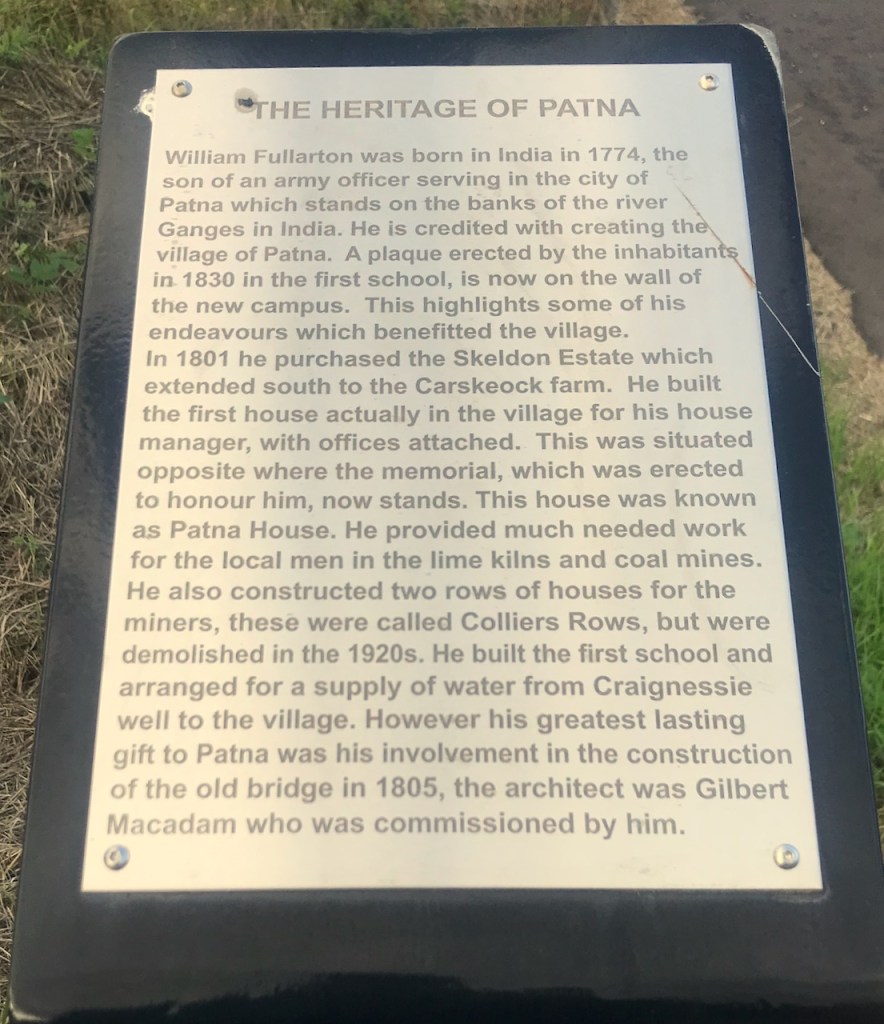
It was in the early 1800s when William Fullarton, an enterprising young man, began mining for coal and limestone on the banks of the Doon. He built houses nearby to accommodate his workers and he decided to call the hamlet Patna after the city in India where his father and uncle had such close associations. William Fullarton later sold the estate at Skeldon and moved to Ayr where he had a successful career in local politics, twice becoming Provost, around 1823-1825 and 1830-1834. He died in 1835 at the age of 60 and is buried in the cemetery of Ayr Auld Kirk. Fullarton proved himself to be a kindly benefactor to Patna. He built the first house in the village to house the manager of his coal mines. This, with offices attached, was to become known to later generations as Patna House.


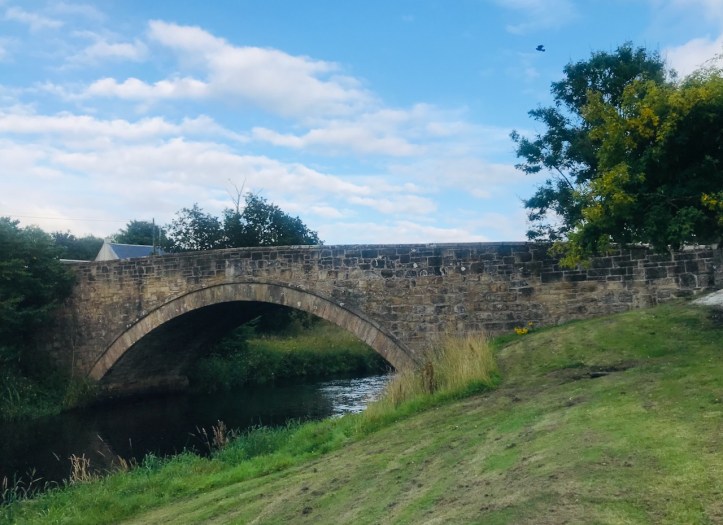
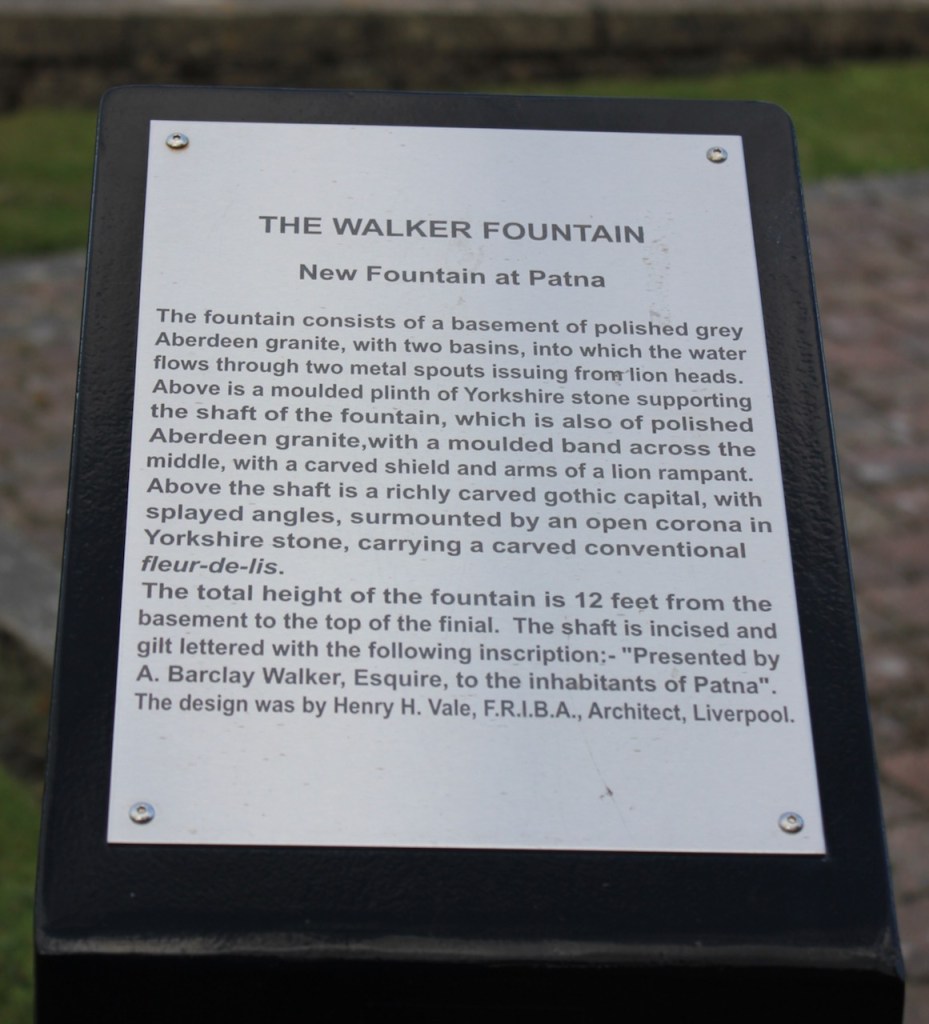
Fullarton is remembered kindly, having created many local amenities for the small and then-growing area. Mining led to home and hearth, work and schools and the stream – a crucial water source – saw the building of the Patna “Auld Brig” in 1805, which functions as a gateway into the village, adding character to it. By 1837, there was a Church building, which is now known as the United Free Church Hall and serves as another reminder of that age. As for the following twentieth century, it has left in its wake the two, ubiquitous, war memorials and a cemetery. There is the obligatory “local” and the imperative “clinic”, but otherwise few streets, some houses and a bus-service connects Patna’s past to its present. As for its bigger “cousin”, once in a while, a visitor comes, like in 2012 [https://timesofindia.indiatimes.com/city/patna/bihar-minister-visits-patna-a-village-in-scotland/articleshow/17755117.cms] and in 2018 [https://www.hindustantimes.com/world-news/when-two-patnas-met-in-scotland/story-G6uILtSL3bvvjJn6GLNOPP.html].


With my sincerest thanks to David Rarity of Patna, who took the time to share his memories and material collected over the years on the history of Patna.

I came across this fascinating article on ‘The Origin and Growth of Pakistan Railways’ by M. B. K. Malik in Pakistan Quarterly, 1962, Vol 11, No. 1. It provides a brief history of building the railways in British India, especially the motivations and impact this had on the two outer regions of Bengal and Punjab. What captured my interest was actually the objections put forward in the initial days. The first one is from the British perspective, but the second one is from a high-caste Hindu, who obviously envisages multiple problems for those guided by astrologers. Both however, express suspicion and concern at this new system of transport and the wider impact it will have on society and the environment. Of course the railways went on to be built in both Britain and British India, and became pivotal to colonial rule. The economy of empire, with key towns and port cities, coupled with the ability to swiftly move the colonial army from cantonment towns was only made possible because of the railways in British India. But that’s another story. Read below the extract from pages 22-23.

The earliest proposals to build railways in India had been made to the East India Company in England in 1844 by Mr. R. M. Stephenson and others. But the time was not propitious. The land had not yet recovered from the effects of the Sind Wars, and the British power and the Sikhs in the Punjab were on the verge of an armed conflict. Nor were the Court of Directors of the East India Company convinced of the feasibility of railways in India. Even in England and Europe railways had met with opposition. In 1835 John Bull had denounced the railways as a menace:
“If they succeed” wrote the paper, “they will give an unnatural impetus to society, destroy all the relations which exist between man and man, over-throw all mercantile regulations, over-turn the metropolitan markets, drain the provinces of all their resources, and create at the peril of life, all sorts of confusion and distress. If they fail, nothing will be left but the hideous memorials of public folly”. It further remarked : “Does anybody mean to say that decent people …. would consent to be hurried along through the air upon a railroad, from which, had a lazy schoolboy left a marble, or wicked one a stone, they would be pitched off their perilous track into the valley beneath; …. being at the mercy of a tin pipe copper boiler, or the accidental dropping of a pebble on the line of way?…. We denounce the mania as destructive of the country in a thousand particulars …. the whole face of the kingdom is to be tattooed with these or a odious deformities …. huge mounds are to intersect our beautiful valleys; the noise and stench of locomotive steam-engines are to disturb the quietude of the peasant, the farmer and the gentleman; and the roaring of the bullocks, the bleating of sheep and the grunting of pigs to keep up one continual uproar through the night along the lines of these most dangerous and disfiguring abominations”.
Objections by Hindus
The orthodox Indians had religious objections. A civilian District Officer, posted in the province of Bihar during the sixties of the last century, has recorded an interesting story showing how orthodox Hindus regarded railway travelling in those days. The officer questioned a nobleman, who had just returned from his first journey by rail, about his views on railway travel. The nobleman replied that it made great noise and that it would be difficult for persons of his high caste to travel at all by such means:
The trains only go at stated times; now I cannot commence a journey except at the minute decided upon by my astrologer as a favourable moment for starting. This makes it very difficult for me to travel at all. Tomorrow I have to go to Muzafferpur, and the astrologer has decided that I must start at 1 A.M. Now my cousin Gadahur went by railway the other day with his wife, and daughter of six years old, and a baby. He started at an unfavourable moment. His wife and two children and a maid-servant were put in a palanquin, which was placed on a truck, which prevented their being seen; and he went in an ordinary carriage. Somehow or other a spark from the engine flew into the palanquin and set fire to some of the linen in which the baby was wrapped; and the servant in her confusion, thinking it was only a bundle of clothes, threw it out. The moment it was done she found out the mistake and they all shrieked. This was only a mile from the Patna station and the train soon stopped. The station master was very kind and did his best, but the palanquin was on fire, and the wife in getting out was seen by many persons. It is not a fit subject even for conversation”.
But all the objections came to naught. England was just entering the age of ‘railway mania’ and it was decided to construct railways in India through Guaranteed British Companies.

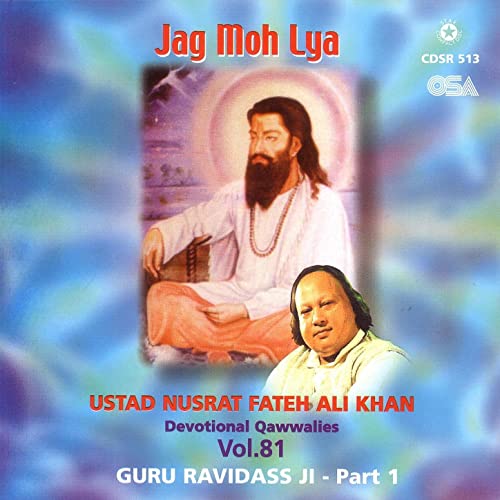
Guru Ravidas was a mystic poet-sant and belonged to the reformist Bhakti movement. Thought to have been born circ. 1450 CE and a contemporary of Guru Nanak (founder of the Sikh faith); some scholars think the two even met. He is revered as a Guru/Bhagat/Sant and is well-known and respected as a social reformer who was keen to see the erasure of caste and gender inequalities. He was born a Chamar (untouchable/dalit) and his fight against social oppression has elevated him as an icon for the Dalit community in contemporary society. His devotional versus are also included in the Guru Granth Sahib but his influence is wide-ranging, spanning across much of northern and central India.
I tired hard to find an English translation of ‘Guru Ravidas’ by Nusrat Fateh Ali Khan but so far I haven’t been successful. It was recorded under the Oriental Star Agency label, circ. 1992 If anyone knows of a translation, please do share it because I think the lyrics, sentiments are just heart rendering. They deserve a much wider audience. While I can follow most of the qawwali myself, I am not able to translate it and do justice to the lyrics. Two lines near the end provide a good sense of the what is being conveyed. The translation is difficult because the word “prayer” does not capture the sentiment sufficiently, because Pooja is performed by Hindus, paath is associated with Sikhs and the azaan with Muslims. There is no direct translation.
na pooja paath azaanan vich (the Lord does not reside in the prayer [of Hindus, Sikhs, Muslim])
rabb wasda e insaanan vich (the Lord resides in humanity)
It is sentiments like these that make Nusrat completely transnational and appealing to people across all faiths.
Source for the lyrics: http://lyricification.blogspot.com/2015/08/ravidas-guru.html
ravidaas bhagwaan da roop laike
aaya jag de dukh niwaarne nu
gote khaandi sansaar di aap bedi
bhawsaagar ton paar utaarne nu
unch neech da fark mitaun khaatir
ravidas insaaf da pakad daaman
kasam rabb di rabb da roop laike
aaya satgur sach satkaarne nu
ravidas guru ravidas guru
ravidas guru ravidas guru
dukhiyan di sunne ardaas guru
kar sab di poori ardaas guru
ravidas guru ravidas guru
kite raajeyan anni paayi si
har paase machi duhayi si
kite kambdi payi khudayi si
kite jaan laban te aayi si
insaan si dushman insaan da
har dil vich peerh sawaayi si
panditan di puththiyan reetan ne
sagon hor chavati naayi si
oh daur si zaalim kehran da
mee wareya pyasi zehran da
amrit baani naal jadon
si sab di bujhaayi pyas guru
ravidas guru ravidas guru
eh raaja ki te parja ki
hath bandi wala darja ki
eh mandir ki te masjid ki
eh puja ki te sharda ki
bhala es khuda di dharti te
bandeyan da jhutha kabja ki
sabb os khuda de bande ne
eh wadda ki te chchota ki
eh dharm karam da jhagda ki
eh deen dharam da jhagda ki
hai raazik sabhda oh khaalik
nukta samjhaaya khaas guru
ravidas guru ravidas guru
us daur di ajab kahaani si
har paase daur shaitaani si
haq sach te kalme di kidre
na kadar kise ne jaani si
sab kojiyan bharman di
ravidas ne ramz pachchani si
harbhajan dillan vich dard bade
koi meera sur di rani si
oh rahbar kaamal akmal si
dil andar naal koi wal chchal si
inj hoka de sacheyayi da
sab kite kaaraj raas guru
ravidas guru ravidas guru
gaya murshid kaamil ki aakhan
os swarg bana ke duniya nu
bedaar banake duniya nu
gulzaar banake duniya nu
paigaam sunake amlan da
gaflat chon jaga ke duniya nu
ujdi hoyi sunji dharti te
khud aap wasa ke duniya nu
na pooja paath azaanan vich
rabb wasda e insaanan vich
chauhaan khuda nu yaad karo
oh har dam wasda paas guru
ravidas guru ravidas guru

 BAGICHA