All posts by Pippa

Poetry Corner: Since You Have Gone by Ribhu Singh

Since You Have Gone by Ribhu Singh

Since you have gone,
the birds have stopped pecking at my window
to wake me up,
mornings have lost their warmth –
day finds me trapped in the darkness of my small room,
nights have lost their darkness –
a faint light flickers in my room throughout the night,
keeping me awake.

Since you have gone,
the home-made sweets in pure ghee
have lost their sweetness and lay half-bitten,
attracting red ants,
flowers have forgotten to bloom –
my garden withered,
the trees have shed their leaves –
autumn knocks at the door.

Since you have gone,
the wind has stopped blowing –
singing in my ears –
everything is still like my thoughts

But now, I hear a bird,
singing its melodies alone
in a silent, quiet corner of my garden.
The crops are ripe and the farmers
blow their trumpet –
singing and dancing, in joy.

Do I hear your footsteps at the corner of my street,
turning towards my unfrequented door?

Oh do come, my visitor,
I have waited long for you.

Courtesy: Five poems of longing for the sizzling month of May. https://scroll.in/article/836073/five-poems-of-longing-for-the-sizzling-month-of-may

The Colours of Vaisakh

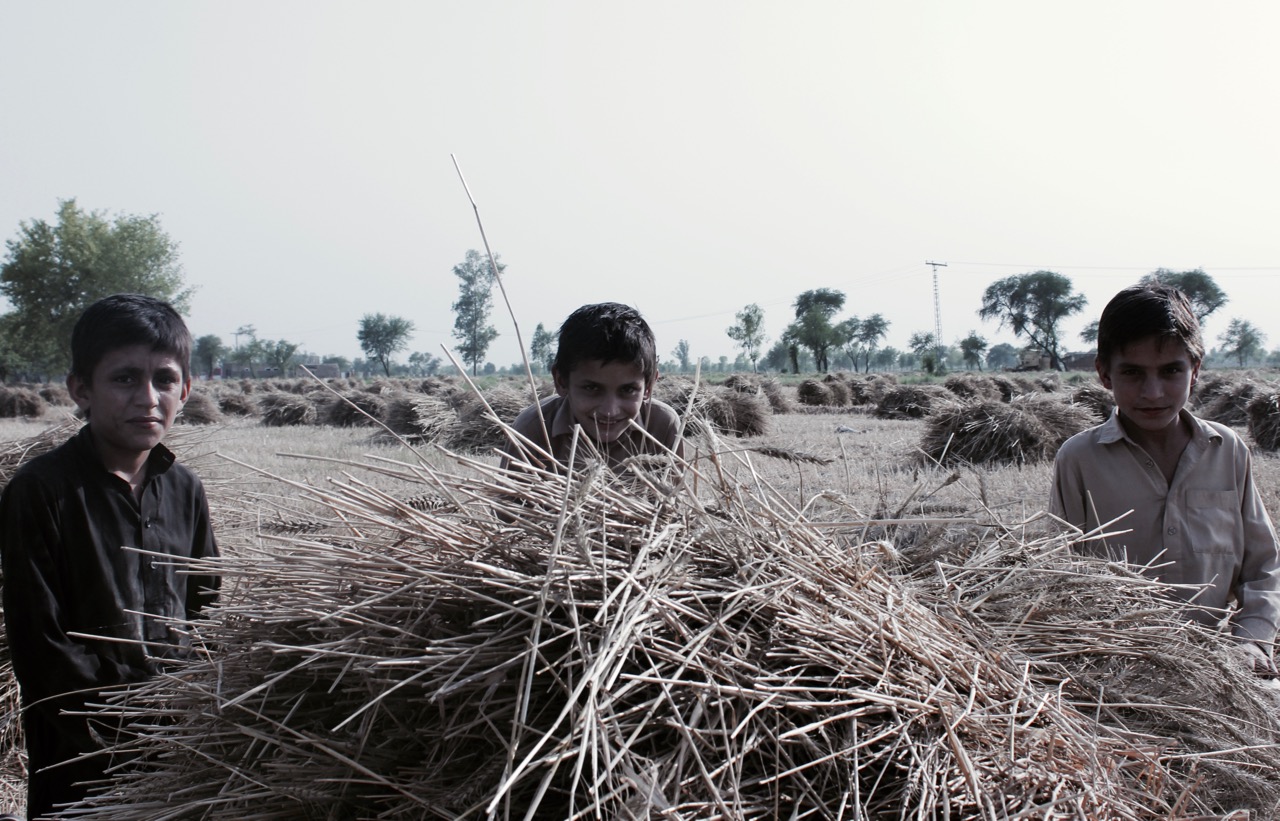
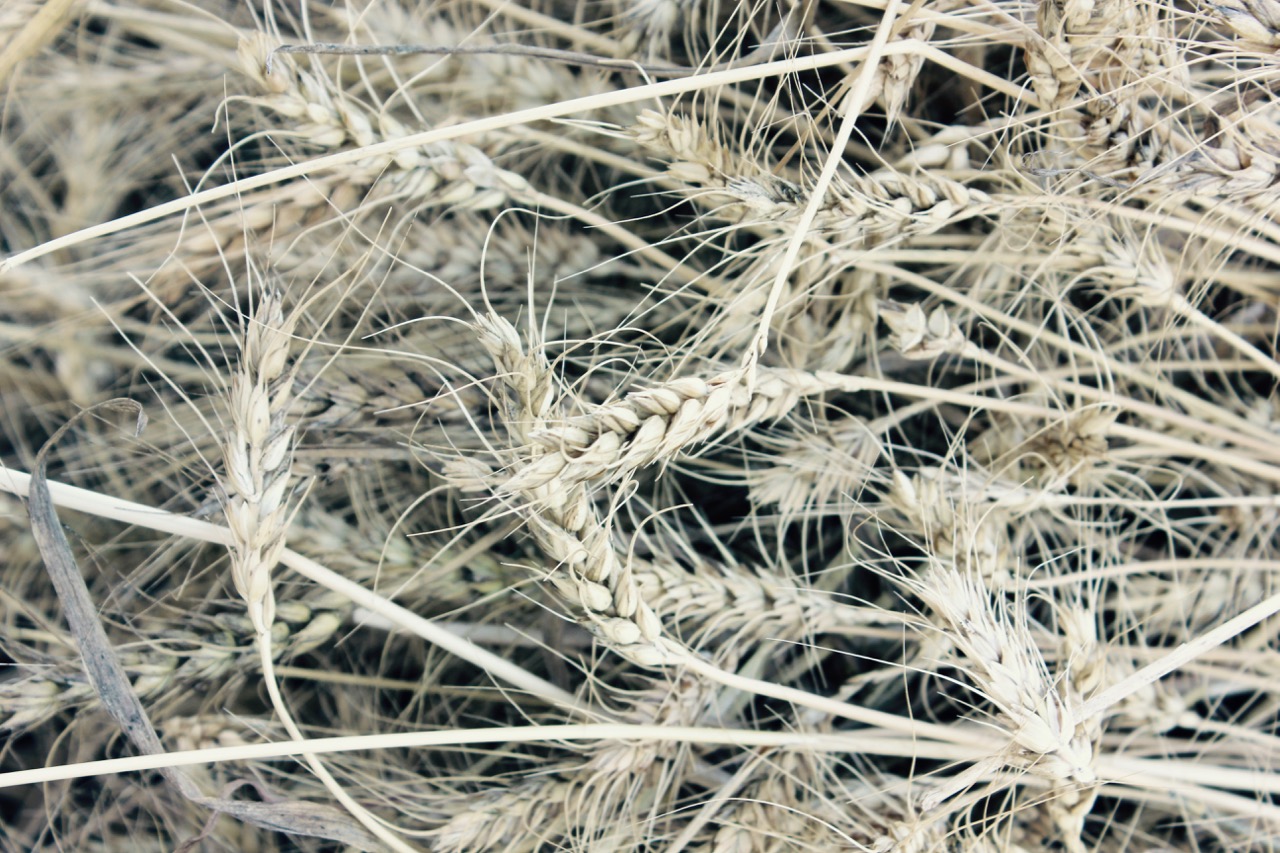
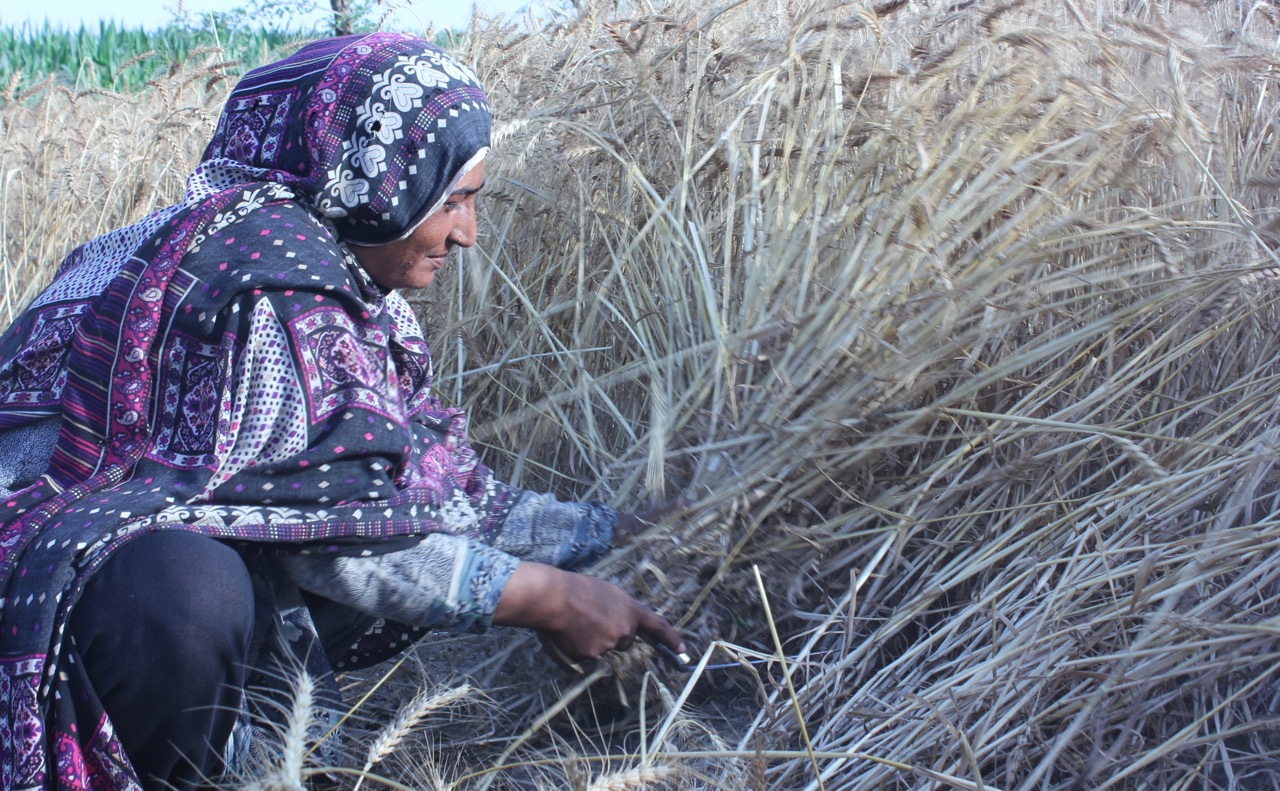
Vaisakh is traditionally the month of crop-harvesting in the Punjab region, in both India and Pakistan. Different permutations also exist in the rest of the countries. It is usually around 13th April that farmers around Punjab will start harvesting their crops and so the month is accompanied with many festivities. Harvesting wheat is the traditional crop that has come to symbolise the month of Vaisakh. The festival of Vaisakhi is an ancient tradition of the Punjab region and while it used to be celebrated throughout undivided Punjabi with village melas or fairs, it is now mostly associated with the Sikh community. For the Sikhs, it marks the birth of the Khalsa, when the 10th Guru, Gobind Singh, laid the foundation of the Khalsa Panth and asked for the five Sikhs to be the first that were formally initiated and baptised into the faith in 1699.

Another important historical event that coincided with Vaiskahi was the Jallianwala Bagh massacre. Thousands of people were gathered in the Jallianwala Bagh in Amritsar to celebrate the holiday and festivities of Vaisakhi. However, in the political volatile climate there was also a curfew and so General Dyer and his troops opened fire on the crowd who were effectively trapped in the public garden complex that only had one exit. Officially 379 people died, unofficially it was closer to 1000 casualties. This is often seen as the beginning of the end of the British Empire in India.

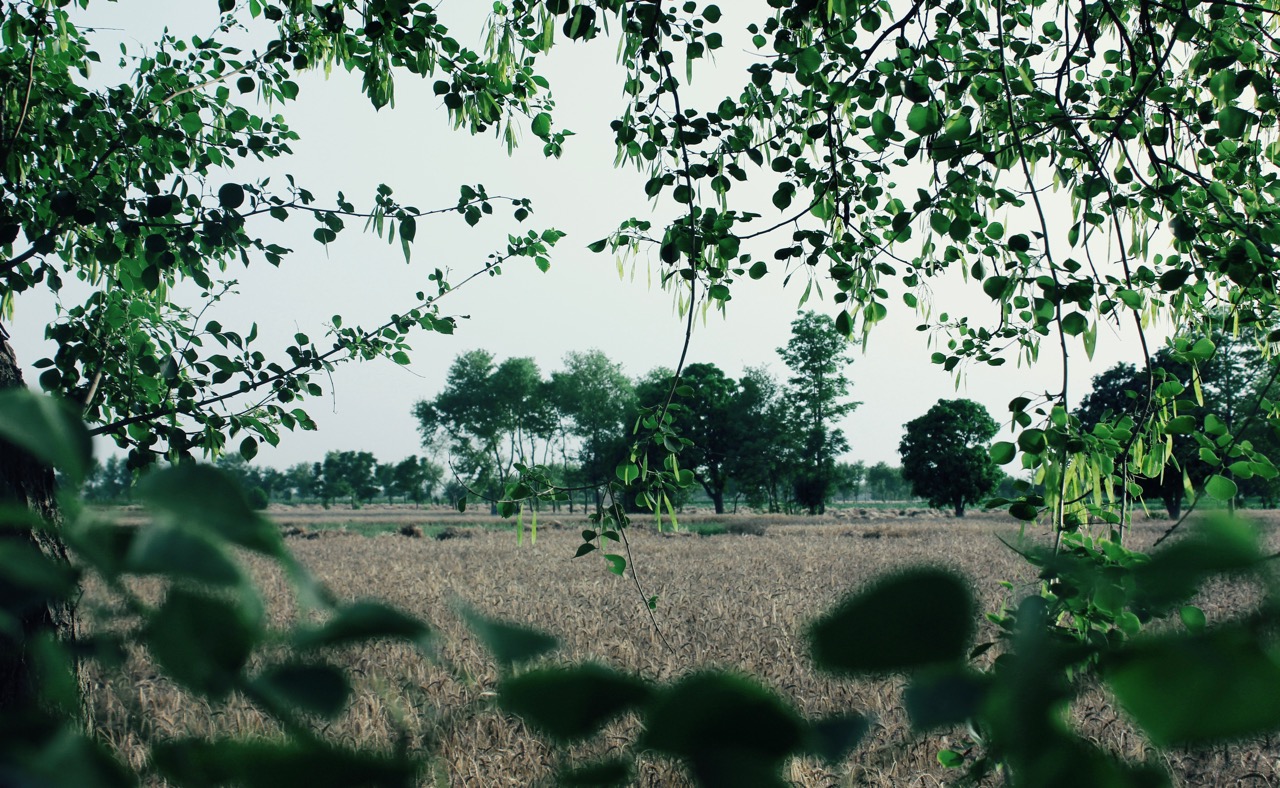
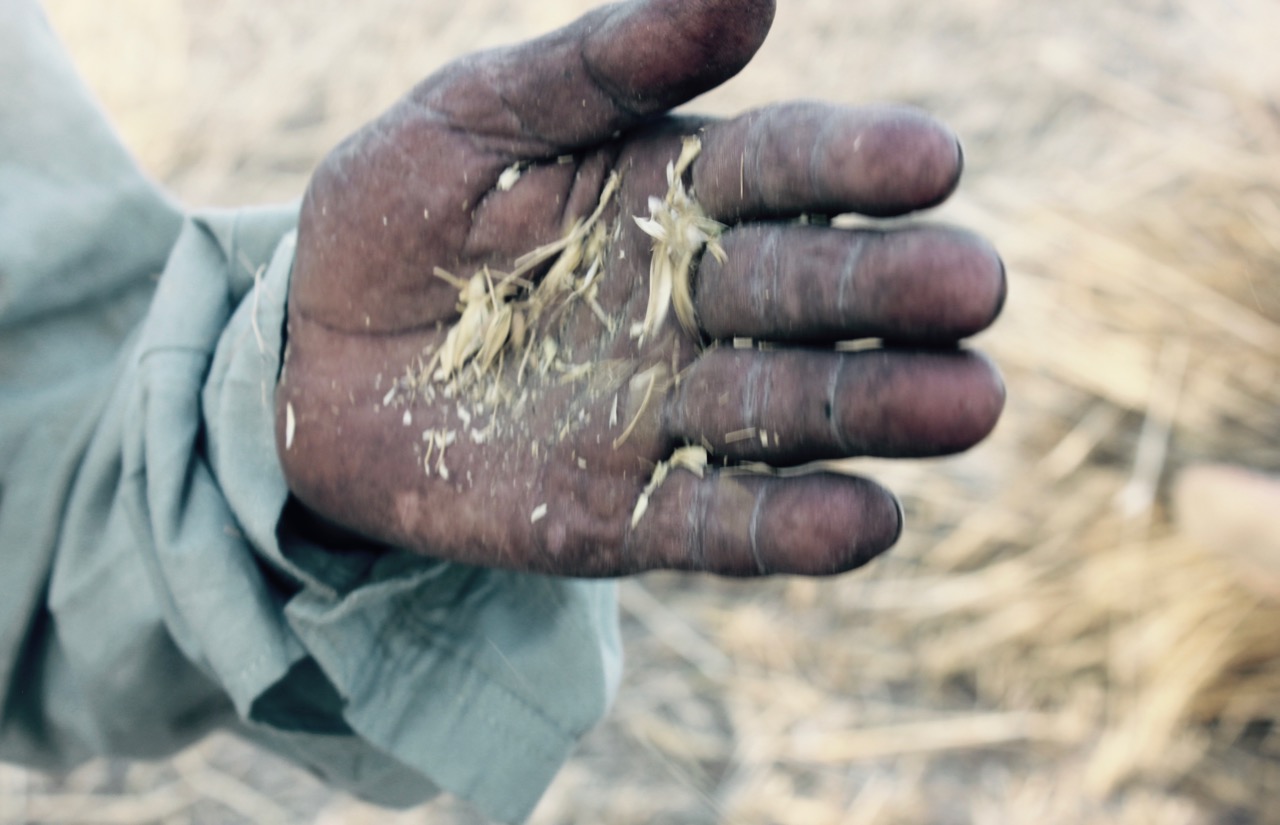
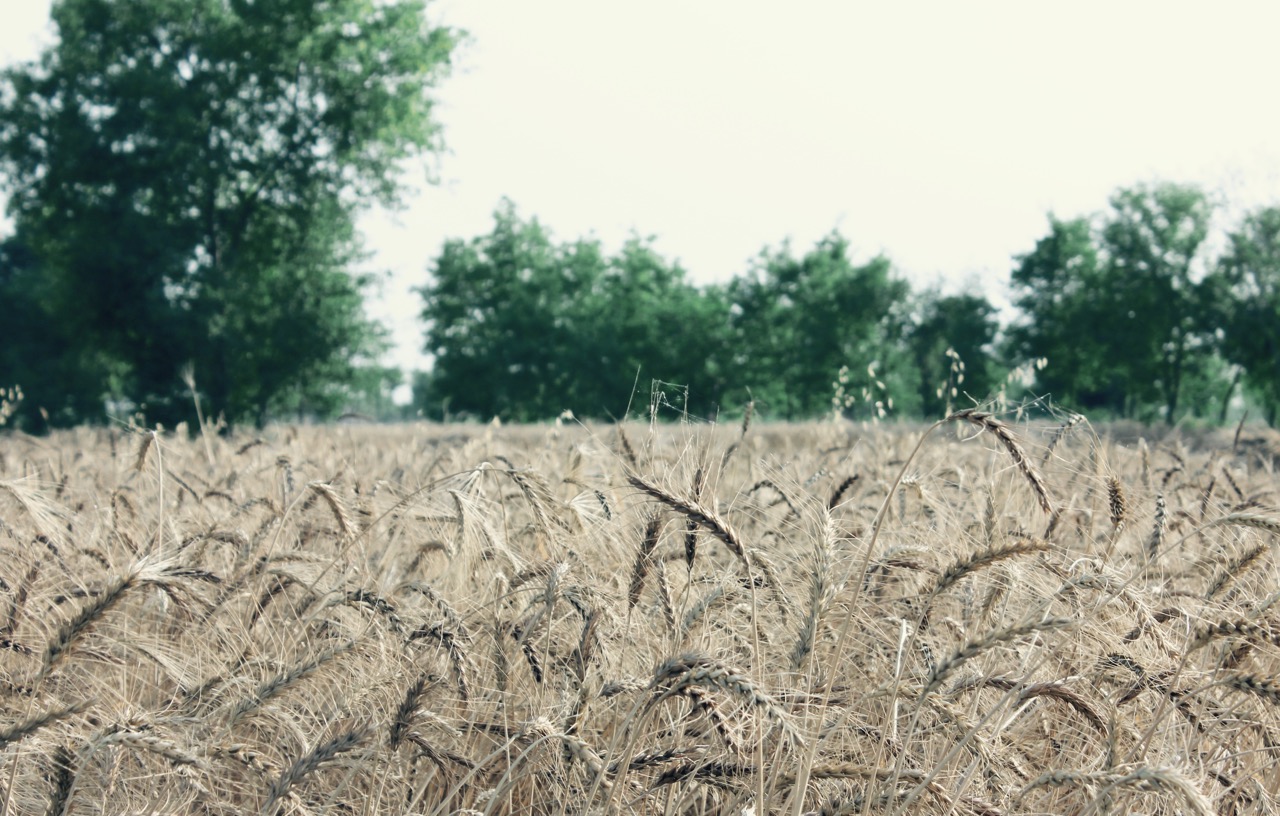
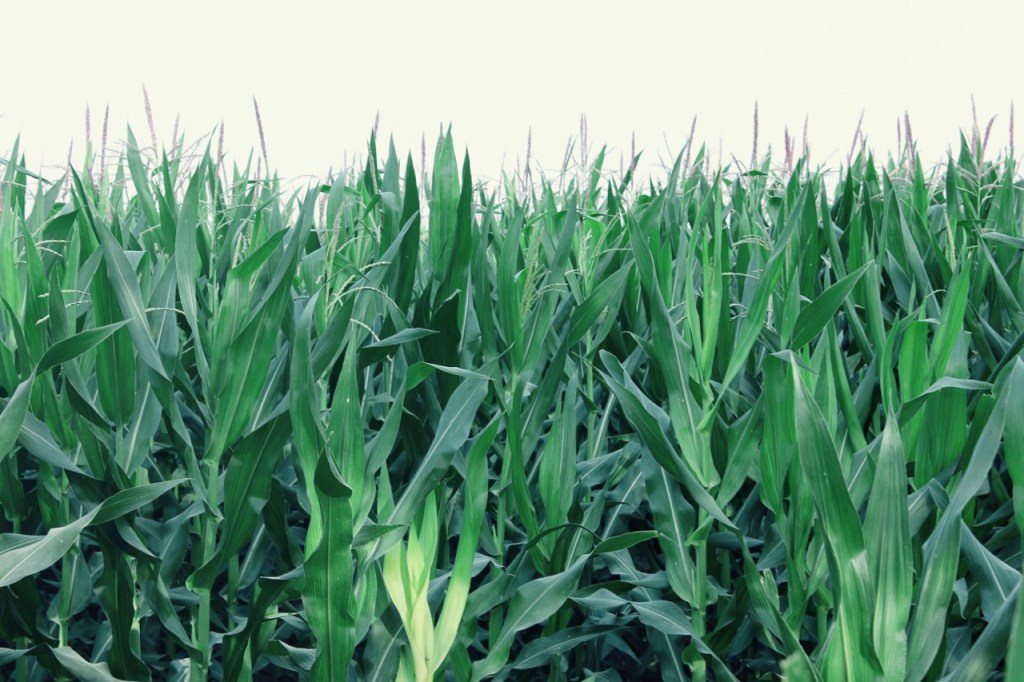
While the month of Vaisakh is still culturally significant on both sides of the border, the religious association means that it has lost some of its importance in Pakistan. The pictures above were taken during a trip to Sahiwal where harvesting wheat was in full flow.

Portraits from Sahiwal

This slideshow requires JavaScript.

Traveling on the Ferozepur Road

This slideshow requires JavaScript.

Lata and the compact cassette

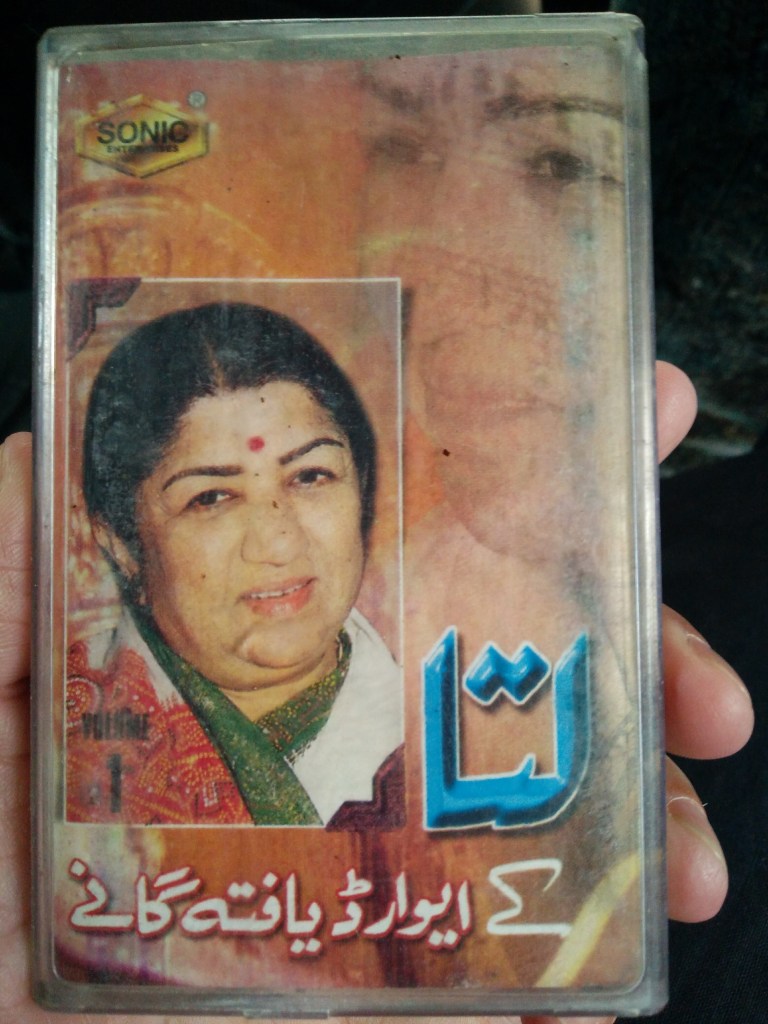
IMG_20170407_085346Imagine the nostalgia of jumping into a 4×4, on a rainy Friday morning in Islamabad, driven around by a German academic, only to discover several music cassettes by Indian singers tucked between the two seats. On close inspection, I discover the music of Lata Mangeshkar – the nightingale of Indian music. Sadly, there was no cassette player in the 4×4 but in that moment, I was transported to the 1980s, listening to popular Bollywood music on the small cassette players, an essential gadget in any household. The numerous compilations in the car were all of music belonging to the golden era of Bollywood music, Mukesh, Rafi and Lata.
Pakistan is not a place I immediately associate with music, you don’t often hear music in people’s houses, nor the streets or even the restaurants and cafés. When I do hear music it often registers in my mind, the sound of music to me is universal and without borders. The melodic sounds can reach out to anyone and everyone and so for me, music is like a breath of air. Growing up, we were always surrounded by music, whether this was religious music or popular music on the radio. Early childhood memories are filled with different genres of music but each one them is associated with a time and place, with the power to transport you back to that time and place.

I can’t exactly remember the last time I might have played something on the compact cassette. I know the earliest interviews I did were all recorded on cassettes, usually on the 60 minute tapes. This was as late 2002, only fifteen years ago. The cassette quickly disappeared after the micro discs and then eventually digital recordings which ended the reign of the cassettes. Digital recordings have been far more versatile, especially when traveling around and not knowing how long the interviews might last. But the cassette, despite its flaws and ability to get stuck in the cassette player, still has the power to evoke emotional memories associated with a bygone era.

Happiness is…

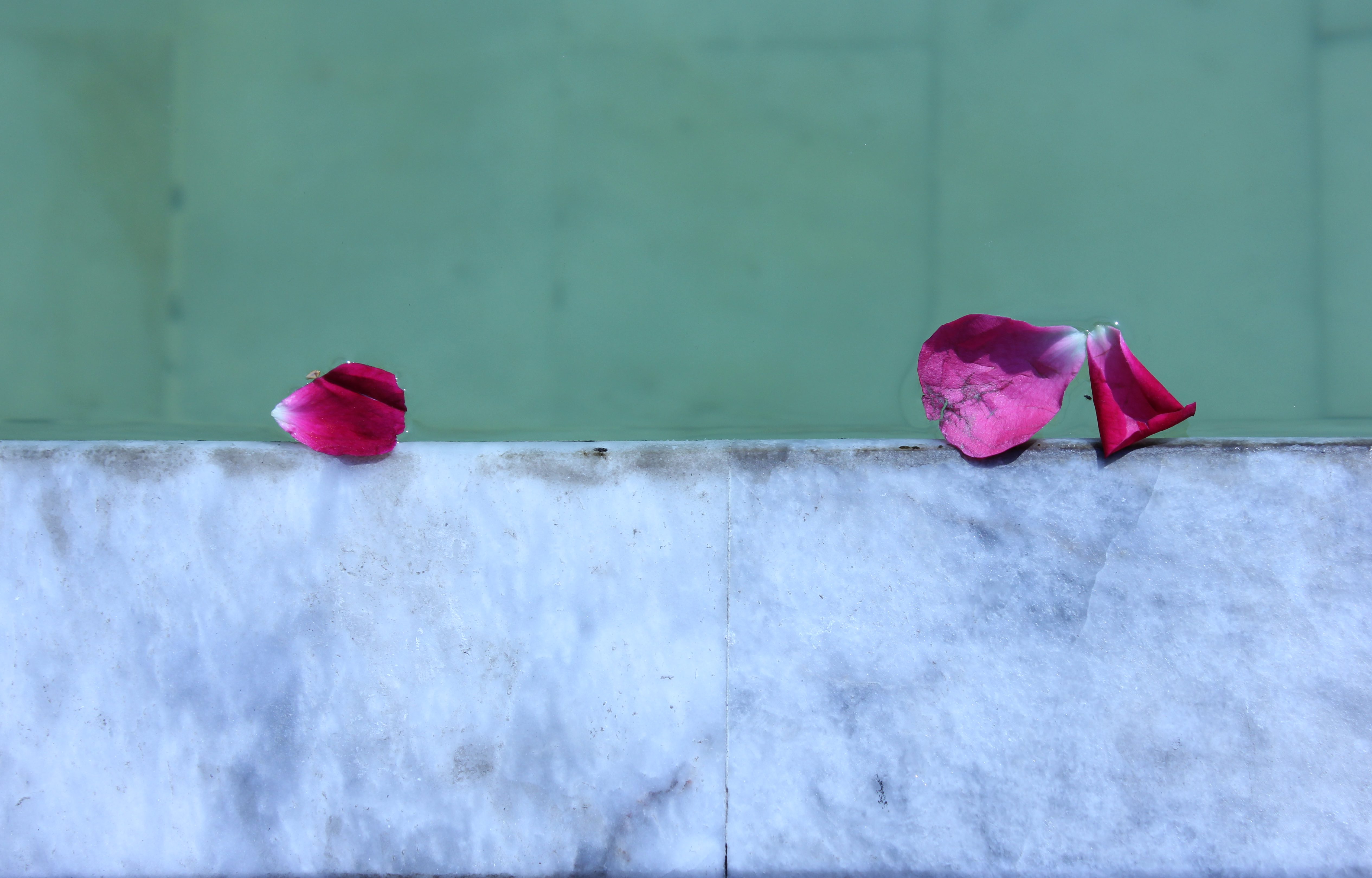
petals wazir khanSo the World Happiness Report is out in which our social progress and levels of happiness can apparently be measured. In June 2016 the OECD made a commitment to “to redefine the growth narrative to put people’s well-being at the centre of governments’ efforts”. Happiness is can therefore be a part of our policy making as we develop and progress further as nations.

Levels of happiness can be determined by many personal factors, as well as social, economic and wealth. Interestingly, China which has experienced enormous growth, is no happier than 25 years ago (positioned 79 on the ranking table). As the list below indicates, India which has also experienced high growths in recent years is not the happiest country in the region. The South Asian perspective throws up some interesting rankings, especially Pakistan. So what makes us happy? Do share your thoughts.

37 Nepal

80 Pakistan

97 Bhutan

110 Bangladesh

120 Sri Lanka

122 India

141 Afghanistan

Read the full report: http://worldhappiness.report/ed/2017/

On a personal note and what made me think about happiness today, a serendipitous recommendation on YouTube which led me to Bhai Gopal Singh. It immediately took me back to my childhood of growing up in Nakuru, Kenya. His shabads were often played on the small cassette player, placed on top of the fridge. It would permeate the bungalow in the mornings and had left endearing and happy memories of childhood. Listening to his voice, immediately takes me back to those moments and so happiness can be captured in those precious memories. Content for time being.

Listen to Bhai Gopal Singh

Mela Phulkari: IV

This slideshow requires JavaScript.

Mela Phulkari is the brainchild of Kirandeep Kaur and Harinder Singh, owners of Punjabi revival arts and crafts brand, 1469. Last year I was lucky enough to stumble upon the exhibition at the India Habitat Centre and managed to even spend time with Kirandeep, Harinder and the curator and art historian Dr Alka Pande.

The mela (festival) is an attempt to bring together the arts and crafts of Punjab to showcase the vast and impressive handicrafts of the region. Some of these crafts are dying out now due to lack of awareness, investment and changes in people’s tastes. Through their brand of 1469 and Mela Phulkari, Kirandeep and Harinder are trying to rejuvenate and inject new life into these arts and crafts of Punjab.

The Mela derives its name from phulkari which is essentially made up of two words phul = flower and kari = craft and is piece of embroidered cloth. The embroidered floral work was done with floss silk on cotton fabric and over time this type of work quintessentially became associated with Punjabi craftsmanship. Interestingly the phulkaris were traditionally woven by women especially for special occasions such as weddings. Remaining in the domestic space they were never intended for commercial sale as these were individual pieces put together for personal use only. The weaving of phulkari is therefore akin to weaving dreams and desires that they had rather than just a regular chunri (head scarf) or shawl. It brings together bright, jubilant colours to represent joyous occasions. Devoid of any religious subject, the phulkari is a simple design yet creative piece of design work. Motifs represented everyday life but the colours and style of embroidery varied across the region and depending on the occasion. The mela thus serves as a wonderful syncretic tradition of the Punjab.

Read more about Phulkari: http://indianheritage.biz/Phulkari.html

Apart from the phulkari, the mela brings together lots other artefacts from Punjab and installations. The mela is definitely worth a visit when you are in Delhi. Go exploring at the Mela Phulkari, Open Palm Court, IHC. Exhibition showing from 6th to 13th April 2017. http://www.indiahabitat.org/

Visit the 1469 shops or go online: http://www.1469workshop.com/

WhatsApp Image 2017-03-18 at 19.36.12

The Partition Museum, Amritsar

This slideshow requires JavaScript.

The Partition Museum is an attempt to preserve the history and memories of 1947, that saw the creation of India and Pakistan and as a result the partition of Punjab and Bengal. Located in Amritsar the museum deals with mostly the effects of partition on Punjab rather Bengal. It is the initiative of Lady Kishwar Desai and The Arts and Cultural Heritage Trust, along with other organisations. The Partition Museum is in Amritsar’s Town Hall and located in the newly renovated area near Hall Bazaar. The renovation work is a delight in the hustle and bustle of the walled city of Amritsar. The surrounding area all carry remnants from the colonial period and ironically the museum itself is housed in the colonial Town Hall built in the 19th century.

The museum contains mainly pictures, a few artefacts and newspaper clippings from the independence period. It is spread across 3-4 rooms which use multimedia, visual and documentary sources to illustrate and memorialize the Partition. It is therefore a small exhibition and largely provides an overview of what happened.

I wish I could have connected better with the endeavours and intentions of the museum but it left me feeling empty and concerned with the lack of reflection. The museum unfortunately reflects the elite vision with which it was conceptualised. Having spent the last sixteen years working on the history of Partition, I realise that people still need to learn more about this period. But sadly, seventy years on we hardly have any empathy for the collective guilt that we all share in this legacy. The newspapers presented were from the Indian perspective, the horrors of violence were those perpetrated by Muslims against Hindus and Sikhs. Had we been on the other side of the Radcliffe Line, I imagine similar one-sided accounts would be shown of how Muslims were killed at the hands of Hindus and Sikhs. So, when do we move away from this communalized history of partition that still lingers on?

The pictures and voices shared were not of the ordinary people suffering but of prominent people and those who have come to “symbolise” partition history. This is certainly not a people’s history. Even the Tree of Hope presented me with little hope as it was covered in nationalistic and jingoistic slogans written by school children and visitors. Hardly giving secular India hope for the future. Instead the Tree of Hope just reinforces the new powerful and bullish India, unleashed by Modi’s vision.

My main concerns were with the well that has been installed in the museum. It is obviously designed to educate people but what sort of story is it trying to tell us? By simply stating that many women were forced to or rather martyred themselves by jumping into the wells is simplifying a very complex history. Women as the torch bearers of community honour were in some cases (we can hardly guess the numbers) forced to jump into wells by the patriarch of the family or community. Some went willingly but others were more reluctant; afraid of what was expected of them. We can most poignantly see this in the film Kamosh Pani. And so, to show this well in the middle of exhibition represents what exactly? If this was the original location, as in Jallianwala Bagh, it would make sense but to install it for effect is problematic. What kind of history and memory is being preserved by these acts to recreate history selectively? With little intellectual engagement with these selective symbolic fragments from our collective past we can only serve to re-enforce the communalised identities that led to 1947 in the first place.

Visit the website: http://www.partitionmuseum.org/