Tag Archives: Sikh

Top Posts in 2024

I hope you have been enjoying the photos and blog pieces from 2024 and rather belatedly I’m sharing the top posts from last year.

  1. Mein Tenu Phir Milangi – I will meet you yet again by Amrita Pritam

2. Ajj Aakhaan Waris Shah Nu By Amrita Pritam

3. Sahir Ludhianvi and the anguish of Nehruvian India

4. Poetry Corner: Lahore

5. “My spiritual guru is Nanak Dev and my trade guru is Baba Vishvakarma”

6. 23 Sir Ganga Ram Mansion: The house of Amrita Sher-Gil

7. 70 years ago: extracts of the Sunderlal Report, Hyderabad 1948

8. (Inhabiting) the Space between Black and White: Indian/Sikh Community in Kenya

9. How the Photographs of Margaret Bourke-White became the Images of Partition.

10. 1881: the first full census in British India

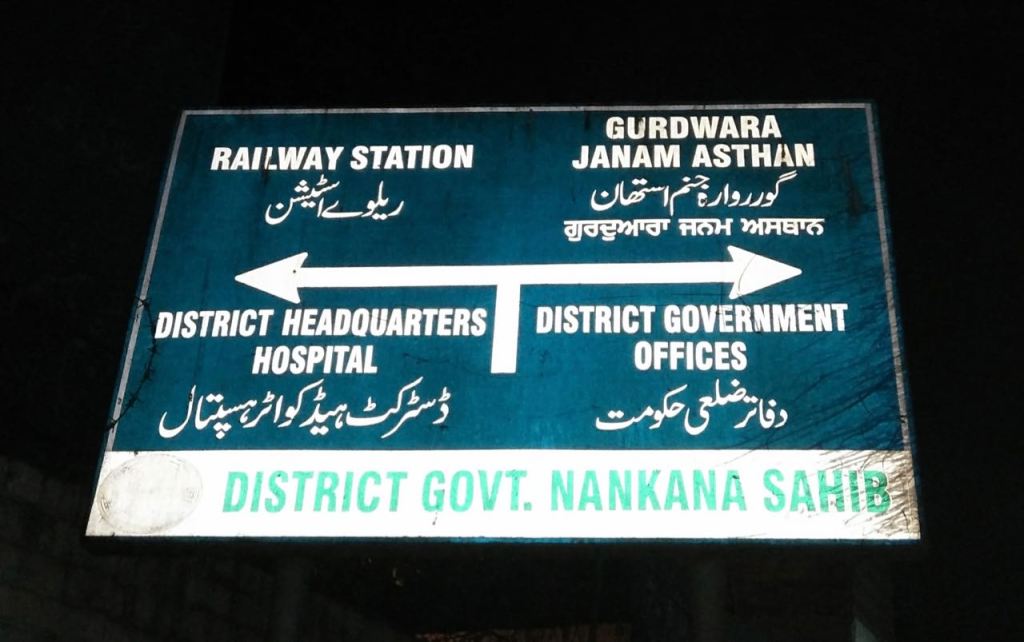
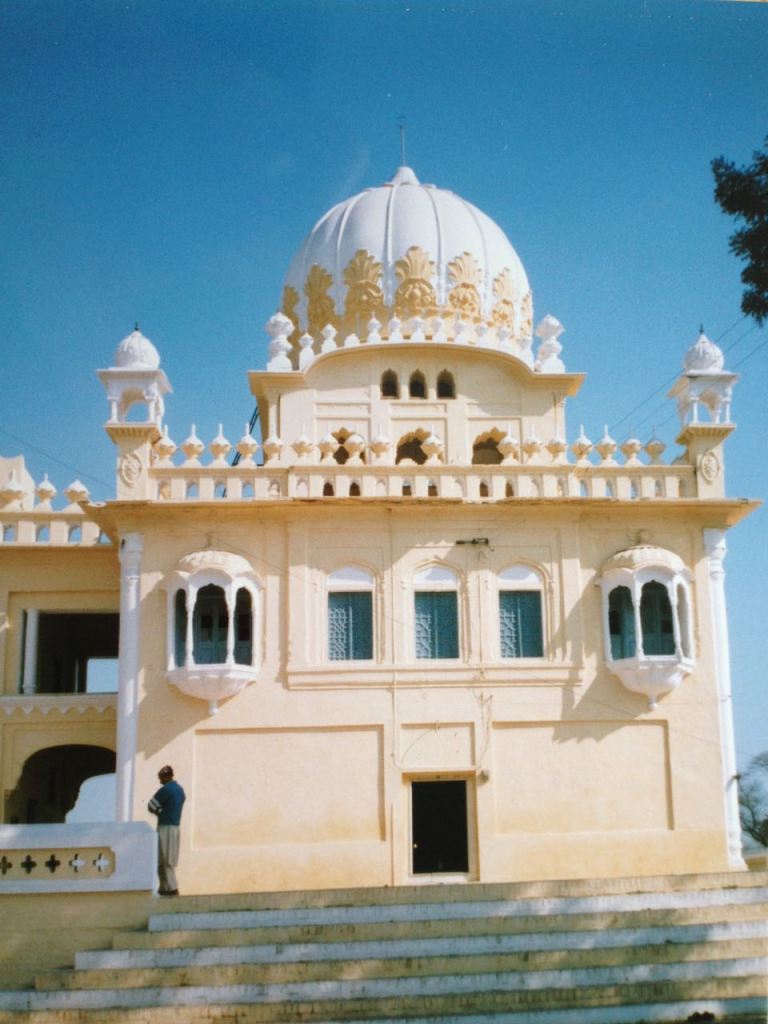
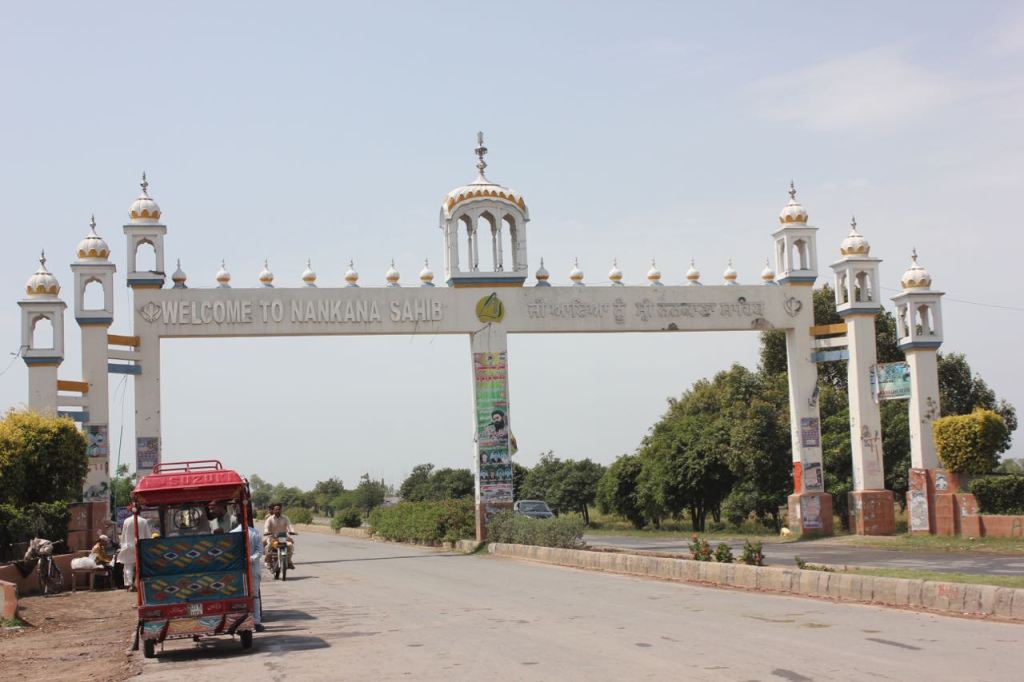
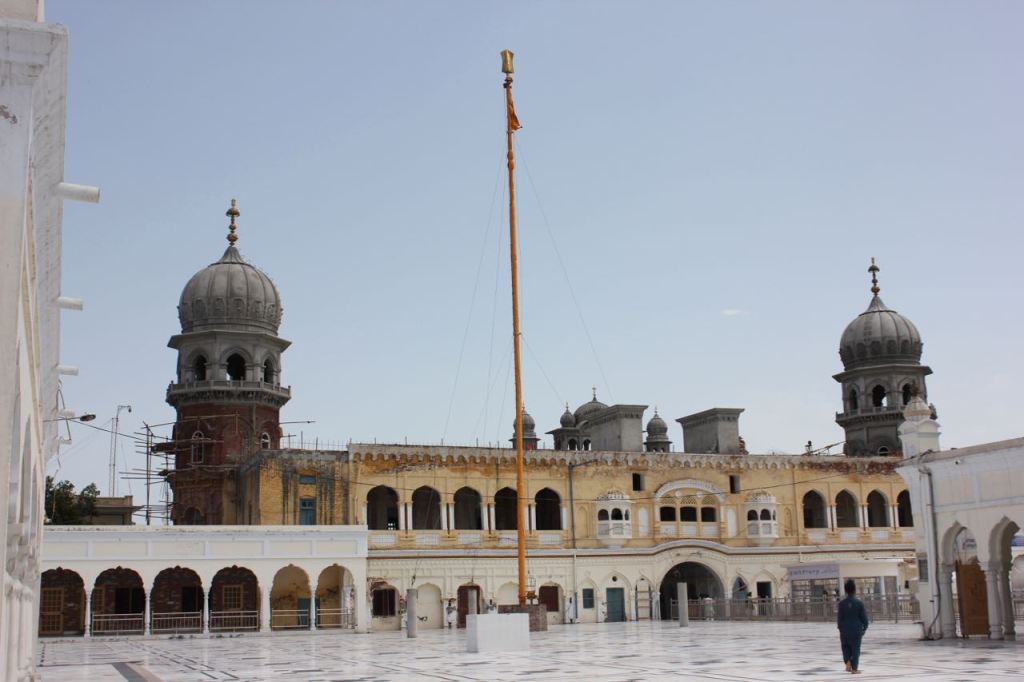
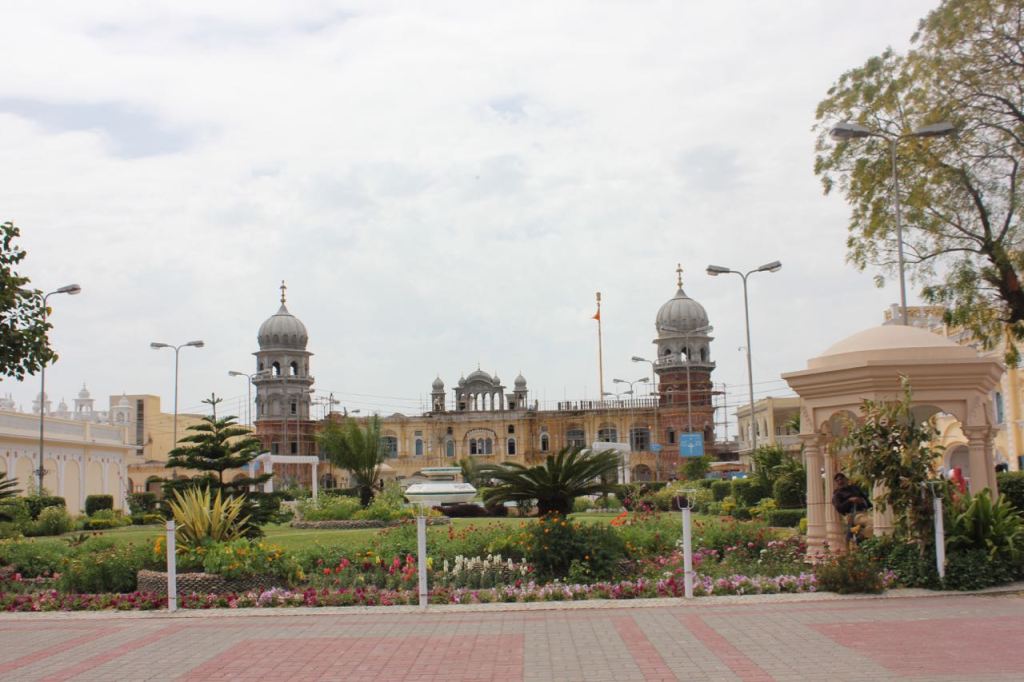
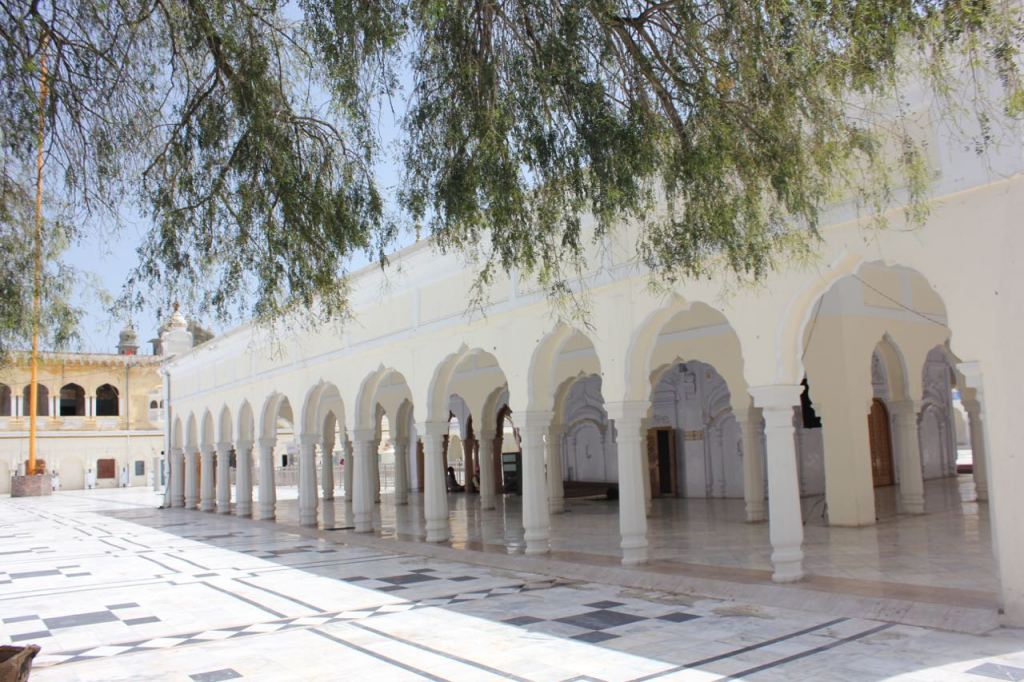
Welcome to Nankana Sahib

Nankana Sahib is the Birthplace of Guru Nanak. This town was originally known as Talwandi of Rai (Rai Bhoi di Talwandi) and today it forms the core of the small Sikh community in Pakistan. Every year on Guru Nanak’s birthday (Gurpurab), Sikhs (and others) gather around Nankana Sahib to remember the founder of the Sikh faith. Over the years the Gurdwara complex has grown considerable. I first went there in 2003 when it was a small gurdwara with a largely Pathan Sikh community of about 50 families who lived there. The last time I went there was on Gurpurab in 2016, and the small town was transformed into a mela of 20-30,000 people from around Pakistan, including the Nanak Panthis (mostly from Sindh) and Sikhs from around the globe (including India). The area now has district status and attracts the Sikh diaspora, who come here in huge numbers on pilgrim visas. The growth in the pilgrims and tourism is one of the main reasons for the growing investment in places like this and hence the transformation of this area.

I leave you with the voice of Nusrat Fateh Ali Khan – born in Lyallpur (Pakistan) with ancestral roots in Jalandhar (India) – who is performing/reciting Koi Bole Ram Ram Koi Khuda (Some call the Lord ‘Ram, Ram’, and some ‘Khuda’) at the Ramgarhia Sabha Gurdwara (Slough, UK) for the Sikh Diaspora in 1989 – many of whom appear to be from East Africa. But the words of the Guru and music know no borders.  

Ustad Nusrat Fateh Ali Khan Live in Slough Gurdawara, 1989 by Oriental Star Agency

If you are interested more in the shabad, the translation and the meaning, please click here.

The Sikh Question: two thoughts


Jawaharlal Nehru to Baldev Singh, 23 November 1948 (JN SG File No. 15 Pt.-II):

‘[Your] note about the Sikh position in East Punjab…I was surprised and depressed to read it. I entirely agree with you that we should help the Sikhs wherever possible. But [your] proposals seem to me basically opposed to the very things we proclaim and stand for. Our government as well as the Constituent Assembly have declared themselves to be totally opposed to communalism. We may not be able to put an end to [it], but in all governmental activities we can give it no place…The Constituent Assembly [came] to certain decisions last year in regard to minorities which are applicable to all of them…no government can apply one principle to one community and totally different principle to other communities…This means joint electorates, reservation where desired by the minority, but on the basis of population only and no weightage.

Regarding the carving out of a new province or transfer of Gurgaon district to Delhi, I have been opposing suggestions for provincial redistribution or division…I believe that something of this kind will have to be done but [not] I at this particular time when we are grappling with very difficult problems…Let this matter be considered dispassionately somewhat later. The Punjab, as you remind us, is a frontier province now and we cannot allow the situation in the East Punjab to deteriorate. Nor will it be desirable to think in terms of communal provinces when refashioning our provincial areas…Any untoward development in East Punjab might have serious repercussions on the Kashmir situation…As for the formation of constituencies, any attempt made to gerrymander in favour of this or that group would also lead to bitterness and conflict.

I would very much like to do something to convince the Sikhs that their fears are groundless. Indeed, I do not myself see why a progressive and enterprising community like the Sikhs should be afraid of the future…It would be doing an ill-turn to the Sikhs to treat them as the Muslim League wanted the Muslims to be treated before the Partition. What I have been specially distressed is the strained similarity between the present demands of some of the Sikh leaders and the old Muslim League demands…Can we not learn from bitter experience? You have rightly complained of some articles and cartoons in the few Delhi papers. But whatever these papers may have written, it pales into insignificance before the speeches and statements of Master Tara Singh…extraordinarily irresponsible…open incitement to war and to internal conflict…upset me a great deal’.

Tara Singh (District Jail, Banaras) to Nehru and Patel, 19 April 1949 (JN SG 23 Pt.-I):

‘Since I read in the “Statesman” that the consideration of formation of linguistic provinces in northern India has been indefinitely postponed, I have been deeply thinking how to convince you that the Sikhs are in urgent necessity of maintaining Panthic entity in order to protect their religion…the Sikhs in order to exist, must have a home in the Indian Union where they have some power to practice and advance their culture, religion and language according to their own light…Why should the Congress yield to the communal demand of the Hindus of the Punjab and be a tool in the hands of the communalism of the majority? The vocal section of the Hindus in the East Punjab wish to dominate us and use us as chowkidars…it was the Hindu press which was the first to write that the Hindus cannot live in a province where the Sikhs be in majority…this is the mentality of the so-called nationalists…if the Hindus who have majority in the central government cannot stay in a province where the Sikhs may have majority, how can the Sikhs stay in a Hindu-majority province when they are in hopeless minority in the centre also?…It is of course easy for those in majority to pose as purely nationalists, for best nationalism and worst communalism coincide here…

I feel I am the person responsible for bringing the Sikhs to the present position…In 1929, when [Motilal] Nehru report was published, the Sikhs as a community went out of the Congress…I, with some colleagues, [persuaded] the leaders of the Central Sikh League to come to a settlement…I, with others, came back to the Congress. If the Congress now forgets its promise, I am not going to shirk my responsibility…I may give an example. A [Sikh] deputation met Sardar Patel some time ago and put some demands. He did not agree to any one of them. One of the demands was that while granting certain privileges and concessions to depressed classes, no distinction on religious ground be made…at present, if a Hindu of a depressed class embraces Sikhism, he is deprived of these privileges and if a Sikh of a depressed class embraces Hinduism, he gets the privileges…Congress leaders had [said] that if that distinction was removed, some of the depressed class Hindus would embrace Sikhism. This is how cat was let out of the bag…

Most of the Punjab Hindu leaders [are] communalist at heart…a Sikh protects every religion…Guru Teg Bahadur sacrificed himself to protect Hinduism…so I claim that the Khalsa Panth is not communal…most Hindus do not realise it…independence to them appears Hindu domination…I do believe in the fundamental oneness of the Hindu and Sikh religions, but I do not call myself a Hindu…I wish to save the Khalsa Panth which will prove a pillar of strength of the country, as it did in the past…Sardar Patel does not seem to realise this…my only hope and my only weapon is righteousness of my cause and my faith in Him who saved Prahlad…I make the following two demands: 1) Sikhs and Hindus of the depressed classes should have the same privileges and concessions; 2) a Punjabi-speaking province shall be created so that the bulk of the Sikh population shall not live under Hindu domination on provincial basis…I have never demanded and do not demand now an independent Sikh State…I do demand a self-governing unit within the Indian Union…we are a religious minority in dire need of protection…if my above two demands are not granted, I shall start my fast unto death…Kindly do not enter into technicalities while replying…’

Read further:

J.S. Grewal, Master Tara Singh in Indian History. Colonialism, Nationalism, and the Politics of Sikh Identity, (OUP, 2018)

J.S. Deol, Baldev Singh (1902-1961), Oxford Dictionary of National Biography (2004).

Reportage: 1 Nov 84

Army Controls Kanpur. Paris AFP 0628 GMT 1 Nov 84

Army troops took control of the industrial city of Kanpur in northern Uttar Pradesh state early today following violence triggered by Prime Minister Indira Gandhi’s assassination by two Sikh members of her security guard yesterday.

Earlier, authorities clamped an indefinite curfew on four districts of the city or nearly four million people, PTI said.

PTI, quoting official sources, also reported a number of cases of arson and looting, but no further details were available.

Sikhs came under attack from angry Hindu crowds in several Indian cities, including New Delhi, yesterday as news of Mrs. Gandhi’s assassination spread.


Sporadic Violence in Country. Delhi Domestic Service 0837 GMT 1 Nov 84

There are reports of sporadic violence in some parts of the country following the assassination of Mrs Gandhi.

In Delhi, arson and violence have been reported from several areas. According to agency reports, curfew has been imposed in some places including Jammu, Kanpur, Patna, Sagar, Varanasi, and Raipur.

In Bombay, shops and business establishments have closed down as a mark of respect to the departed leader. In Trivandrum, people are wearing black badges to mourn the passing away of Mrs Gandhi.


AFP on Violence, Arrests. Paris AFP 0936 GMT 1 Nov 84

The authorities today imposed a curfew on the Indian capital as angry Hindus went on a rampage of burning and looting, seeking fresh revenge for the murder of Prime Minister Indira Gandhi by Sikh gunmen yesterday

A police announcement said the decision was made to stop the violence which last night left at least three Sikhs dead, according to eyewitnesses, and 200 injured, according to police.

Army troops patrolled the streets, amid reports of sporadic gunfire between police and unidentified gunmen holed up on rooftops.

Prime Minister Rajiv Gandhi, son of assassinated leader Mrs. Gandhi, held an emergency Cabinet meeting to review the situation. officials said.

In other parts of India, the Army reportedly took control of the industrial city of Kanpur in Uttar Pradesh while police in Bihar State were under orders to shoot troublemakers on sight.

Curfews were in force in most states.

Para-military forces fanned out across this city of six million people today as mobs armed with choppers and clubs set fire to houses, cars and other properties belonging to minority Sikhs in retaliation for Prime Minister Gandhi’s assassination, eyewitnesses said

“It is terrible, they are setting fire to houses, stopping vehicles and looking for Sikhs… it appears that we are in a jungle”, said a panicky resident from the southern district, where foreigners generally live.

One Sikh was found dead here, police said, but witnesses said they saw at least two bodies near the one recovered by police.

Police sources also said 200 people, mostly Sikhs, were injured and half of them were admitted to hospitals here as buses, trucks, cars, scooters, shops and Sikh temples were set on fire last night by outraged Hindus.

Security was tightened around New Delhi’s Sikh temples, which had come under attack yesterday.

Authorities banned the assembly of more than five people in public places were, but there was no report of any arrest.

There were no reports of any new casualties, as Sikhs here appeared to have gone underground for fear of reprisals.

Police this morning also reported cases of arson and looting in Ahmednagar, in the western coastal state of Maharashtra, where police had to open fire to disperse rioters, injuring three of them.

A total of 64 people were arrested following the incidents, in which about 30 shops and 13 vehicles were burned, police sources added.

In the central city of Jabalpur, police also burst tear gas shells to disperse looters and arsonists and similar incidents were reported in other localities, press reports said.


BBC on Worsening ‘Violence’. London BBC World Service 1200 GMT 1 Nov 84

Dispatch by correspondent Tim Llewelyn

There is no doubt that this worsening violence and uncontrollable anger is aimed at the Sikh community. Even as the Army took to the streets, backing up the police and paramilitary security units, large tracts of Delhi were the preserve of the mob. I saw taxis, taxi ranks, smart stores, and small shops and kiosks – almost exclusively Sikh-owned – set alight and burning furiously. Crowds besieged Sikh temples, though the police and Sikhs themselves mostly managed to prevent casualties or damage, the Sikhs brandishing their swords and clubs.

The violence has spread all over the city – residential areas as well as working class and commercial. Casualty figures are vague, but we know of at least five dead in Delhi over the past day, two of the policemen in an exchange of shots involving a mob outside a Sikh temple, and two Sikhs burned alive by frenzied attackers. In one incident, I watched a crowd surrounding a house and finally stuffing blazing wicker chairs to the windows to act as fire torches. Eventually the Army showed up, bayonets fixed, the crowd evaporated.

It is not just Delhi by any means. A similar pattern of anger harassment, and then burning and stealing has brought the Army out onto the streets in at least five other towns – Calcutta, Allahabad, Indore, Varanasi, and Kanpur. Curfews are being imposed in uncountable towns and districts in north and central India.

Sikhs I talked to in Delhi are not satisfied with the protection offered in the capital, and it did look in some incidents as if the police could have done more.


‘Large Scale Violence’ Reported. Paris AFP 1603 GMT 1 Nov 84

At least 65 people were killed, several hundred injured, and thousands rendered homeless today in an orgy of violence that swamped India in the wake of yesterday’s assassination of Prime Minister Indira Gandhi by two Sikh members of her security guard, local news agencies reported.

Large-scale violence hit 18 towns across India, forcing the administration to call out the Army and impose an indefinite curfew in certain parts of the capital. Curfews were also imposed in most other states.

The PTI news agency said that as many as 65 people, mostly Sikhs, died in the clashes. UNI put the death toll at 60.

An official government spokesman put the nationwide toll at 10.

In two cities of Kanpur and Patna police were given shoot at sight orders after Hindu mob violence against Sikh communities erupted. Earlier similar shoot-at-sight orders were issued in eastern Bihar State.

Source: all daily reports are from the Foreign Broadcast Information Service Archive.
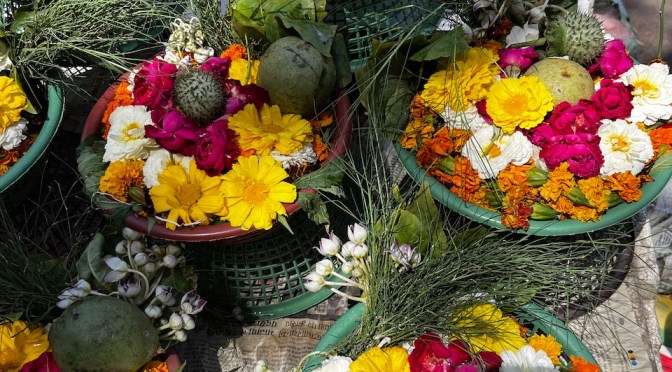
Gurdwara Rori Sahib, Eminabad

Gurdwara Rori Sahib is two km from Eminabad and about 55 km north of Lahore. It is located not too far from Gujranwala and the Grand Trunk Road. The Gurdwara marks an important site, where Guru Nanak after the destruction of the town had stayed with Bhai Lalo. The plaque at the gurdwara reads, ‘This is the holy place where Guru Nanak Dev ji came in his first pilgrimage. Guru Nanak dev I came here at Bhai Laalo ji’s home (Eminabad). It was a beautiful and silent place away from city, this’s why Guru Nanak ji sat down here and was prayed the almighty god regularly.’

The gurdwara was originally constructed on a large estate of nine marabbas. This has gradually been reduced down now. The land was originally endowed to the gurdwara during Maharaja Ranjit’s period and the gurdwara’s architecture is also from this period. The location and size of the gurdwara attracted large crowds of Sikhs, particularly during the Vaisakhi festival in April. There used to be a week-long fair during this period and attracted people from all the surrounding areas. The estate left today is a reminder of the old grandeur that would have existed when there was a sizeable Sikh population prior to 1947.

The entrance to Rori Sahib is grand, imposing and awe-inspiring, with the beautiful exposed red brick. The dome work and the columns are all in cut brick work. Accompanying the gurdwara is a large sarovar, which when I revisited the gurdwara ten years later, the water had evaporated.

Below are some of the pictures from when I first visited the gurdwara in 2006 and then most recently in October 2016.

Rori Sahib pictures from 2006.


Rori Sahib revisited in 2016.