Tag Archives: religion

Notes from Portugal: Lagos to Goa (Part 1)

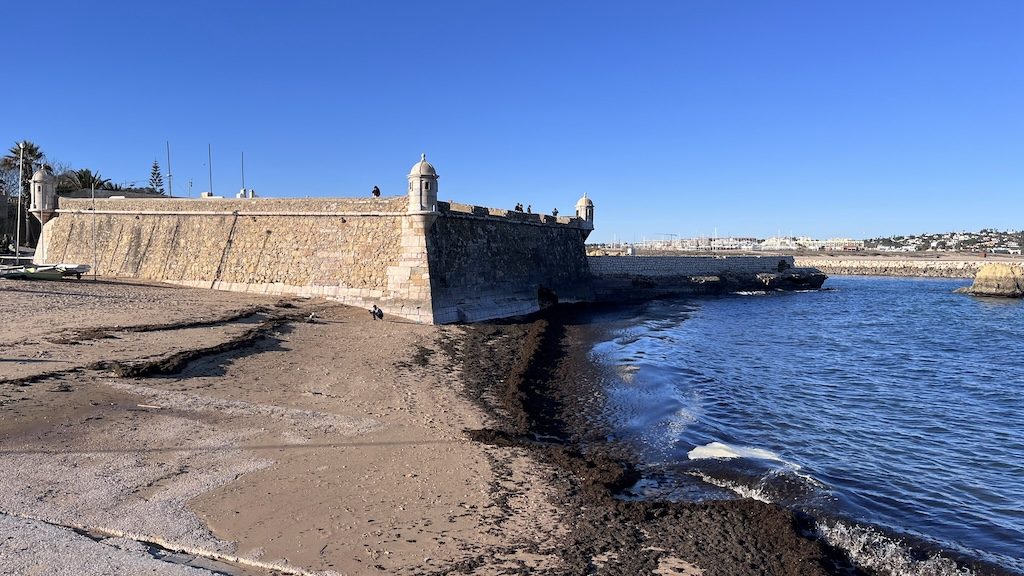
Forte da Ponta da Bandeira (C) Pippa Virdee 2024

It was the winter solstice recently, the shortest day of the year. I find these short winter days difficult, with tiredness and an inability to function beyond sunset. To escape the grey, dull, and wet winters that dominates England now, like many others there, I too like to escape to more sunny pastures.

As I hadn’t been to the Algarve previously, I found the most exquisite guest house, decorated in a North African Arabic style. For many centuries, this “region was ruled by Arabic-speaking Muslims known as Moors. In the 8th c., Muslims sailed from North Africa and took control of what is now Portugal and Spain. Known in Arabic as Al-Andalus, the region joined the expanding Umayyad Empire and prospered under Muslim rule.

 “In 1249, King Afonso III of Portugal captured Faro, the last Muslim stronghold in Algarve. Most Muslims there were killed, fled to territory controlled by Muslims, or converted to Christianity, but a small minority were allowed to stay in segregated neighbourhoods.” In 1496, King Manuel I expelled all Jews and Muslims, turning the kingdom exclusively Christian.

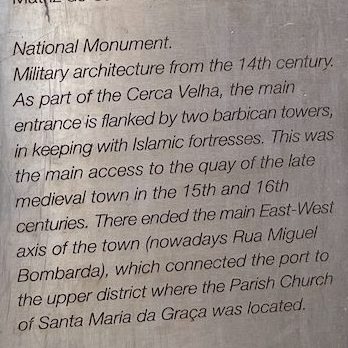
Sao Goncalo Door (C) Pippa Virdee 2024

Lagos: From Capital to Catastrophe

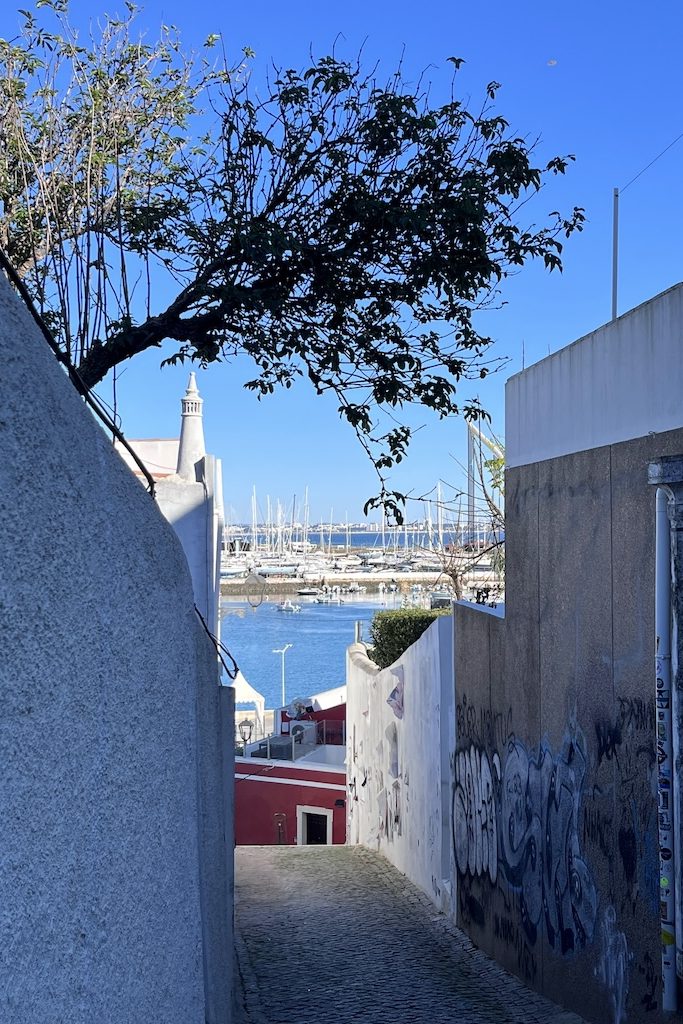
View towards the harbour
(C) Pippa Virdee 2024

Between 1576 and 1755, Lagos served as the capital of the Algarve region, a time when it stood as a bustling Portuguese city. Unfortunately, the devastating earthquake of 1755, followed by a tsunami, brought widespread destruction, reshaping the city’s character. Today, only fragments of the 16th c. walls and structures remain, such as the Governor’s Castle (Castelo dos Governadores), offering a glimpse into its illustrious past. Much of the Lagos we see today, with its charming streets and architecture, dates from the 17th c. and later, reflecting its rebirth after the calamity.

The Age of Discovery: Lagos’ Golden Era

D. Henrique looking towards the Atlantic (C) Pippa Virdee 2024

The history of Lagos is intertwined with one of Portugal’s most celebrated periods, the so-called “Age of Discovery”. During the 15th c., under the direction of Infante Henry the Navigator—the third son of King John I—Lagos became the hub of Portuguese exploration. From this strategic coastal city, expeditions were launched to Morocco and the western coast of Africa, setting the stage for a new era of global trade and navigation. The harbour bustled with activity, as shipbuilders crafted caravels—sleek, fast ships ideal for exploration—and sailors prepared to navigate uncharted waters.

Lagos and the European Slave Trade

While the Age of Discovery brought economic prosperity and technological advancements, it also marked a darker chapter in history. Lagos became a central hub for the European slave trade. In 1444, the first African slaves arrived in Lagos, sparking a grim trade that would expand throughout Europe and beyond. The Mercado de Escravos (Slave Market), now a museum, stands as a sobering reminder of this era, preserving the memory of those who suffered under the system of slavery. Beyond the slave trade, Lagos thrived as a centre for goods such as spices, textiles, and gold, turning it into a key player in Europe’s burgeoning global economy. The city’s rich maritime heritage is still celebrated today. Monuments, such as the striking statue of Infante Henry, honour Lagos’ historical significance, while museums delve into its role in the expansion of Portugal’s empire.

Vasco da Gama and the Portuguese Monopoly on the Indian Ocean

The voyages of Vasco da Gama marked a defining moment in global exploration and trade. His expeditions (1497–99, 1502–03, and 1524) were the first to successfully connect Europe with Asia via the Cape of Good Hope. This cemented Portugal’s dominance in maritime exploration and also laid the foundation for a century-long monopoly in the Indian Ocean.

In 1497, Vasco da Gama set sail from Lisbon with a fleet of four ships through the Atlantic Ocean to reach the Indian subcontinent in 1498. His arrival in Calicut (Kozhikode) marked the beginning of direct European trade with Asia, giving Portugal access to highly sought-after goods like spices, textiles, and precious stones. This sea route transformed global trade, while boosting Portugal’s economy and influence.

The success of Vasco da Gama’s voyages encouraged further Portuguese expansion into Asia, with trading posts and colonies established along the coasts of Africa, the Middle East, and India. By 1500, Portugal had become a maritime powerhouse, dominating European trade in the Indian Ocean and establishing itself as a global empire.
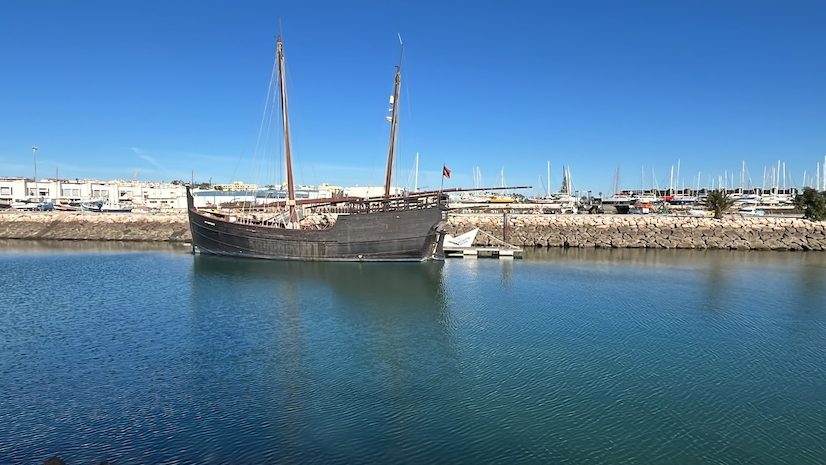
Réplica da Caravela Boa Esperanca (C) Pippa Virdee 2024

The Strategic Importance of Goa

While Portuguese explorers visited various parts of India, it was Goa that became the jewel in their colonial crown. Acquired in 1510 by Afonso de Albuquerque, Goa offered a strategically defensible location and excellent harbour facilities on both sides of the island. Its position on the west coast of India allowed the Portuguese to control maritime trade routes and establish a stronghold for further expansion into Asia. Goa quickly grew into a bustling hub of commerce, blending Portuguese and Indian cultures.

The Portuguese monopoly in the Indian Ocean lasted until the late-16th c., when other European powers like the Dutch and the English began challenging their dominance. However, the impact of Vasco da Gama’s voyages and the establishment of Portuguese colonies in Asia cannot be understated. These ventures not only reshaped global trade but also led to a lasting exchange of cultures, technologies, and ideas.

Afonso de Albuquerque’s Vision for Goa

When Afonso de Albuquerque captured Goa, he envisioned it not as a mere fortified trading station, but as a full-fledged colony and naval base. Unlike the temporary establishments the Portuguese had built along other Indian coastal cities, Goa was meant to be permanent. Albuquerque encouraged his men to integrate with the local population, fostering intermarriage with local women and encouraging settlement. This strategy was instrumental in creating a privileged Eurasian class, whose descendants formed the backbone of Goa’s colonial society.

Goa quickly grew into a flourishing hybrid settlement, a hub for trade, agriculture, and artisanship, with the influence of the Roman Catholic Church introducing a new dimension to the region. Old Goa, often called the “Rome of the East,” was adorned with magnificent churches, including the Basilica of Bom Jesus and Se Cathedral, reflecting the grandeur of Portuguese architecture.

The Decline of Portuguese Rule

By the mid-20th c., the Portuguese control over India was becoming increasingly untenable. While British rule ended in 1947 and French territories were gradually integrated into India by 1954, Portugal resisted relinquishing its hold. Tensions escalated as Indian nationalists campaigned for the incorporation of Goa and other territories. In 1961, the situation came to a head.

Dadra and Nagar Haveli had already been absorbed into India by August of that year, and on December 19, Indian forces launched “Operation Vijay,” a military invasion of Goa. The operation swiftly ended Portuguese rule, and Goa, along with Damão and Diu, was incorporated into the Republic of India. The fall of Goa marked the end of nearly 450 years of Portuguese presence in India.

Watch this video by BBC News India with accounts of those who fought for independence from Portugal. 

A Lasting Legacy

Despite the end of colonial rule, Portugal’s influence remains deeply ingrained in Goan culture. Four and a half centuries of intermarriage, religious conversion, and linguistic exchange created a distinct identity. Catholicism continues to be a major religion in Goa, and the Konkani language still carries traces of Portuguese vocabulary. The architecture of Old Goa, with its grand churches and baroque facades, stands as a testament to this shared history.

The cultural legacy of Portuguese rule can also be seen in Goan cuisine, music, and festivals, which blend Indian and European traditions in a way that is uniquely Goan. From the spicy vindaloo curry to the lively strains of fado music, the echoes of Portugal are impossible to miss. Ironically both Lagos and Goa are today known more as tourist destinations with their bustling beaches and vibrant nightlife; their connected past remains in fragments, scattered and visible to those who seek.

To follow…Notes from Lagos (Portugal): from Punjab to Lagos (Part 2)

Remembering Partition in the Punjab – podcast

Earlier in the summer I recorded a podcast with Realms of Memory. There are two episodes for those interested in understanding more about the history of Partition, especially how it impacted the Punjab. The talk was based on my book, ‘From the Ashes of 1947: Reimagining Partition’ published by Cambridge University Press (2018). In the podcast I also discuss some of the recent changes that have taken place in the study in Partition.

You can listen to the podcast via most streaming sites, or via Realms of Memory

Remembering Partition in the Punjab: Part 1

Remembering Partition in the Punjab: Part 2

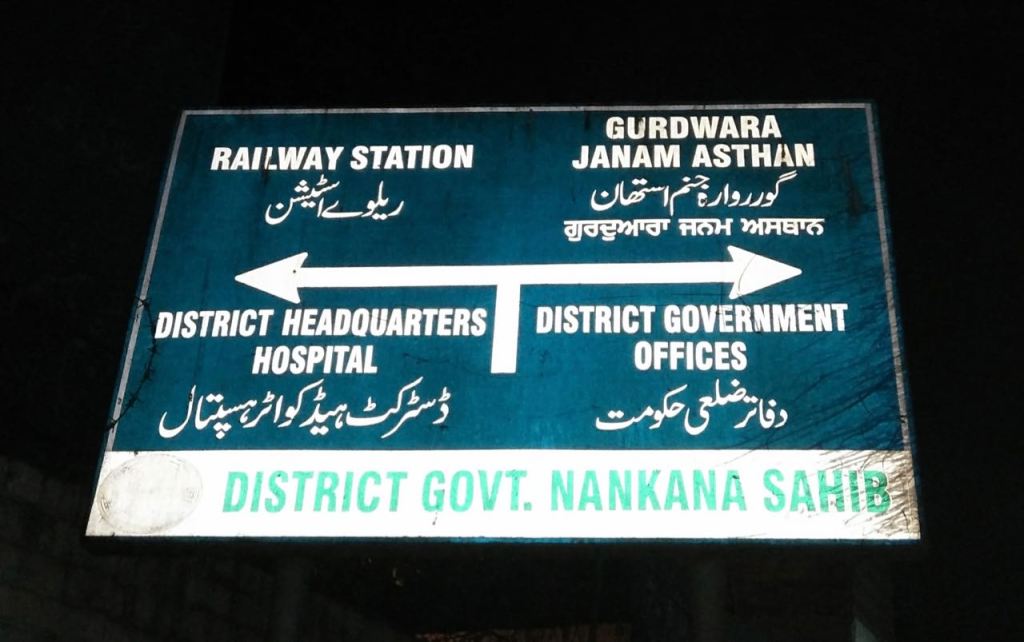
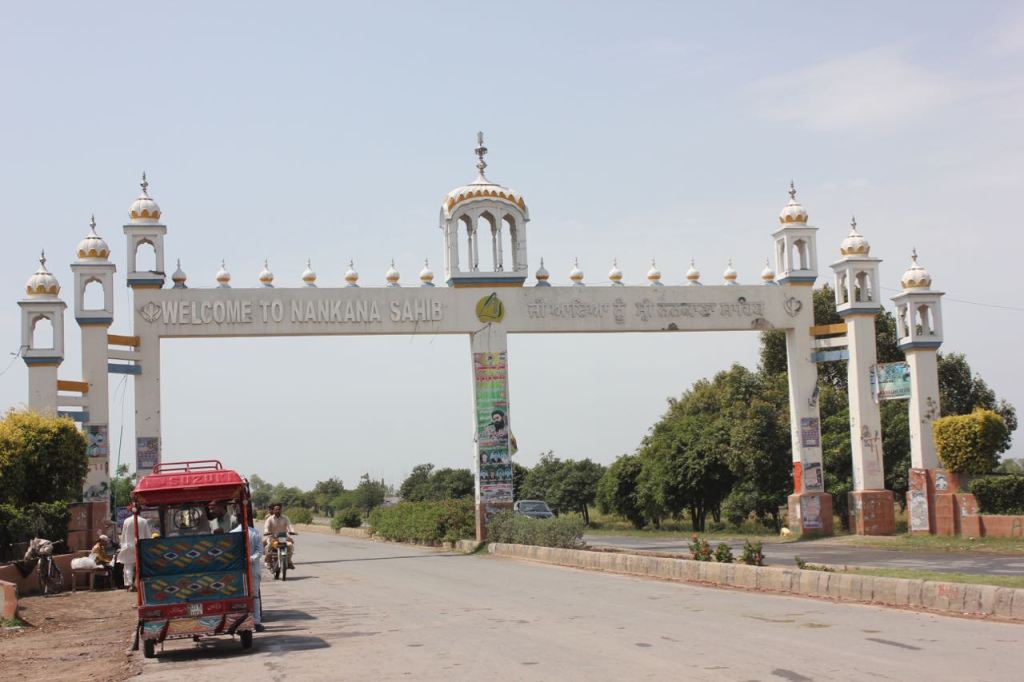
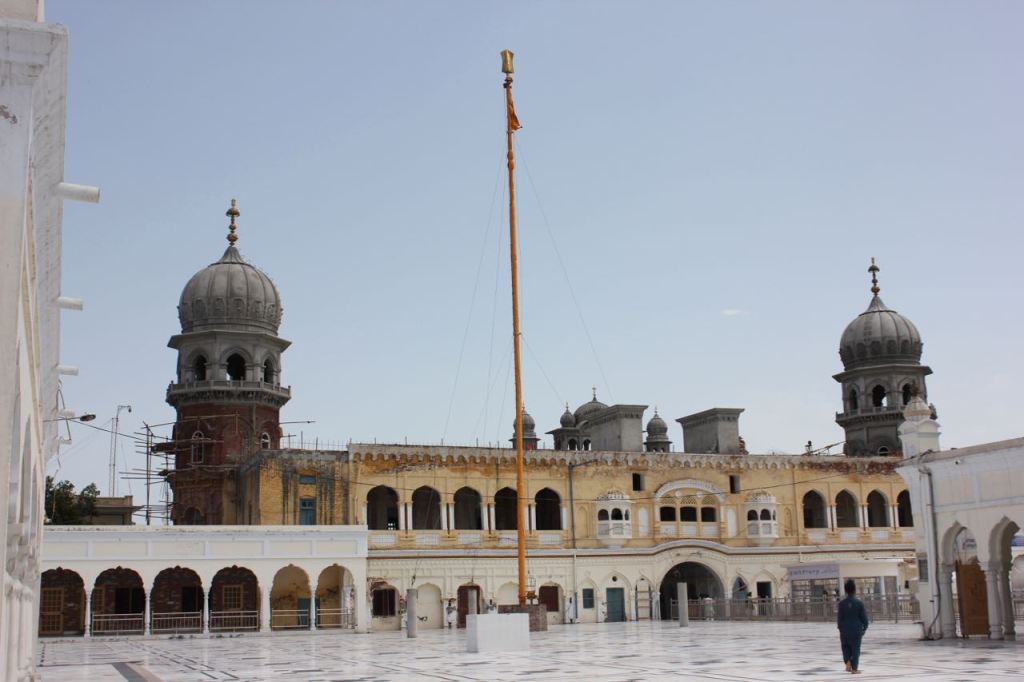
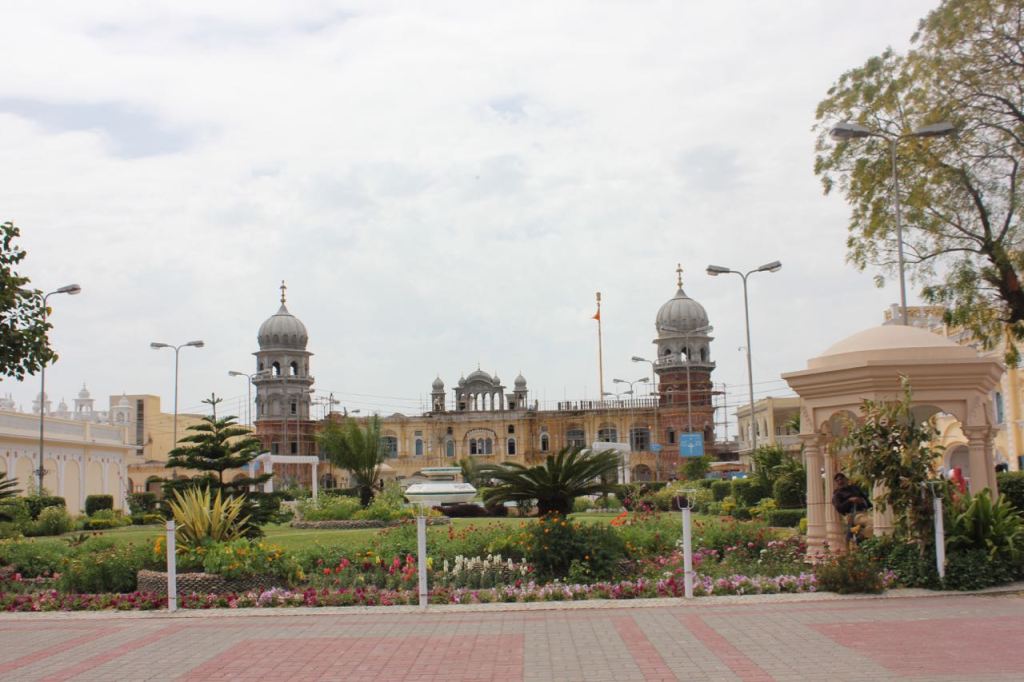
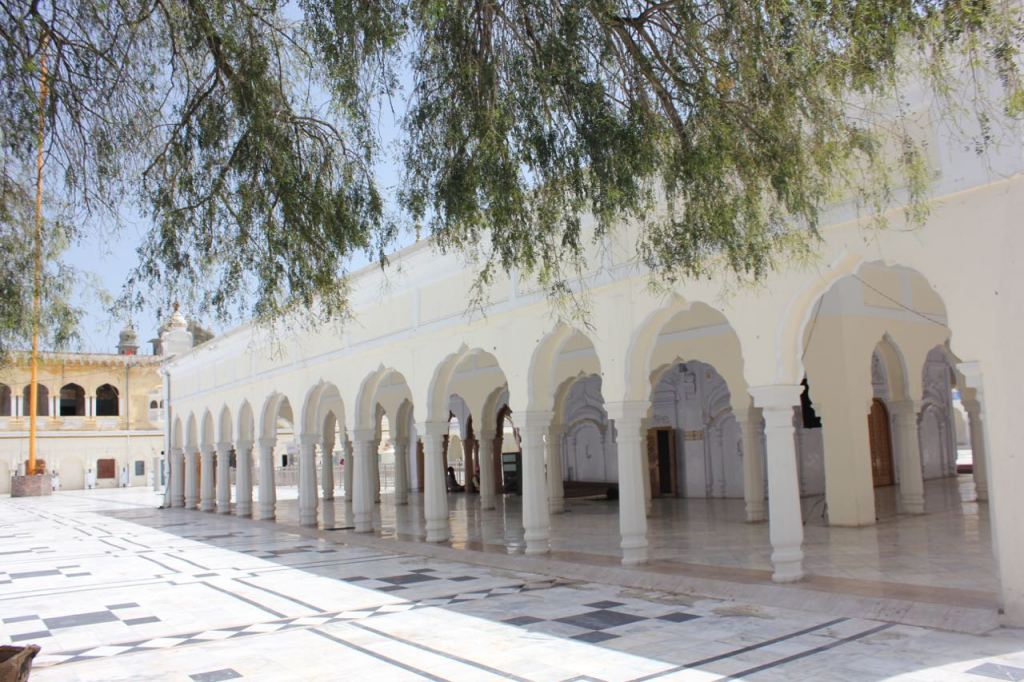
Welcome to Nankana Sahib

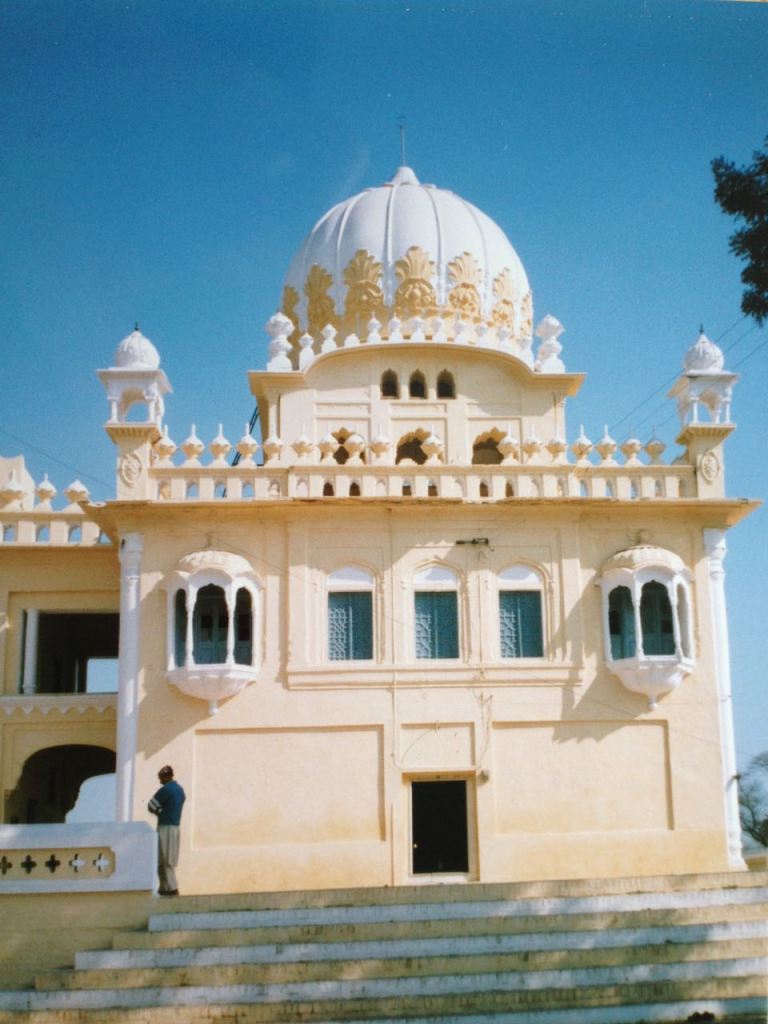
Nankana Sahib is the Birthplace of Guru Nanak. This town was originally known as Talwandi of Rai (Rai Bhoi di Talwandi) and today it forms the core of the small Sikh community in Pakistan. Every year on Guru Nanak’s birthday (Gurpurab), Sikhs (and others) gather around Nankana Sahib to remember the founder of the Sikh faith. Over the years the Gurdwara complex has grown considerable. I first went there in 2003 when it was a small gurdwara with a largely Pathan Sikh community of about 50 families who lived there. The last time I went there was on Gurpurab in 2016, and the small town was transformed into a mela of 20-30,000 people from around Pakistan, including the Nanak Panthis (mostly from Sindh) and Sikhs from around the globe (including India). The area now has district status and attracts the Sikh diaspora, who come here in huge numbers on pilgrim visas. The growth in the pilgrims and tourism is one of the main reasons for the growing investment in places like this and hence the transformation of this area.

I leave you with the voice of Nusrat Fateh Ali Khan – born in Lyallpur (Pakistan) with ancestral roots in Jalandhar (India) – who is performing/reciting Koi Bole Ram Ram Koi Khuda (Some call the Lord ‘Ram, Ram’, and some ‘Khuda’) at the Ramgarhia Sabha Gurdwara (Slough, UK) for the Sikh Diaspora in 1989 – many of whom appear to be from East Africa. But the words of the Guru and music know no borders.  

Ustad Nusrat Fateh Ali Khan Live in Slough Gurdawara, 1989 by Oriental Star Agency

If you are interested more in the shabad, the translation and the meaning, please click here.

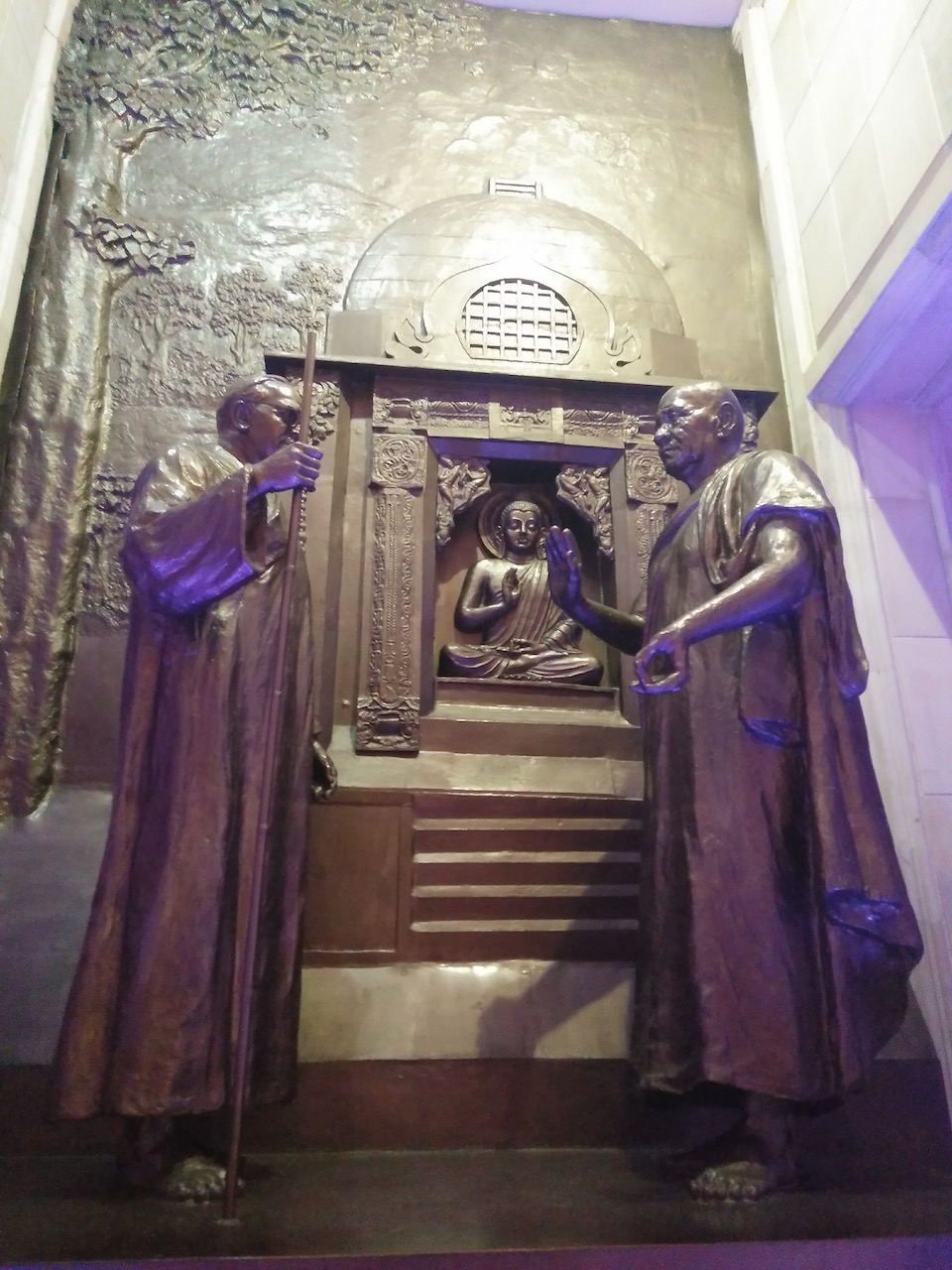
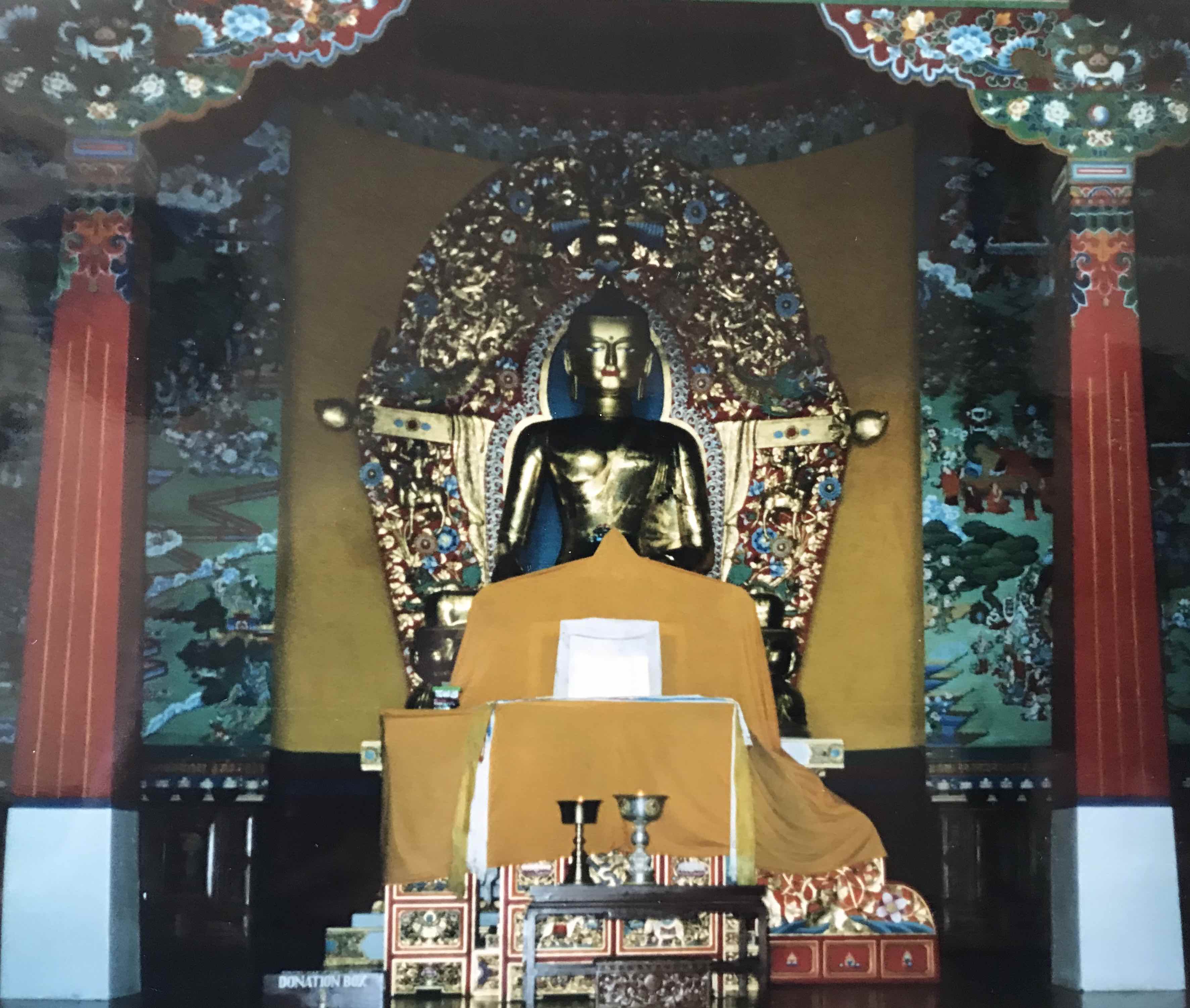
Looking for Buddha…

1881: the first full census in British India

As we completed the Census 2021 in the UK today, it made me think back to the first Census that was undertaken in British India in 1881. Actually, the first full census was supposed to take place in 1861 but due to the rebellion of 1857-9 and “due to the sensitivity which the British had developed to what, at least in North India, might be constructed as undue interference in the life of the people, the census was postponed until 1871-2” (Cohn, 324). In 1987, Bernard Cohn was perhaps one of the first to put forward the argument that the colonial census played an important role in constructing identities, thinking about their own numerical strength and the possibilities that this presented in a competitive imperial state.

“The actual taking of the census was a two-step affair. Enumerators were appointed by circle supervisors, who were usually government officials. Supervisors were patwaris, zamindars, schoolteachers, or anyone who was literate. They were given a form with columns on which was to be entered information about every member of a household. The information to be collected was name, religion (e.g., Hindu, Muslim), sect, caste, subdivision of caste, sex, age, marital status, language, birthplace, means of subsistence, education, language in which literate, and infirmities. There was a one-month period before the actual date of the census in which the enumerator was to fill in the forms, and then on the day of the census he was to check the information with the head of the household. As an aid to achieving standardization in the recording of information on caste and subcaste, lists were prepared as early as the 1881 census which gave standard names with variations for the castes. The supervisors were supposed to instruct the enumerators in how to classify responses. The lists of castes were alphabetically arranged giving information on where they were to be found and containing very brief notes” (Cohn, 329).

Cohn notes that the most “complex” and problematic question for the census takers was on the issue of caste. He references the work of Srinivas and Ghurye who raised important questions about the relationship between the census and caste, putting forward the question, why did the British officials record the caste of individuals? Was it perhaps curiosity or part of a design by the British? That is, as some nationalist Indians believed, “to keep alive, if not to exacerbate, the numerous divisions already present in Indian society” (Cohn, 327). The second question is to what extent did the census effect people’s notion of who they were? There arguments and connection have subsequently been advanced by many others about the importance of the census in creating and essentialising identities at a time when communalism was taking root. This period of enormous socio-economic change, and politicisation of identities is further entrenched with the enumeration of people and which religion they belong to. Kenneth Jones, in his work on the socio-religious reform movements in British India, highlights that fact that

“Traditionally, Hinduism lacked a conversion ritual. After the introduction of a decennial census in 1871, religious leaders began to focus their attention on the issue of numerical strength. For Hindus the census reports pictured their community as one in decline, its numbers falling in proportion to those of other religions. Christian success in converting the lower and untouchable castes furthered Hindu fears and led the militant Aryas to develop their own ritual of conversion, shuddhi. Initially shuddhi was employed to purify and readmit Hindus who had converted to Islam or Christianity” (Jones, 100).

Indeed, Gopal Krishan, in his study on the demography of the Punjab, highlights that

“The most fascinating demographic feature of the colonial Punjab was the religious composition of its population. While it represented an evolution of a cultural diversity in history, it became a new and divisive force in polity over time. It was on the basis of religion that the British India was partitioned; and more pertinently the partition was specific to only two provinces, Punjab and Bengal. These two provinces were marked by not only a sensitive composition of the Muslims and non-Muslims (essentially Hindus and Sikhs in the case of Punjab) but also by regional segregation of the two religious’ groups, by and large. In Bengal, the Muslims were in overwhelming majority in the eastern segment and the non-Muslims in its western counterpart; in Punjab, the picture was in reverse, with the Muslims in a large majority in the western wing and the non-Muslims in the eastern” (Krishna, 83).

When it finally came to the Partition in 1947, Sir Cyril Radcliffe was using what are considered to be out-dated figures from the Census conducted during World War Two in 1941. However, the lines between two countries were drawn based on this information.

Bhagat Ram B. ‘Census enumeration, religious identity and communal polarization in India.’ Asian Ethnicity, 2013, 14:4, 434-448, DOI: 10.1080/14631369.2012.710079

Bhagat, Ram B. ‘Census and the Construction of Communalism in India.’ Economic and Political Weekly (2001): 4352-4356.

Bhagat, Ram B. ‘Caste Census: Looking Back, Looking Forward.’ Economic and Political Weekly 42, no. 21 (2007): 1902-905. Accessed March 21, 2021. http://www.jstor.org/stable/4419628.

Cohn, Bernard. ‘The Census, Social Structure and Objectification in South Asia’, in Sarkar, Sumit, and Tanika Sarkar. Caste in Modern India (Orient Blackswan, 2018).

Jones, Kenneth W. Socio-religious reform movements in British India. Vol. 1. Cambridge University Press, 1989.

Krishan, Gopal. ‘Demography of the Punjab (1849-1947).’ Journal of Punjab Studies, 11, no. 1 (2004): 77-89

Singh, Joginder. ‘The Sikhs in the British Census Reports, Punjab.’ Proceedings of the Indian History Congress 46 (1985): 502-06. Accessed March 21, 2021. http://www.jstor.org/stable/44141395.

Yengde, Suraj. ‘Adivasis are not Hindus. Lazy colonial census gave them the label.’ The Print, 9 March 2021.

The 1881 Census is digitized and available via: The Government of India or Digital South Asia Library.

History and History Writing

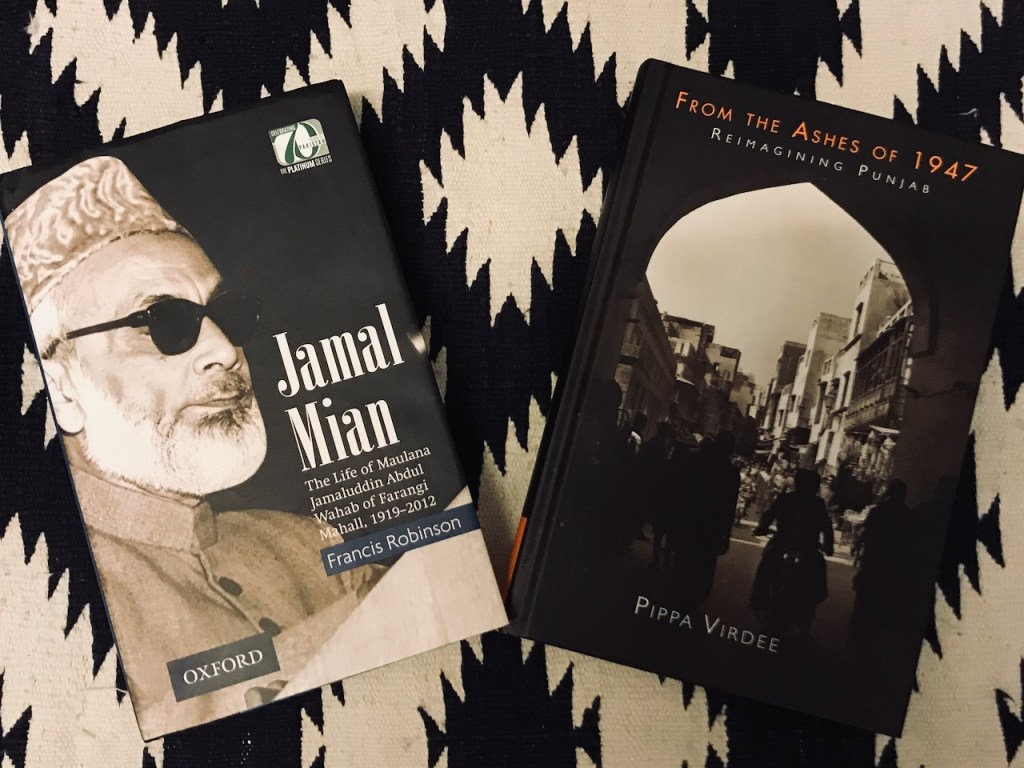
TWO books reviewed of A time BYGONE

The two books are placed on a traditional handmade dhurrie/dari by my mother.

ONE is the biography of Jamal Mian (1919-2012), a life across British India, independent India, East Pakistan and Pakistan. The kind of life, which would be unimaginable to most people of the subcontinent today. At the core, this is a detailed history of the changing political landscape of North India told through the life and times of an extraordinary life. The story unfolds with authority and simplicity, the kind of old-fashioned narrative history writing that barely exists. Stories and history writing are barely written like like because they do not command the short-term impact and they take years, generations to unfold through the relationship of the historian and his subject. But importantly it brings together the life and times of an individual and his milieu – showcasing the kind of “Hindustan” that no longer exists, other than in history books.

Pippa Virdee, FRANCIS ROBINSON. Jamal Mian: The Life of Maulana Jamaluddin Abdul Wahab of Farangi Mahall, 1919–2012, The English Historical Review, ceaa186, https://doi.org/10.1093/ehr/ceaa186

TWO is an account of the province(s) of Punjab; rising From the Ashes of 1947 but simultaneously being reimagined. This too is about a political landscape that has been transformed and only exists in the history books, kinder memories and sepia imaginations of some of its people. It is about the shorter, shocking and longer, hardening consequences of dividing the land of five rivers. It too has been written over a long period and reveals the changing nature of my understanding of Partition, from the beginning of my doctoral work in 2000, to the point of this publication in 2017. It has changed further still because history is about engaging with the past through the unfolding present and “reveals how far nostalgia combined with the lingering aftershocks of trauma and displacement have shaped memories and identities in the decades since 1947.”

Sarah Ansari, PIPPA VIRDEE. From the Ashes of 1947: Reimagining Punjab, The American Historical Review, Volume 125, Issue 2, April 2020, Pages 635–636, https://doi.org/10.1093/ahr/rhz695

The Spectre of Partition

IMG_20170811_162942
Wagha-Attari Border. © 2017 Pippa Virdee

Sharing a screen grab from the last page of my book From the Ashes of 1947Balraj Sahni captured the human tragedy of Partition in this poem, the spectre of which still continues to haunt us everyday. We seem to be unable to be human first.

Screenshot 2020-02-26 at 10.31.46

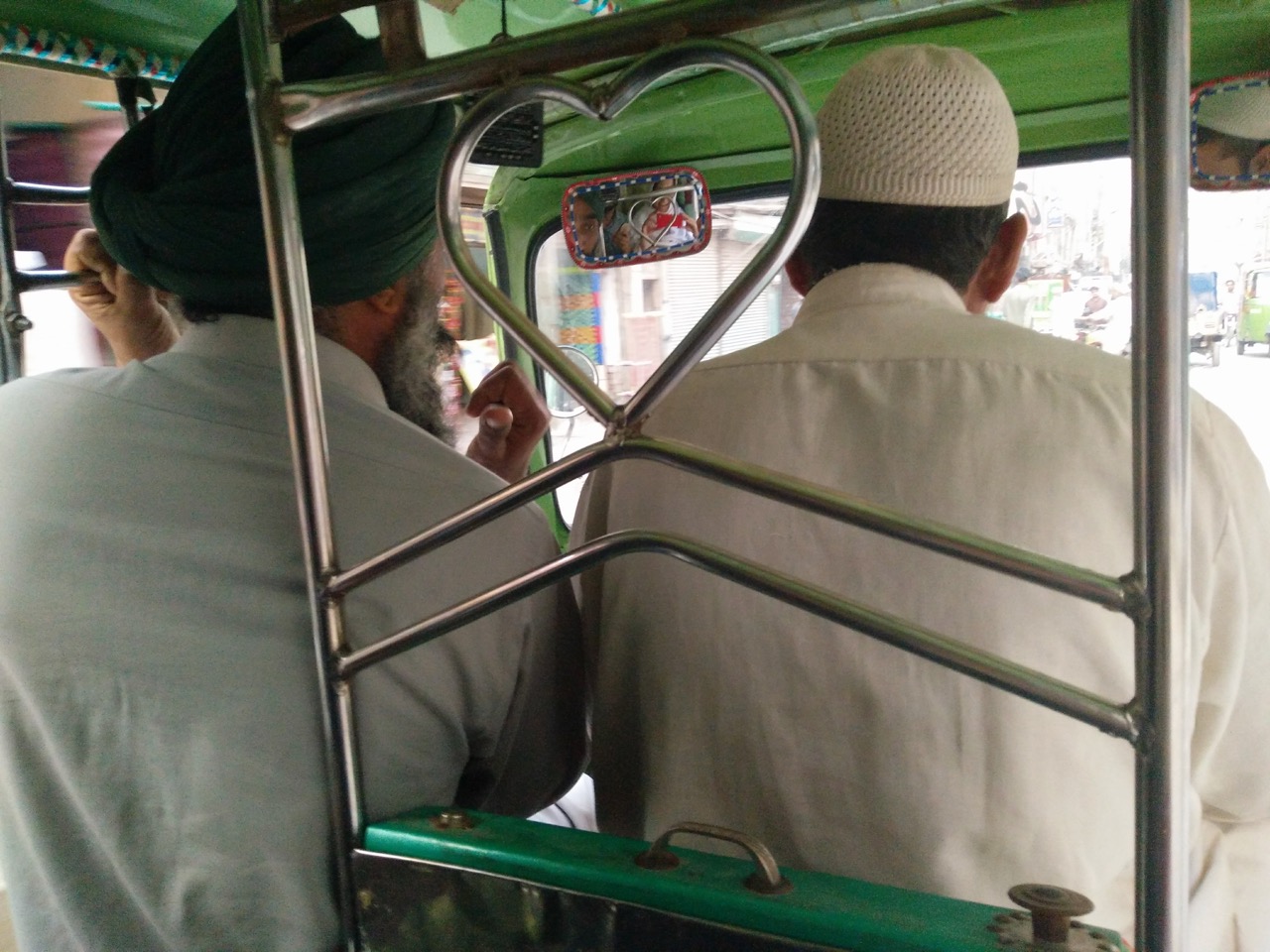
Shoulder to Shoulder

Peshawar 2017
© 2017 Pippa Virdee

This picture was taken by me during one of the most memorable tuk tuk rides in Peshawar in 2017, when I was exploring the city and trying to find a gurdwara in the narrows lanes of the congested city. Along came this sardar ji who jumped on the tuk tuk and navigated us to Gurdwara Bhai Joga Singh. As the sounds and sights gather momentum around the opening of the Kartarpur corridor, I share this moment that speaks silently for the hopes of many.