I came across this fascinating article on ‘The Origin and Growth of Pakistan Railways’ by M. B. K. Malik in Pakistan Quarterly, 1962, Vol 11, No. 1. It provides a brief history of building the railways in British India, especially the motivations and impact this had on the two outer regions of Bengal and Punjab. What captured my interest was actually the objections put forward in the initial days. The first one is from the British perspective, but the second one is from a high-caste Hindu, who obviously envisages multiple problems for those guided by astrologers. Both however, express suspicion and concern at this new system of transport and the wider impact it will have on society and the environment. Of course the railways went on to be built in both Britain and British India, and became pivotal to colonial rule. The economy of empire, with key towns and port cities, coupled with the ability to swiftly move the colonial army from cantonment towns was only made possible because of the railways in British India. But that’s another story. Read below the extract from pages 22-23.
Pakistan Quarterly, 1962, 11, 1, Page 23
The earliest proposals to build railways in India had been made to the East India Company in England in 1844 by Mr. R. M. Stephenson and others. But the time was not propitious. The land had not yet recovered from the effects of the Sind Wars, and the British power and the Sikhs in the Punjab were on the verge of an armed conflict. Nor were the Court of Directors of the East India Company convinced of the feasibility of railways in India. Even in England and Europe railways had met with opposition. In 1835 John Bull had denounced the railways as a menace:
“If they succeed” wrote the paper, “they will give an unnatural impetus to society, destroy all the relations which exist between man and man, over-throw all mercantile regulations, over-turn the metropolitan markets, drain the provinces of all their resources, and create at the peril of life, all sorts of confusion and distress. If they fail, nothing will be left but the hideous memorials of public folly”. It further remarked : “Does anybody mean to say that decent people …. would consent to be hurried along through the air upon a railroad, from which, had a lazy schoolboy left a marble, or wicked one a stone, they would be pitched off their perilous track into the valley beneath; …. being at the mercy of a tin pipe copper boiler, or the accidental dropping of a pebble on the line of way?…. We denounce the mania as destructive of the country in a thousand particulars …. the whole face of the kingdom is to be tattooed with these or a odious deformities …. huge mounds are to intersect our beautiful valleys; the noise and stench of locomotive steam-engines are to disturb the quietude of the peasant, the farmer and the gentleman; and the roaring of the bullocks, the bleating of sheep and the grunting of pigs to keep up one continual uproar through the night along the lines of these most dangerous and disfiguring abominations”.
Objections by Hindus The orthodox Indians had religious objections. A civilian District Officer, posted in the province of Bihar during the sixties of the last century, has recorded an interesting story showing how orthodox Hindus regarded railway travelling in those days. The officer questioned a nobleman, who had just returned from his first journey by rail, about his views on railway travel. The nobleman replied that it made great noise and that it would be difficult for persons of his high caste to travel at all by such means:
The trains only go at stated times; now I cannot commence a journey except at the minute decided upon by my astrologer as a favourable moment for starting. This makes it very difficult for me to travel at all. Tomorrow I have to go to Muzafferpur, and the astrologer has decided that I must start at 1 A.M. Now my cousin Gadahur went by railway the other day with his wife, and daughter of six years old, and a baby. He started at an unfavourable moment. His wife and two children and a maid-servant were put in a palanquin, which was placed on a truck, which prevented their being seen; and he went in an ordinary carriage. Somehow or other a spark from the engine flew into the palanquin and set fire to some of the linen in which the baby was wrapped; and the servant in her confusion, thinking it was only a bundle of clothes, threw it out. The moment it was done she found out the mistake and they all shrieked. This was only a mile from the Patna station and the train soon stopped. The station master was very kind and did his best, but the palanquin was on fire, and the wife in getting out was seen by many persons. It is not a fit subject even for conversation”.
But all the objections came to naught. England was just entering the age of ‘railway mania’ and it was decided to construct railways in India through Guaranteed British Companies.
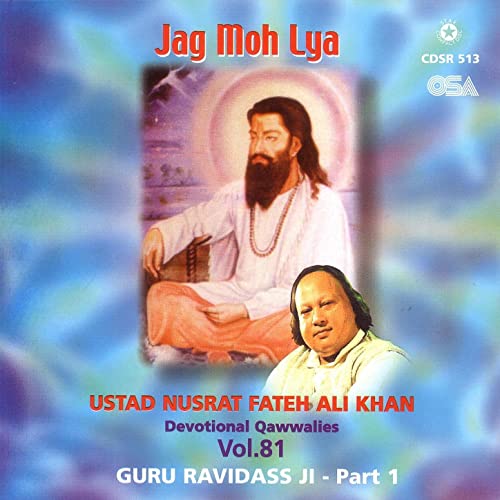
Guru Ravidas was a mystic poet-sant and belonged to the reformist Bhakti movement. Thought to have been born circ. 1450 CE and a contemporary of Guru Nanak (founder of the Sikh faith); some scholars think the two even met. He is revered as a Guru/Bhagat/Sant and is well-known and respected as a social reformer who was keen to see the erasure of caste and gender inequalities. He was born a Chamar (untouchable/dalit) and his fight against social oppression has elevated him as an icon for the Dalit community in contemporary society. His devotional versus are also included in the Guru Granth Sahib but his influence is wide-ranging, spanning across much of northern and central India.
I tired hard to find an English translation of ‘Guru Ravidas’ by Nusrat Fateh Ali Khan but so far I haven’t been successful. It was recorded under the Oriental Star Agency label, circ. 1992 If anyone knows of a translation, please do share it because I think the lyrics, sentiments are just heart rendering. They deserve a much wider audience. While I can follow most of the qawwali myself, I am not able to translate it and do justice to the lyrics. Two lines near the end provide a good sense of the what is being conveyed. The translation is difficult because the word “prayer” does not capture the sentiment sufficiently, because Pooja is performed by Hindus, paath is associated with Sikhs and the azaan with Muslims. There is no direct translation.
na pooja paath azaanan vich (the Lord does not reside in the prayer [of Hindus, Sikhs, Muslim]) rabb wasda e insaanan vich (the Lord resides in humanity)
It is sentiments like these that make Nusrat completely transnational and appealing to people across all faiths.
ravidaas bhagwaan da roop laike aaya jag de dukh niwaarne nu gote khaandi sansaar di aap bedi bhawsaagar ton paar utaarne nu unch neech da fark mitaun khaatir ravidas insaaf da pakad daaman kasam rabb di rabb da roop laike aaya satgur sach satkaarne nu
ravidas guru ravidas guru ravidas guru ravidas guru
dukhiyan di sunne ardaas guru kar sab di poori ardaas guru ravidas guru ravidas guru
kite raajeyan anni paayi si har paase machi duhayi si kite kambdi payi khudayi si kite jaan laban te aayi si insaan si dushman insaan da har dil vich peerh sawaayi si panditan di puththiyan reetan ne sagon hor chavati naayi si oh daur si zaalim kehran da mee wareya pyasi zehran da amrit baani naal jadon si sab di bujhaayi pyas guru ravidas guru ravidas guru
eh raaja ki te parja ki hath bandi wala darja ki eh mandir ki te masjid ki eh puja ki te sharda ki bhala es khuda di dharti te bandeyan da jhutha kabja ki sabb os khuda de bande ne eh wadda ki te chchota ki eh dharm karam da jhagda ki eh deen dharam da jhagda ki hai raazik sabhda oh khaalik nukta samjhaaya khaas guru ravidas guru ravidas guru
us daur di ajab kahaani si har paase daur shaitaani si haq sach te kalme di kidre na kadar kise ne jaani si sab kojiyan bharman di ravidas ne ramz pachchani si harbhajan dillan vich dard bade koi meera sur di rani si oh rahbar kaamal akmal si dil andar naal koi wal chchal si inj hoka de sacheyayi da sab kite kaaraj raas guru ravidas guru ravidas guru
gaya murshid kaamil ki aakhan os swarg bana ke duniya nu bedaar banake duniya nu gulzaar banake duniya nu paigaam sunake amlan da gaflat chon jaga ke duniya nu ujdi hoyi sunji dharti te khud aap wasa ke duniya nu na pooja paath azaanan vich rabb wasda e insaanan vich chauhaan khuda nu yaad karo oh har dam wasda paas guru ravidas guru ravidas guru
For the seventh issue of Chapati Mystery Roundtable (CMRT), we are delighted to host a conversation on Pippa Virdee’s From the Ashes of 1947: Reimagining Punjab. The CMRT is a series that presents multiple, in-depth reviews of an exciting new book. We thank each of our distinguished panelists for engaging in this public dialogue. We especially thank Abraham Akhter Murad for convening and introducing this Round Table.
Punjabi Khoj Garh is a centre of research, publication and advocacy on the history, culture, literature, music, and art of the Punjab. It was established on 10 March 2001 and Iqbal Qaiser, an independent scholar, has tirelessly built up this institute over the past 20 years. It is maintained by the Punjabi Khoj Garh Trust and individuals who work voluntarily to maintain and upkeep the Centre. They welcome all sorts of researchers with facilities and materials for their work on Punjab.
For further details contact: Iqbal Qaiser, Punjabi Khoj Garh, Lalliyani (Musfafar Abad), District Kasur, Pakistan. Follow them on Facebook.
The Last Sikhs of Nankana Sahib, October 1947 via @@learnpunjabi
In the days leading up to the Partition of British India, there was a lot of anxiety as to how the drawing of the Radcliffe Line would impact on the ground. This was much more pronounced amongst the Sikh community, whose spiritual homeland would now be divided to make the Partition Plan and its two state solution possible.
Below are two newspaper clips from Select newspaper coverage of the Partition of India (1947), which has been compiled from The Hindu, The Hindustan Times and The Statesman, by Dr. Kirpal Singh, Khalsa College, Amritsar.
AKALI LEADERS CALL TO SIKHS.
NEW DELHI, August 2: Giani Kartar Singh, President, Shiromani Akali Dal in a statement today calls upon Sikhs to observe August 5 as “Nankana Sahib Day.”
He says: Though the ban at Nankana Sahib has been successfully defied and restrictions on holding of our conference withdrawn, the Sikhs have proved once again their determination not to surrender the sacred territory of Nankana Sahib at any cost to the “Pakistanists”.
I call upon all Sikhs to observe August 5 as “Nanakana Sahib Day” hold meetings and send telegrams to the Chairman of the Boundary Commission that unless 85% of our population and colony areas are kept in the East Punjab and due regard is paid to our holy shrines while demarcating its boundaries so as [to] bring in the largest number of these in “Hindustan” we shall not rest content.”
SIKH CAMPAIGN IN BRITAIN:
LONDON, Aug.2. Two hundred Indians, most of them Sikhs in colourful turbans attended a public meeting last night to hear to Sikh Delegates who have come to London to present a Sikh Demand in connection with the division of the Punjab.
Sardar Ganga Singh, Leader of the Delegation, said that he had come to London representing one of the most influential Sikh organisations in the Punjab the Shiromani Akali Dal, to present the demands of the Sikhs regarding the Punjab division.
The river Chenab should be the Boundary Line of the two Punjabs, he said, anything contrary to this would be against the interest of the Sikhs and he hoped that the British Chairman of the Boundary Commission would be fair and impartial. The Sikhs had made contributions during the last war for freedom and democracy and it would be the greatest tragedy if they were deprived of their legitimate demands in their own homeland. Besides, no power on earth can dominate this gallant community.
If the Sikhs were deprived of their legitimate demands, the Punjab would be the land of eternal troubles Mr. Ganga Singh continued.
Dr. Kumria, the Chairman of the meeting, said he was opposed to the division of India, but it seemed that under the circumstances, the leaders of the Indian National Congress were justified in accepting the Mountbatten plan.
“Since we accept the division of India we would like to see that there are fair division of the provinces of the Punjab and Bengal.”
The Chairman emphasised that this division was bound to be temporary and would vanish within a short time.” Reuter.
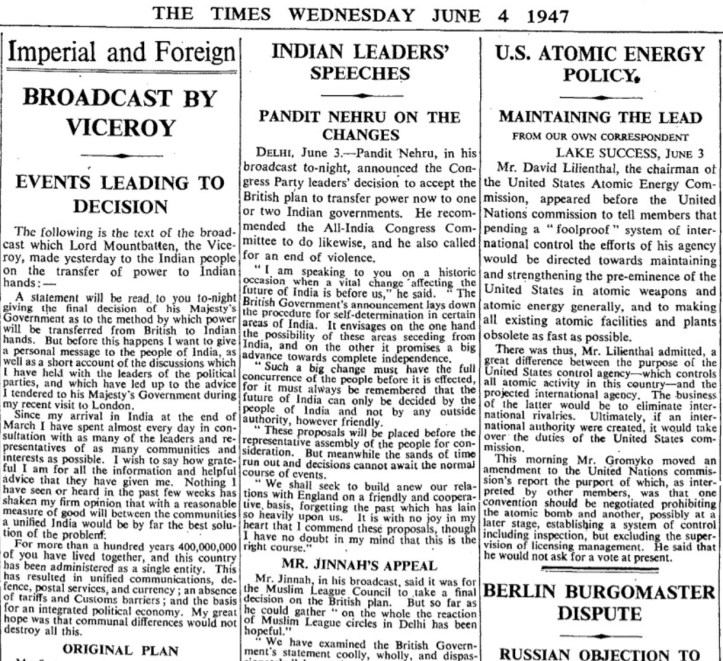
Below is the full transcript of the speech, which was delivered by Lord Mountbatten, the last Viceroy of India. It is followed by statements by Attlee, Nehru, Jinnah and Baldev Singh. The latter’s parting words make for interesting, wishful reading considering that it was the Sikh community that was impacted the most by this Partition Plan. This is also fully acknowledged by Mountbatten in his speech.
BROADCAST BY VICEROY EVENTS LEADING TO DECISION
The following is the text of the broadcast which Lord Mountbatten, the Viceroy, made yesterday to the Indian people on the transfer of power to Indian hands:-
A statement will be read to you tonight giving the final decision of his Majesty’s Government as to the method by which power will be transferred from British to Indian hands. But before this happens I want to give a personal message to the people of India, as well as a short account of the discussions which I have held with the leaders of the political parties, and which have led up to the advice I tendered to His Majesty’s Government during my recent visit to London.
Since my arrival in India at the end of March I have spent almost every day in consultation with as many of the leaders and representatives of as many communities and interests as possible. I wish to say how grateful I am for all the information and helpful advice that they have given me. Nothing I have seen or heard in the past few weeks has shaken my firm opinion that with a reasonable measure of good will between the communities a unified India would be far the best solution of the problem.
For more than a hundred years, 400,000,000 of you have lived together, and this country has been administered as a single entity. This has resulted in unified communications, defence, postal services and currency; an absence of tariffs and Customs Barriers; and the basis for an integrated political economy. My great hope was that communal differences would not destroy this.
ORIGINAL PLAN
My first course, in all my discussions, was therefore to urge the political leaders to accept unreservedly the Cabinet mission plan of May 16, 1946. In my opinion that plan provides the best arrangement that can be devised to meet the interests of all the communities of India. To my great regret it has been impossible to obtain agreement either on the Cabinet mission plan or on any other plan that would preserve the unity of India. But there can be no question of coercing any large areas in which one community has a majority to live against their will under a Government in which another community has a majority—and the only alternative to coercion is partition.
But when the Muslim League demanded the partition of India, Congress used the same arguments for demanding in that event the partition of certain provinces. To my mind this argument is unassailable. In fact neither side proved willing to leave a substantial area in which their community have a majority under the government of the other. I am, of course, just as much opposed to the partition of provinces as I am to the partition of India herself, and for the same basic reasons. For just as I feel there is an Indian consciousness which should transcend communal differences, so I feel there is a Punjabi and Bengali consciousness which has evoked a loyalty to their province. And so I felt it was essential that the people of India themselves should decide this question of partition.
The procedure for enabling them to decide for themselves whether they want the British to hand over power to one or two governments is set out in the statement which will be read to you. But there are one or two points on which 1 should like to add a note of explanation. It was necessary, in order to ascertain the will of the people of the Punjab. Bengal, and part of Assam, to lay down boundaries between the Muslim majority areas and the remaining areas, but I want to make it clear that the ultimate boundaries will be settled by a boundary commission and will almost certainly not be identical with those which have been provisionally adopted.
POSITION OF SIKHS
We have given careful consideration to the position of the Sikhs. This valiant community forms about an eighth of the population of the Punjab, but they are so distributed that any partition of this province would inevitably divide them. All of us who have the good of the Sikh community at heart are very sorry to think that the partition of the Punjab which they themselves desire, cannot avoid splitting them to a greater or lesser extent. The exact degree of the split will be left to the boundary commission on which they will, of course, be represented.
The whole plan may not be perfect: but like all plans its success will depend on the spirit of good will with which it is carried out. I have always-felt that once it was decided in what way to transfer power, the transfer should take place at the earliest possible moment, but the dilemma was that if we waited until a constitutional set-up for all India was agreed, we should have to wait a long time, particularly if partition were decided on, whereas if we handed over power before the Constituent Assemblies had finished their work we should leave the country without a constitution.
The solution to this dilemma, which I put forward, is that his Majesty’s Government should transfer power now to one or two governments of British India each having Dominion status as soon as the necessary arrangements can be made. This I hope will be within the next few months. I am glad to announce that his Majesty’s Government have accepted this proposal and are already having legislation prepared for introduction in Parliament this session. As a result of these decisions the special function of the India Office will no longer have to be carried out, and some other machinery will be set up to conduct future relations between his Majesty’s Government and India.
I wish to emphasize that this legislation will not impose any restriction on the power of India as a whole or of the two new States if there is partition, to decide in the future their relationship to each other and to other member states of the British Commonwealth.
Thus the way is now open to an arrangement by which power can be transferred many months earlier than the most optimistic of us thought possible, and at the same time leave it to the people of British India to decide for themselves on their future, which is the declared policy of his Majesty’s Government.
INDIAN STATES
I have made no mention of the Indian States, since the new decisions of his Majesty’s Government are concerned with the transfer of power in British India.
If the transfer of power is to be effected in a peaceful and orderly manner, every single one of us must bend all his efforts to the task. This is no time for bickering, much less for the continuation in any shape or form of the disorders and lawlessness of the past few months. Do not forget what a narrow margin of food we are all working on. We cannot afford any toleration of violence. All of us are agreed on that.
Whichever way the decision of the Indian people may go, I feel sure any British officials or officers who may be asked to remain for a while will do everything in their power to help implement that decision. His Majesty as well as his Government have asked me to convey to all of you in India their sincere good wishes for your future and the assurance of their continued good will.
I have faith in the future of India and am proud to be with you all at this momentous time. May your decisions be wisely guided and may they be carried out in the peaceful and friendly spirit of the Gandhi-Jinnah appeal.
MR. ATTLEE’S MESSAGE
A recording of the Viceroy’s message to the Indian people was broadcast in this country last night. It was introduced by the Prime Minister who said that the twofold purpose of the plan now put forward was to make possible the maximum degree of harmony and cooperation between the Indian political parties in order that the partition of India, if decided upon, might involve as little loss and suffering as possible, and secondly to enable the British Government to hand over its responsibilities in an orderly and constitutional manner at the earliest opportunity.
“I would make an earnest appeal to everyone to give calm and dispassionate consideration to these proposals,” Mr. Attlee went on. “It is, of course, easy to criticize them, but weeks of devoted work by the Viceroy have failed to find any alternative that is practicable. They have emerged from the hard facts of the situation in India”.
INDIAN LEADERS’ SPEECHES
PANDIT NEHRU ON THE CHANGES
DELHI, June 3.-Pandit Nehru, in his broadcast to-night, announced the Congress Party leaders’ decision to accept the British plan to transfer power now to one or two Indian governments. He recommended the All-India Congress Committee to do likewise, and he also called for an end of violence.
“I am speaking to you on a historic occasion when a vital change ‘affecting the future of India is before us,” he said. The British Government’s announcement lays down the procedure for self-determination in certain areas of India. It envisages on the one hand the possibility of these areas seceding from India, and on the other it promises a big advance towards complete independence.
“Such a big change must have the full concurrence of the people before it is effected, for it must always be remembered that the future of India can only be decided by the people of India and not by any outside authority, however friendly.
“These proposals will be placed before the representative assembly of the people for consideration. But meanwhile the sands of time run out and decisions cannot await the normal course of events.
“We shall seek to build anew our relations with England on a friendly and cooperative, basis, forgetting the past which has lain so heavily upon us. It is with no joy in my heart that I commend these proposals, though I have no doubt in my mind that this is the right course.”
MR. JINNAH’S APPEAL
Mr. Jinnah, in his broadcast, said it was for the Muslim League Council to take a final decision on the British plan. But so far as he could gather “on the whole the reaction of Muslim League circles in Delhi has been hopeful.”
“We have examined the British Government’s statement coolly, wholly, and dispassionately,” he went on. “We have to take momentous decisions, and have very big issues facing us in the solution of this complex political problem. Therefore we must galvanize and concentrate all our energies to see that the transfer of power is effected in a peaceful and orderly manner.
“It is clear that the plan does not meet in some important respects our point of view, and we cannot say or feel that we are satisfied or that we agree with some of the matters dealt with by the plan. It is for us now to consider whether the plan as presented to us by the British Government should be accepted by us as a compromise or a settlement. On this point I do not wish to prejudge the decision of the council of the All-India Muslim League, which has been summoned to meet on Monday. I appeal to every community in India, and especially to the Muslims, to maintain peace and harmony.”
Sardar Baldev Singh, the Sikh leader, said: We have closed a dreary chapter. It would be untrue if I were to say that we are altogether happy. Our common quest for freedom need never have divided and torn us asunder one from the other. This has actually taken place. The shadow of our differences has thrown its gloom over us. We have let ourselves be rent apart.”
The British plan did not please everybody, “not the Sikh community, anyway, but it is certainly something worthwhile. Let us take it at that.
“I believe with all my heart that the divisions that tend to keep us apart now will not last long. The very blueprint of our plans, so soon as we view it with care, will bind us together.”
Recalling trips to Punjab are akin to a trip down memory lane, one which is not merely nostalgic but aromatically so, from straying into family kitchens and stopping at road-side dhabas, especially along the great GT Road. The latter used to be a family space too, i.e., often family-run businesses, little more than fragrant kiosks under corrugated roofs and rather full of the ubiquitous truck drivers transporting goods along this artery of north-east India. Perhaps my earliest memory is stopping at one such a stall in 1989, maybe mid-way between Delhi and Ludhiana. It was my first visit home since being taken to settle down in Nakuru, Kenya in 1977 and thereafter Coventry, England in 1982.
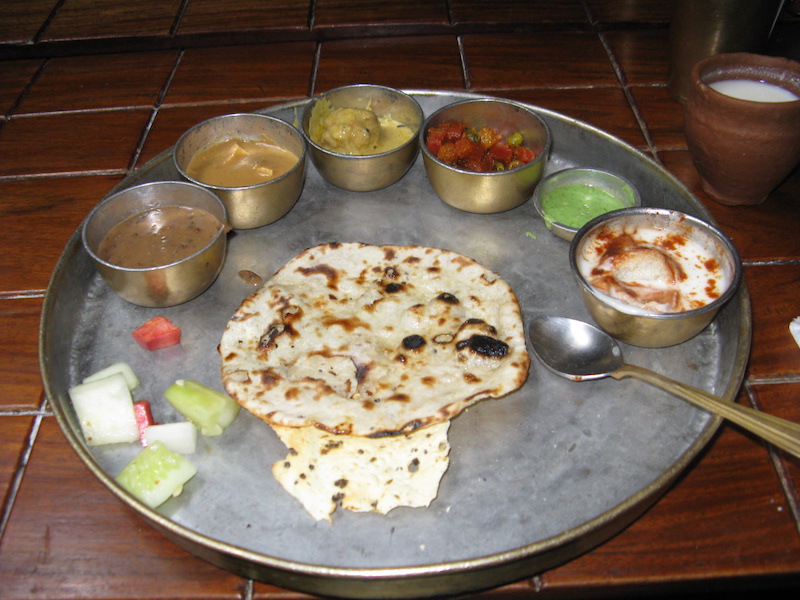
As we alighted from my brother-in-law’s eponymous Maruti, he had driven to the Palam airport to receive my mother and me, I realised that this was a familiar, if not favourite, spot of his; a feature of this road and its foodie milestones for its regular customers. It was the month of August and even as we sat outdoors, the canopy shaded us from the humid sun, on a traditional, slightly saggy manja/charpai, made of wooden posts and cotton rope. Back then dhabas dealt in a few but firm staples, serving either veg or non-veg – a term perhaps peculiar to the subcontinent – and this one gave primacy to the vegetarian fare. We stuck to the most popular of these: dal makhani (usually made with urad/black dal), served with copious amounts of makhan/butter and hot rotis. Accompanying this were a few condiments like pyaz/onions, pickles, dahi/yogurt, and to wash it all down was lassi/yogurt drink or karak cha/masala tea, notably to keep the driver going for the remainder of the journey.
Where there is food, there should be flies, especially in the open air of Naipaulian post-monsoon north India and, as a teenager coming from England, a major part of my memory is the visual fragment of blowing away flies, alternating with every other mouthful! Nothing – and no one (!) – had prepared me for their insolent onslaught. But the lingering after-taste of the dal with its distinctly earthy, buttery-ness has remained with me, as has the breezy, people-watching – or, staring-Indian-style – feeling of watching the traffic and people go by. Chatting, eating, and enjoying the essence of being back home.
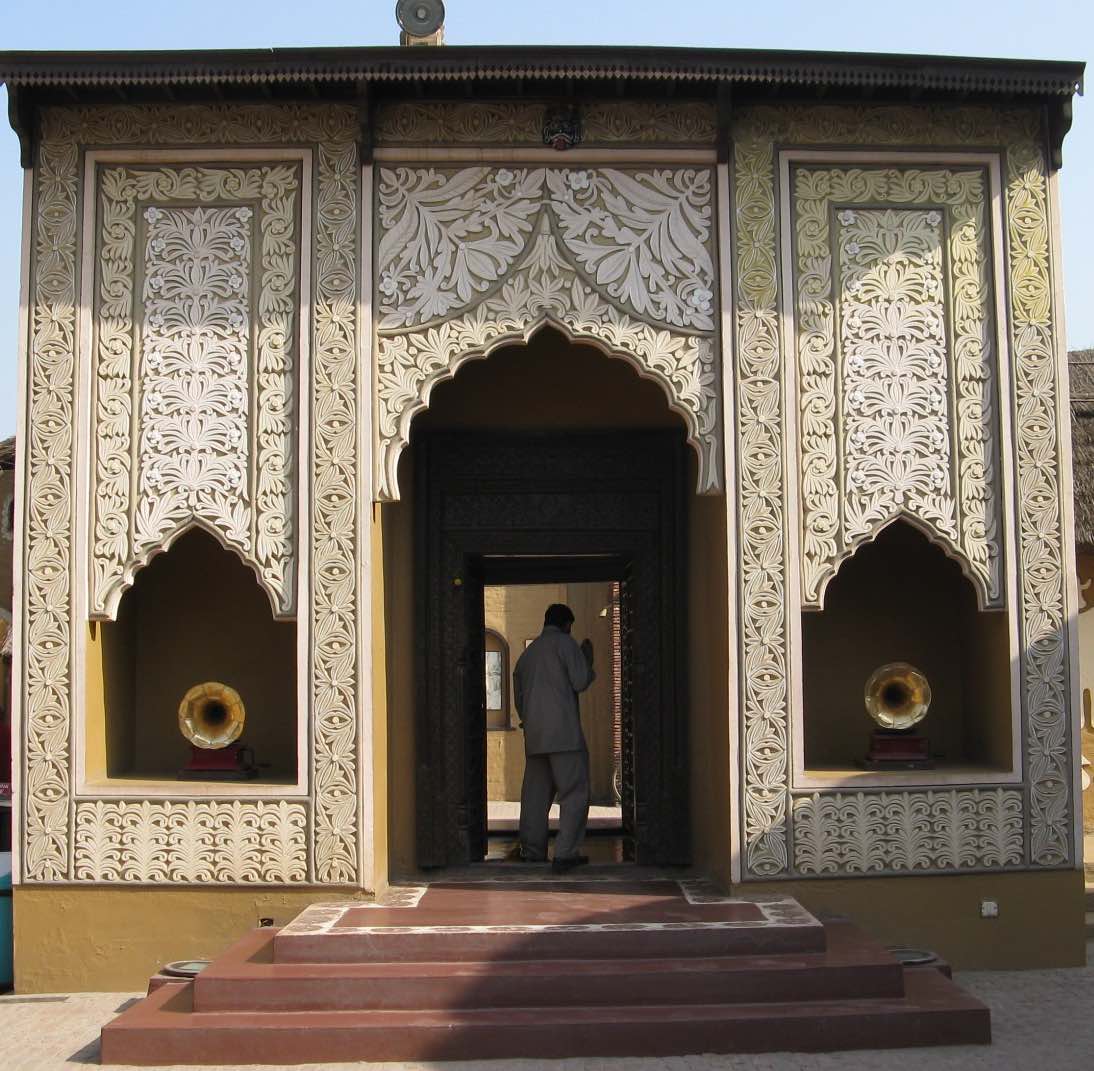
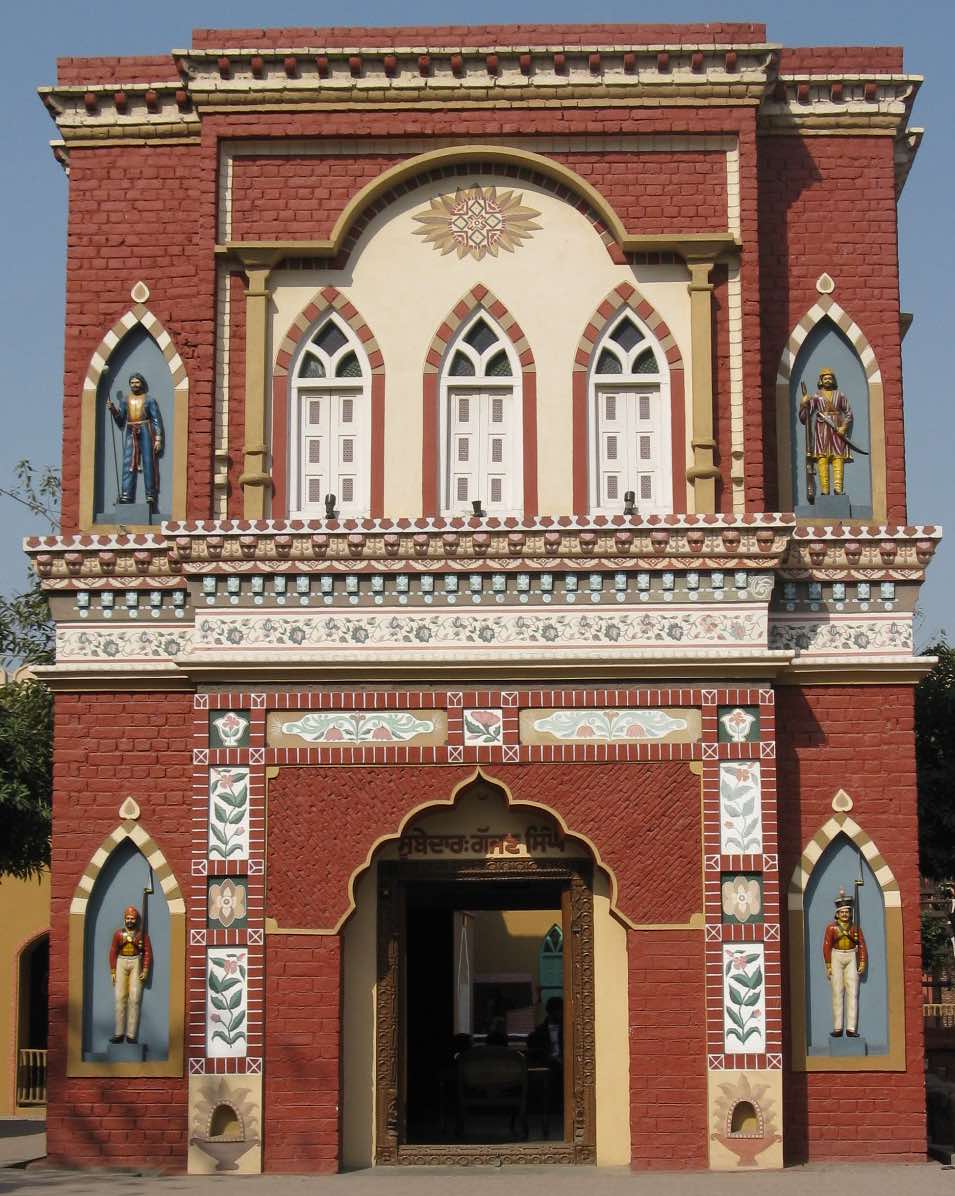
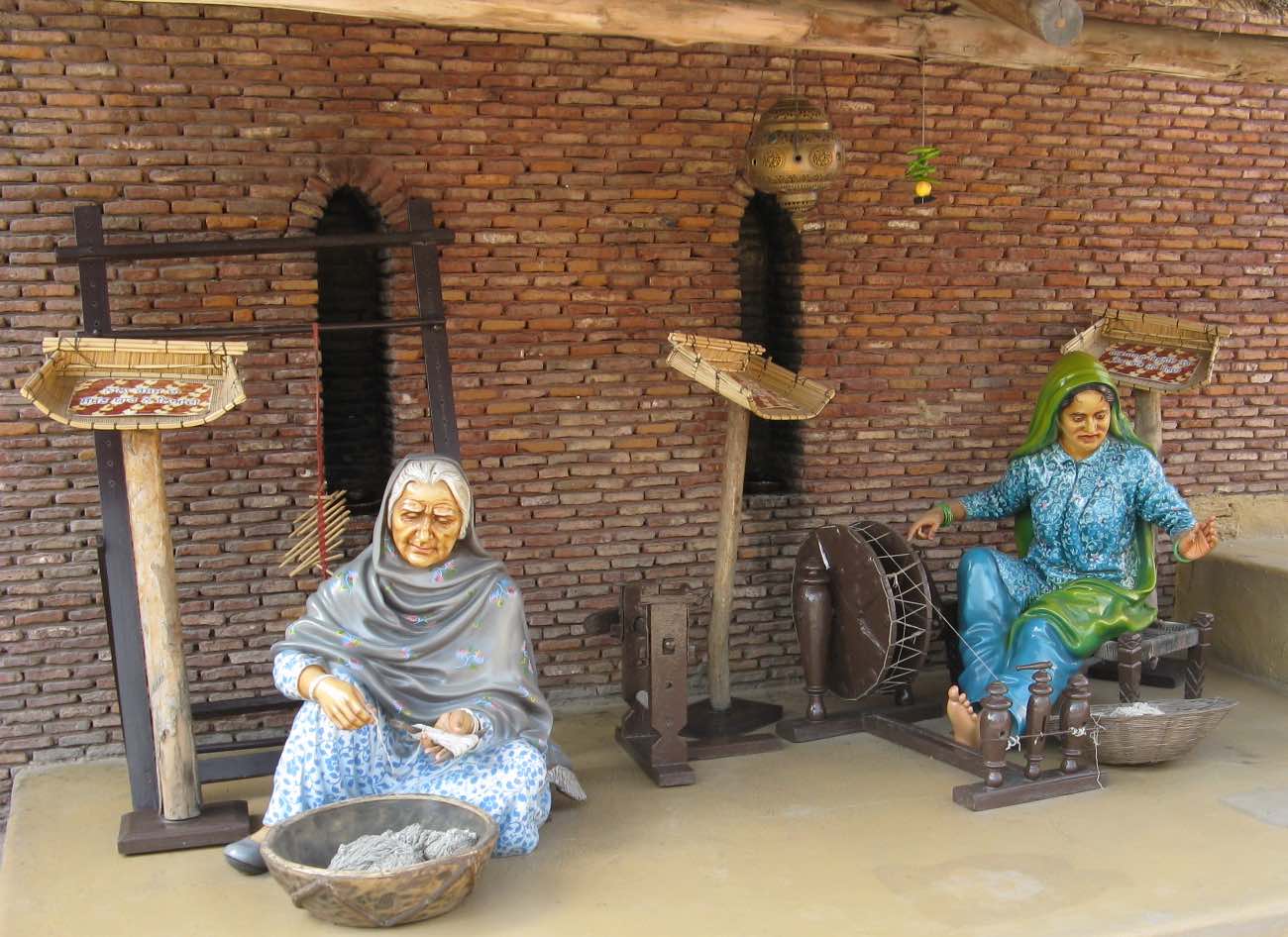
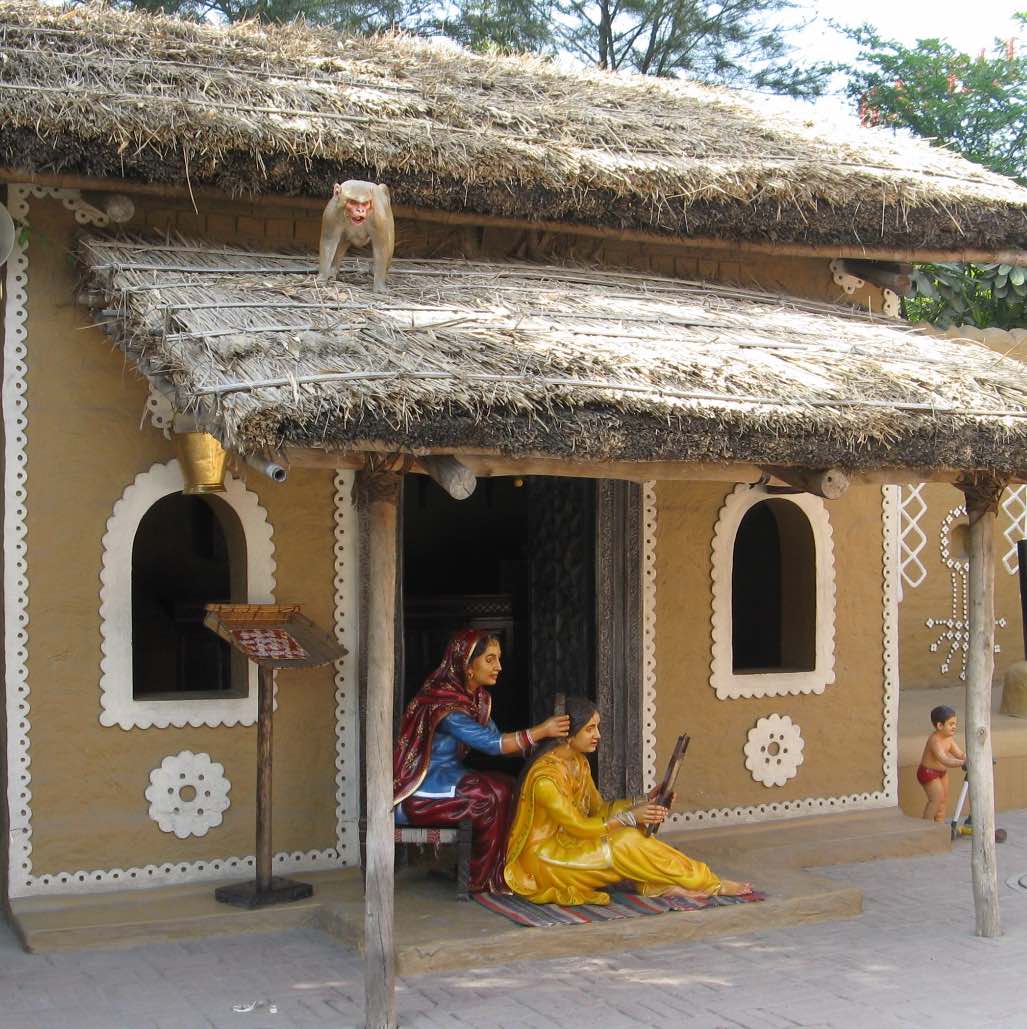
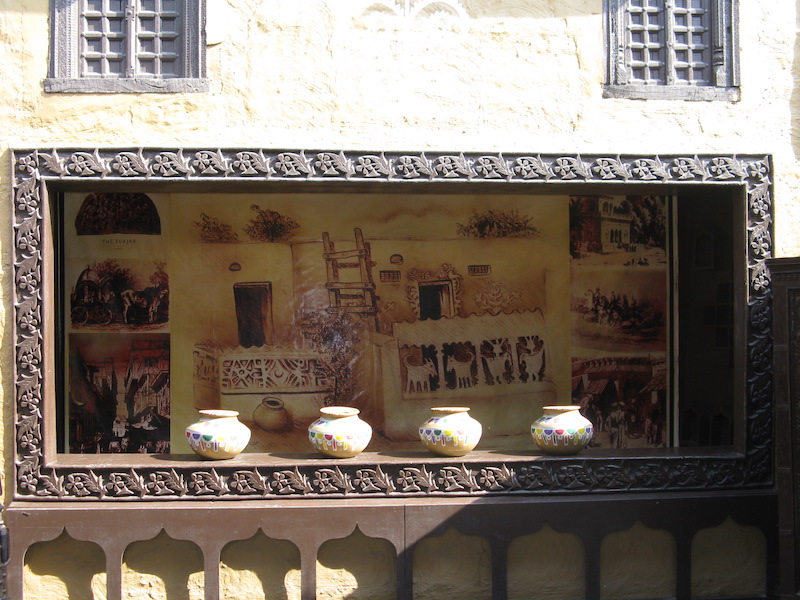
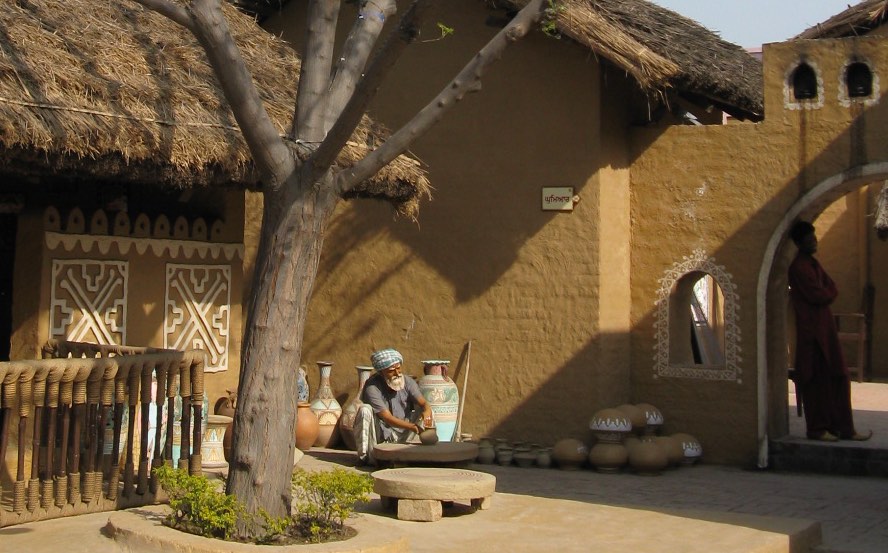
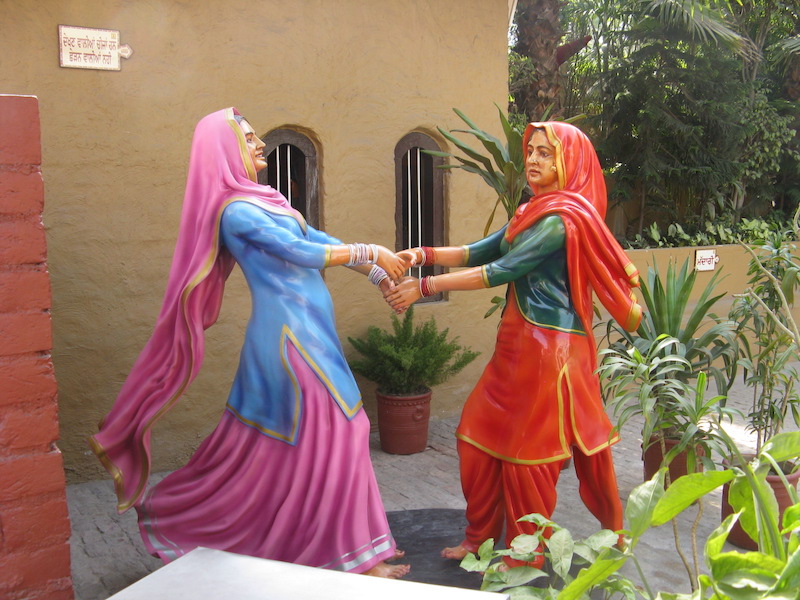
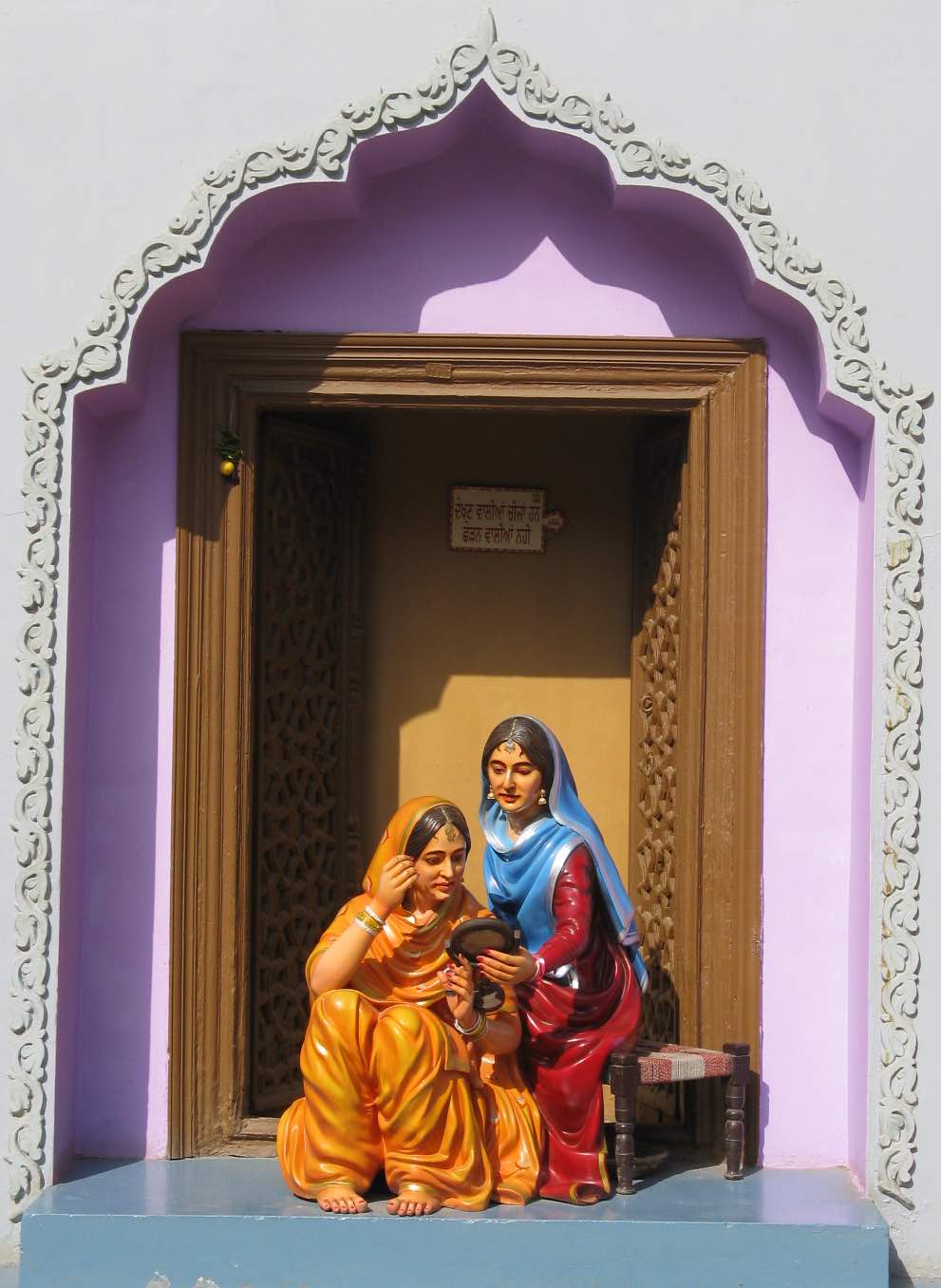
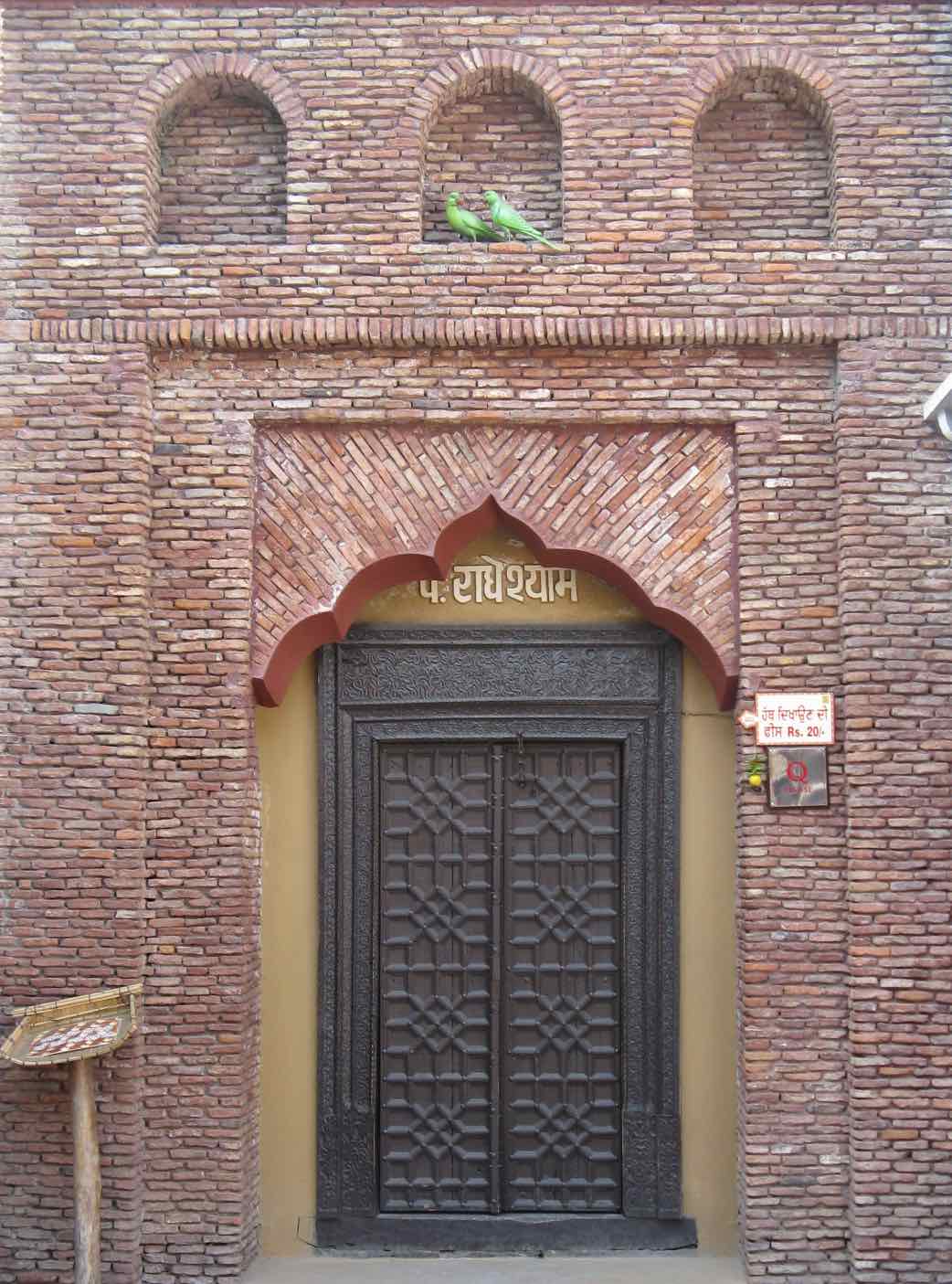
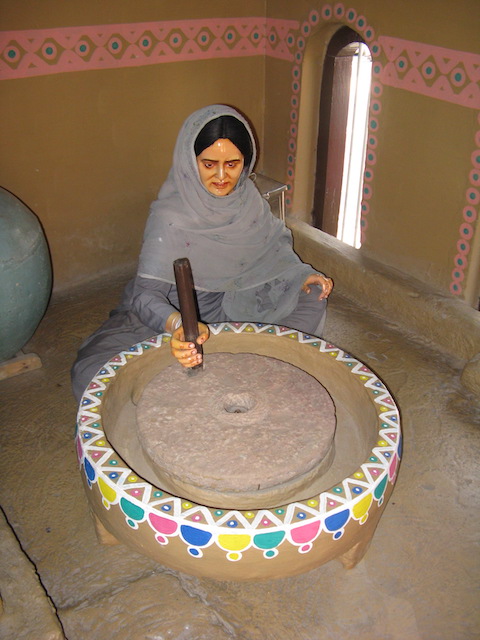
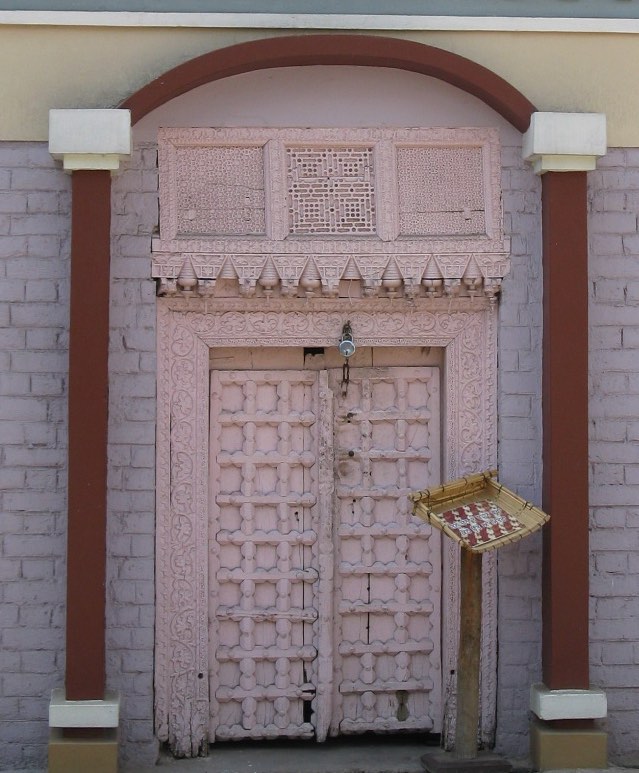
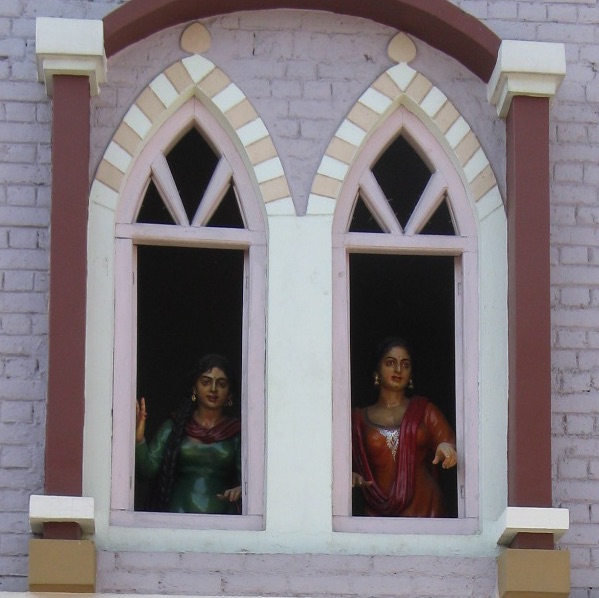
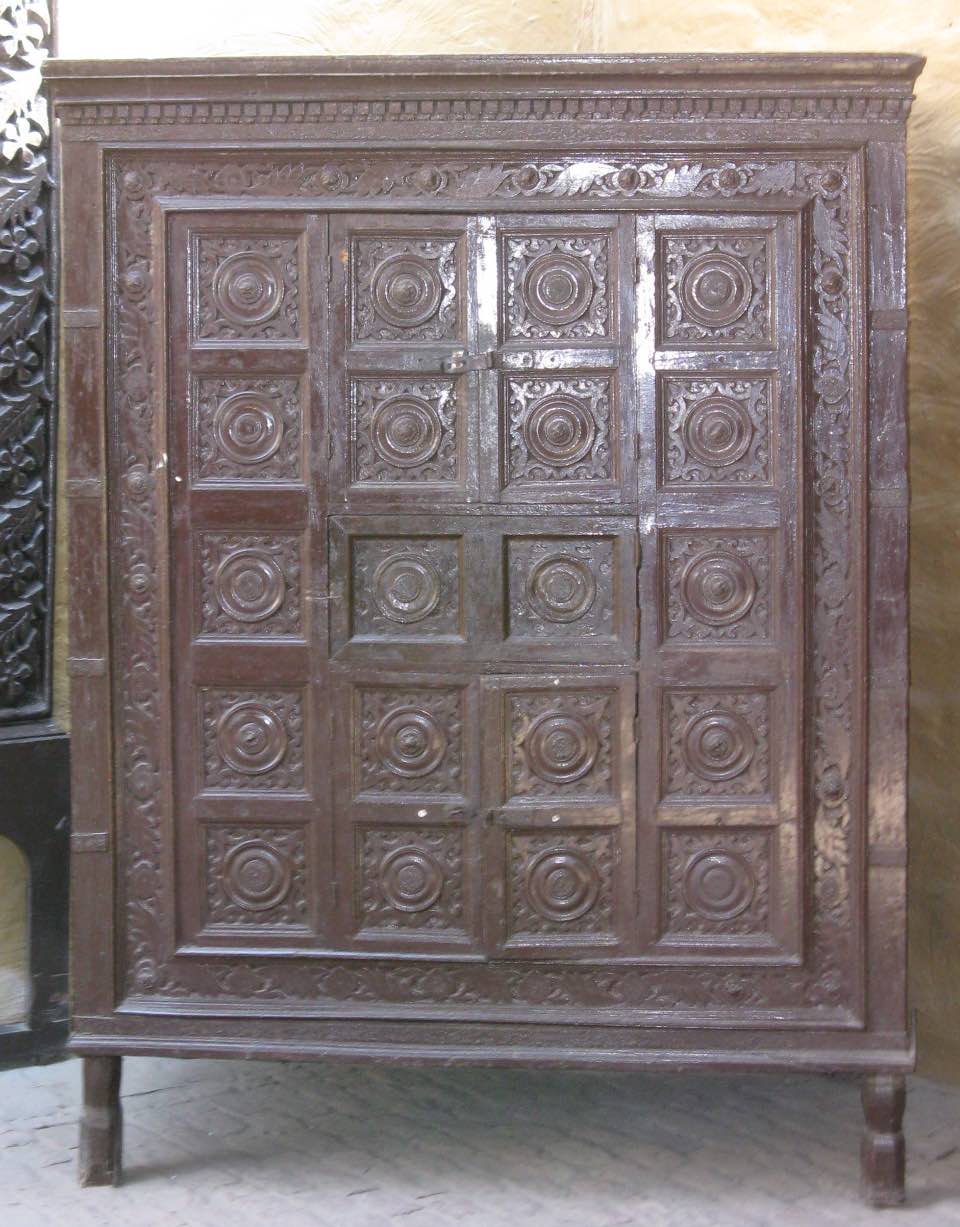
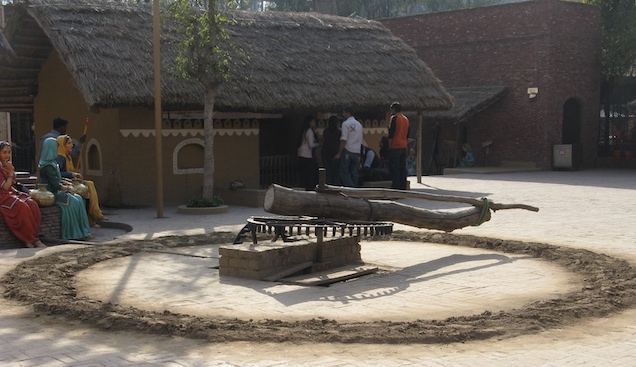
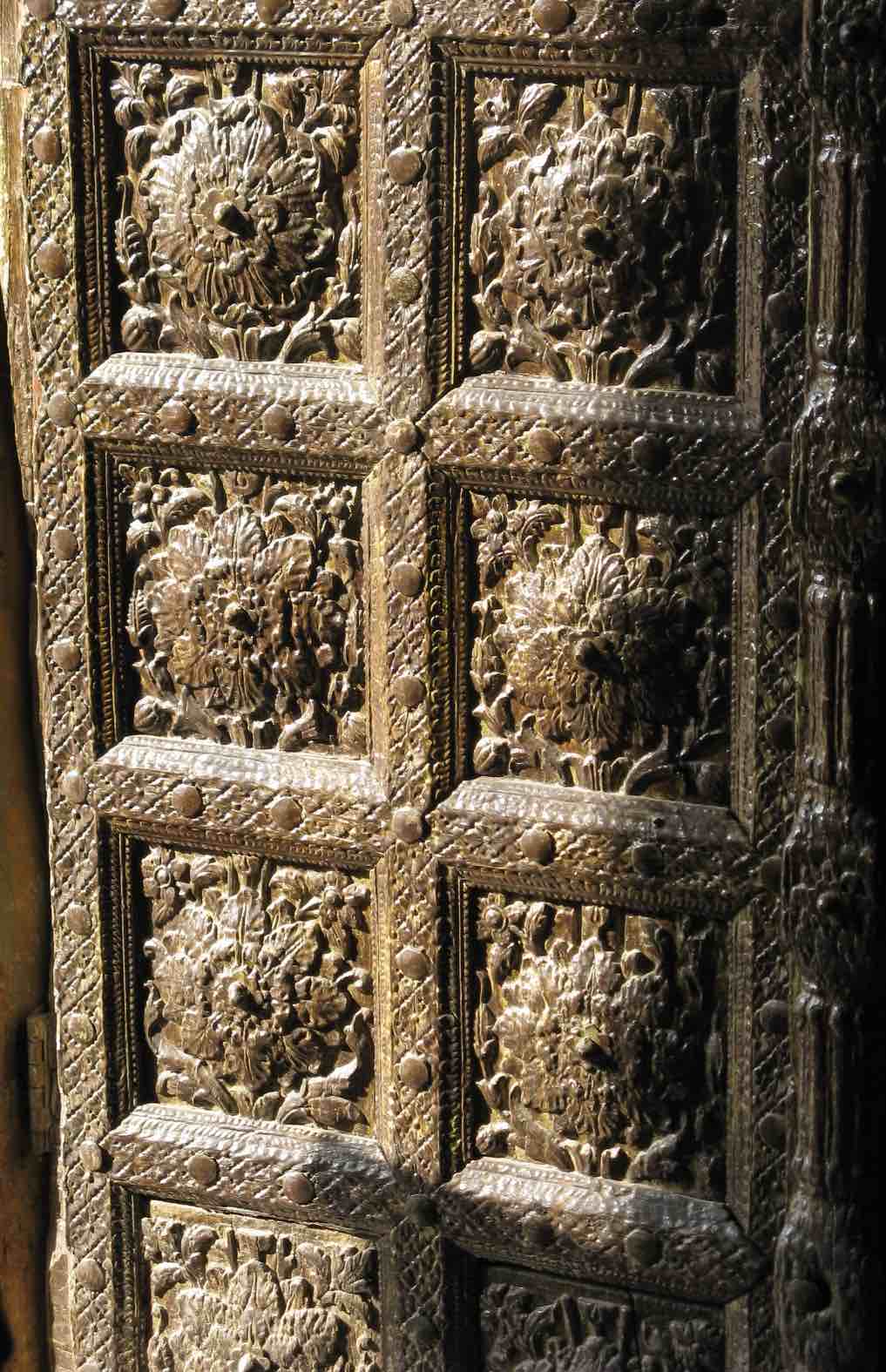
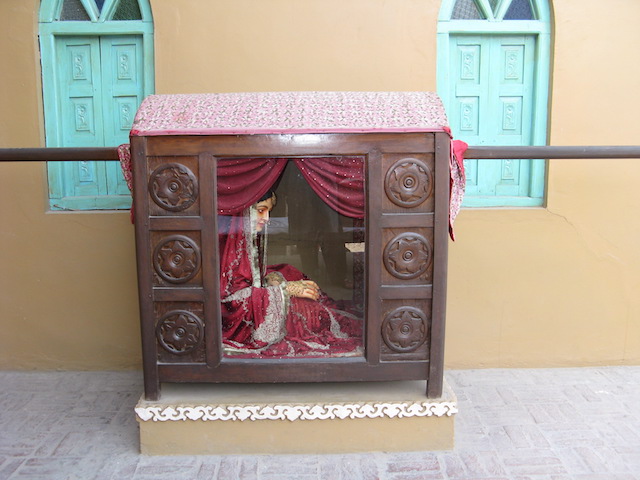
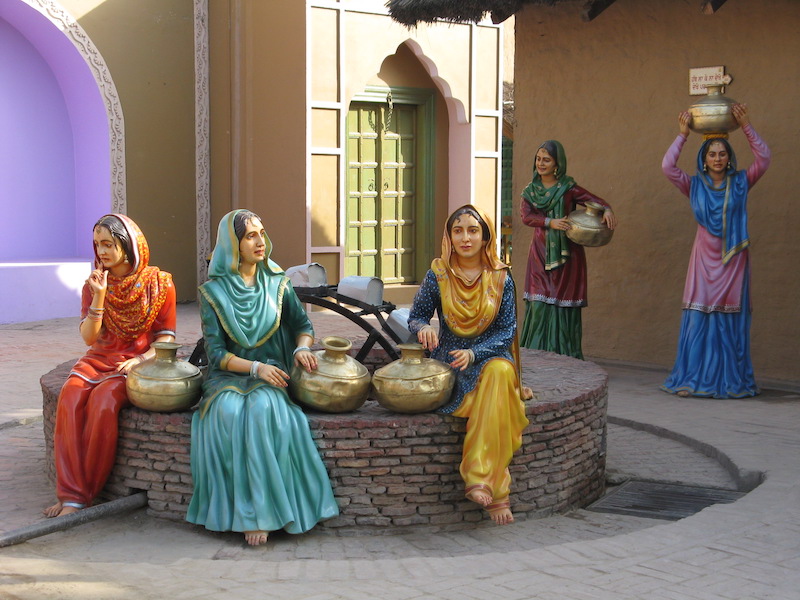
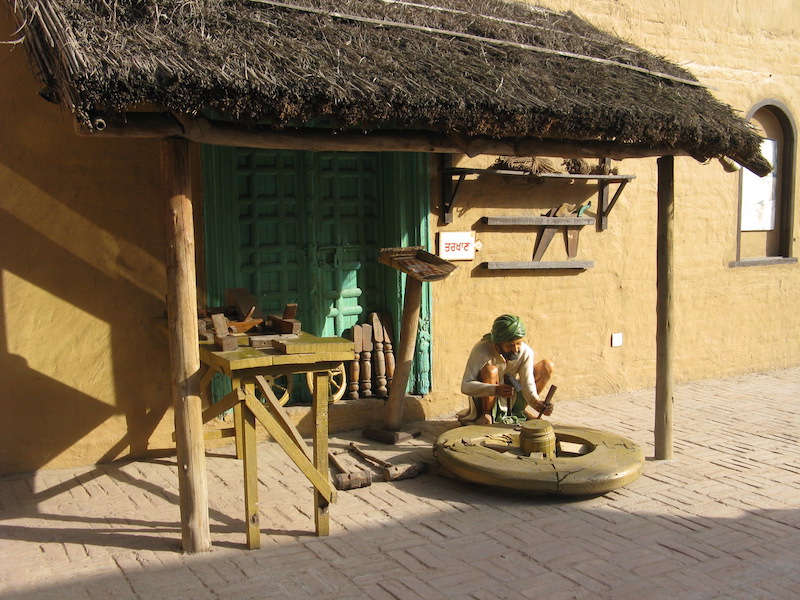
The dhabas not just remain but have metamorphosed into big, loud, air-conditioned restaurants, while being family-friendly; a constant in that ever-changing part of the world. Increasing purchasing power for more in these two-three decades has led to an upward curve in people’s expectations and demands. One of the earliest to step up to (offer) the plate was Haveli, Jalandhar. Its success has led to a number of other branches opening elsewhere, not to mention the imitators and followers. Twenty years after I had first stopped at a dhaba, I first visited the Haveli with my sister, in 2009. I had heard so much about the place in previous conversations. Haveli did not simply serve “traditional” food, it sought to create an “experience” of that traditional age, catering to the wealthy diaspora, who tried hard to reconnect with their roots. Now, therefore nostalgia came at a high price, amidst the sights of a pre-fabricated “themed” restaurant, and accompanied with the Rangla Punjab model village (pictures below from 2009), depicting “typical” village life.





















 BAGICHA