Tag Archives: poetry

I Come From There by Mahmoud Darwish

I come from there and I have memories
Born as mortals are, I have a mother
And a house with many windows,
I have brothers, friends,
And a prison cell with a cold window.
Mine is the wave, snatched by sea-gulls,
I have my own view,
And an extra blade of grass.
Mine is the moon at the far edge of the words,
And the bounty of birds,
And the immortal olive tree.
I walked this land before the swords
Turned its living body into a laden table.
I come from there. I render the sky unto her mother
When the sky weeps for her mother.
And I weep to make myself known
To a returning cloud.
I learnt all the words worthy of the court of blood
So that I could break the rule.
I learnt all the words and broke them up
To make a single word: Homeland....

Find out more about Mahmoud Darwish

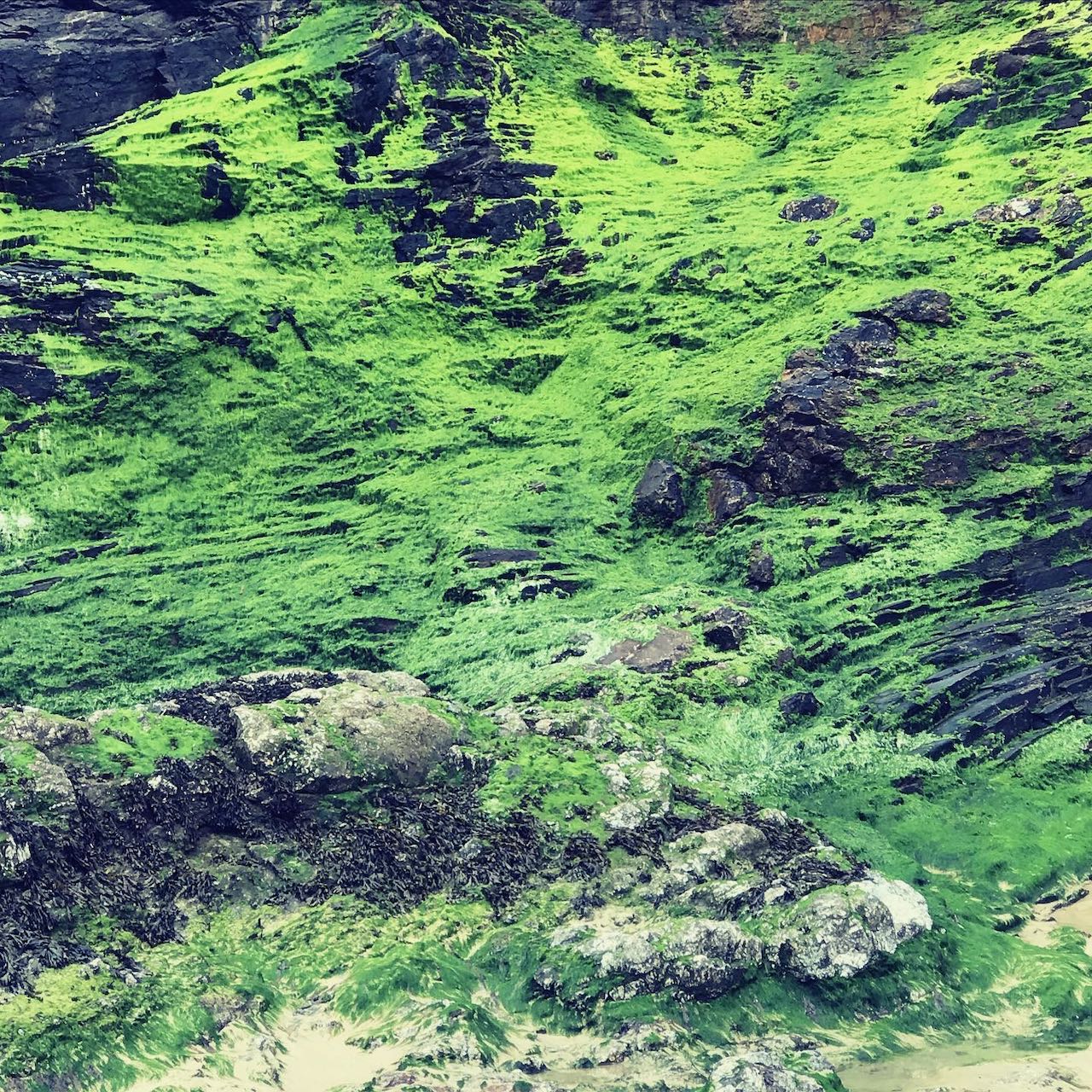
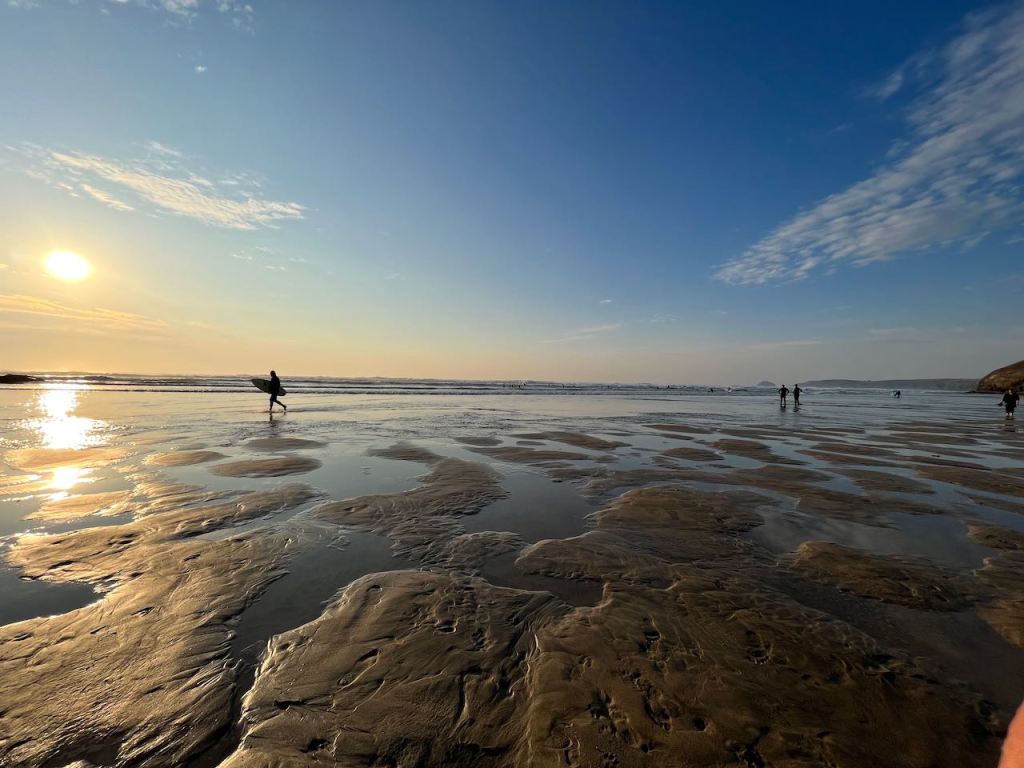
Cornish Light

Cornish Light by Max Hale

© Pippa Virdee 2022

Cornwall, Cornwall every day
Bright sun and fresh feelings
Simple pleasures by just being here
Forward thinking into old age dotage
All our lives waiting, hoping, wishing

Never believing it could be
Out of mind with secret longing
Filling up with atmospheric  air
Sensing that emotional rush
Deep breaths swallowing cliffs and sea

Wild flowers and cows here
Hedgerows and windblown trees
Lopsided branches pointing inland
As cool salt air combs their twigs
The winding tracks disappear

© Pippa Virdee 2022

Love is here all around, so strong
Heart wrenching and stomach churning
Soul and body filling up with Cornish…
Cornish, as long as it’s Cornish
It’s good!

Give us a chance to stay
Give us the chance to live
Ever on the hard granite pathways
Sounds of mewing gulls and thunder of surf
Beating on the windswept rocks and beaches

Cornish light familiar and so bright
Invading our eyes and warming our hearts
Gently massaging our faces with soothing fingers
Lifting our spirits as breaking through the clouds
It charges us with love

Fulfilled and whole
Our lives and minds gratefully feasting
The armfuls of wonder as we carry our hearts
Together,  through eternity, watching
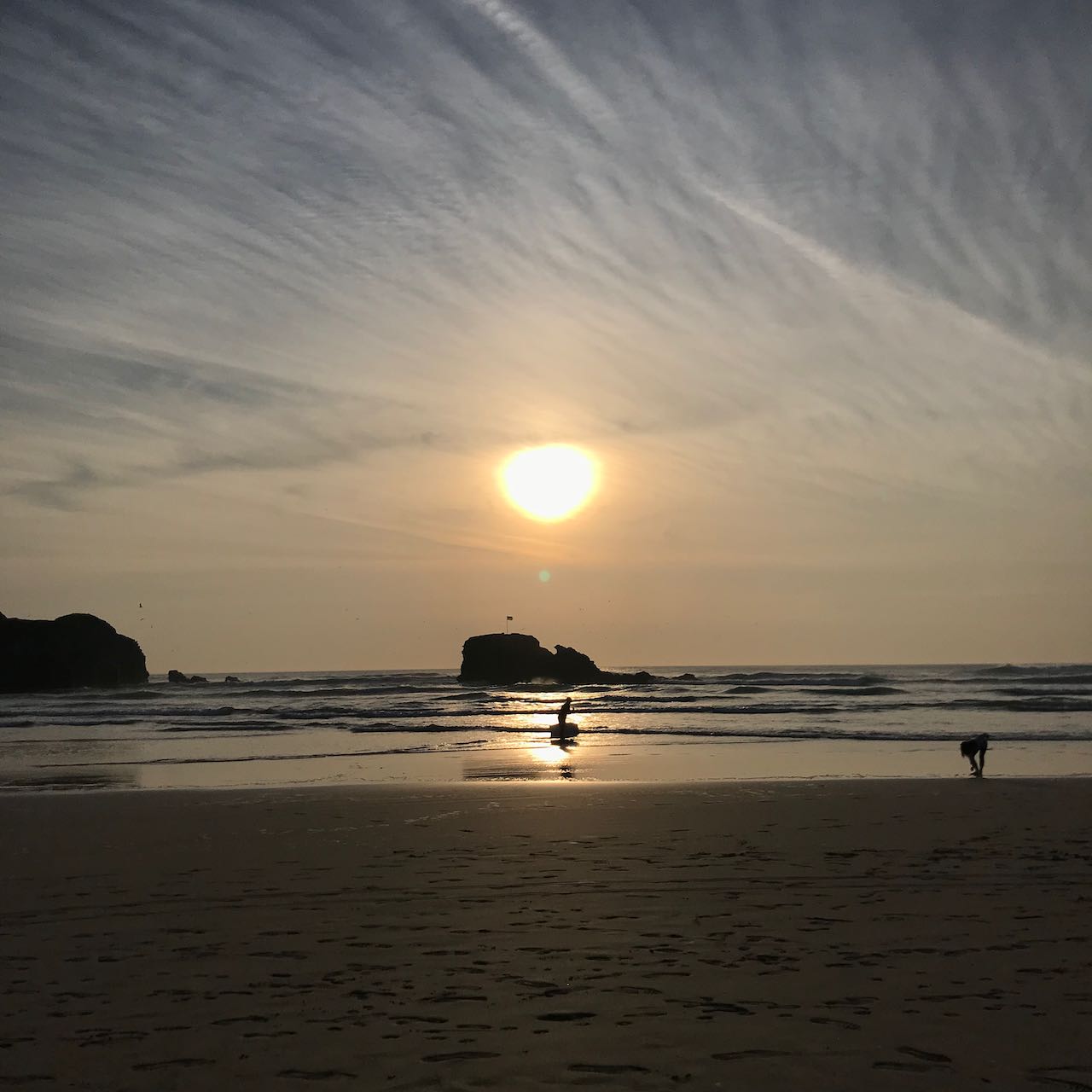
As the sun sets in a blaze of Cornish light

Ajj Aakhaan Waris Shah Nu By Amrita Pritam

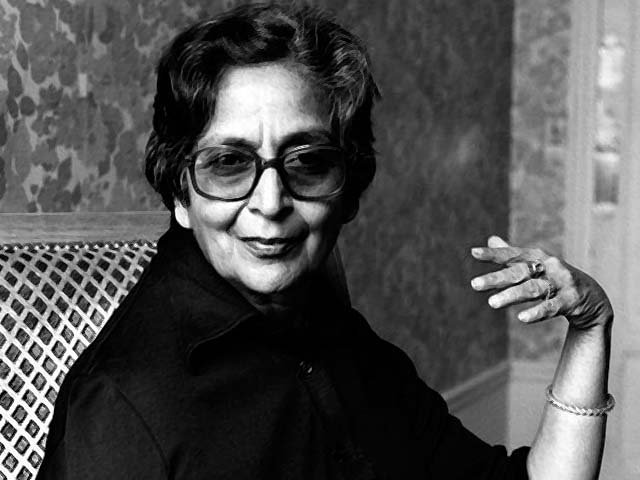
Amrita Pritam (1919-2005) was one the most distinguished Punjabi poets and fiction writers. She was born in Mandi Bahauddin, Punjab and was living in Lahore when in 1947 she, along with the millions others, was forced to migrate during the partition of the Punjab.

Her first collection of poems Amrit Lehrcm was published in 1936 when she was barely 17 years old. Starting as a romantic poet, she matured into a poetess of revolutionary ideas as a result of her involvement with the Progressive Movement in literature.

Ajj Aakhaan Waris Shah Nu (Today I Say unto Waris Shah) is a heartrending poem written during the riot-torn days that followed the partition of the country. (Apnaorg.com). The poem is addressed to Waris Shah, (1706 -1798), a Punjabi poet, best-known for his seminal work Heer Ranjha, based on the traditional folk tale of Heer and her lover Ranjha. Heer is considered one of the quintessential works of classical Punjabi literature.

Her body of work comprised over 100 books of poetry, fiction, biographies, essays, a collection of Punjabi folk songs and an autobiography that were all translated into several Indian and foreign languages

Ajj Aakhaan Waris Shah Nu (Today I Say unto Waris Shah – Ode to Waris Shah)

Translation from the original in Punjabi by Khushwant Singh. Amrita Pritam: Selected Poems. Ed Khushwant Singh. (Bharatiya Jnanpith Publication, 1992)

 To Waris Shah I turn today!

Speak up from the graves midst which you lie!

In our book of love, turn the next leaf.

When one daughter of the Punjab did cry

You filled pages with songs of lamentation,

Today a hundred daughters cry

0 Waris to speak to you.

O friend of the sorrowing, rise and see your Punjab

Corpses are strewn on the pasture,

Blood runs in the Chenab.

Some hand hath mixed poison in our live rivers

The rivers in turn had irrigated the land.

From the rich land have sprouted venomous weeds

flow high the red has spread

How much the curse has bled!

The poisoned air blew into every wood

And turned the flute bamboo into snakes

They first stung the charmers who lost their antidotes

Then stung all that came their way

Their lips were bit, fangs everywhere.

The poison spread to all the lines

All of the Punjab turned blue.

Song was crushed in every throat;

Every spinning wheel’s thread was snapped;

Friends parted from one another;

The hum of spinning wheels fell silent.

All boats lost the moorings

And float rudderless on the stream

The swings on the peepuls’ branches

I lave crashed with the peepul tree.

Where the windpipe trilled songs of love

That flute has been lost

Ranjah and his brothers have lost their art.

Blood keeps falling upon the earth

Oozing out drop by drop from graves.

The queens of love

Weep in tombs.

It seems all people have become Qaidos,

Thieves of beauty and love

Where should I search out

Another Waris Shah.

Waris Shah

Open your grave;

Write a new page

In the book of love.
NOTES

Waris Shah (1706 -1798) was a Punjabi poet, best-known for his seminal work Heer Ranjha, based on the traditional folk tale of Heer and her lover Ranjha. Heer is considered one of the quintessential works of classical Punjabi literature.
Qaido – A maternal uncle of Heer in Heer Ranjha is the villain who betrays the lovers.
The Punjab – the region of the five rivers east of Indus: Jhelum, Chenab, Ravi, Beas, and Sutlej.

When Amrita Pritam called out to Waris Shah in a heartrending ode while fleeing the Partition riots by Nirupama Dutt

I say unto Waris Shah by Amrita Pritam – Poem Analysis

Pritam, Amrita, and Rama Jha. “An Interview with Amrita Pritam.” Indian Literature 25, no. 5 (1982): 183-195.

Butalia, Urvashi. “Looking back on partition.” Contemporary South Asia 26, no. 3 (2018): 263-269.

Poetry Corner: When Autumn Came

Triggered by a conversation today and dedicated to those who have not come across the work and poetry by Faiz Ahmed Faiz. Normally I would share something in Urdu (with a translation), as most of his work is in Urdu. However, then I came across this piece titled “When Autumn Came”, and I’ve not seen an Urdu version of this. If anyone knows of the the Urdu version please do leave the details in a comment. This poem is included in “The True Subject: Selected Poems by Faiz Ahmed Faiz” by Naomi Lazard (1987).

This is the way that autumn came to the trees:
it stripped them down to the skin,
left their ebony bodies naked.
It shook out their hearts, the yellow leaves,
scattered them over the ground.
Anyone could trample them out of shape
undisturbed by a single moan of protest.

The birds that herald dreams
were exiled from their song,
each voice torn out of its throat.
They dropped into the dust
even before the hunter strung his bow.

Oh, God of May have mercy.
Bless these withered bodies
with the passion of your resurrection;
make their dead veins flow with blood again.

Give some tree the gift of green again.
Let one bird sing.

Read more about Faiz:

Faiz Ahmed Faiz: Life and poetry, Dawn 17 Feb 2011

Profile and work: Rekhta

Jabbar, Abdul. “NAOMI LAZARD’S ‘The True Subject: Selected Poems of Faiz Ahmed Faiz.’” Journal of South Asian Literature 26, no. 1/2 (1991): 156–70. http://www.jstor.org/stable/40873227.

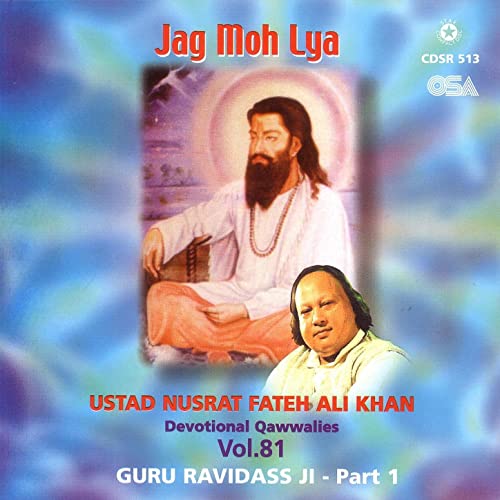
Guru Ravidas

Guru Ravidas was a mystic poet-sant and belonged to the reformist Bhakti movement. Thought to have been born circ. 1450 CE and a contemporary of Guru Nanak (founder of the Sikh faith); some scholars think the two even met. He is revered as a Guru/Bhagat/Sant and is well-known and respected as a social reformer who was keen to see the erasure of caste and gender inequalities. He was born a Chamar (untouchable/dalit) and his fight against social oppression has elevated him as an icon for the Dalit community in contemporary society. His devotional versus are also included in the Guru Granth Sahib but his influence is wide-ranging, spanning across much of northern and central India.

I tired hard to find an English translation of ‘Guru Ravidas’ by Nusrat Fateh Ali Khan but so far I haven’t been successful. It was recorded under the Oriental Star Agency label, circ. 1992 If anyone knows of a translation, please do share it because I think the lyrics, sentiments are just heart rendering. They deserve a much wider audience. While I can follow most of the qawwali myself, I am not able to translate it and do justice to the lyrics. Two lines near the end provide a good sense of the what is being conveyed. The translation is difficult because the word “prayer” does not capture the sentiment sufficiently, because Pooja is performed by Hindus, paath is associated with Sikhs and the azaan with Muslims. There is no direct translation.

na pooja paath azaanan vich (the Lord does not reside in the prayer [of Hindus, Sikhs, Muslim])
rabb wasda e insaanan vich (the Lord resides in humanity)

It is sentiments like these that make Nusrat completely transnational and appealing to people across all faiths.

Source for the lyrics: http://lyricification.blogspot.com/2015/08/ravidas-guru.html

ravidaas bhagwaan da roop laike
aaya jag de dukh niwaarne nu
gote khaandi sansaar di aap bedi
bhawsaagar ton paar utaarne nu
unch neech da fark mitaun khaatir
ravidas insaaf da pakad daaman
kasam rabb di rabb da roop laike
aaya satgur sach satkaarne nu

ravidas guru ravidas guru

dukhiyan di sunne ardaas guru
kar sab di poori ardaas guru
ravidas guru ravidas guru

kite raajeyan anni paayi si
har paase machi duhayi si
kite kambdi payi khudayi si
kite jaan laban te aayi si
insaan si dushman insaan da
har dil vich peerh sawaayi si
panditan di puththiyan reetan ne
sagon hor chavati naayi si
oh daur si zaalim kehran da
mee wareya pyasi zehran da
amrit baani naal jadon
si sab di bujhaayi pyas guru
ravidas guru ravidas guru

eh raaja ki te parja ki
hath bandi wala darja ki
eh mandir ki te masjid ki
eh puja ki te sharda ki
bhala es khuda di dharti te
bandeyan da jhutha kabja ki
sabb os khuda de bande ne
eh wadda ki te chchota ki
eh dharm karam da jhagda ki
eh deen dharam da jhagda ki
hai raazik sabhda oh khaalik
nukta samjhaaya khaas guru
ravidas guru ravidas guru

us daur di ajab kahaani si
har paase daur shaitaani si
haq sach te kalme di kidre
na kadar kise ne jaani si
sab kojiyan bharman di
ravidas ne ramz pachchani si
harbhajan dillan vich dard bade
koi meera sur di rani si
oh rahbar kaamal akmal si
dil andar naal koi wal chchal si
inj hoka de sacheyayi da
sab kite kaaraj raas guru
ravidas guru ravidas guru

gaya murshid kaamil ki aakhan
os swarg bana ke duniya nu
bedaar banake duniya nu
gulzaar banake duniya nu
paigaam sunake amlan da
gaflat chon jaga ke duniya nu
ujdi hoyi sunji dharti te
khud aap wasa ke duniya nu
na pooja paath azaanan vich
rabb wasda e insaanan vich
chauhaan khuda nu yaad karo
oh har dam wasda paas guru
ravidas guru ravidas guru

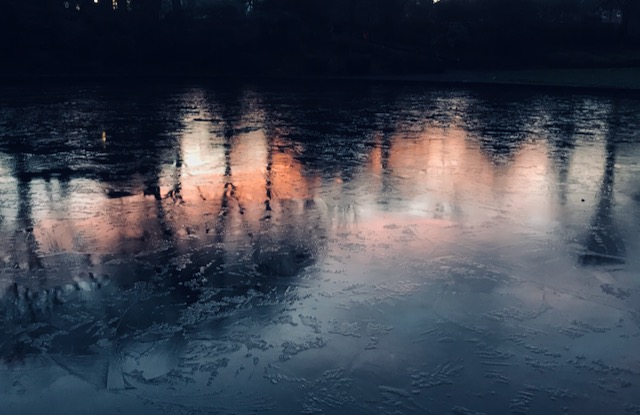
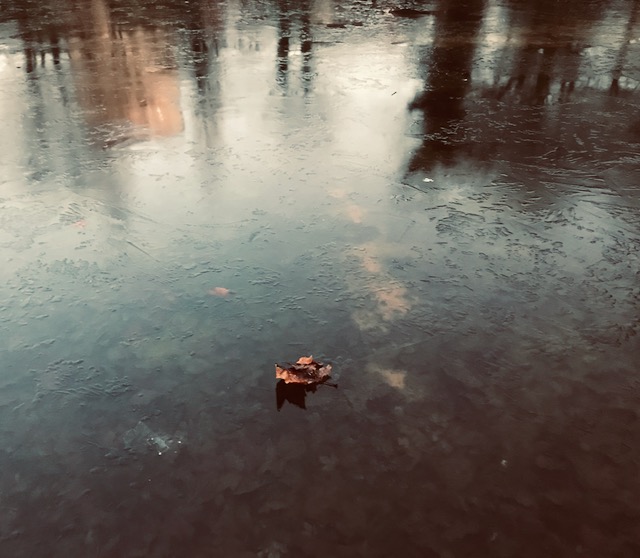
Under the frozen moon

The moon is a multipurpose muse, at once a symbol of ishq (love), taqwa (piety), tanhaai (loneliness), hairat (wonder), khushi (happiness) and arzoo (longing). In Urdu literature, the moon manifests in all forms: aadha chaand (half moon), poora chaand or chaundhavi ka chaand (full moon) and badli ka chaand (moon hidden in clouds). The moon has also been a symbol of the poet’s promise to the beloved, with “tumhare waste main chaand tod laaunga (I will pluck out the moon for you),” being a familiar refrain.

‘The many moods of the moon; Urdu poetry’s favourite muse’, by Nawaid Anjum, July 22, 2019, The Indian Express

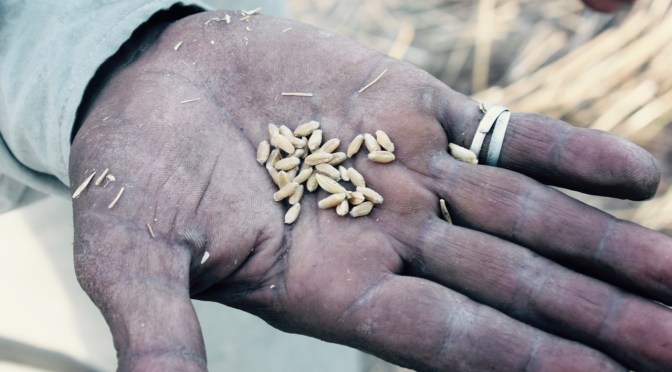
Kisaan Di Kahaani

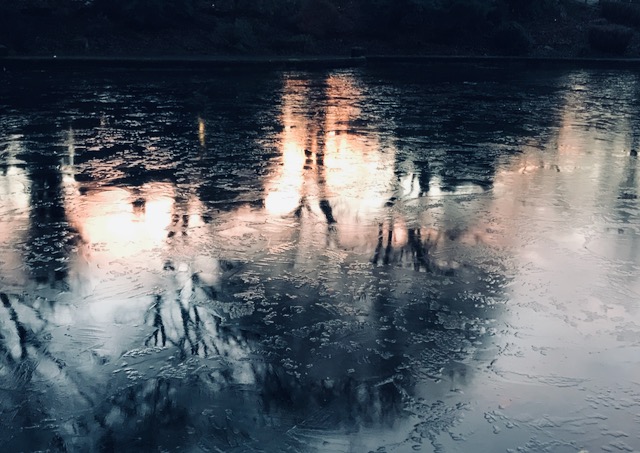
A Little Cloud by Ruby Archer

© Pippa Virdee 2020
A little cloud stood lonely
Amid the evening sky;
Doubting and fearful waiting there,—
No other cloudlet nigh.

Poor faint and weakling timid lamb
Far wandered from the fold,
The shepherd never missed at all,—
Forgotten in the cold.

My cloudlet wavered on the blue,
The heaven-meadow scanned
For hope of any cloudy friend
With misty, beckoning hand;

A moment longer waited,
Abandoned by the day;
Then, like a little spirit cloud,
He faded quite away.