
Tag Archives: music

Embracing Nostalgia Through Music and Gardening

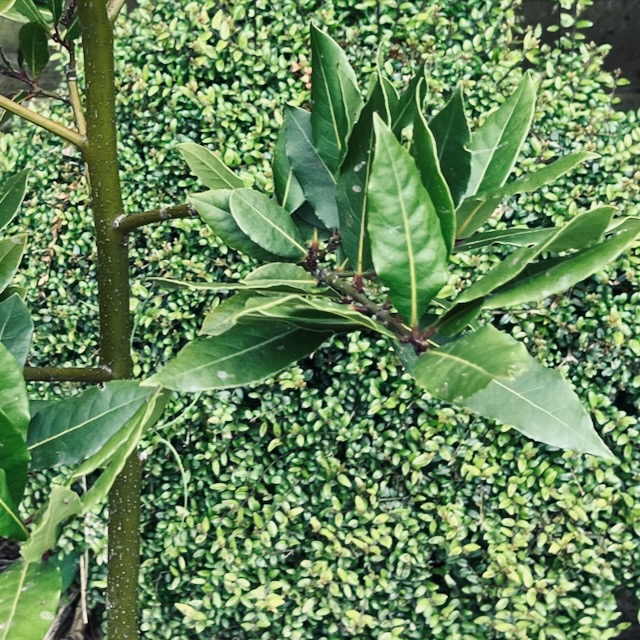
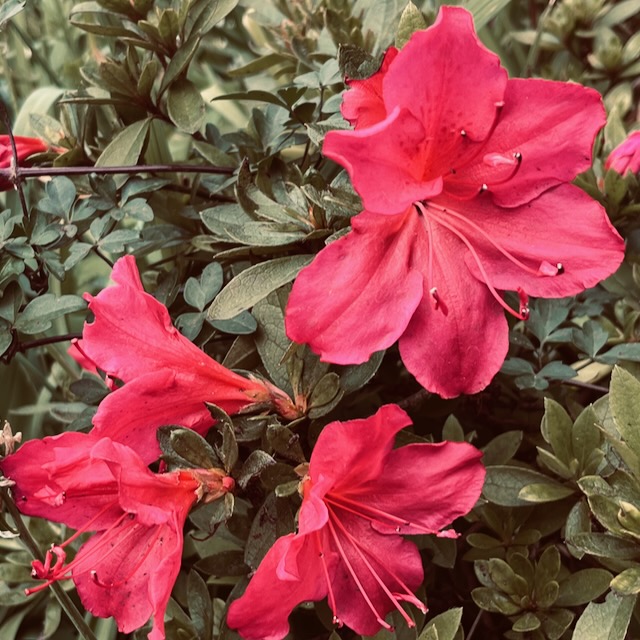
A long weekend spent revamping the garden has left me feeling quietly thankful—grateful not only for the beauty of blooming flowers but the often-overlooked moments that bring small moments of joy to us. These are the everyday miracles that ground us, offering us gentle reminders to be present, and to be grateful for the life and family that support us and get us through difficult times. They act as pillars, always there in the background but without whom we could not exist.

In August 2016, I began this blog as a space to document my experiences during a visiting fellowship in Lahore, as well as to share other events and observations that captured my interest along the way. This has grown into a broader canvas—one where I could share photographs, music, and reflections, often framed with a touch of historical context. Over time, the blog has become not just a repository of memories, but also a means of connecting with others.

When I first considered what to name this space, I wanted something that could symbolise both personal growth and a diversity of ideas. I eventually chose Bagicha—the Urdu and Punjabi word for “garden.” The name felt right, evoking a place where different thoughts, emotions, and inspirations could coexist and bloom. Like any real garden, this blog has required time and care, and though life’s demands have occasionally interrupted the rhythm of posting, I’ve done my best to return and tend to it regularly.

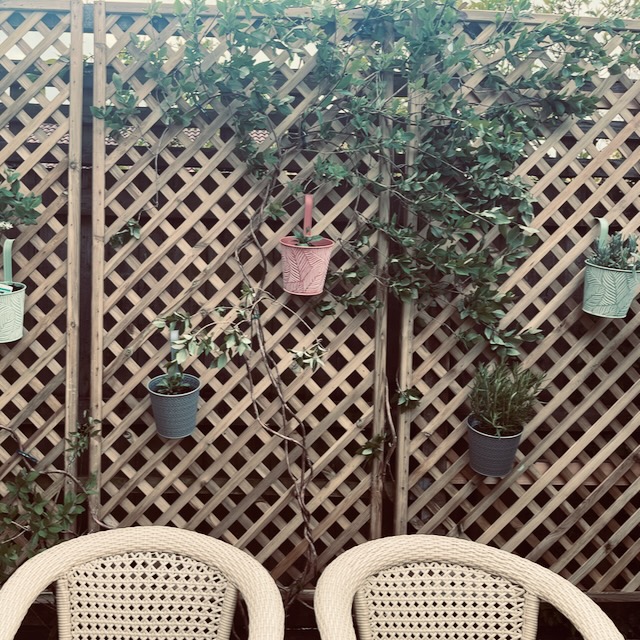
This past weekend, I turned my attention to my actual garden, which had begun to show signs of wear and neglect. I found myself hoping that this act of renewal would also translate into a more productivity for my Blogging and provide inspiration for other writing projects over the coming summer.

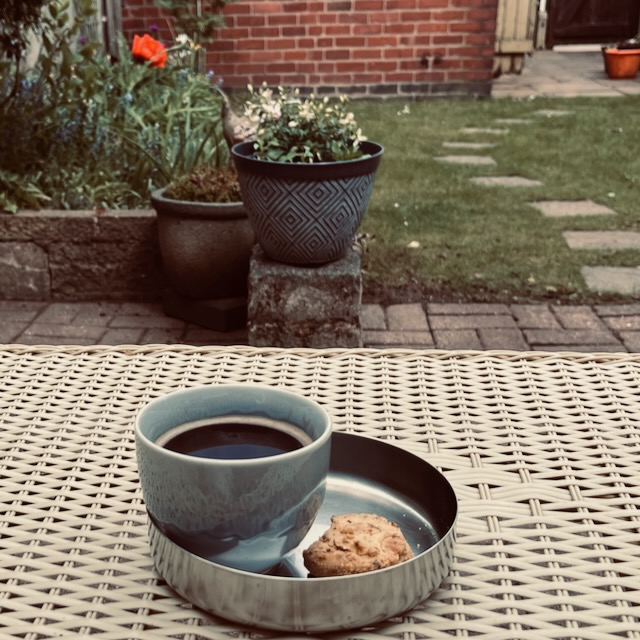
After the work was completed, I treated myself to a quiet moment with a cup of coffee and a Karachi Bakery biscuit, enjoying the fruits of my labour over the long May Bank Holiday weekend. As I unwound, scrolling casually through Instagram, I stumbled upon a deeply nostalgic song: Mai Tenu Yaad Aawan Ga (You Will Remember Me), sung by the legendary Surinder Kaur and Asa Singh Mastana. This version, recorded in Toronto in 1980, is hauntingly melodic—its rich tones and heartfelt lyrics evoke a bygone era.

Surinder Kaur, often hailed as the “Nightingale of Punjab,” remains one of the most celebrated folk singers in South Asian musical history. Her voice, both powerful and tender, became a defining sound of Punjabi folk music in the 20th century. Asa Singh Mastana, her equally iconic counterpart, was known not only for his duets with Kaur but also for his contributions to Bollywood as a playback singer. Both Kaur (born 1929 in Lahore) and Mastana (born 1926 in Sheikhupura) belonged to pre-Partition era and migrated to Delhi after 1947. They continued the musical journeys that had begun in Lahore and helped shape the soundscape of post-Partition Punjab.

Their music carries the weight of memory, migration, and resilience. Listening to them, one feels transported—not just to another time, but to a shared emotional and cultural landscape that continues to resonate deeply.

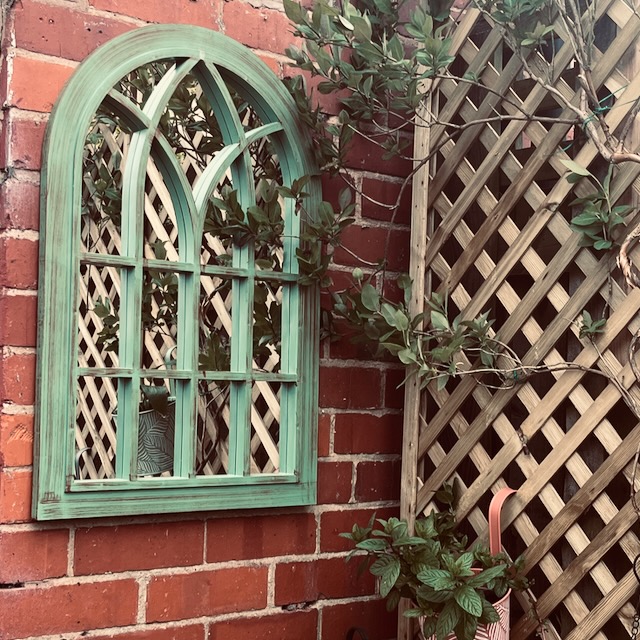
Listen to this timeless song and linger for a while in its emotional undertones. I’ve also included some photographs to accompany the mood—a small attempt to honour the spirit of nostalgia and historical connections that Bagicha has tried to capture.

Jugni in Music

In the literal sense, jugni means female firefly, which is derived from jugnu, meaning firefly. Metaphorically though jugni means much more. Jugni has often been used by singers and writers to share stories, traveling through time and space, to address societal grievances, political messages. She is spiritual and revolutionary. She is able transcend time and transform herself in every generation. But where did she originate from? According to Aashish Kochhar one possibility is:

No…in 1908, when the British were celebrating the golden jubilee of the British Raj, Bishna and Manda, being illiterate couldn’t pronounce ‘Jubilee’, and called it ‘Jugni’ instead. Or so the story goes. That’s how ‘Jugni’ found its way into the world of Punjabi folk music.

The modern version of jugni though is associated with Alam Lohar, the Pakistani Punjabi singer. Born in 1928 in Gujrat to a family of Blacksmiths (Lohar), he started reciting/singing Sufiana Kalaam, a collection of Punjabi stories and poetry from a young age. His son Arif Lohar continued in his footsteps. Below are both versions of Jugni by Alam and Arif Lohar, both spiritual and popular, and both connecting with different generations.

“Ae way Allah waliyan di Jugni Ji

Ae way nabi pak di Jugni Ji

Ae way Maula Ali wali Jugni Ji

Ae way mere peer di Jugni Ji

Ae way saaray saba di Jugni Ji”

(Jugni is the spirit of God

Jugni is the spirit of the Holy Prophet

Jugni is the spirit of Ali and his followers

Jugni is the spirit of my saints

She is the spirit of all His words)

In 2004 the Indian Punjabi singer, Rabbi Shergil released began to blend the Punjabi folk tradition with acoustic rock, offering a new unique style.

In 2008, jugni was reinvented for Hindi film Oye Lucky Lucky Oye. This is one the first modern films to popularise/depict jugni. Others include: Tanu Weds Manu (2011), Saheb Biwi Aur Gangster (2011), Cocktail (2012), Saheb, Biwi Aur Gangster Returns (2013), Queen (2013), Kaatru Veliyidai, (2017).

In 2011 Jugni, a Pakistani Punjabi-language film, was released. The film revolves around the main character of Jugni, and brought folk singer Arif Lohar back on the silver screen after eleven years.

In 2013 the Nooran Sisters performed a powerful rendition at the Nakodar Mela. Sultana Nooran (b. 1992) and Jyoti Nooran (b. 1994) are from Jalandhar and born to family of Sufi musicians. They gained wider popularity through contributions to Bollywood music, craving out a niche space for their strong and distinct style.

One of the latest incarnations is by global Punjabi singer Dailjit Dosanjh featuring Tanzanian artist, Diamond Platnumz, who has a big following in East Africa. The 2022 collaboration is interesting and strategic given the South Asian connections with East Africa. The music/lyrics present a very seamless fusion of Punjabi and Swahili.

There are many other versions, and these are just some of the different incarnations of Jugni in Punjabi popular culture. Read further:

  • Aashish Kochar, ‘Jugni: A Punjabi Folk Narrative Lives On’, Peepul Tree Stories, 30 September 2020
  • Hasnain Kazmi, Syed Shabihul. “Jugni, dhola and mahiya: Comparing three genres of punjabi folklore.” Pakistan Perspectives 25, no. 2 (2020).
  • AMIR, MARIA. “Chapter Twelve Generation Jugni: Mapping The Influence Of Folklore.” A Cartographic Journey of Race, Gender and Power: Global Identity 149 (2021).
  • Parmar, Prabhjot, and Amandeep Kaur. “2 Kisan Protests in Punjab 1907–2021.” Agrarian Reform and Farmer Resistance in Punjab: Mobilization and Resilience (2022).

Punjabi Khoj Garh (Punjabi Research and Archive).

Punjabi Khoj Garh, © Pippa Virdee, 2014.

Punjabi Khoj Garh is a centre of research, publication and advocacy on the history, culture, literature, music, and art of the Punjab. It was established on 10 March 2001 and Iqbal Qaiser, an independent scholar, has tirelessly built up this institute over the past 20 years. It is maintained by the Punjabi Khoj Garh Trust and individuals who work voluntarily to maintain and upkeep the Centre. They welcome all sorts of researchers with facilities and materials for their work on Punjab.

For further details contact: Iqbal Qaiser, Punjabi Khoj Garh, Lalliyani (Musfafar Abad), District Kasur, Pakistan. Follow them on Facebook.

Read more about PKG: ‘House of Readers’ by Altaf Husain Asad, The News, 23 July, 2017

Ballad of Pehlu Khan by Aamir Aziz

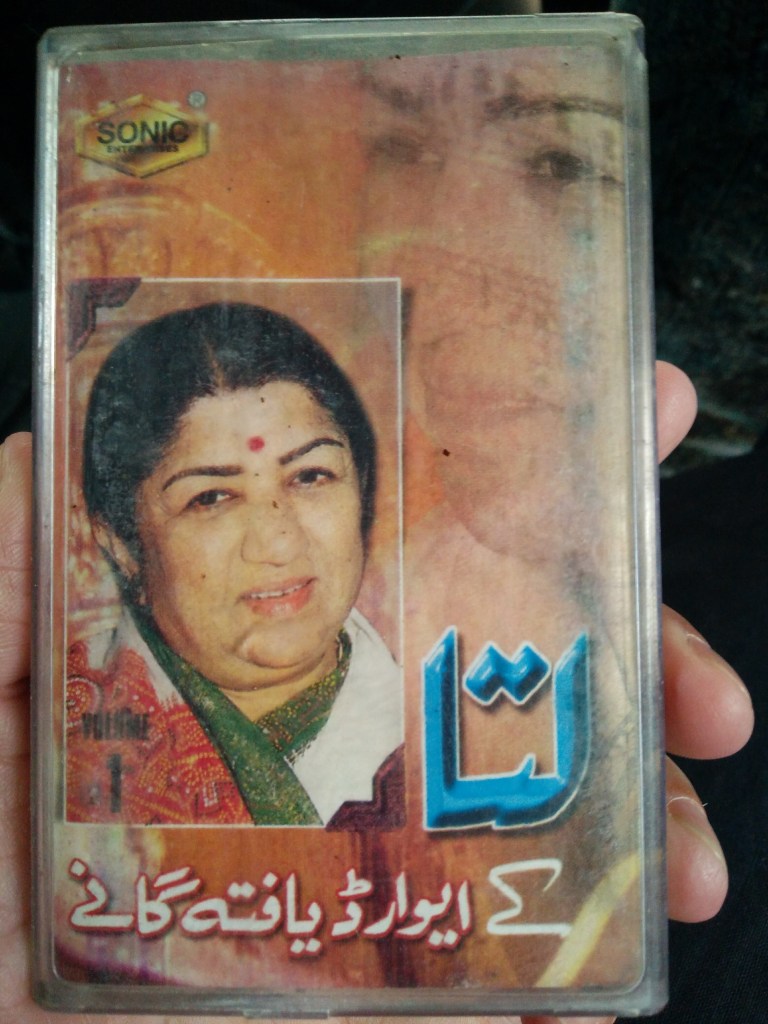
Lata and the compact cassette

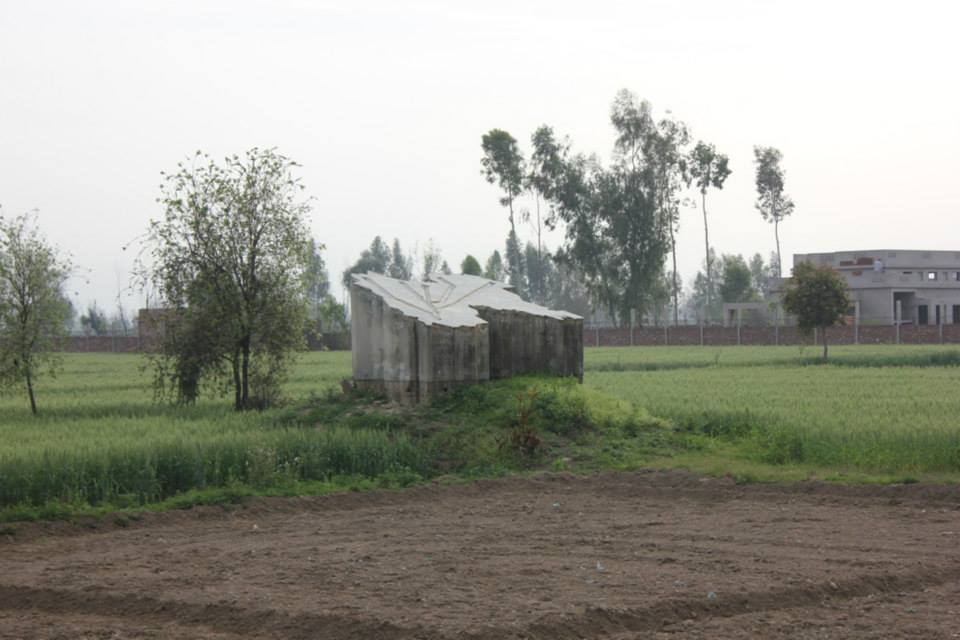
IMG_20170407_085346Imagine the nostalgia of jumping into a 4×4, on a rainy Friday morning in Islamabad, driven around by a German academic, only to discover several music cassettes by Indian singers tucked between the two seats. On close inspection, I discover the music of Lata Mangeshkar – the nightingale of Indian music. Sadly, there was no cassette player in the 4×4 but in that moment, I was transported to the 1980s, listening to popular Bollywood music on the small cassette players, an essential gadget in any household. The numerous compilations in the car were all of music belonging to the golden era of Bollywood music, Mukesh, Rafi and Lata.
Pakistan is not a place I immediately associate with music, you don’t often hear music in people’s houses, nor the streets or even the restaurants and cafés. When I do hear music it often registers in my mind, the sound of music to me is universal and without borders. The melodic sounds can reach out to anyone and everyone and so for me, music is like a breath of air. Growing up, we were always surrounded by music, whether this was religious music or popular music on the radio. Early childhood memories are filled with different genres of music but each one them is associated with a time and place, with the power to transport you back to that time and place.

I can’t exactly remember the last time I might have played something on the compact cassette. I know the earliest interviews I did were all recorded on cassettes, usually on the 60 minute tapes. This was as late 2002, only fifteen years ago. The cassette quickly disappeared after the micro discs and then eventually digital recordings which ended the reign of the cassettes. Digital recordings have been far more versatile, especially when traveling around and not knowing how long the interviews might last. But the cassette, despite its flaws and ability to get stuck in the cassette player, still has the power to evoke emotional memories associated with a bygone era.

Happiness is…

petals wazir khanSo the World Happiness Report is out in which our social progress and levels of happiness can apparently be measured. In June 2016 the OECD made a commitment to “to redefine the growth narrative to put people’s well-being at the centre of governments’ efforts”. Happiness is can therefore be a part of our policy making as we develop and progress further as nations.

Levels of happiness can be determined by many personal factors, as well as social, economic and wealth. Interestingly, China which has experienced enormous growth, is no happier than 25 years ago (positioned 79 on the ranking table). As the list below indicates, India which has also experienced high growths in recent years is not the happiest country in the region. The South Asian perspective throws up some interesting rankings, especially Pakistan. So what makes us happy? Do share your thoughts.

37 Nepal

80 Pakistan

97 Bhutan

110 Bangladesh

120 Sri Lanka

122 India

141 Afghanistan

Read the full report: http://worldhappiness.report/ed/2017/

On a personal note and what made me think about happiness today, a serendipitous recommendation on YouTube which led me to Bhai Gopal Singh. It immediately took me back to my childhood of growing up in Nakuru, Kenya. His shabads were often played on the small cassette player, placed on top of the fridge. It would permeate the bungalow in the mornings and had left endearing and happy memories of childhood. Listening to his voice, immediately takes me back to those moments and so happiness can be captured in those precious memories. Content for time being.

Listen to Bhai Gopal Singh