
The other day I was pottering about in the kitchen with the radio on in the background when something caught my ear. The programme “From Our Own Correspondent”, on the BBC World Service, had a piece on the colonisation of the Canary Islands. The islands will be familiar to many Europeans because this is a popular destination for those seeking sun and sand, especially the Brits, who want a guaranteed summer vacation rather than risk the unpredictable weather in the UK! And indeed, it was rather unsettled that day, unable to decide between the sun and rain, but the report duly transported me back to my visits to the Islands.
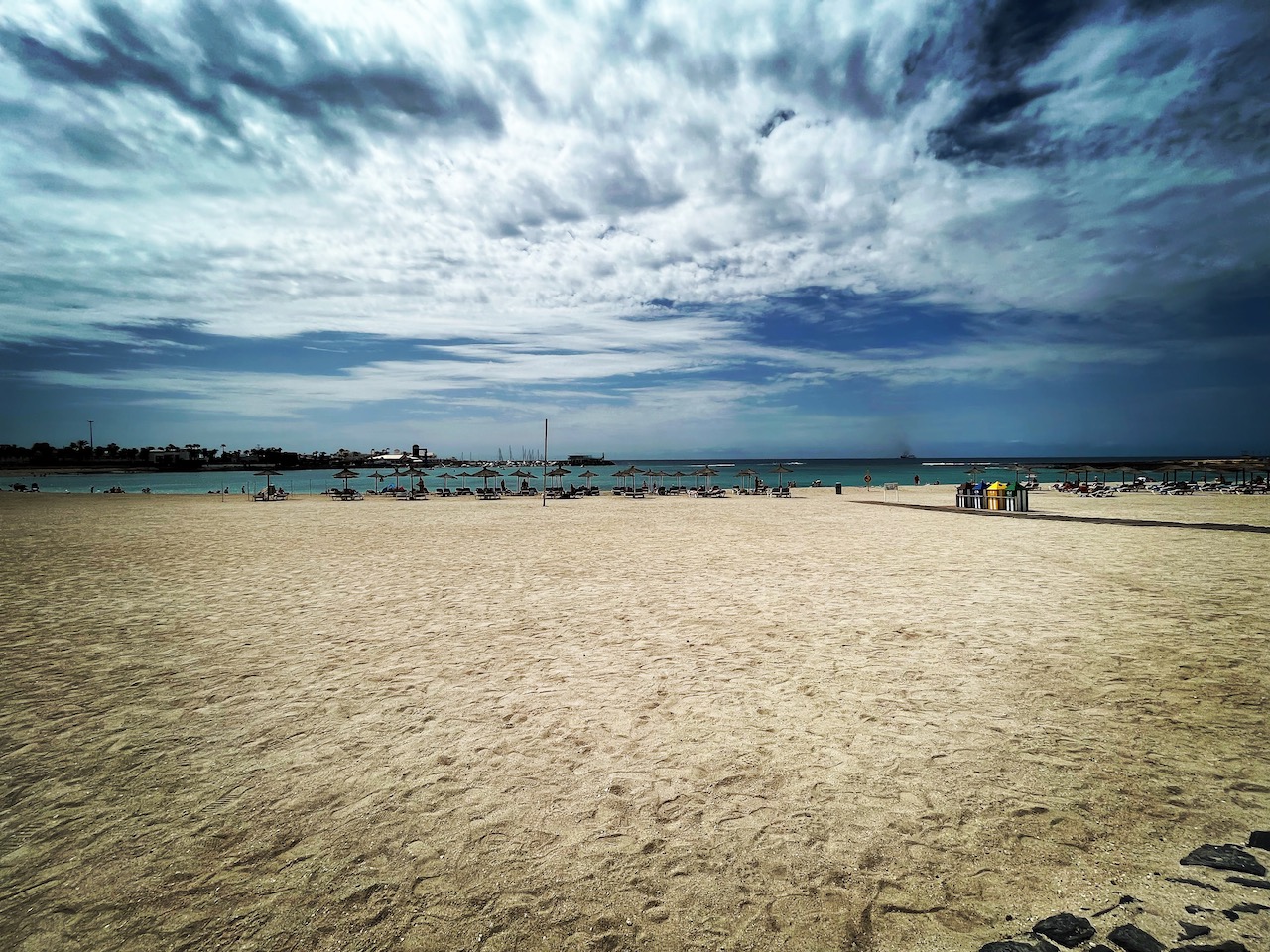
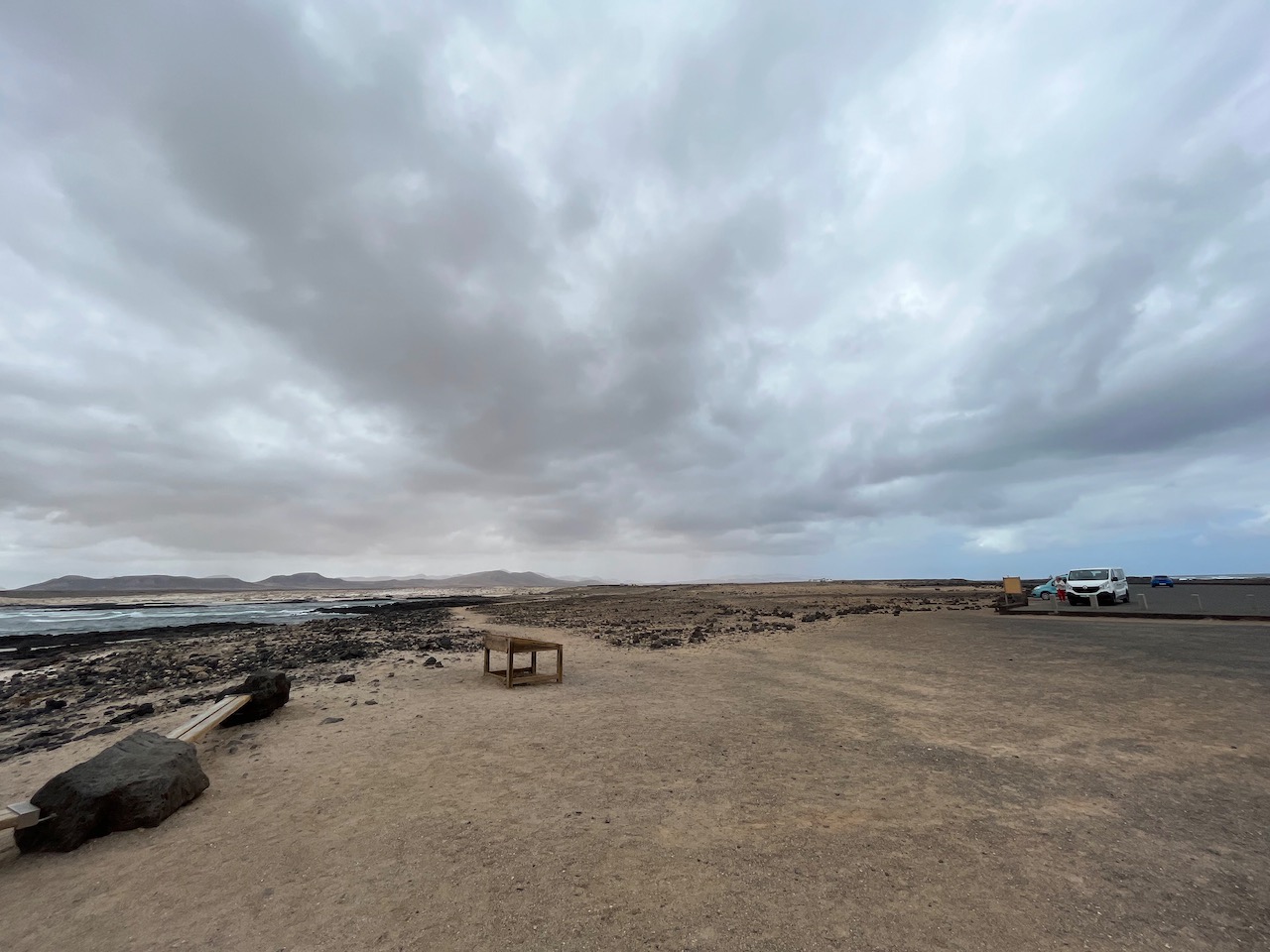
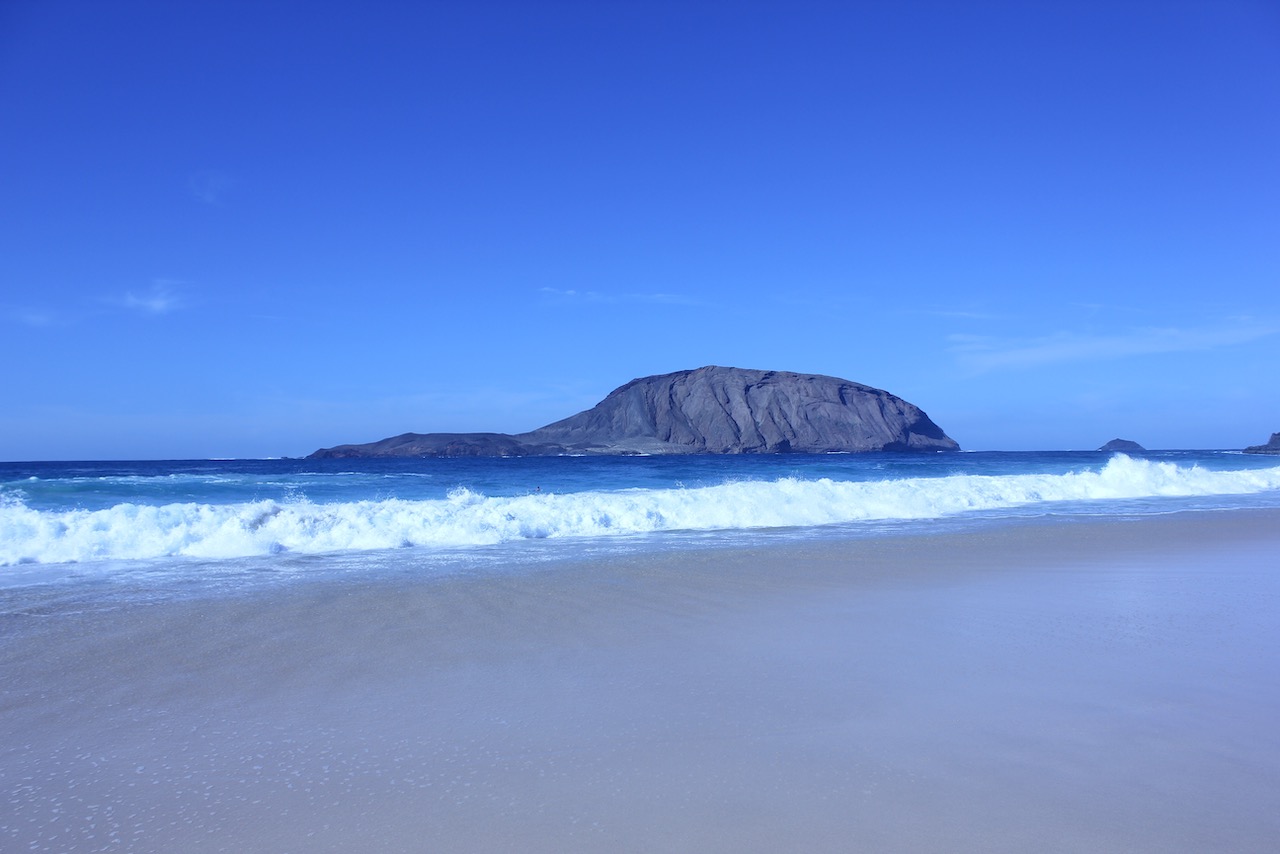
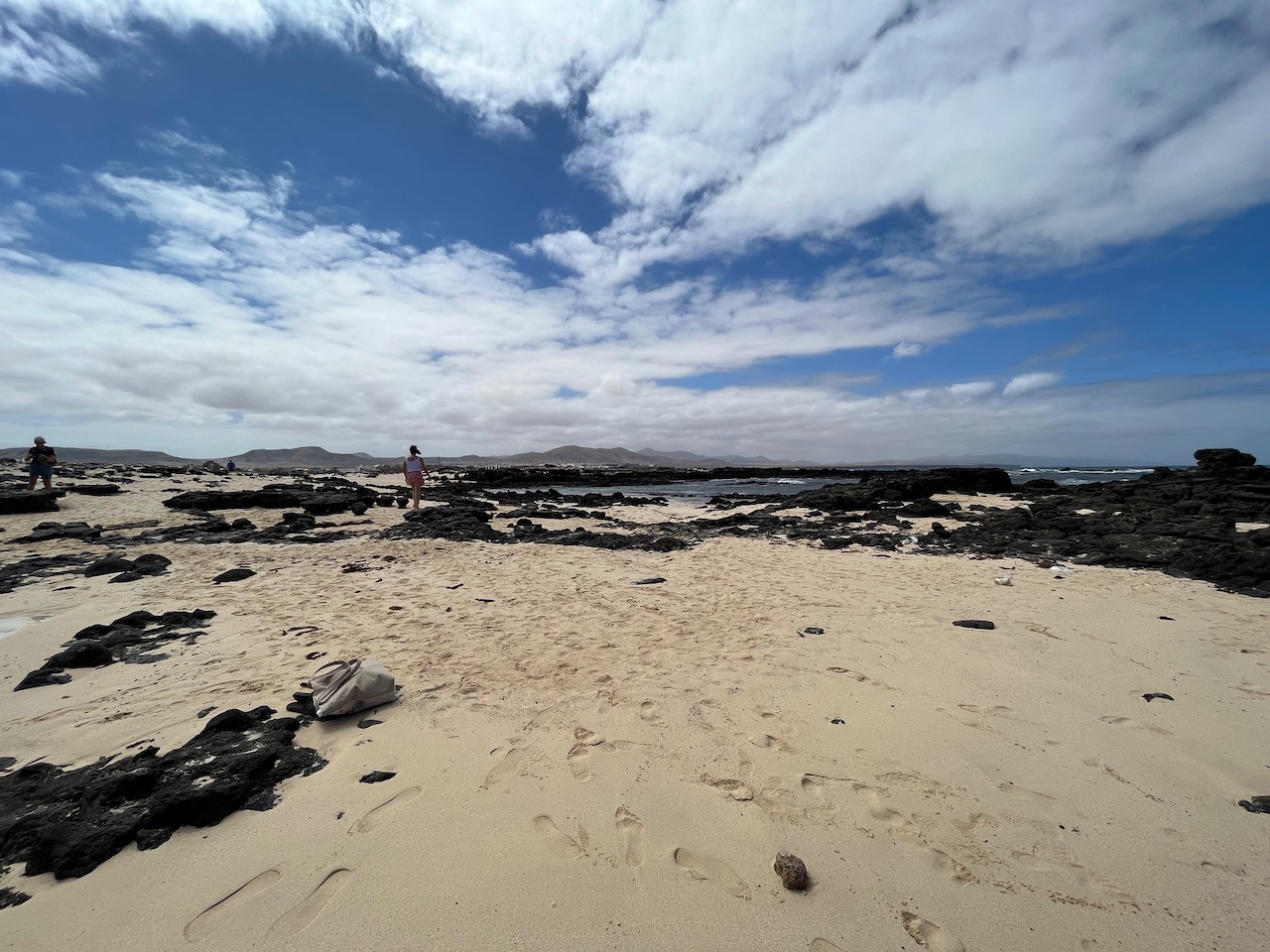

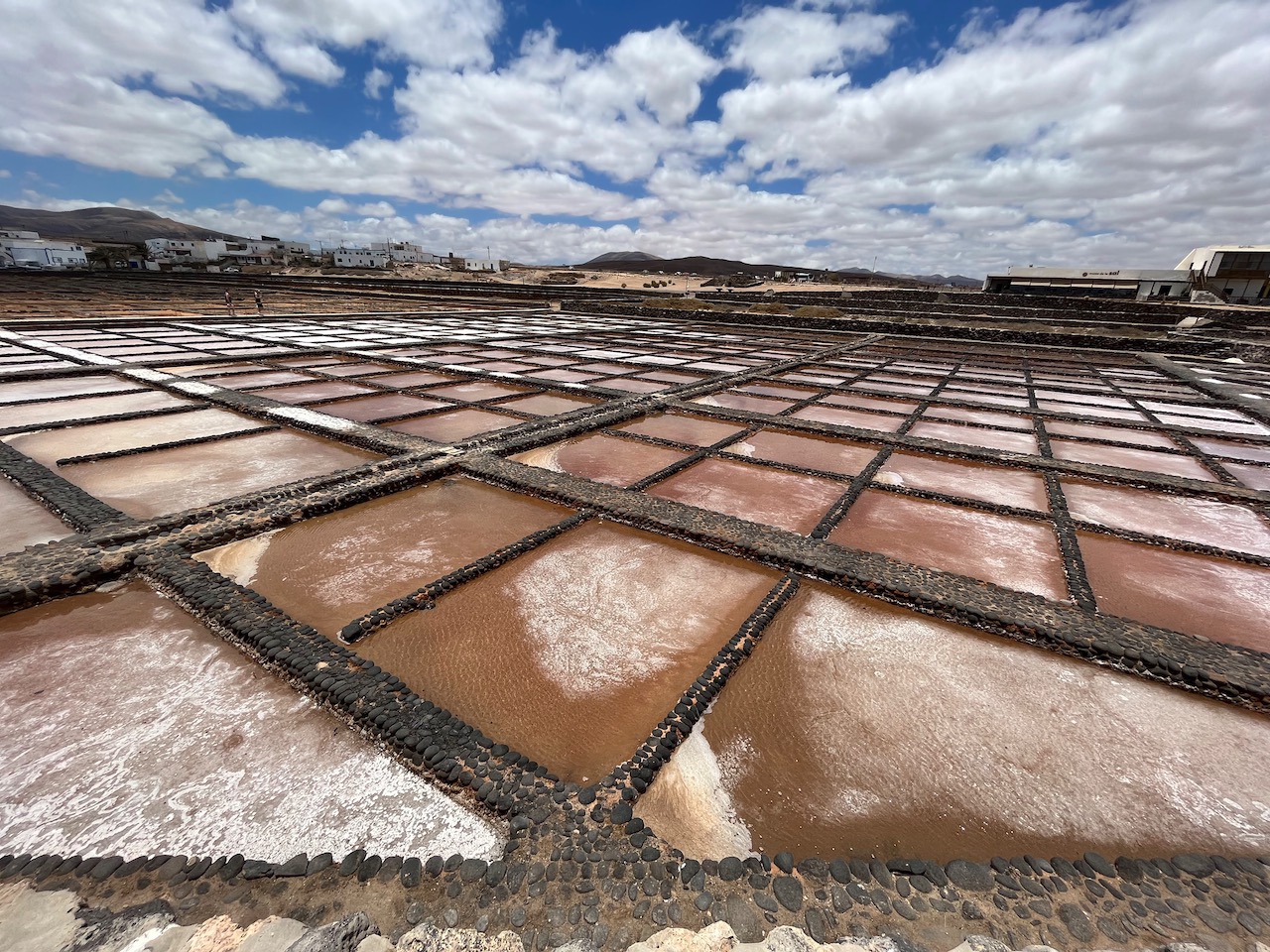
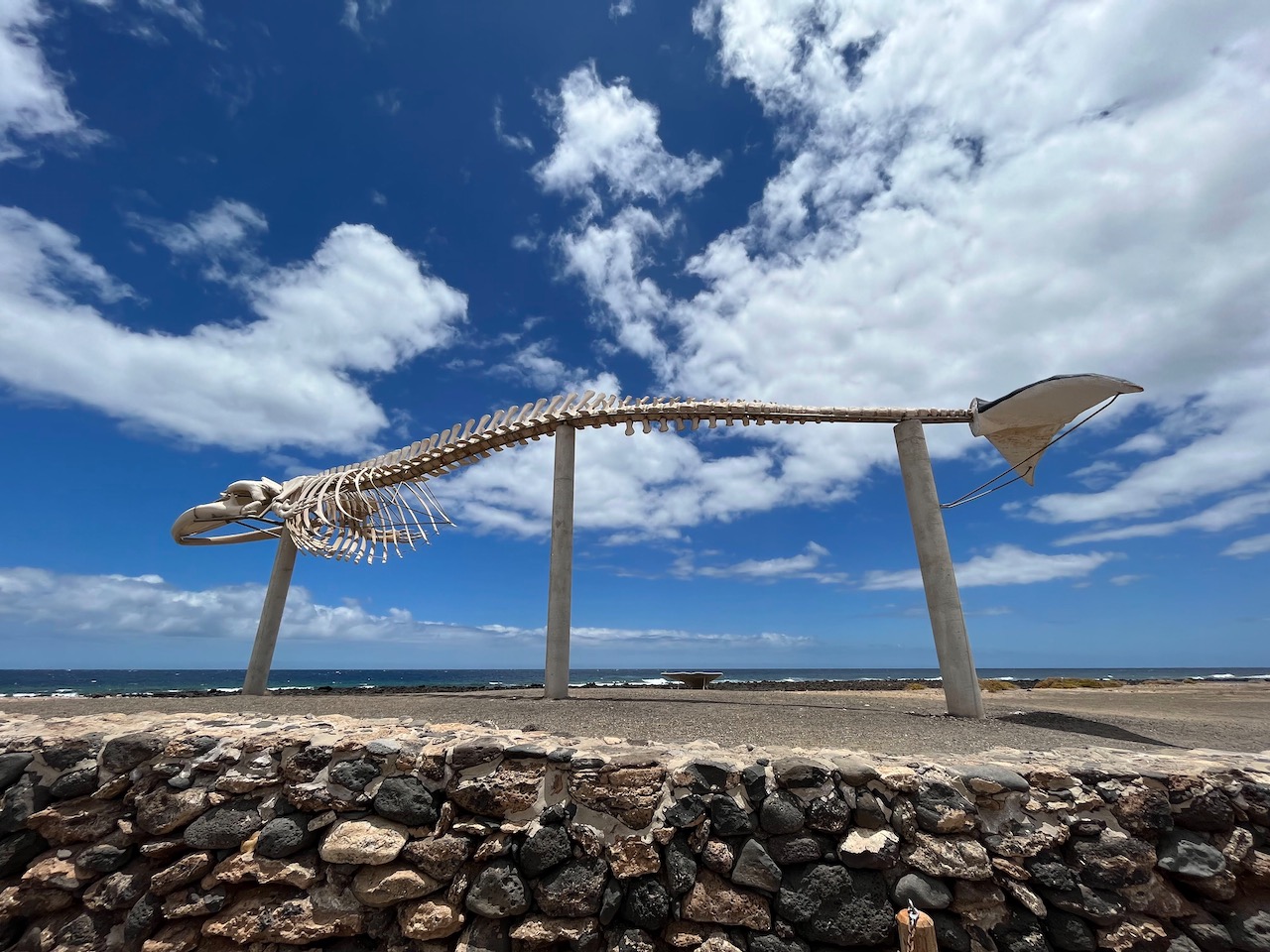
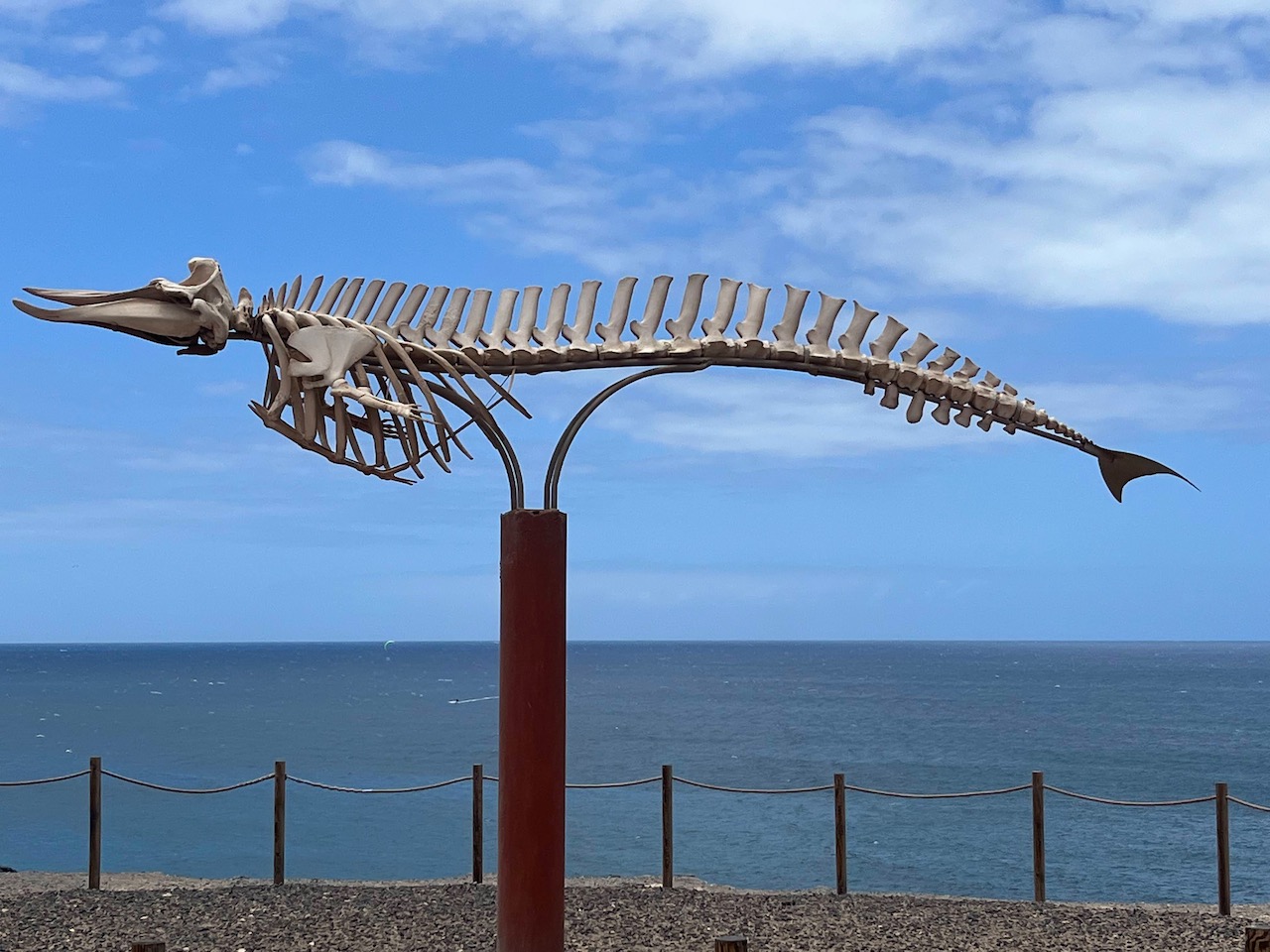
The Canaries are an archipelago of seven islands and are closer to Africa than to Spain. What is probably lesser known is the history of the Islands before they were colonised. Tourists generally do not go to the Canary Islands for their heritage and history, yet the volcanic lunar landscape is stark and oozing with untold stories. I’ve been to two of the Islands, Lanzarote, and Fuerteventura, both during off-peak times. On those occasions, away from bustling grounds, I have found the landscape to be simply captivating. The barrenness draws you in, but the sea fills you hope and energy. Photographs taken there can be divided into colour pallets of black, blue, and white. Barely anything grows, except the now-abundant aloe vera plant, cultivated for its multiple benefits. The wild tropical climate is ideal for this succulent plant, which originates from the Arabian Peninsula. Indeed, it is most likely that the plant arrived in places like Lanzarote with the Arab merchants and travellers.


Before the relatively recent development of the islands as hyped tourist destinations, there is a darker history. It is here in these islands that the overseas colonial empires by the Europeans started taking shape and the first conquest of an ancient civilisation by the Spanish took place in the early 15th century. The conquistadors came here, and refined their tactics, which they then used to colonise the Americas, providing a template for others to use in the colonisation and destruction of indigenous peoples. The, the documentary, ‘Spain’s First Colony: The Conquest of The Canary Islands’, refers to these islands as the birthplace of the conquistador and the death of the Guanche people, the indigenous inhabitants of the Canary Islands who became extinct by the 17th century.
Mohamed Adhikhari (2017) argues that the Canary Islands were the scene of “Europe’s first overseas settler colonial genocide.” Adhikhari writes:
“Enslavement and deportation, which went hand in hand, accounted for the largest number of victims and were central to the genocidal process. They were in effect as destructive as killing because the victims, generally the most productive members of their communities, were permanently lost to their societies. Child confiscation, sexual violence and the use of scorched earth tactics also contributed to the devastation suffered by Canarian peoples. After conquest, the remnants of indigenous Canarian societies were subjected to ongoing violence and cultural suppression, which ensured the extinction of their way of life. That the enslavement and deportation of entire island communities was the consciously articulated aim of conquerors establishes their “intent to destroy in whole,” which is the central criterion for meeting the United Nations Convention on Genocide’s definition of genocide.”
Going back to the radio programme, it seems that the people of the Canaries are beginning to delve deeper into their own past and talk about the troubled and erased history of the Islands. There is a soon to be opened visitor centre located at Zonzamas, an archaeological site where the last indigenous ruler of Lanzarote had his palace. Beyond the popularity of the sun and sand, the Canaries are a fascinating group of islands, and although not much, it is encouraging to see a more critical excavation of the Islands and the people before the Europeans invaded and made them extinct.
Mohamed Adhikari (2017) ‘Europe’s First Settler Colonial Incursion into Africa: The Genocide of Aboriginal Canary Islanders’, African Historical Review, 49:1, 1-26.
For those interested, you can listen to the progamme: The Canary Islands were well known to ancient civilisations of the Mediterranean. There are accounts of Phoenicians, Greeks and Carthaginians all reaching the islands, as they hunted for valuable plants which were sources of red dye for fabrics. These days, the islands belong to Spain and among them is Lanzarote – a popular destination for European sun-seekers. But beyond its tourist hotels and restaurants, Charles Emmerson stumbled across the origins of one modern European empire.
Read more about Zonzamas, Lanzarote’s ancient towns.
Spain’s First Colony: The Conquest of The Canary Islands:
 BAGICHA