The Shahi Hammam is also known as the Wazir Khan Hammam. This is a Persian-Style bath, located in the heart of the Walled City of Lahore and close to Delhi Gate. It was built in 1634 and has recently be restored to expose the full glory and extent of the Hammam. It appears to be attracting many tourists and if you find yourself in the Walled City, this place is definitely worth a trip. The restoration work was done by Aga Khan Trust for Culture and the Walled City of Lahore Authority between 2013 and 2015. Funding also came from the Government of Norway.
Tag Archives: history
History and Nostalgia: Pakistan’s “golden era”
In recent years there have been a number of articles which have explored the visual representation of a so-called “golden-era” of Pakistan. Nadeem F. Paracha[i] has been at the forefront with his attempts to show a Pakistan which many would struggle to recognise today. Just recently there was an article by Ally Adnan in The Friday Times which explored the history of Eid greeting cards via the writer’s own experiences;[ii] a more compelling and detailed account of vintage Eid greeting cards and their origin has been done by Yousuf Saeed.[iii] And then there was a short pictorial essay by Amna Khawar[iv] on vintage travel posters capturing the romantic side of Pakistani tourism. Many of these images relate to the 1950s and 1960s.
As a historian I have been thinking about these articles along with my own research, which has been exploring women’s representation in public spaces in the formative years of Pakistani history, especially the women who worked for PIA. I have been fascinated with the role of nostalgia and how this has been shaping the popular imagination in recent years. The pictures collectively evoke a period that is seen as being more liberal, tolerant of ‘others’, modern, sassy, energetic, optimistic and laced with a sprinkling of the colonial hangover. An early example of this is an ad by PIA from 1960, with the tag line “Move with the times.”[v] PIA was one of the leading brand ambassadors for Pakistan and combined with the emergence of the jet-age there was a growing tourism industry that is virtually non-existent now.
More broadly, and used a source, these images also depict the changes that have taken place in Pakistan and how these are reflected in society. While much has been written about the history of Pakistan, this has largely tended to focus on the political issues, ideological debates, economic concerns or the political leadership. Rarely do we get to glimpse history through the prism of the societal and cultural changes taking place. The ordinary lived experiences of people, especially women, rarely get coverage in the official histories, which are more concerned with the high politics. Yet, if we start to scratch around the pages of old newspapers, magazines, folklore, literature, and personal narratives, there are many untold stories waiting to be explored and unearthed.
So why this fascination now? There are a number of factors converging at the moment which are in many ways compelling commentators and writers to re-visit this history. The political changes and gradual encroachment of religious conservatism in Pakistan makes us want to explore alternative national histories. This is almost a reaction to the current political climate, which has rendered many helpless in their attempt to preserve a more secular and liberal vision of Pakistan, which was seen to be more prevalent in the early years of Pakistani history.
The distortion of history, both intentionally and now as a default position because the effect has been so pervasive, has helped to re-write how we understand and analyse the early history of Pakistan. This has been a gradual process but I would argue something that started especially after the break-up of Pakistan in 1971. The reaction, to the split was an attempt to force greater unity amongst the people and consequently more religiosity was prescribed to keep the nation from further fragmentation. This rather dogmatic approach meant a more exclusive understanding of Pakistani identity which frowned upon anything that deviated from the acceptable norms of the state-view.
The 1970s were also importantly a watershed for Pakistan because a number of factors converge together. The power of the petro-dollars and Saudi Arabia, the state-sponsored Islamisation during the Zia period, the rise of the pan-Islamic identity, the Russian invasion of Afghanistan, American interests in Pakistan, coupled with the break-up of Pakistan at the start of the decade result in a nation that was seeking a new identity. The response was almost an attempt to finally break away from the shackles of imperialism and create a new post-colonial nation. The replacement however, has seen this being replaced by a different form of colonialism, one that relies heavily on Saudi Arabia and ironically a dichotomous relationship with America.
Pakistan has thus undergone vast amount of change during the past forty years. Within all this change, which has been confused and contradictory at times, there is sentimentality and nostalgia for a period that seems so distant. The era of the 1950s and 1960s when, women were optimistic of their role in the nation-building project, and were visible in public spaces; economic prosperity offered hope for the future; a young nation looking and embracing internationalism; and the buoyancy and optimism of independence still reverberating. The reality may have been different but memory is quite subjective and revisionist. But sixty-eight years on, the optimism and expectations have somewhat dampened and have been replaced by cynicism, lack of faith in the state apparatus to deliver the basic needs for its people and an religious-ideological schism which is pulling people apart.
So it is within this context that increasingly there is a re-evaluation of trying to understand that period. It is in a sense a desperate attempt to hang on to a past that will be familiar to many but more radically it offers a space in which a nation is still trying to define itself. These cultural and social spaces are powerful, just as the margins are; so within these confines there is an opportunity to construct and revise a history that has become so distorted. Indeed History is never static; it is continually changing and is shaped by the present. Similarly, memory is equally revisionist and it is the fragility of the present, which compels many to seek answers in the past and contextualise this history in the present. By exploring these alternative spaces and histories of our collective past, we can perhaps better understand and hope for a more compassionate future.
[i] Nadeem F. Paracha, ‘Also Pakistan’, Dawn 9 Feb 2012. http://www.dawn.com/news/694239/also-pakistan-2
[ii] Ally Adnan, ‘I Love Eid Cards’, The Friday Times, 25 July 2014. http://www.thefridaytimes.com/tft/i-love-eid-cards/
[iii] Yousuf Saeed, ‘Cross-cultural Image Exchange in Muslim South Asia’, Tasveer Ghar: A Digital Archive of South Asian Popular Visual Culture. http://tasveergharindia.net/cmsdesk/essay/117/
[iv] Amna Khawar, ‘Vintage Travel Poster Capture Pakistan’s Romantic Side’, Medium, 14 August 2014. https://medium.com/@amnak/vintage-travel-posters-capture-pakistans-romantic-side-95b5b8090909
[v] The advert appeared in the magazine, Pakistan Quarterly, Spring 1960.
A version of this article appeared in The News on Sunday [link: http://tns.thenews.com.pk/recovering-history-through-nostalgia/#.WJsT7BBpZE5%5D
Gurdwara Panja Sahib
Gurdwara Panja Sahib, Hasan Abdul, Pakistan, 2004. The gurdwara is revered because it has the presence of a rock believed to have the hand print of Guru Nanak.
Poetry Corner: Lahore
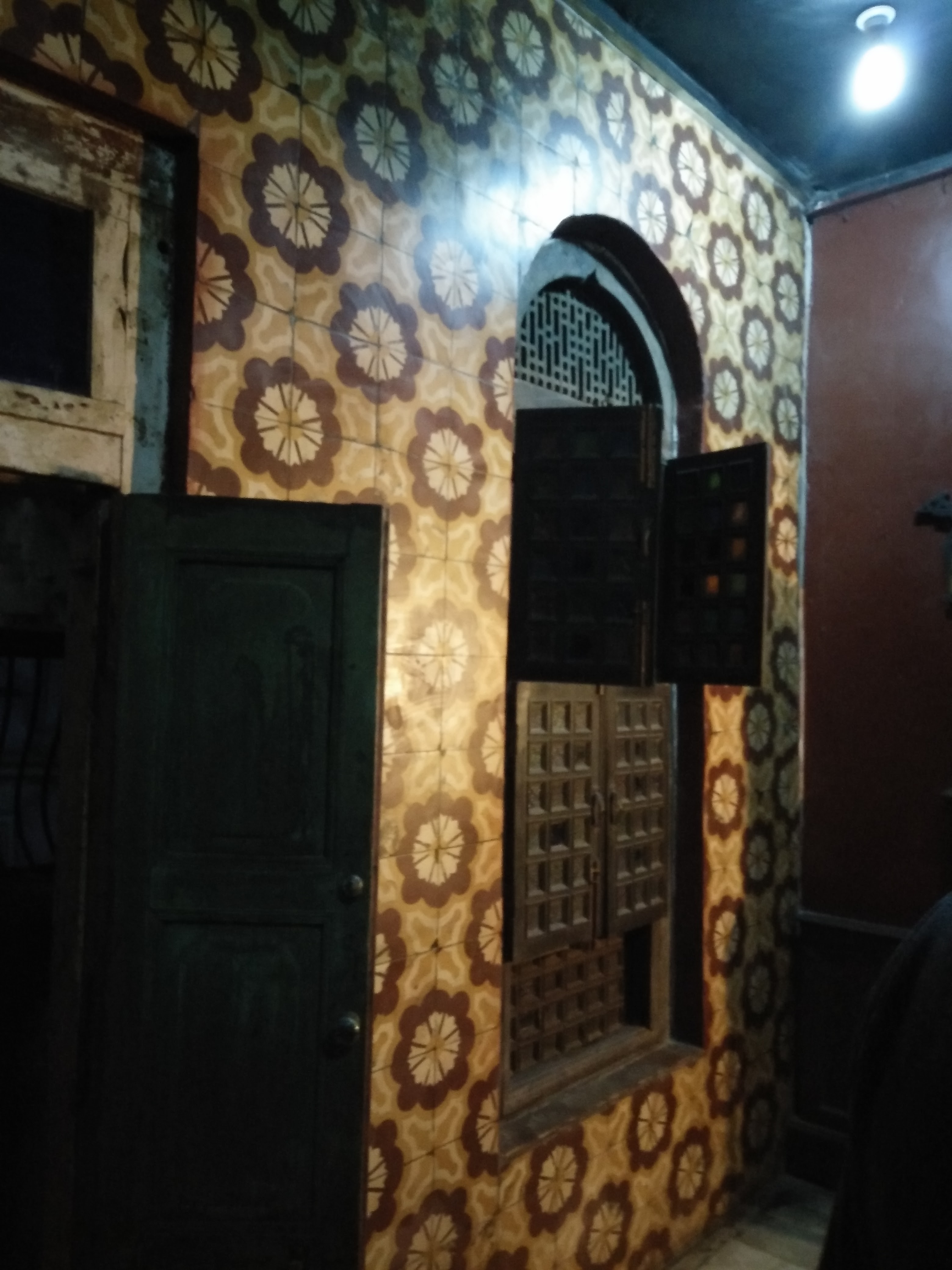
Cuckoo’s Den © 2019 Pippa Virdee 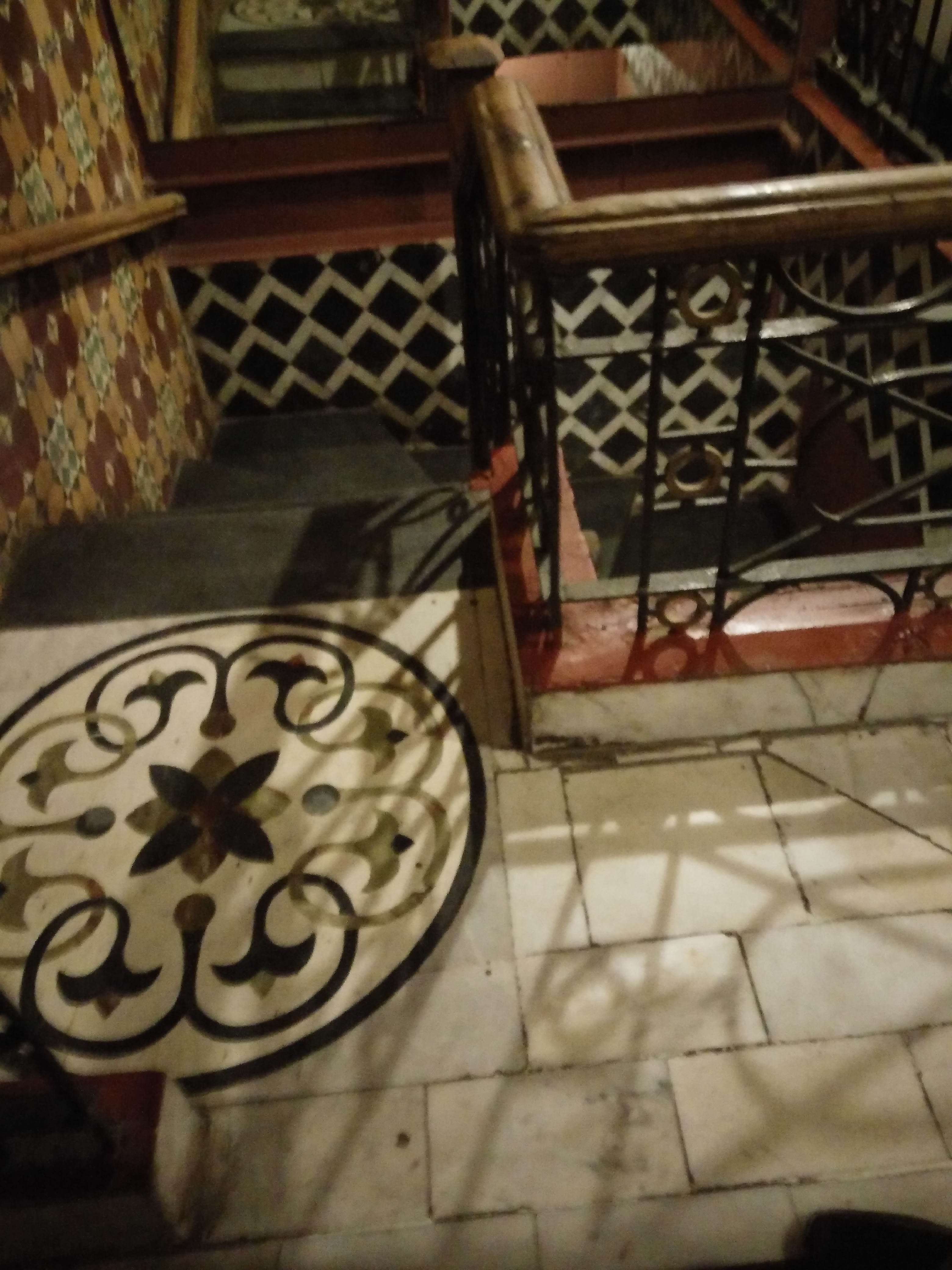
Cuckoo’s Den © 2019 Pippa Virdee 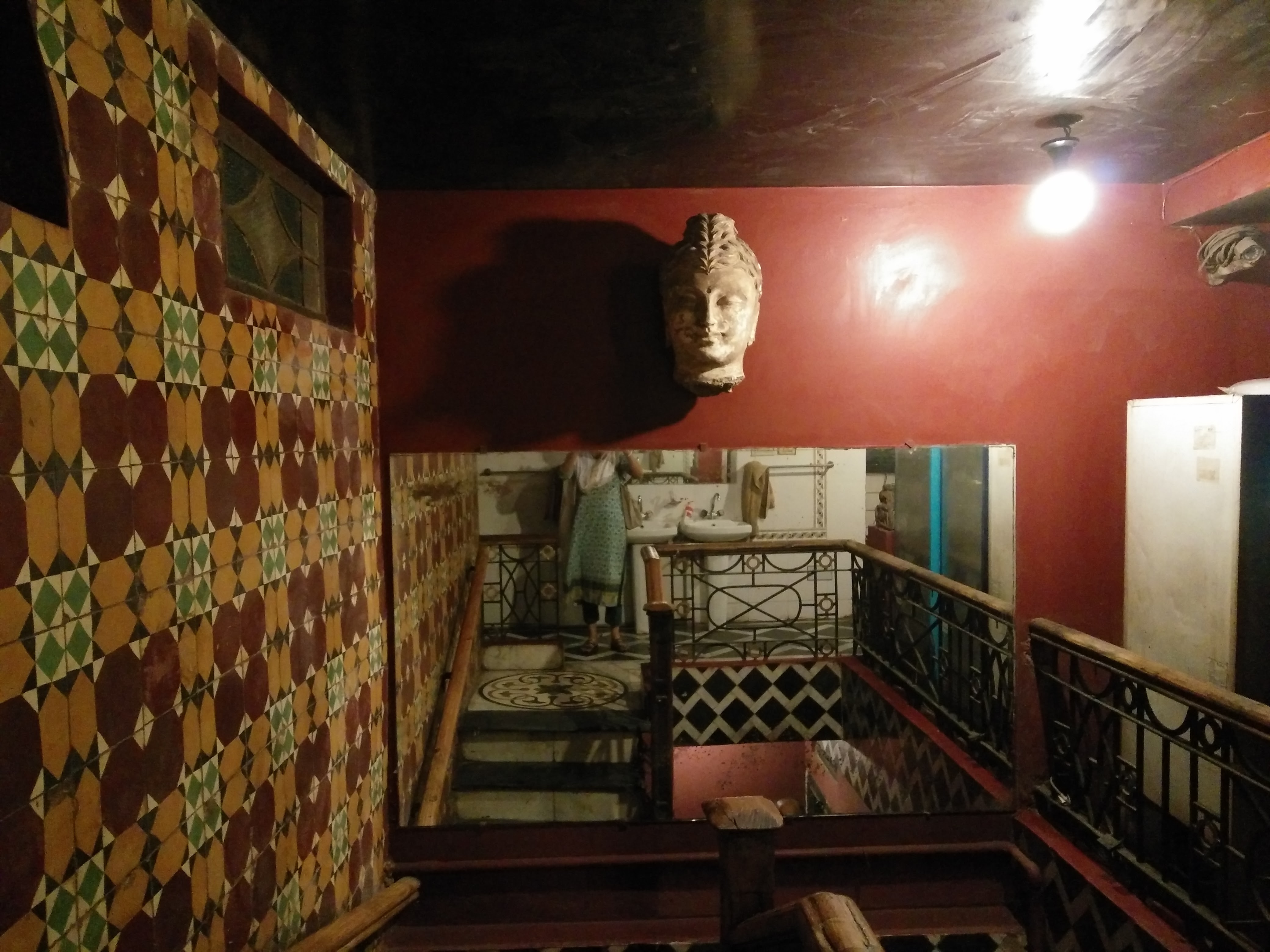
Cuckoo’s Den © 2019 Pippa Virdee 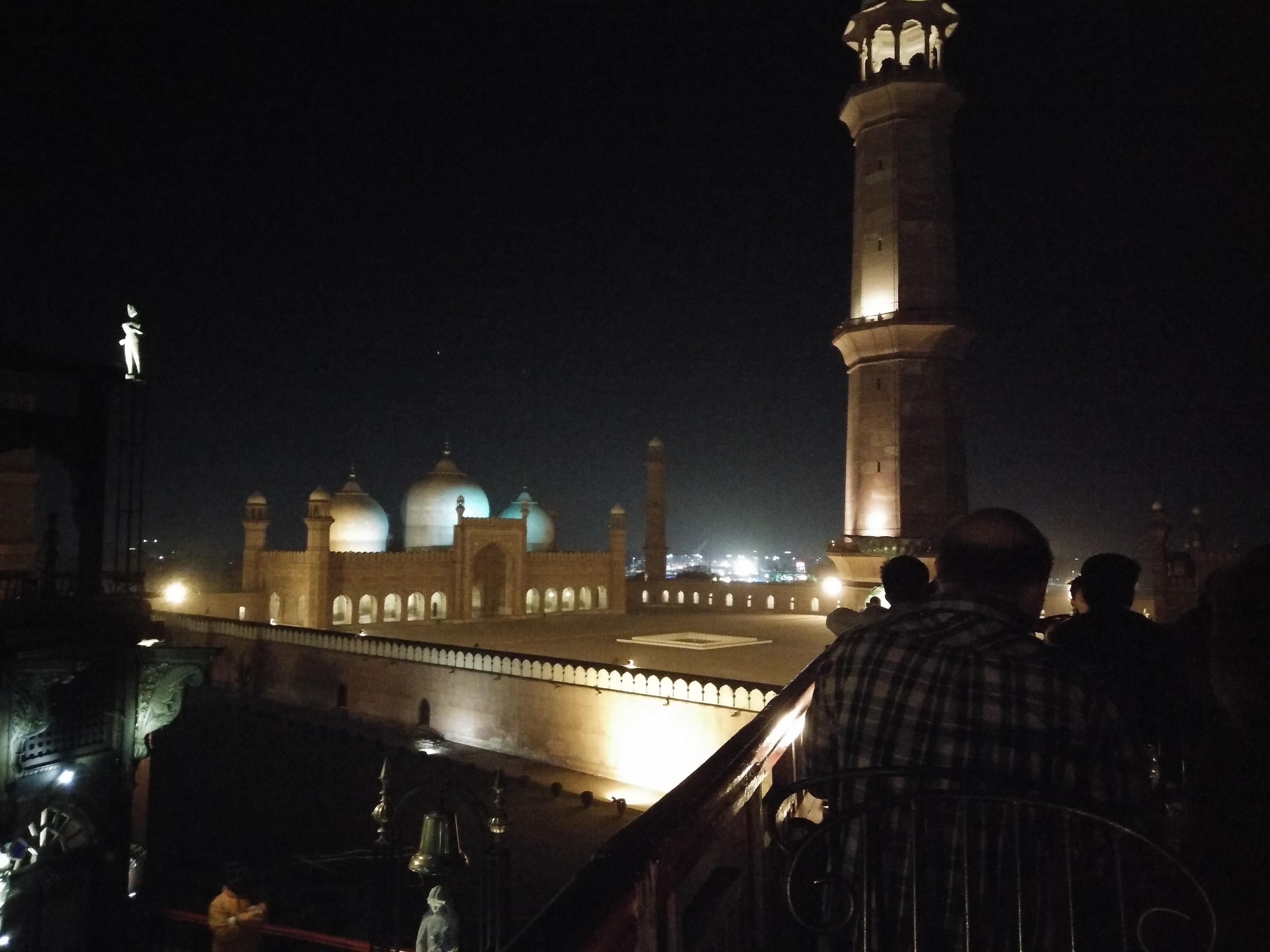
View of Badshahi Masjid. © 2016 Pippa Virdee
Daal dus khaan shehar lahore e ander
(Tell me, in the city of Lahore)
Bai kinnein boohey tay kinnian barian nein
(How many doors and windows are there?)
Naley Das Khaan aothon dian ittaan
(Tell me also about its bricks.)
Kinnian tuttian tay kinnian saaran nein
(How many are still firm, and how many lie broken?)
Daal dus khaan shehr Lahore e Andar
(Tell me, inside the city of Lahore)
Khooian kinnian mithian tey kinnian khaarian nein
(How many wells have fresh water and how many are ruined with salt?)
Zara soch key dewien jawaab meinoon
(Think carefully before you answer.)
Aothey kinnian viyaeyan tay kinnian kunvarian nein
(How many are married and how many single?)
Daal Dassaan mein shehr lahore e ander
(I will tell you what lies in the city of Lahore.)
Bai lakhaan boohey tay lakhaan e baarian nein
(There are millions of doors and millions of windows.)
Jinnaan Ittaan tay tahar gaey paer aashiq
(The bricks burn in the memory of lovers’ footsteps.)
O heoon Tuttian tay baqi saarian nein
(Only those lie broken.)
Jinnaan Khooian toun paher gaey mashooq paarrien
(Only wells that quench a lover’s thirst)
Jerian behendian apnein naal sajraan dey
(Only those who sit with their lovers)
O heon viyaiyan teh baaqi kunvarian nein
Haji lok makkey nun jandey
(Pilgrims go to Mecca)
Mera ranjha mahi makkah
(My beloved Ranjha is my Mecca.)
Nein main kamli aan
(O! I am crazy)
Nein main kamli aan
(O! I am crazy)
Haji lok makkey nun jandey
(Pilgrims go to Mecca)
Mera ranjha mahi makkah
(My beloved Ranjha is my Mecca.)
Nein main kamli aan
(O! I am crazy)
Nein main kamli aan….
(O! I am crazy)
Ho Kajjal da ki pawana
(What is the use of wearing kohl)
Keh jeda athro wagan rurh jawey
(Which is washed away with streaming tears?)
Kach da key pehnana
(Why wear glass)
Jera Thece Lagey Tutt Jawey
(Which can shatters with a nudge?)
Rung da key Lawaran
(Why bother putting on color)
Keh Jera Boond Pawey Khurr Jawey
(That would melt away with every drop?)
Aashiq Noun Key Maarran
(Why bother killing the lover)
Keh Jera Cheherk Dawey Mur Jawey
(When he would die with the thought of your anger?)
Nein Mein Kamli Aan O!
(I am crazy indeed)
Nein Mein Kamli Aan O!
(I am crazy)
Ho Mein Tan Mung Ranjhan Di Hoean To Ranjha
(I am betrothed)
Mera Babul Dainda e Thaka
(My father pushes me)
Nein Main Kamli Aan
(O! I am crazy)
Nein main Kamli Aan
(O! I am crazy)
Nein Main Kamli
(O! I am crazy)
Jey Rab milda nahatian tohotian
(If God was to be found by bathing)
They milda daddoan machian
(Then fish and frogs would have found Him.)
Jey Rab milda jungle bailey
(If God was to be found by roaming jungles)
Tan milda gaoan wachian
(Then cows and calves would have found Him.)
Jey Rab milda wich maseetee
(If God was to be found in Mosques)
Tan Milda Chaam Charikian
(Then bats would have found Him.)
Bullia Rab aonan nu milda bullia!
(He is only found by those)
Bhai neetaan jinhan dian sachian
(Who are pure at heart.)
Nein Mein Kamli Aan
(O! I am crazy)
Parh Parh main hazaar kitabaan
(Yes, you have read a thousand books)
Kitabaan…
(Books…)
Parh Parh im hazaar kitabaan
(Yes, you have read a thousand books)
Kadee Aprain Aap Noun Perhia Nahein
(But you have never read your own self)
Jaan Jaan Warrdey Mandar Maseetee
(You rush to temples and mosques)
Kadee Mun Aprrain wich Warian Nahein
(But you never tried to enter your own heart)
Aewein Larrnaein Shaitaan Dey Naal Bundia
(All your battles with Satan are lost)
Kadee Nafs Aprrain Naal Larria Nahein
(For you have never tried to fight your own desires)
Aakhay Peer Bulleh Shah
(Saint Bulleh Shah says)
Aakhay Peer Bulleh Shah Aasmaani Pharr naen
(Saint Bulleh Shah says you try to touch the one in the sky)
Aakhay Peer Bulleh Shah Aasmaani Pharr naen
(Saint Bulleh Shah says you try to touch the one in the sky)
Allah…
Nein mein Kamli Aan
(O! I am crazy)
Nein mein Kamli Aan
(O! I am crazy)
Source: http://lyricsdna.com/songs/lyrics/kamlee-hadiqa-kiani-coke-studio-5
Lyrics: Bulleh Shah Singer: Hadiqa Kiani: Coke Studio, 2008
 BAGICHA