Category Archives: Poetry Corner

Mottled Dawn – Subh-e Azadi

© 2020 Pippa Virdee

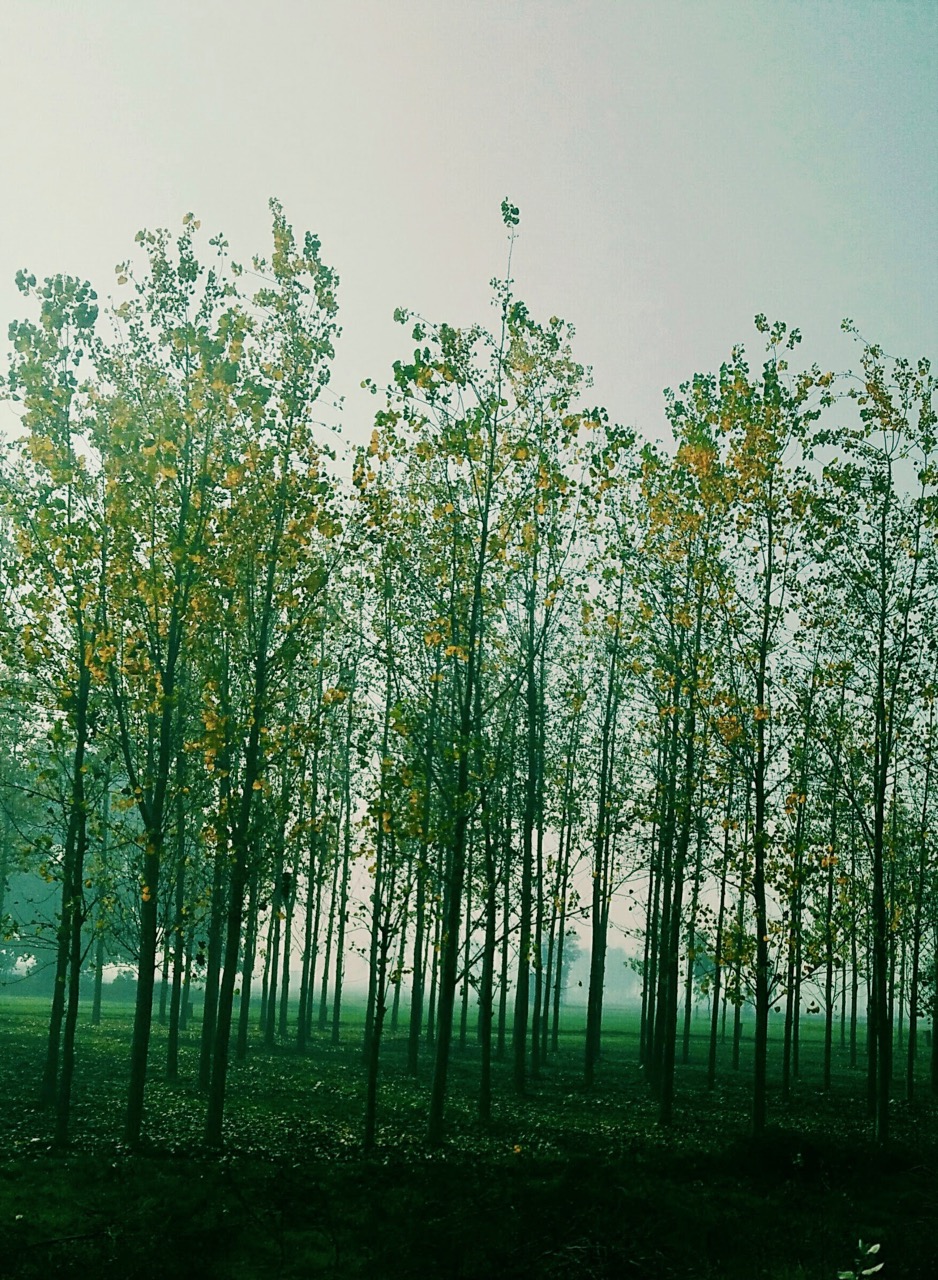
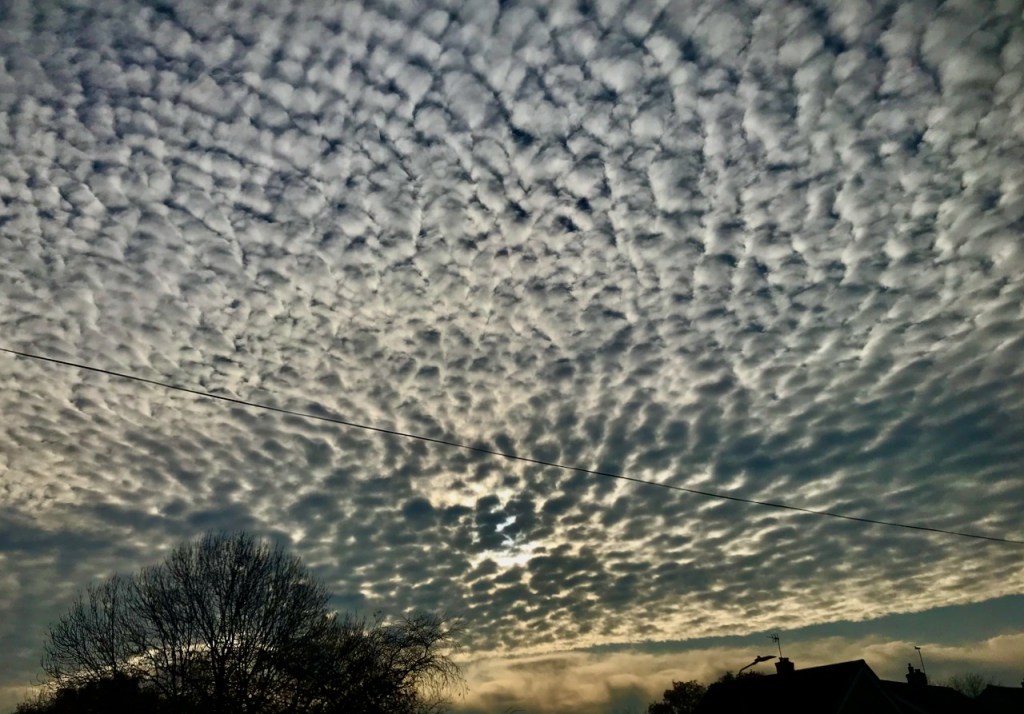
This post is inspired by the sky outside, which immediately reminded me of Manto’s Mottled Dawn. Saadat Hasan Manto, born in Samrala, Ludhiana, is considered one of the most iconic Urdu writers of the twentieth century. He lived in Bombay until 1948 and worked as a successful screenplay writer for the film industry, but even he finally relented and left India for Pakistan. Khalid Hasan writes, “Manto left Bombay, a city that he loved and a city that he yearned for until his dying day, soon after Partition. He felt deeply disturbed by the intolerance and distrust that he found sprouting like poison weed everywhere, even in the world of cinema. He could not accept the fact that suddenly some people saw him not as Saadat Hasan but as a Muslim.” Mottled Dawn: Fifty Sketches and Stories of Partition (Intro. Daniyal Mueenuddin and trans. Khalid Hasan, Penguin Modern classics), brings together stories of dark humour and horror, powerfully capturing the tragedy of Partition. The book begins with the opening lines of Faiz Ahmed Faiz’s Subh-e Azadi – Mottled Dawn.

Below is the full poem by Faiz, courtesy of Penguin.

Subh‐e Azadi
Yeh daagh daagh ujaalaa, yeh shab gazidaa seher
Woh intezaar tha jiska, yeh woh seher to nahin
Yeh woh seher to nahin, jis ki aarzoo lekar
Chale the yaar ki mil jaayegi kahin na kahin
Falak ke dasht mein taaron ki aakhri manzil
Kahin to hogaa shab-e-sust mauj ka saahil
Kahin to jaa ke rukegaa safinaa-e-gham-e-dil
 
Jawaan lahu ki pur-asraar shahraahon se
Chale jo yaar to daaman pe kitne haath pade
Dayaar-e-husn ki besabr kwaabgaahon se
Pukaarti rahi baahein, badan bulaate rahe
Bahut aziz thi lekin rukh-e-seher ki lagan
Bahut qareen tha haseenaa-e-noor ka daaman
Subuk subuk thi tamanna, dabi dabi thi thakan

Suna hai, ho bhi chukaa hai firaaq-e-zulmat-o-noor
Suna hai, ho bhi chukaa hai wisaal-e-manzil-o-gaam
Badal chukaa hai bahut ehl-e-dard ka dastoor
Nishaat-e-wasl halaal, o azaab-e-hijr haraam

Jigar ki aag, nazar ki umang, dil ki jalan
Kisi pe chaaraa-e-hijraan ka kuch asar hi nahin
Kahaan se aayi nigaar-e-sabaa, kidhar ko gayi
Abhi charaag-e-sar-e-raah ko kuch khabar hi nahin
Abhi garaani-e-shab mein kami nahin aayi
Najaat-e-deedaa-o-dil ki ghadi nahin aayi
Chale chalo ki woh manzil abhi nahin aayi
 —Faiz Ahmed Faiz

The Dawn of Freedom, August 1947
This light, smeared and spotted, this night‐bitten dawn
This isn’t surely the dawn we waited for so eagerly
This isn’t surely the dawn with whose desire cradled in our hearts
 
We had set out, friends all, hoping
We should somewhere find the final destination
Of the stars in the forests of heaven
The slow‐rolling night must have a shore somewhere
The boat of the afflicted heart’s grieving will drop anchor somewhere
When, from the mysterious paths of youth’s hot blood
The young fellows moved out
Numerous were the hands that rose to clutch
the hems of their garments,
Open arms called, bodies entreated
From the impatient bedchambers of beauty—
 
But the yearning for the dawn’s face was too dear
The hem of the radiant beauty’s garment was very close
The load of desire wasn’t too heavy
Exhaustion lay somewhere on the margin
 
It’s said the darkness has been cleft from light already
It’s said the journeying feet have found union
with the destination
The protocols of those who held the pain in their
hearts have changed now
Joy of union—yes; agony of separation—forbidden!
 
The burning of the liver, the eyes’ eagerness, the heart’s grief
Remain unaffected by this cure for disunion’s pain;
From where did the beloved, the morning breeze come?
Where did it go?
 
The street‐lamp at the edge of the road has no notion yet
The weight of the night hasn’t lifted yet
The moment for the emancipation of the eyes
and the heart hasn’t come yet
Let’s go on, we haven’t reached the destination yet
—Translated by Baran Farooqui

Caged Bird by Maya Angelou (1983)

Shaker, Why don’t you sing? by Maya Angelou (Random House, 1983), p16-17

Caged Bird

The free bird leaps
on the back of the wind
and floats downstream
till the current ends
and dips his wings
in the orange sun rays
and dares to claim the sky.

But a bird that stalks
down his narrow cage
can seldom see through
his bars of rage
his wings are clipped and
his feet are tied
so he opens his throat to sing.

The caged bird sings
with a fearful trill
of things unknown
but longed for still
and his tune is heard
on the distant hill
for the caged bird
sings of freedom

The free bird thinks of another breeze
and the trade winds soft through the sighing trees
and the fat worms waiting on a dawn-bright lawn
and he names the sky his own.

But a caged bird stands on the grave of dreams
his shadow shouts on a nightmare scream
his wings are clipped and his feet are tied
so he opens his throat to sing

The caged bird sings
with a fearful trill
of things unknown
but longed for still
and his tune is heard
on the distant hill
for the caged bird
sings of freedom.

The Spectre of Partition

IMG_20170811_162942
Wagha-Attari Border. © 2017 Pippa Virdee

Sharing a screen grab from the last page of my book From the Ashes of 1947Balraj Sahni captured the human tragedy of Partition in this poem, the spectre of which still continues to haunt us everyday. We seem to be unable to be human first.

Screenshot 2020-02-26 at 10.31.46

Hara/Green

Habib Jalib was born in 1928 in Hoshiarpur, East Punjab. He migrated to Pakistan after partition and worked as a proof reader in Daily Imroze, Karachi. Read further about him: https://www.letsstartthinking.org/Pakistan/personalities/habib-jalib.php. All his poetry is available via Rekhta. Below is the poem Bagiya Lahoo Luhan-The Garden Is A Bloody Mess. The poem is about the oppression in East Pakistan in 1971 but unfortunately it continues to resonate, even today.

Bagiya Lahoo Luhan
Haryali ko aankhen tarsen bagiya lahoo luhan
Pyar ke geet sunaoon kis ko shehar hue weeran
Bagiya lahoo luhan 

Dasti hain suraj ki kirnen chand jalaye jaan
Pag pag maut ke gehre saye jeewan maut saman
Charon ore hawa phirti hai le kar teer Kaman
Bagiya lahoo luhan 

Chhalni hain kaliyon ke seeney khoon mein lat paat
Aur nahjaney kab tak hogi ashkon ki barsaat
Dunya walon kab beeteinge dukh ke yeh din raat
Khoon se holi khel rahe hain dharti ke balwan
Bagiya lahoo luhan
The Garden Is A Bloody Mess 
Our eyes yearn for greenery
The garden is a bloody mess
For whom should I sing my songs of love
The cities are all a wilderness
The garden is a bloody mess

The rays of the sun, they sting
Moonbeams are a killing field, no less
Deep shadows of death hover at every step
Life wears a skull and bone dress
All around the air is on prowl
With bows and arrows, in full harness
The garden is a bloody mess 

The battered buds are like a sieve
The leaves drenched in blood smears
Who knows, for how long
We’ll have this rain of tears
People how long do we have to bear
These days and nights of sorrow and distress
This oppressor’s blood bath is a frolicsome play
For the mighty of the world, a mark of their prowess
The garden is a bloody mess 

Source: Revolutionary Democracy

Laal/Red

“In 1949, while in Lahore, Sahir Ludhianvi wrote a revolutionary poem, ‘Avaaz-e-Adam’ (The Voice of Man), in which ‘hum bhi dekhenge’ remains a memorable phrase. It ended on the optimistic – and one could say provocative – assertion that the red flag of communism would fly high. Pakistan had already decided to become a frontline state in Western attempts to contain Soviet Communism. It was trying desperately to convince the US that it could be a strong ally in its anti-Communism policy. Pakistan also wanted to portray itself as a trusted ally for the West, not just in South Asia but also in the Middle East. But after the poem was published, Sahir was threatened by intelligence agencies and he migrated to India. In effect, ‘hum bhi dekhenge’ came to symbolise Sahir’s farewell to Pakistan, which he felt would be a puppet of the West, and his search for sanctuary in Nehru’s India.” Source: The Wire.

© 2019 Pippa Virdee
aavaaz-e-aadam
Dabegi kab talak aavaaz-e-Aadam hum bhi dekhenge
rukenge kab talak jazbaat-e-barham hum bhi dekhenge
chalo yoonhi sahi ye jaur-e-paiham hum bhi dekhenge

dar-e-zindaan se dekhen ya urooj-e-daar se dekhen
tumhen rusva sar-e-bazaar-e-aalam hum bhi dekhenge
zara dam lo maal-e-shaukat-e-jam hum bhi dekhenge

ye zoam-e-quvvat-e-faulaad-o-aahan dekh lo tum bhi
ba-faiz-e-jazba-e-imaan-e-mohkam hum bhi dekhenge
jabeen-e-kaj-kulaahi ḳhaak par ḳham hum bhi dekhenge

mukaafaat-e-amal tareeḳh-e-insaan ki rivaayat hai
karoge kab talak naavak faraaham hum bhi dekhenge
kahaan tak hai tumhaare zulm mein dam hum bhi dekhenge

ye hangaam-e-vidaa-e-shab hai ai zulmat ke farzando
sahar ke dosh par gulnaar parcham hum bhi dekhenge
tumhen bhi dekhna hoga ye aalam hum bhi dekhenge
The Voice of Man
We too shall see till when one can suppress the voice of Adam
We too shall see till when can be stopped the angry emotion(s)
We too shall see, sure, just like this, the constant oppression.

Whether we view from the door of the dungeon or the elevation of the scaffold
We too shall see you dishonoured in the marketplace of the world
Just take a moment’s breath, we too shall see the consequences of the grandeur of Jamshed.

You too behold this vanity of power
We too shall see this by the kindness of the firm belief’s fervour
We too shall see a bend upon the dusty face that wears the jaunty headgear.

Retribution is a tradition of human history
Till when will you amass the arrows, we too shall see
We too shall see how far will you persist with your tyranny.

O sons of darkness this is the time for departure
We too shall see the morning shoulder the flag of red colour
We too shall see, you too shall have to see this clamour.

Source: ‘We Too Shall See, You Too Will Have to See This Clamour’: A Tribute To Sahir Ludhianvi by Raza Naeem, NayaDaur

Read/listen to Sahir on Rekhta

Sahir Ludhianvi – Making of Dreamer – Freudian Poet of the Indian Cinema by Anil Pundlik Gokhale. CounterCurrents.org

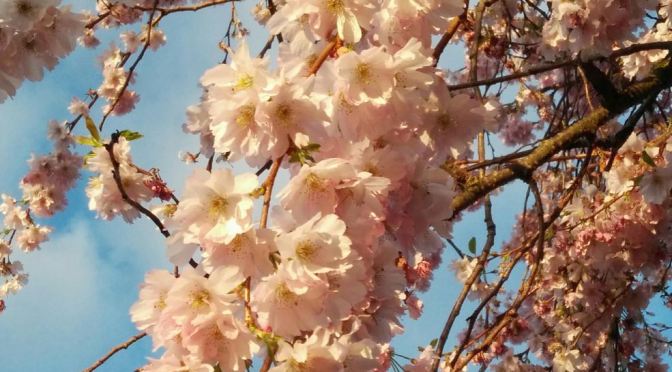
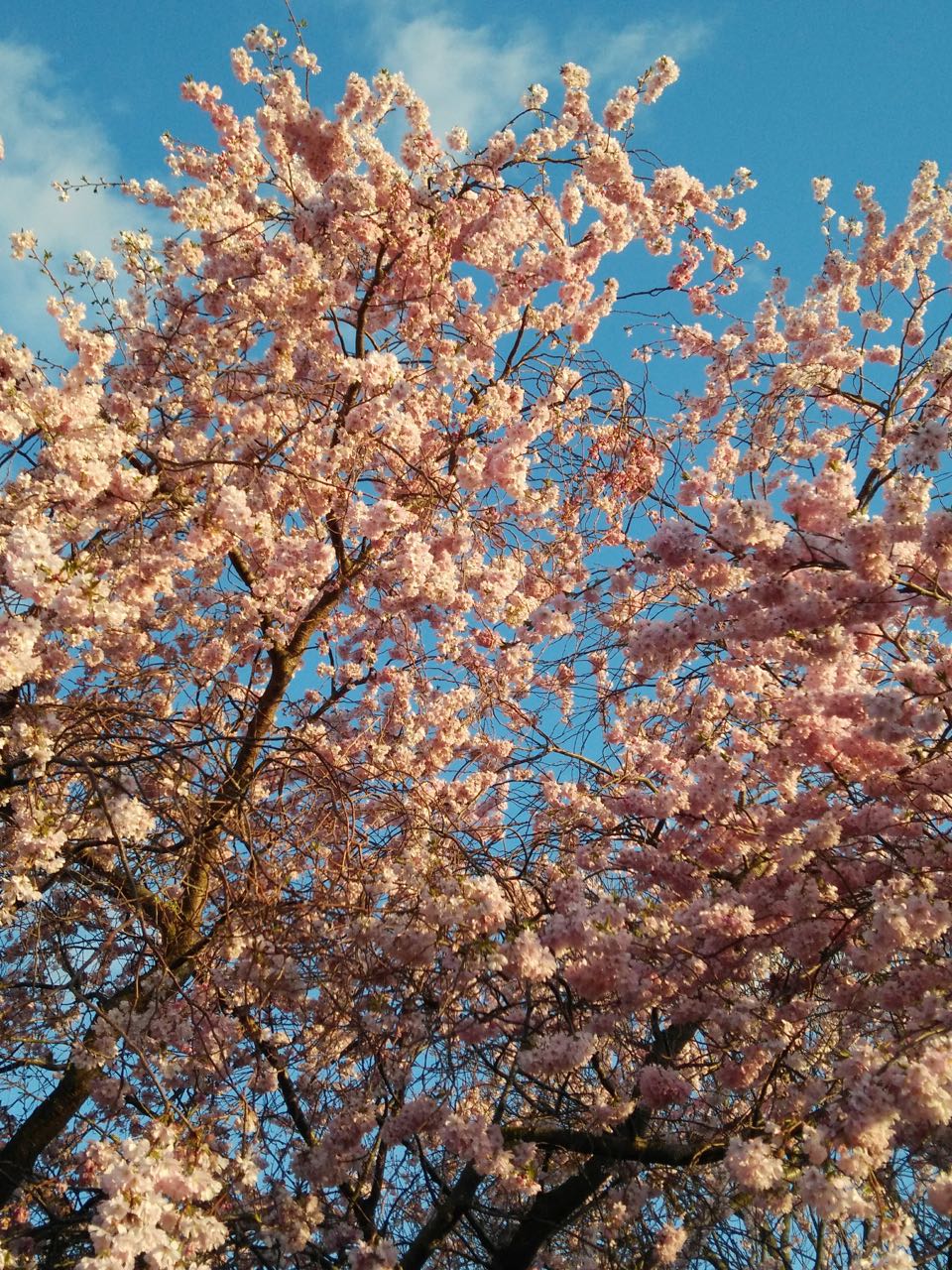
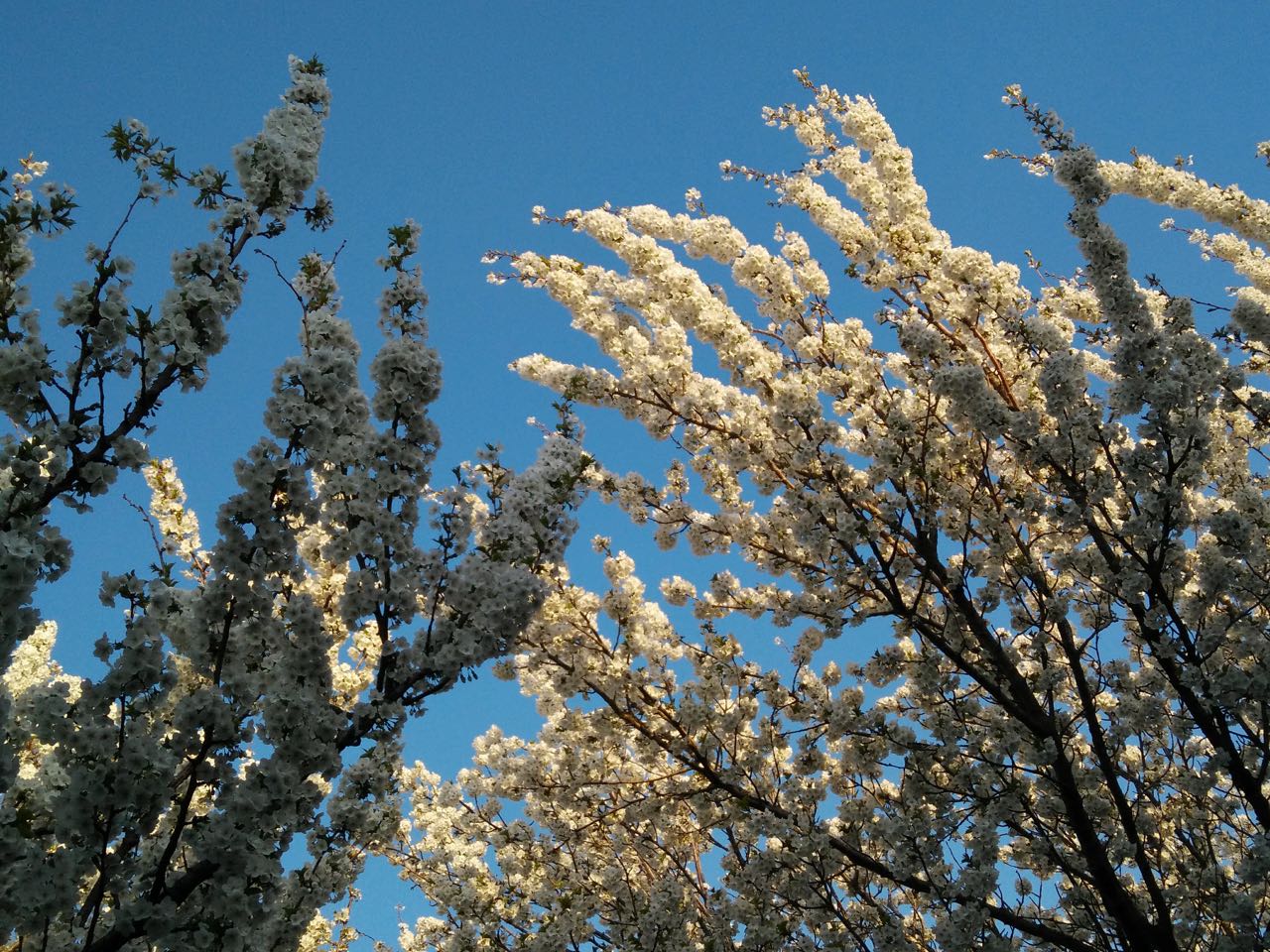
Cherry Blossom Season

Cherry Blossom

Pink Cherry blossom falling,

I often wonder why,

a beauty slowly taken

like branches now forsaken

I am the tree

that learned to cry.

Farewell my love,

to fallen love,

the wind became

your words,

the emptiness

between us,

the silent petals

upon the earth.

By Michael Faudet

Poetry Corner: The Garden of the Prophet

Trees
© 2017 Pippa Virdee

Pity the nation that is full of beliefs and empty of religion.

Pity the nation that wears a cloth it does not weave, eats a bread it does not harvest, and drinks a wine that flows not from its own wine-press.

Pity the nation that acclaims the bully as hero, and that deems the glittering conqueror bountiful.

Pity the nation that despises a passion in its dream, yet submits in its awakening.

Pity the nation that raises not its voice save when it walks in a funeral, boasts not except among its ruins, and will rebel not save when its neck is laid between the sword and the block.

Pity the nation whose statesman is a fox, whose philosopher is a juggler, and whose art is the art of patching and mimicking.

Pity the nation that welcomes it new ruler with trumpetings, and farewells with him with hootings, only to welcome another with trumpetings again.

Pity the nation whose sages are dumb with years and whose strong men are yet in the cradle.

Pity the nation divided into fragments, each fragment deeming itself a nation.

Kahlil Gibran
The Garden of the Prophet
(London, Heinemann, 1934)

Wilting blooms

My Bagichablog would be incomplete without the abundance of blooms this year.


That distant peck on the lips. Which takes me away from you

That growing tide between us. When will it settle to reveal us?

That lost dream of love. Will it ever be retrieved?

That pinning of warmth. When will the sun rise again?

That distant peck on the lips. How I wish it was closer.

By Anonymous.