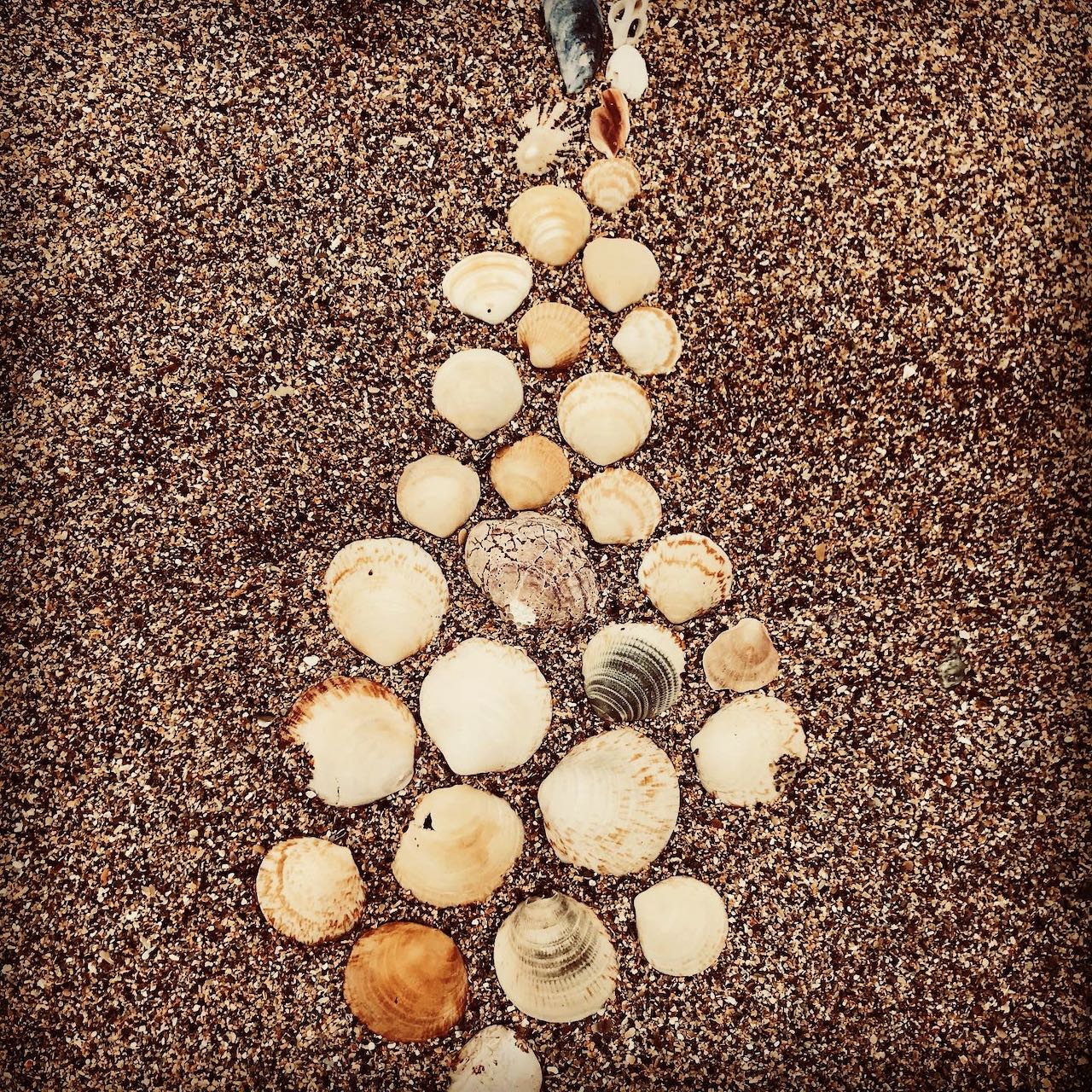
Cornwall, Cornwall every day Bright sun and fresh feelings Simple pleasures by just being here Forward thinking into old age dotage All our lives waiting, hoping, wishing
Never believing it could be Out of mind with secret longing Filling up with atmospheric air Sensing that emotional rush Deep breaths swallowing cliffs and sea
Wild flowers and cows here Hedgerows and windblown trees Lopsided branches pointing inland As cool salt air combs their twigs The winding tracks disappear
Love is here all around, so strong Heart wrenching and stomach churning Soul and body filling up with Cornish… Cornish, as long as it’s Cornish It’s good!
Give us a chance to stay Give us the chance to live Ever on the hard granite pathways Sounds of mewing gulls and thunder of surf Beating on the windswept rocks and beaches
Cornish light familiar and so bright Invading our eyes and warming our hearts Gently massaging our faces with soothing fingers Lifting our spirits as breaking through the clouds It charges us with love
Fulfilled and whole Our lives and minds gratefully feasting The armfuls of wonder as we carry our hearts Together, through eternity, watching As the sun sets in a blaze of Cornish light
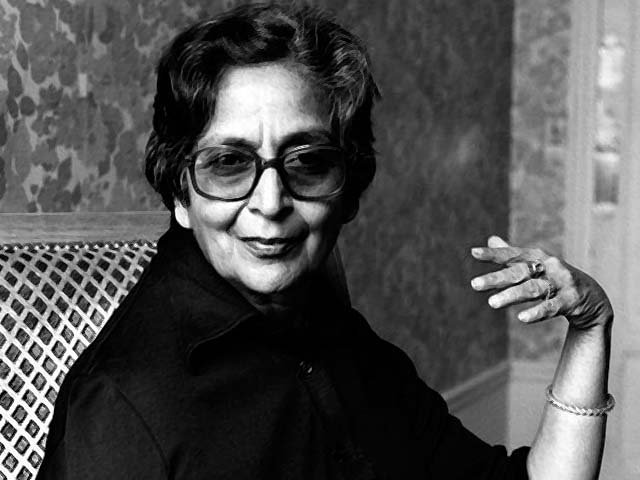
Amrita Pritam (1919-2005) was one the most distinguished Punjabi poets and fiction writers. She was born in Mandi Bahauddin, Punjab and was living in Lahore when in 1947 she, along with the millions others, was forced to migrate during the partition of the Punjab.
Her first collection of poems Amrit Lehrcm was published in 1936 when she was barely 17 years old. Starting as a romantic poet, she matured into a poetess of revolutionary ideas as a result of her involvement with the Progressive Movement in literature.
Ajj Aakhaan Waris Shah Nu (Today I Say unto Waris Shah) is a heartrending poem written during the riot-torn days that followed the partition of the country. (Apnaorg.com). The poem is addressed to Waris Shah, (1706 -1798), a Punjabi poet, best-known for his seminal work Heer Ranjha, based on the traditional folk tale of Heer and her lover Ranjha. Heer is considered one of the quintessential works of classical Punjabi literature.
Her body of work comprised over 100 books of poetry, fiction, biographies, essays, a collection of Punjabi folk songs and an autobiography that were all translated into several Indian and foreign languages
Ajj Aakhaan Waris Shah Nu (Today I Say unto Waris Shah – Ode to Waris Shah)
Translation from the original in Punjabi by Khushwant Singh. Amrita Pritam: Selected Poems. Ed Khushwant Singh. (Bharatiya Jnanpith Publication, 1992)
To Waris Shah I turn today!
Speak up from the graves midst which you lie!
In our book of love, turn the next leaf.
When one daughter of the Punjab did cry
You filled pages with songs of lamentation,
Today a hundred daughters cry
0 Waris to speak to you.
O friend of the sorrowing, rise and see your Punjab
Corpses are strewn on the pasture,
Blood runs in the Chenab.
Some hand hath mixed poison in our live rivers
The rivers in turn had irrigated the land.
From the rich land have sprouted venomous weeds
flow high the red has spread
How much the curse has bled!
The poisoned air blew into every wood
And turned the flute bamboo into snakes
They first stung the charmers who lost their antidotes
Then stung all that came their way
Their lips were bit, fangs everywhere.
The poison spread to all the lines
All of the Punjab turned blue.
Song was crushed in every throat;
Every spinning wheel’s thread was snapped;
Friends parted from one another;
The hum of spinning wheels fell silent.
All boats lost the moorings
And float rudderless on the stream
The swings on the peepuls’ branches
I lave crashed with the peepul tree.
Where the windpipe trilled songs of love
That flute has been lost
Ranjah and his brothers have lost their art.
Blood keeps falling upon the earth
Oozing out drop by drop from graves.
The queens of love
Weep in tombs.
It seems all people have become Qaidos,
Thieves of beauty and love
Where should I search out
Another Waris Shah.
Waris Shah
Open your grave;
Write a new page
In the book of love.
NOTES
Waris Shah (1706 -1798) was a Punjabi poet, best-known for his seminal work Heer Ranjha, based on the traditional folk tale of Heer and her lover Ranjha. Heer is considered one of the quintessential works of classical Punjabi literature.
Qaido – A maternal uncle of Heer in Heer Ranjha is the villain who betrays the lovers.
The Punjab – the region of the five rivers east of Indus: Jhelum, Chenab, Ravi, Beas, and Sutlej.
Triggered by a conversation today and dedicated to those who have not come across the work and poetry by Faiz Ahmed Faiz. Normally I would share something in Urdu (with a translation), as most of his work is in Urdu. However, then I came across this piece titled “When Autumn Came”, and I’ve not seen an Urdu version of this. If anyone knows of the the Urdu version please do leave the details in a comment. This poem is included in “The True Subject: Selected Poems by Faiz Ahmed Faiz” by Naomi Lazard (1987).
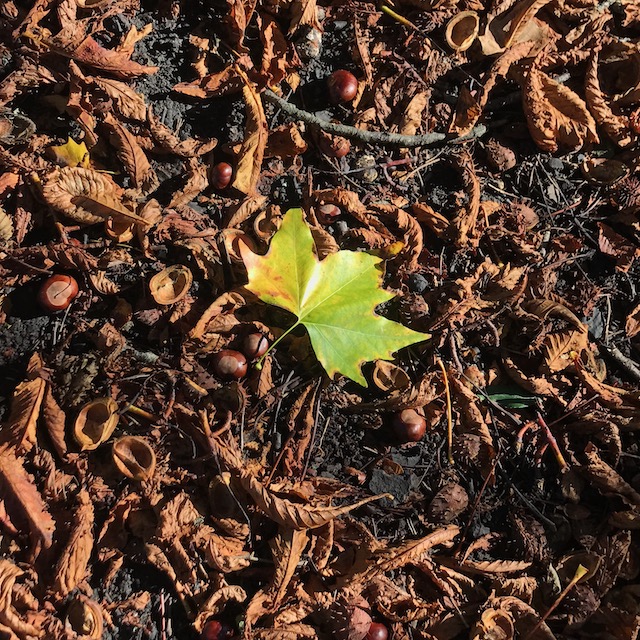
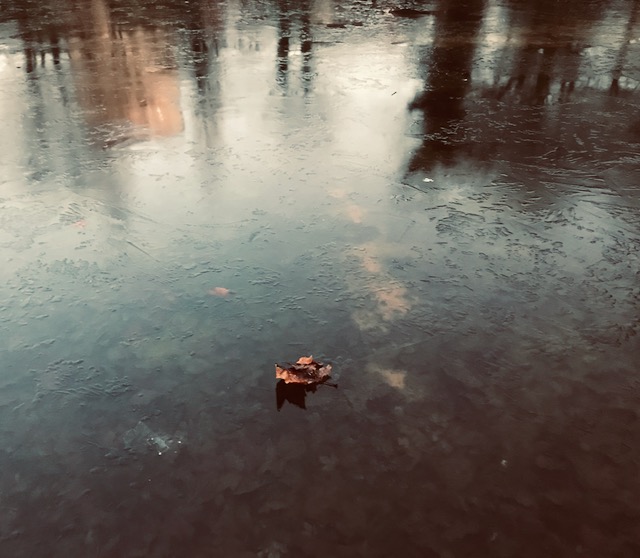
This is the way that autumn came to the trees:
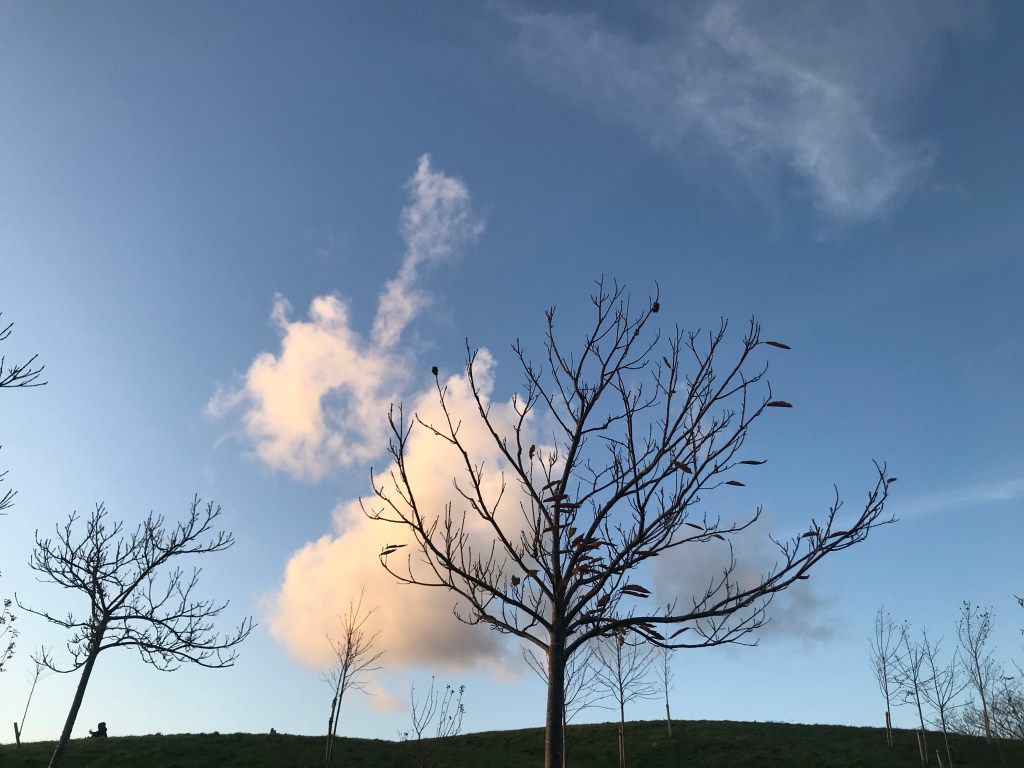
it stripped them down to the skin,
left their ebony bodies naked.
It shook out their hearts, the yellow leaves,
scattered them over the ground.
Anyone could trample them out of shape
undisturbed by a single moan of protest.

The birds that herald dreams
were exiled from their song,
each voice torn out of its throat.
They dropped into the dust
even before the hunter strung his bow.

Oh, God of May have mercy.
Bless these withered bodies
with the passion of your resurrection;
make their dead veins flow with blood again.

Give some tree the gift of green again.
Let one bird sing.
Jabbar, Abdul. “NAOMI LAZARD’S ‘The True Subject: Selected Poems of Faiz Ahmed Faiz.’” Journal of South Asian Literature 26, no. 1/2 (1991): 156–70. http://www.jstor.org/stable/40873227.
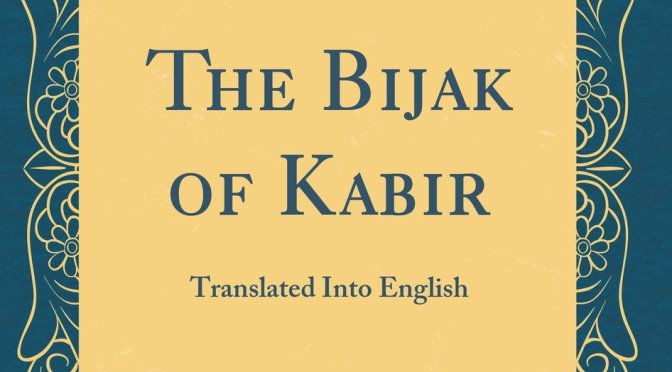
Kabirdas was a 15th century Indian mystic poet and is revered as a saint by many, across regions, communities, castes, and, now, nations. A disciple of Ramananda (in Banaras), his writings fed the syncretic Bhakti movement, which in turn influenced the development of Nanak and his teachings, to the extent that Kabir’s immortal verses are included in Adi Granth. Kabir was critical of all organised, institutionalised, hierarchical faiths, and their rites and rituals, sanctioned by sanctimonious and exploitative clergy. For Kabir, the Truth was not in these trappings, nor in their egoistic traders.
It is generally allowed that of all the great Reformers, Kabir (1440-1518) and Tulsi Dass (1544-1624) have had the greatest influence for good among…Northern and Central India. Kabir has been described…as the Indian Luther (1483-1546)…
Among those who acknowledge their indebtedness to Kabir as a spiritual guide are Nanak Shah (1469-1538) of the Panjab, the founder of the Sikh community; Dadu of Ahmedabad (1544) founder of the Panth that bears his name, and Jag Jiwan Dass of Oudh (1760) the founder of the Sat Nami sect. Among religious teachers whose doctrine is said to be largely based upon the teaching of Kabir are Bribhan, founder of the Sadh community (1658), Baba Lal of Malwa and Shiva Narain of Ghazipur.
In modern days the number of those who have in one way or another come under the influence of Kabir is very great. In the Census Report of 1901, the number of Kabir Panthis alone is returned as 843,171 and the actual number is probably considerably larger, as in the United Provinces many Kabir Panthis seem to have been returned as Ramanandis and the figures for the Panjab are not included.
The hymns of Kabir are still sung by many a wandering minstrel, while his pithy sayings are frequently employed to win the attention of a dreamy audience or to clench a lengthy argument.
Unfortunately, the material for a life of Kabir is miserably scanty. It is admitted by all Kabir Panthis that Kabir was brought up as a child in the house of Niru, a weaver. In the Adi Granth occur these lines: By caste a weaver and patient of mind: utters Kabir with natural ease the excellences of Ram.
It does not need much experience of ascetic literature to recognise that boldness and originality of this attitude in such a time and place. From the point of view of orthodox sanctity, whether Hindu or Mohammedan, Kabir was plainly a heretic; and his frank dislike of all institutional religion, all external observance – which was a thorough and as intense as that of the Quaker themselves – completed, as far as ecclesiastical opinion was concerned, his reputation as a dangerous man. The God whom he proclaimed was “neither in Kaaba nor in Kailash.”
 Mo ko kahan dhunro bande
 O servant, where dost thou see Me?
 Lo! I am beside thee
 I am neither in temple nor in mosque:
 I am neither in Kaaba nor in Kailash:
 Neither am I in rites and ceremonies, nor in Yooga and renunciation.
 If thou art a true seeker, thou shalt at once see Me: thou shalt meet Me in a moment of time.
 Kabir say, “O Sadhu! God is the breath of all breath.”

 Santan jat na pucho nirguniyan
 It is needless to ask of a saint the caste to which he belongs;
 For the priest, the warrior, the tradesman, and all the thirty-six castes, alike are seeking for God.
 It is but folly to ask what the caste of a saint may be;
 The barber has sought God, the washerwoman, and the carpenter –
 Even Raidas was a seek after God.
 The Rishi Swapacha was a tanner by caste.
 Hindus and Moselms alike have achieved that End, where remains no mark of distinction.
HAD ANHAD (Bounded Boundless): Journeys with Ram & Kabir (103 min, English Subtitles) A film by Shabnam Virmani – Kabir was a 15th century mystic poet of north India who defied the boundaries between Hindu and Muslim. He had a Muslim name and upbringing, but his poetry repeatedly invokes the widely revered Hindu name for God – Ram. Who is Kabir’s Ram? This film journeys through song and poem into the politics of religion, and finds myriad answers on both sides of the hostile border between India and Pakistan.
Further Reading see Purushottam Agrawal: Kashi ka Kabir and Akath Kahani Prem Ki: Kabir Ki Kavita Aur Unka Samay (An Ineffable Tale of Love: Kabir’s Poetry and his Times) (Rajkamal Prakshan, 2009).
He is wise who in this season
Clings to the stove like a madman.

Narrating this, my tongue is coated with ice.
My breath, it seems, has frozen to make another tongue.

And when the chill turns chillier still
Like the ear, even the mouth turns still.

The tear which drops from the crying eye
Freezes like the wax dripping down the candle.

All this is known to the wise ant
Which entombs itself when alive.

This winter’s tale I can no longer narrate
For the tongue is now an icicle in my mouth.
Read more about Gani Kashmiri (Mulla Muhammad Tahir Ghani), considered to be one of the greatest Persian writers from the Mughal period. Extract courtesy: Daak
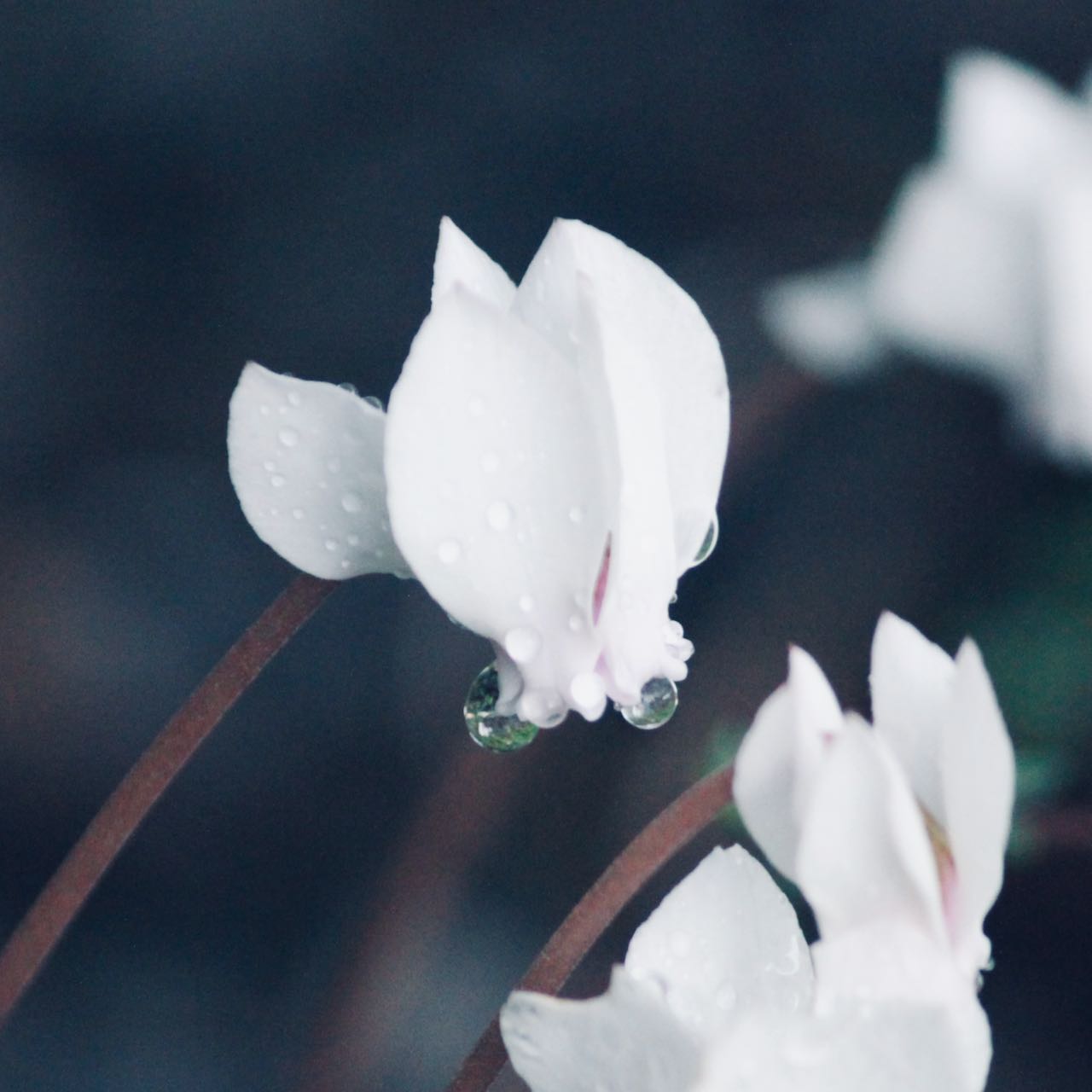
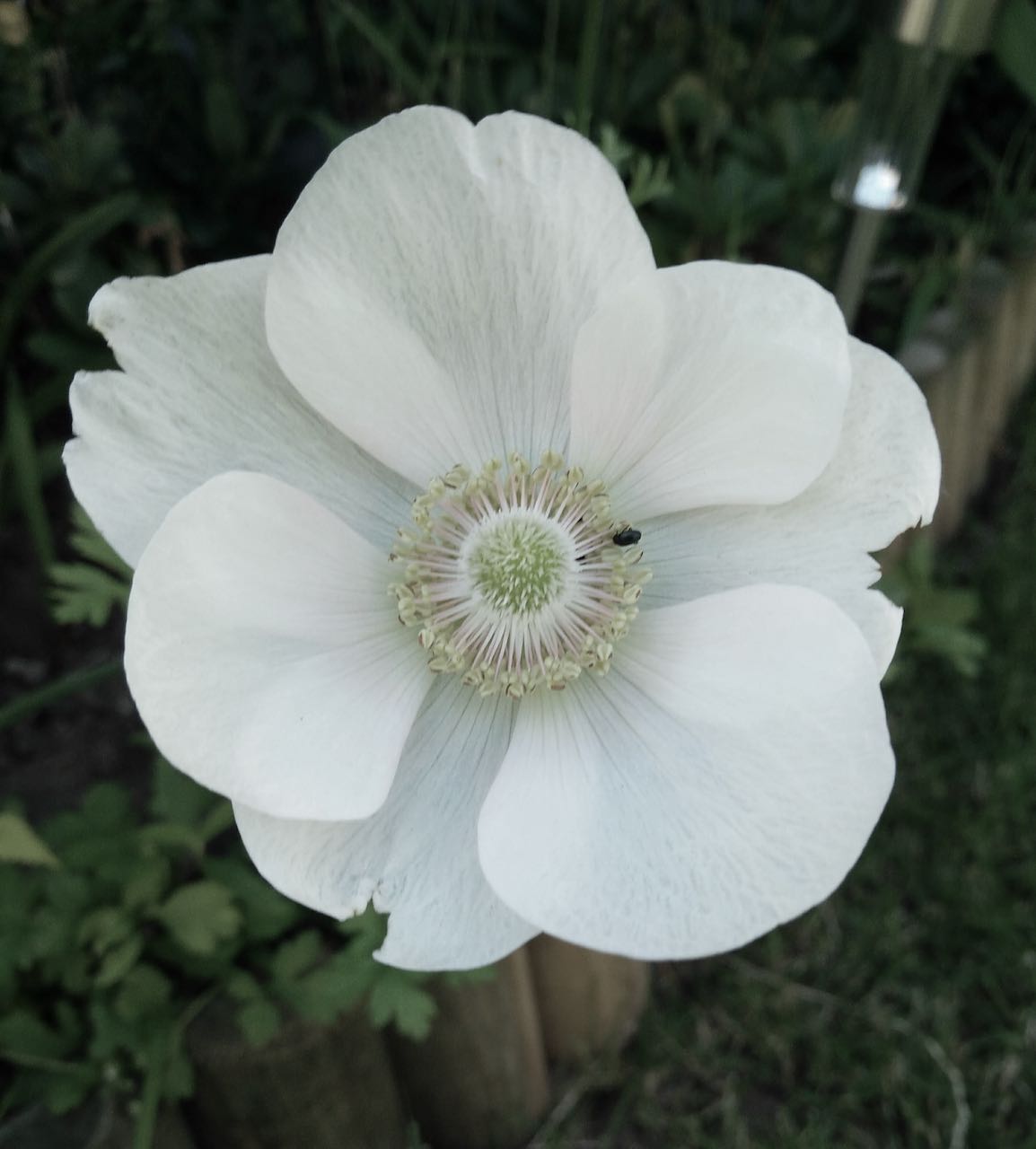
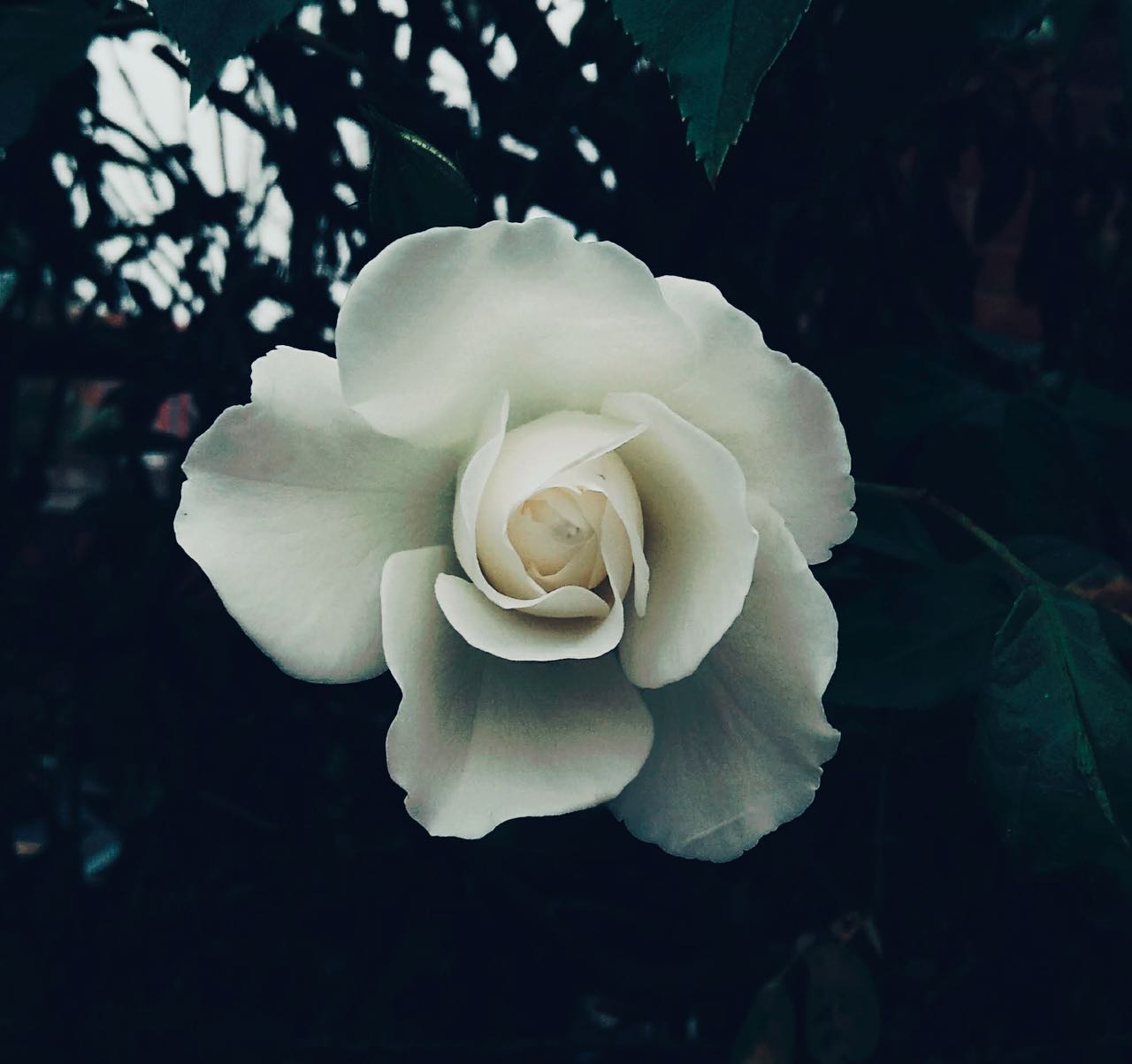
It is the first post of 2021 and I start with the colour white/safed. White is often associated with a sense of peace, purity, innocence, a new beginning, of wiping the slate clean, a blank canvas and opportunity for you to do/write your own acts/words. Some people find white serene, tranquil and pure, while others may feel it is stark and cold; lacking any “colour”. In the occident, the colour white is often associated with weddings, hospitals, and angels and is used to convey a sense of purity and cleanliness. On the other hand, in the orient, white is symbolically linked to a colour of mourning and sadness, but underlying this is also a sense of nothing and renewal.
Here I share the words of poet Benjamin Zephaniah and boxer Mohammad Ali on what happens when you invert black for white…
White Comedy by Benjamin Zephaniah

 I waz whitemailed
 By a white witch,
 Wid white magic
 An white lies,
 Branded by a white sheep
 I slaved as a whitesmith
 Near a white spot
 Where I suffered whitewater fever.
 Whitelisted as a whiteleg
 I waz in de white book
 As a master of white art,
 It waz like white death.

 People called me white jack
 Some hailed me as a white wog,
 So I joined de white watch
 Trained as a white guard
 Lived off the white economy.
 Caught and beaten by de whiteshirts
 I waz condemned to a white mass,
 Don't worry,
 I shall be writing to de Black House.
The moon is a multipurpose muse, at once a symbol of ishq (love), taqwa (piety), tanhaai (loneliness), hairat (wonder), khushi (happiness) and arzoo (longing). In Urdu literature, the moon manifests in all forms: aadha chaand (half moon), poora chaand or chaundhavi ka chaand (full moon) and badli ka chaand (moon hidden in clouds). The moon has also been a symbol of the poet’s promise to the beloved, with “tumhare waste main chaand tod laaunga (I will pluck out the moon for you),” being a familiar refrain.
‘The many moods of the moon; Urdu poetry’s favourite muse’, by Nawaid Anjum, July 22, 2019, The Indian Express































 BAGICHA