As we experience yet another heatwave, I found myself lacking the energy for any activity beyond a brief evening walk. Yet, the need to move—both physically and emotionally—compelled me to step outside, hoping to release the tensions accumulated over the day. On my return, I was met with a striking view: the sun had dipped firmly below the horizon, casting a serene glow across the bridge in front of me. This image prompted a moment of contemplation—particularly on the symbolic significance of bridges.
Bridges, in their physical form, connect distant places and facilitate movement between separate points. Metaphorically, however, they represent much more. They embody transition, decision-making, and the effort required to reconcile division—whether internal or external. Though intended to unite, bridges can also signal challenge, especially when we are compelled to “bridge the gap” in our own lives.
At present, I find myself standing on such a metaphorical bridge. The path ahead exists, but it is shrouded in uncertainty. I cannot clearly see what lies beneath or what awaits on the far side. What is certain, however, is that bridges inherently require a departure from the familiar. They demand forward motion and ask us to focus not on what lies behind, but on what we must face ahead.
The magnitude of the bridge often correlates with the magnitude of the challenge. Its instability—its rattling and trembling—can mirror our own internal doubts. Nevertheless, retreat is frequently not an option. Thus, we commit to the crossing. We proceed with trust in our steps and with faith in our own convictions, accepting that uncertainty is an intrinsic part of all meaningful transition.
In the literal sense, jugni means female firefly, which is derived from jugnu, meaning firefly. Metaphorically though jugni means much more. Jugni has often been used by singers and writers to share stories, traveling through time and space, to address societal grievances, political messages. She is spiritual and revolutionary. She is able transcend time and transform herself in every generation. But where did she originate from? According to Aashish Kochhar one possibility is:
No…in 1908, when the British were celebrating the golden jubilee of the British Raj, Bishna and Manda, being illiterate couldn’t pronounce ‘Jubilee’, and called it ‘Jugni’ instead. Or so the story goes. That’s how ‘Jugni’ found its way into the world of Punjabi folk music.
The modern version of jugni though is associated with Alam Lohar, the Pakistani Punjabi singer. Born in 1928 in Gujrat to a family of Blacksmiths (Lohar), he started reciting/singing Sufiana Kalaam, a collection of Punjabi stories and poetry from a young age. His son Arif Lohar continued in his footsteps. Below are both versions of Jugni by Alam and Arif Lohar, both spiritual and popular, and both connecting with different generations.
“Ae way Allah waliyan di Jugni Ji

Ae way nabi pak di Jugni Ji

Ae way Maula Ali wali Jugni Ji

Ae way mere peer di Jugni Ji

Ae way saaray saba di Jugni Ji”

(Jugni is the spirit of God

Jugni is the spirit of the Holy Prophet

Jugni is the spirit of Ali and his followers

Jugni is the spirit of my saints

She is the spirit of all His words)
In 2004 the Indian Punjabi singer, Rabbi Shergil released began to blend the Punjabi folk tradition with acoustic rock, offering a new unique style.
In 2008, jugni was reinvented for Hindi film Oye Lucky Lucky Oye. This is one the first modern films to popularise/depict jugni. Others include: Tanu Weds Manu (2011), Saheb Biwi Aur Gangster (2011), Cocktail (2012), Saheb, Biwi Aur Gangster Returns (2013), Queen (2013), Kaatru Veliyidai, (2017).
In 2011 Jugni, a Pakistani Punjabi-language film, was released. The film revolves around the main character of Jugni, and brought folk singer Arif Lohar back on the silver screen after eleven years.
In 2013 the Nooran Sisters performed a powerful rendition at the Nakodar Mela. Sultana Nooran (b. 1992) and Jyoti Nooran (b. 1994) are from Jalandhar and born to family of Sufi musicians. They gained wider popularity through contributions to Bollywood music, craving out a niche space for their strong and distinct style.
One of the latest incarnations is by global Punjabi singer Dailjit Dosanjh featuring Tanzanian artist, Diamond Platnumz, who has a big following in East Africa. The 2022 collaboration is interesting and strategic given the South Asian connections with East Africa. The music/lyrics present a very seamless fusion of Punjabi and Swahili.
There are many other versions, and these are just some of the different incarnations of Jugni in Punjabi popular culture. Read further:
Hasnain Kazmi, Syed Shabihul. “Jugni, dhola and mahiya: Comparing three genres of punjabi folklore.” Pakistan Perspectives 25, no. 2 (2020).
AMIR, MARIA. “Chapter Twelve Generation Jugni: Mapping The Influence Of Folklore.” A Cartographic Journey of Race, Gender and Power: Global Identity 149 (2021).
Parmar, Prabhjot, and Amandeep Kaur. “2 Kisan Protests in Punjab 1907–2021.” Agrarian Reform and Farmer Resistance in Punjab: Mobilization and Resilience (2022).
I hope you have been enjoying the photos and blog pieces from 2023. I hope to more productive in 2024 and look forward to sharing more pieces. Please leave any comments/feedback about the Blog below.
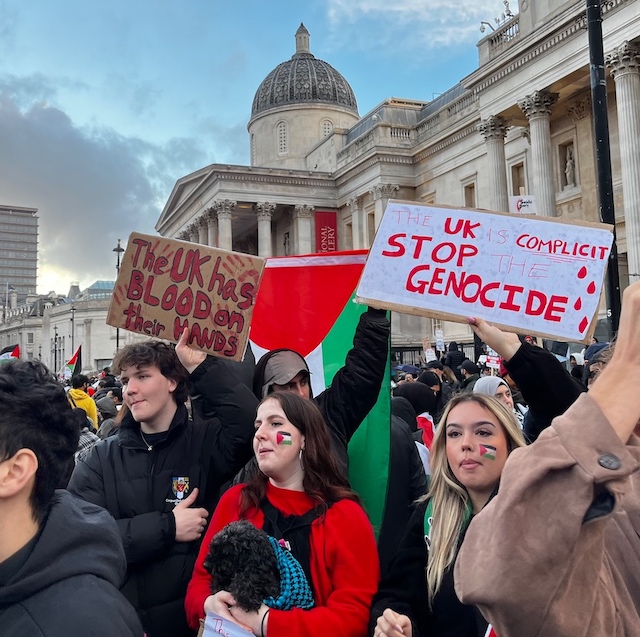
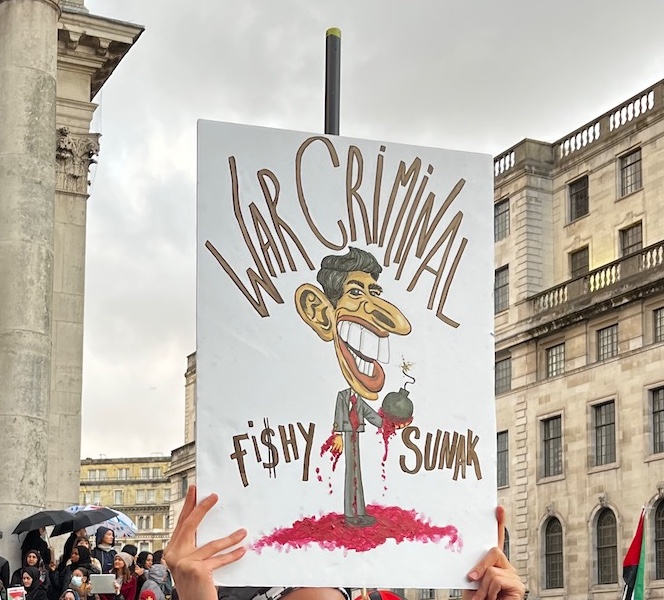
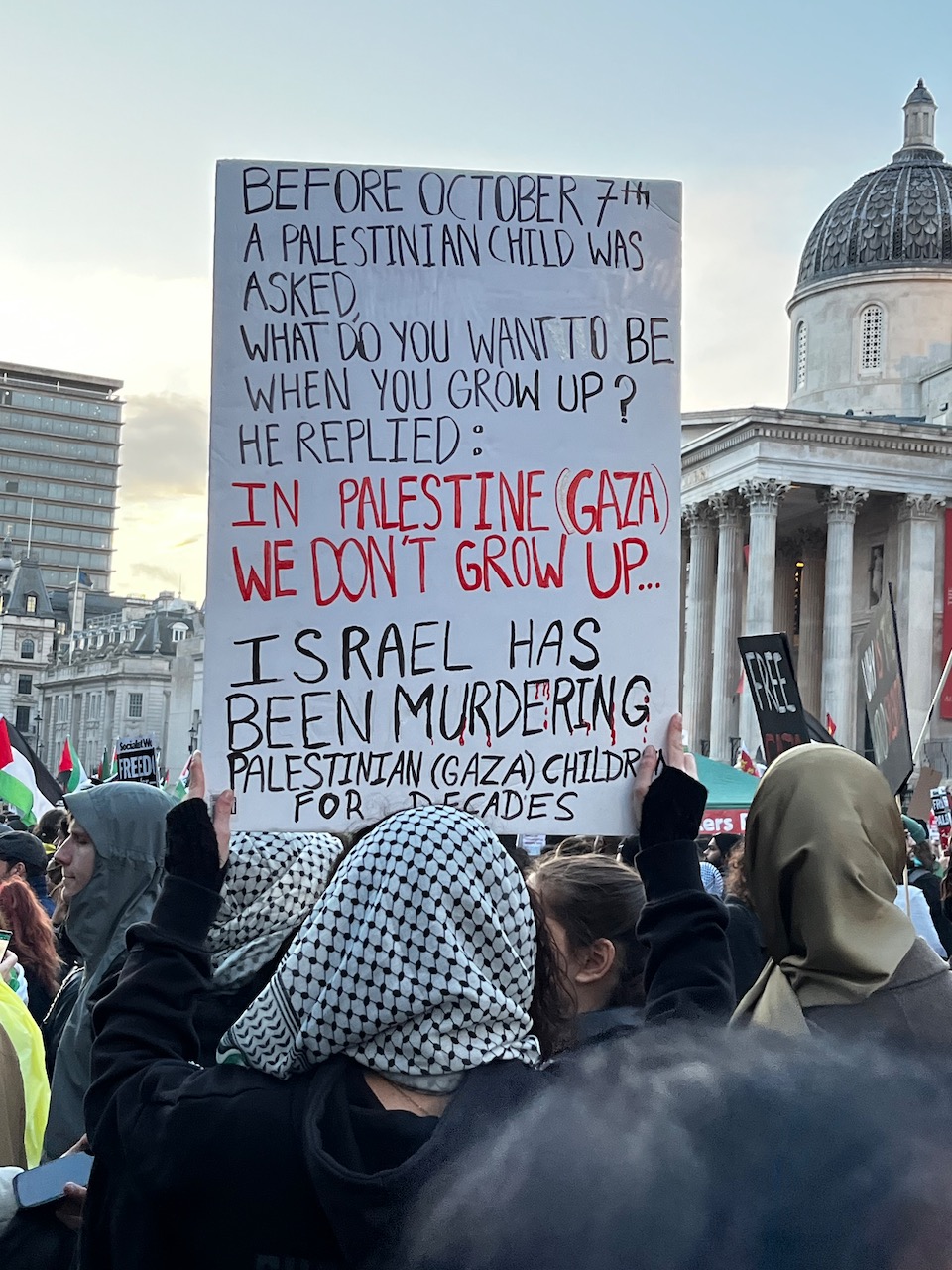
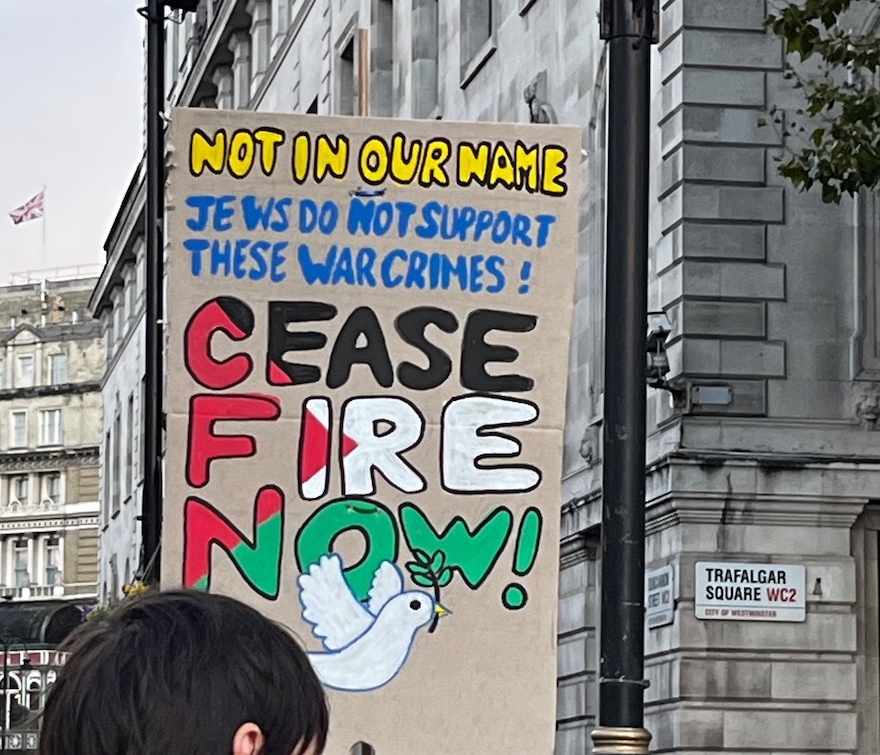
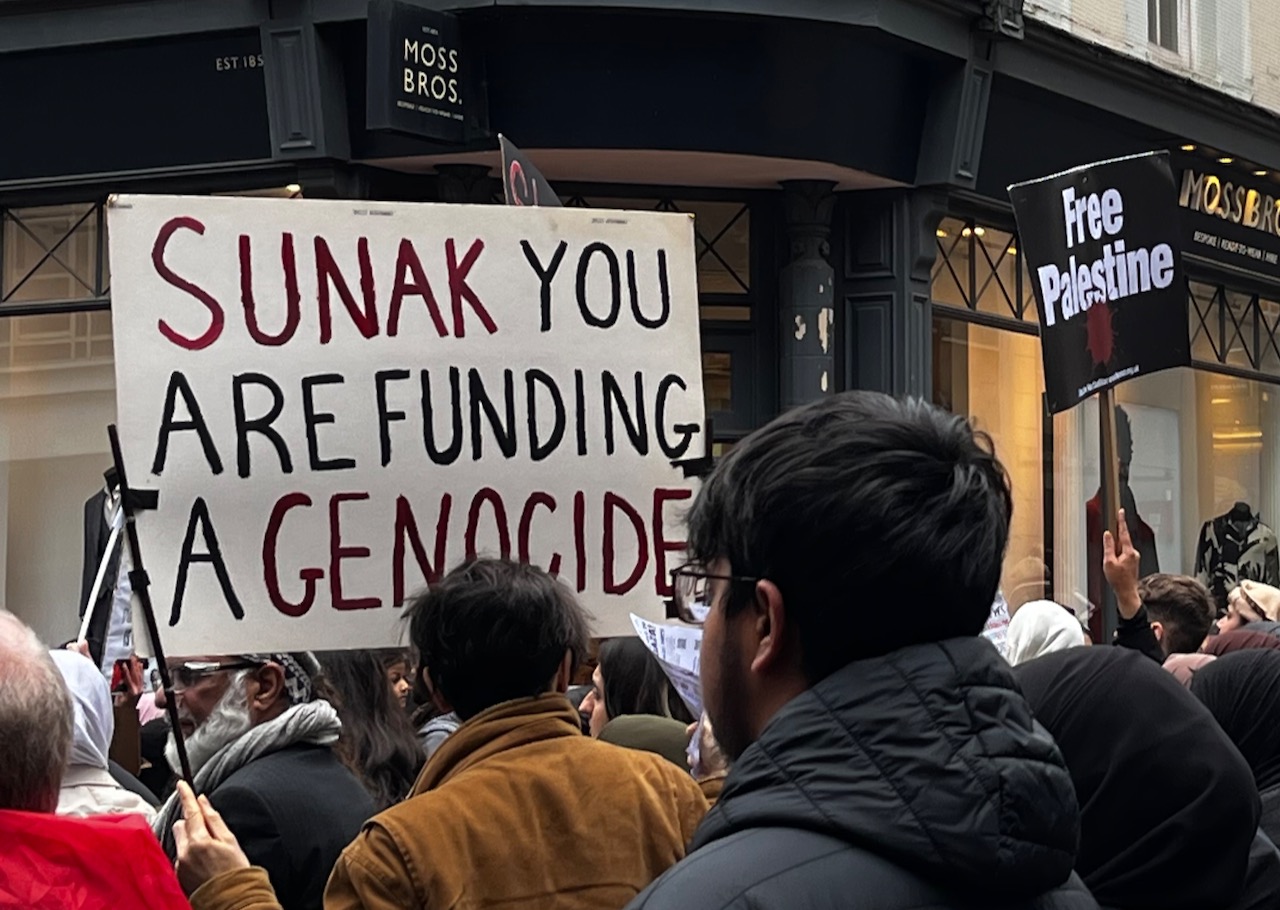
It was Iqbal’s birth anniversary recently, and Purana Pakistan on Instagram had shared a poem he wrote in 1938; Shaam-o-Falasteen – Syria and Palestine. It prompted me to locate and share the political views of the political leadership at the time in British India. The views of both the Indian National Congress and the All-India Muslim League were immensely sympathetic and supportive of the Palestinian people and their rights. It was framed in wider British imperialism, and for Nehru, “the Arab struggle against British imperialism in Palestine is as much part of the great world conflict as India’s struggle for freedom” (1936). Below I share a selection of views from Nehru, Jinnah, Gandhi and Iqbal.
NEHRU, 1936
Press statement issued by Jawaharlal Nehru, 13 June 13, 1936
Few people, I imagine, can withhold their deep sympathy from the Jews for the long centuries of the most terrible oppression to which they have been subjected all over Europe. Fewer still can repress their indignation at the barbarities and racial suppression of the Jews which the Nazis have indulged in during the last few years, and which continue today. Even outside Germany, Jew-baiting has become a favourite pastime of various fascist groups.
This revival in an intense form of racial intolerance and race war is utterly repugnant to me and I have been deeply distressed at the sufferings of vast numbers of people of the Jewish race. Many of these unfortunate exiles, with no country or home to call their own, are known to me, and some I consider it an honour to call my friends. I approach this question therefore with every sympathy for the Jews. So far as I am concerned, the racial or the religious issue does not affect my opinion.
But my reading of war-time and post-war history shows that there was a gross betrayal of the Arabs by British imperialism. The many promises that were made to them by Colonel Lawrence and others, on behalf of the British Government, and which resulted in the Arabs helping the British and Allied Powers during the war, were consistently ignored after the war was over. All the Arabs, in Syria, Iraq, Trans-Jordan and Palestine, smarted under this betrayal, but the position of the Arabs in Palestine was undoubtedly the worst of all.
Having been promised freedom and independence repeatedly from 1915 onwards, suddenly they found themselves converted into a mandatory territory with a new burden added on— the promise of the creation of a national home for the Jews — a burden which almost made it impossible for them to realise independence.
The Jews have a right to look to Jerusalem and their Holy Land and to have free access to them. But the position after the Balfour declaration was very different. A new state within a state was sought to be created in Palestine, an ever-growing state with the backing of British imperialism behind it, and the hope was held out that this new Jewish state would, in the near future, become so powerful in numbers and in economic position that it would dominate the whole of Palestine.
Zionist policy aimed at this domination and worked for it, though, I believe, some sections of Jewish opinion were opposed to this aggressive attitude. Inevitably, the Zionists opposed the Arabs and looked for protection and support to the British Government. Such case as the Zionists had might be called a moral one, their ancient associations with their Holy Land and their present reverence for it. One may sympathise with it. But what of the Arabs? For them also it was a holy land — both for the Muslim and the Christian Arabs.
For thirteen hundred years or more they had lived there and all their national and racial interests had taken strong roots there. Palestine was not an empty land fit for colonisation by outsiders. It was a well-populated and full land with little room for large numbers of colonists from abroad. Is it any wonder that the Arabs objected to this intrusion? And their objection grew as they realised that the aim of British imperialism was to make the Arab-Jew problem a permanent obstacle to their independence. We in India have sufficient experience of similar obstacles being placed in the way of our freedom by British imperialism.
It is quite possible that a number of Jews might have found a welcome in Palestine and settled down there. But when the Zionists came with the avowed object of pushing out the Arabs from all places of importance and of dominating the country, they could hardly be welcomed. And the fact that they have brought much money from outside and started industries and schools and universities cannot diminish the opposition of the Arabs, who see with dismay the prospect of their becoming permanently a subject race, dominated, politically and economically, by the Zionists and the British Government.
The problem of Palestine is thus essentially a nationalist one— a people struggling for independence against imperialist control and exploitation. It is not a racial or religious one. Perhaps some of our Muslim fellow countrymen extend their sympathy to the Arabs because of the religious bond.
But the Arabs are wiser and they lay stress only on nationalism and independence, and it is well to remember that all Arabs, Christian as well as Muslim, stand together in this struggle against British imperialism. Indeed, some of the most prominent leaders of the Arabs in this national struggle have been Christians.
If the Jews had been wise, they would have thrown in their lot with the Arab struggle for independence. Instead, they have chosen to side with British imperialism and to seek its protection against the people of the country….
The Arabs of Palestine will no doubt gain their independence, but this is likely to be a part of the larger unity of Arab peoples for which the countries of western Asia have so long hankered after, and this again will be part of the new order which will emerge out of present-day chaos. The Jews, if they are wise, will accept the teaching of history, and make friends with the Arabs and throw their weight on the side of the independence of Palestine, and not seek a position of advantage and dominance with the help of the imperialist power.
Selected and edited by Mridula Mukherjee, former Professor of History at JNU and former Director of Nehru Memorial Museum and Library.
IQBAL, 1937 Iqbal writing in response to the Peel Commission’s recommendations, July 1937
We must not forget that Palestine does not belong to England. She is holding it under a mandate from the League of Nations, which Muslim Asia is now learning to regard as an Anglo-French institution invented for the purpose of dividing the territories of weaker Muslim peoples. Nor does Palestine belong to the Jews who abandoned it of their own free will long before its possession by the Arabs.
Mr. Jinnah in his presidential address to the AIML in 1937,
Great Britain has dishonored her proclamation to the Arabs – which had guaranteed to them complete independence of the Arab homelands…After having utilized them by giving them false promises, they installed themselves as the mandatory power with that infamous Balfour Declaration…fair-minded people will agree when I say that Great Britain will be digging its grave if she fails to honor her original proclamation…
You know the Arabs have been treated shamelessly—men who, fighting for the freedom of their country, have been described as gangsters, and subjected to all forms of repression. For defending their homelands, they are being put down at the point of the bayonet, and with the help of martial laws. But no nation, no people who are worth living as a nation, can achieve anything great without making great sacrifice such as the Arabs of Palestine are making.
Hitherto I have refrained practically from saying anything in public regarding the Jew-Arab controversy. I have done so for good reasons. That does not mean any want of interest in the question, but it does mean that I do not consider myself sufficiently equipped with knowledge for the purpose. For the same reason I have tried to evade many world events. Without airing my views on them, I have enough irons in the fire. But four lines of a newspaper column have done the trick and evoked a letter from a friend who has sent me a cutting which I would have missed but for the friend drawing my attention to it. It is true that I did say some such thing in the course of a long conversation with Mr. Louis Fischer on the subject. I do believe that the Jews have been cruelly wronged by the world. “Ghetto” is, so far as I am aware, the name given to Jewish locations in many parts of Europe. But for their heartless persecution, probably no question of return to Palestine would ever have arisen. The world should have been their home, if only for the sake of their distinguished contribution to it.
But, in my opinion, they have erred grievously in seeking to impose themselves on Palestine with the aid of America and Britain and now with the aid of naked terrorism. Their citizenship of the world should have and would have made them honoured guests of any country. Their thrift, their varied talent, their great industry should have made them welcome anywhere. It is a blot on the Christian world that they have been singled out, owing to a wrong reading of the New Testament, for prejudice against them. “If an individual Jew does a wrong, the whole Jewish world is to blame for it.” If an individual Jew like Einstein makes a great discovery or another composes unsurpassable music, the merit goes to the authors and not to the community to which they belong.
No wonder that my sympathy goes out to the Jews in their unenviably sad plight. But one would have thought adversity would teach them lessons of peace. Why should they depend upon American money or British arms for forcing themselves on an unwelcome land? Why should they resort to terrorism to make good their forcible landing in Palestine? If they were to adopt the matchless weapon of non-violence whose use their best Prophets have taught and which Jesus the Jew who gladly wore the crown of thorns bequeathed to a groaning world, their case would be the world’s and I have no doubt that among the many things that the Jews have given to the world, this would be the best and the brightest. It is twice blessed. It will make them happy and rich in the true sense of the word and it will be a soothing balm to the aching world.
The other day I was pottering about in the kitchen with the radio on in the background when something caught my ear. The programme “From Our Own Correspondent”, on the BBC World Service, had a piece on the colonisation of the Canary Islands. The islands will be familiar to many Europeans because this is a popular destination for those seeking sun and sand, especially the Brits, who want a guaranteed summer vacation rather than risk the unpredictable weather in the UK! And indeed, it was rather unsettled that day, unable to decide between the sun and rain, but the report duly transported me back to my visits to the Islands.
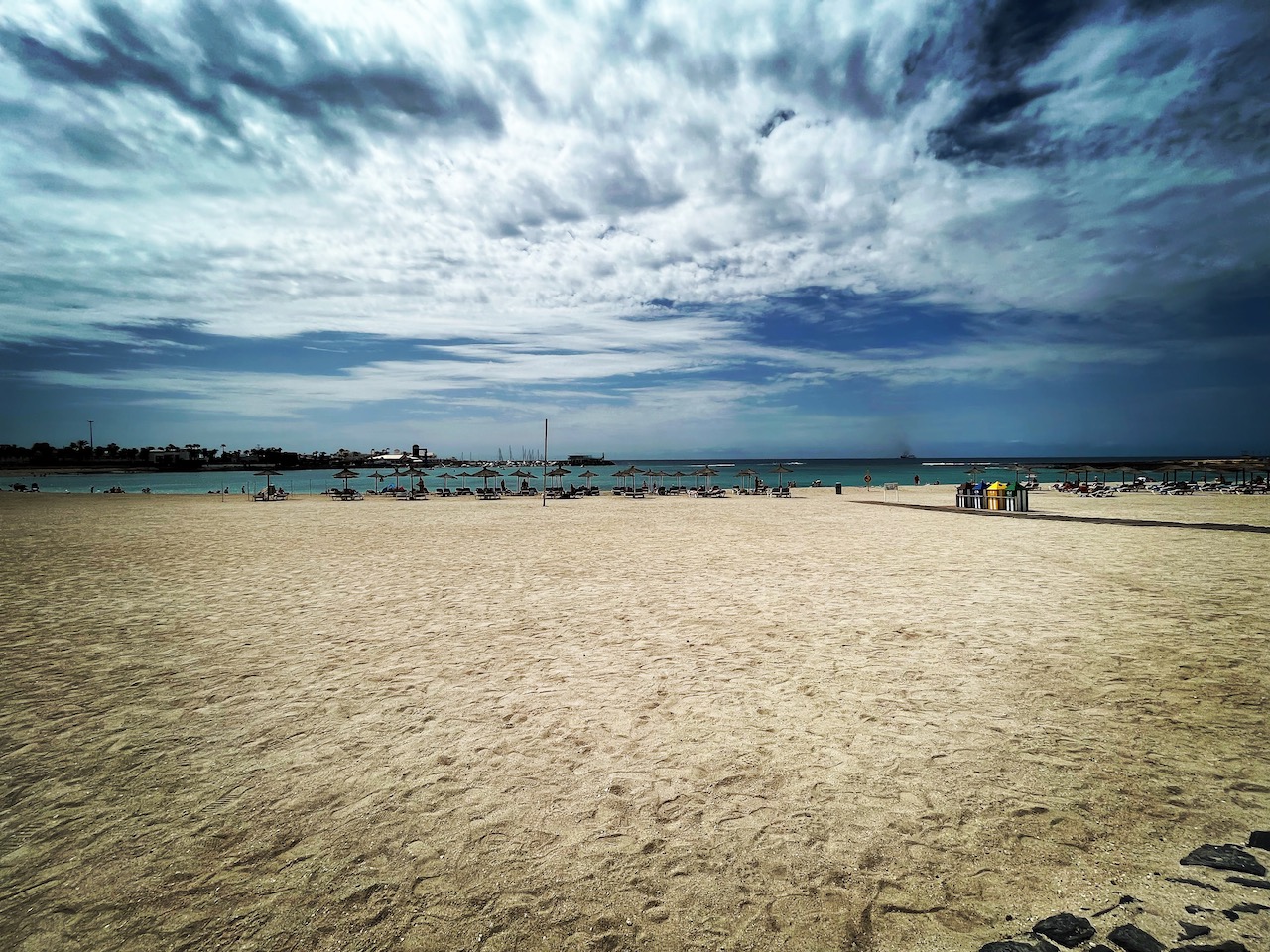
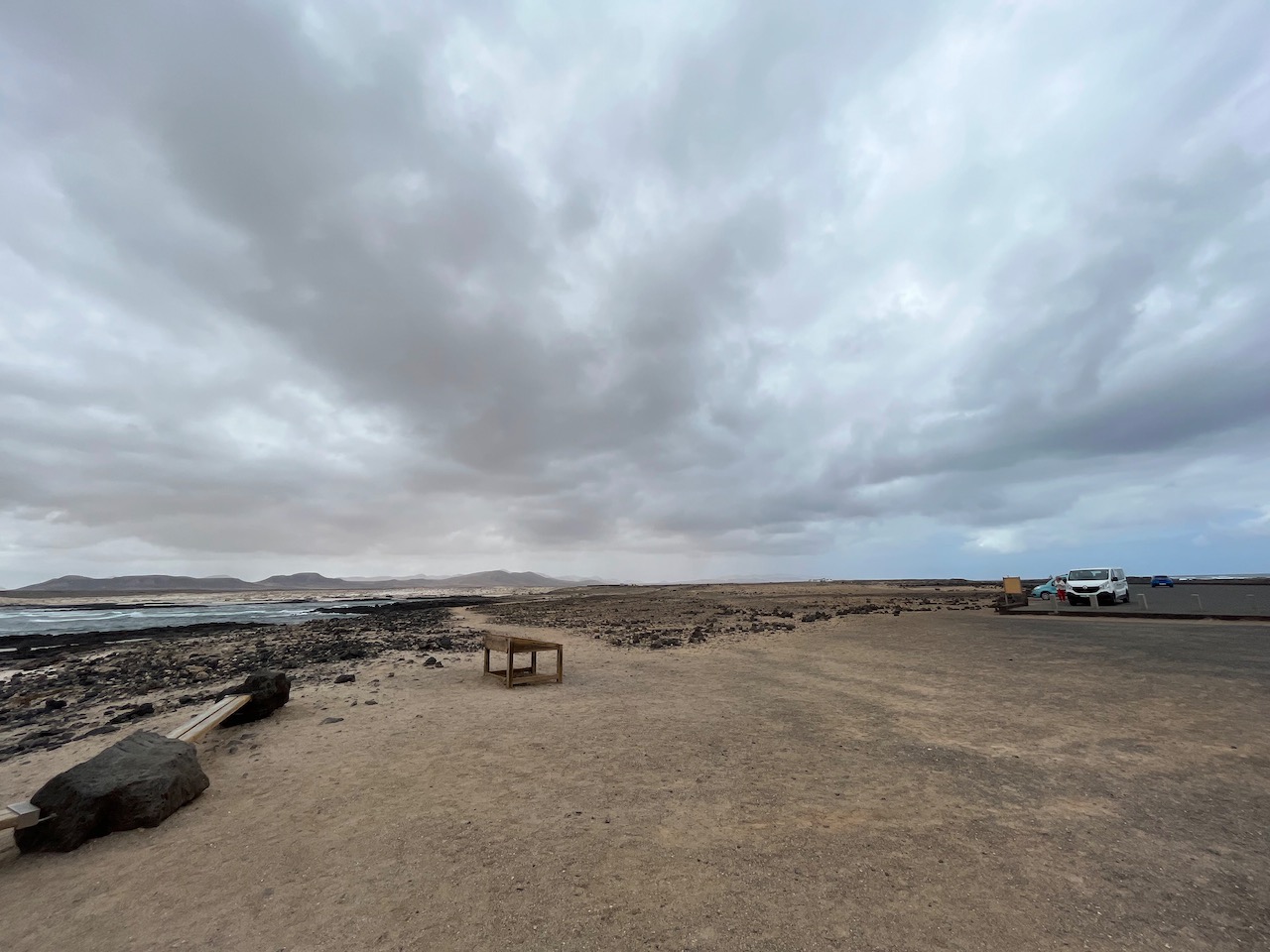
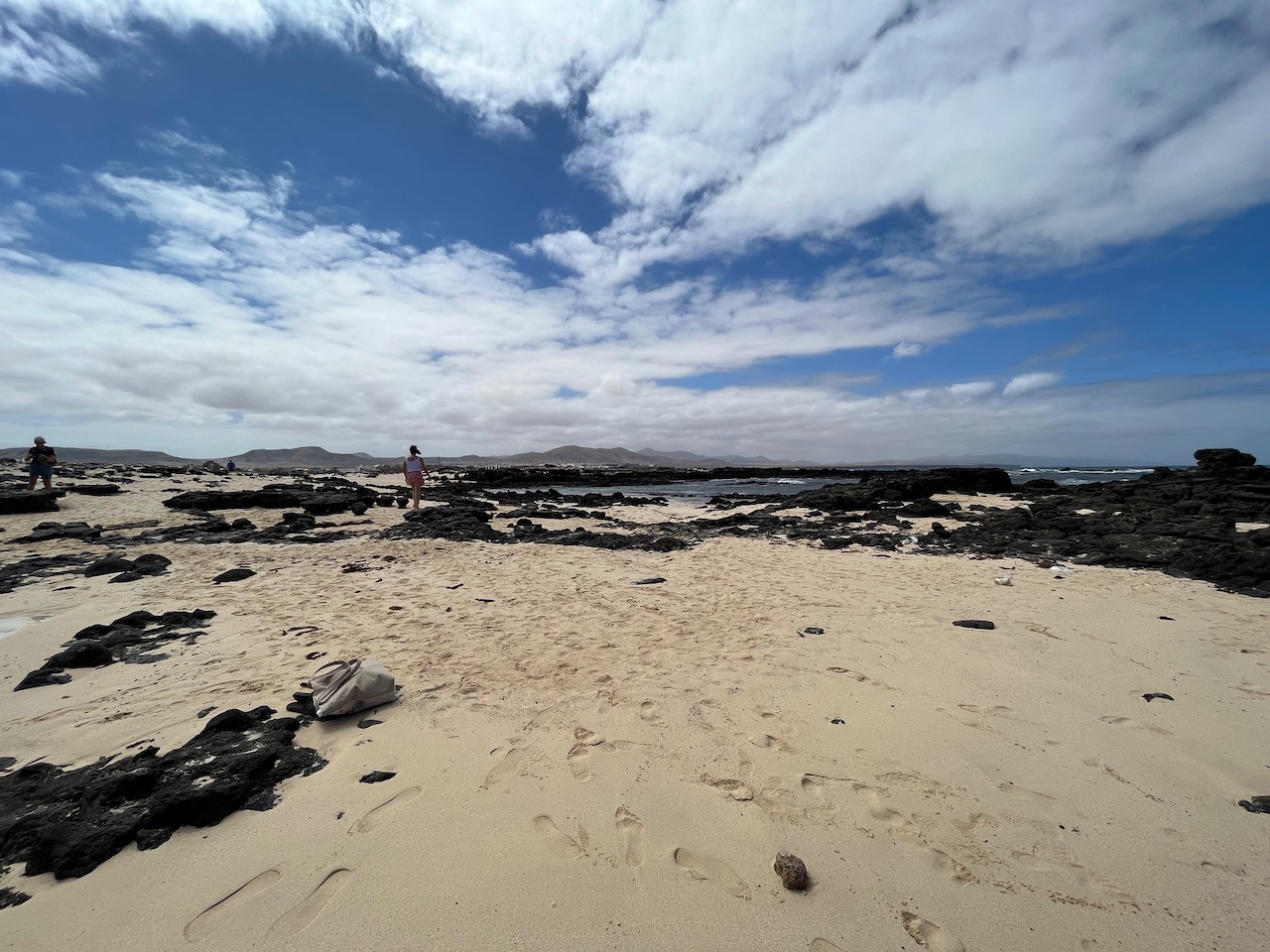
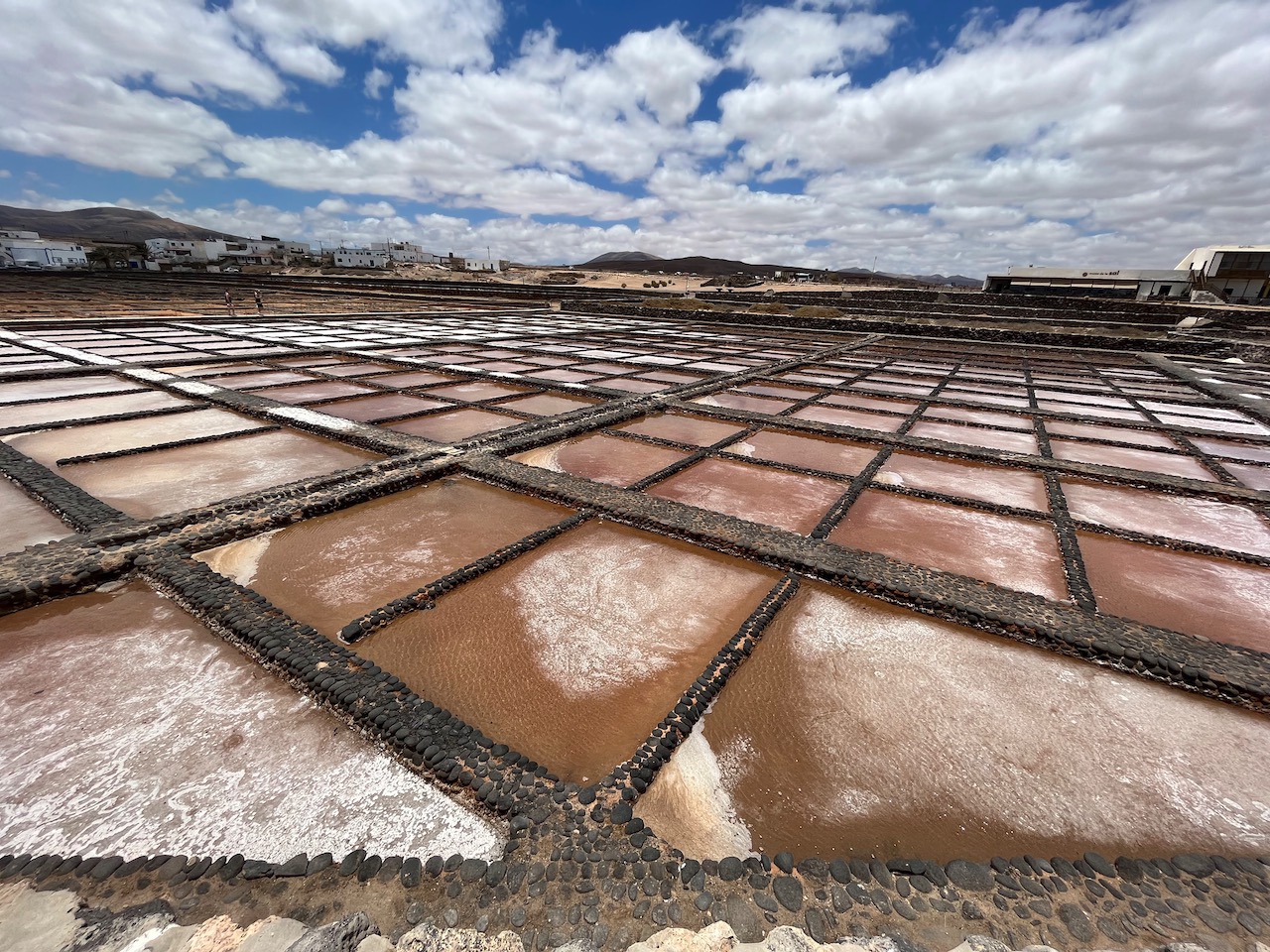
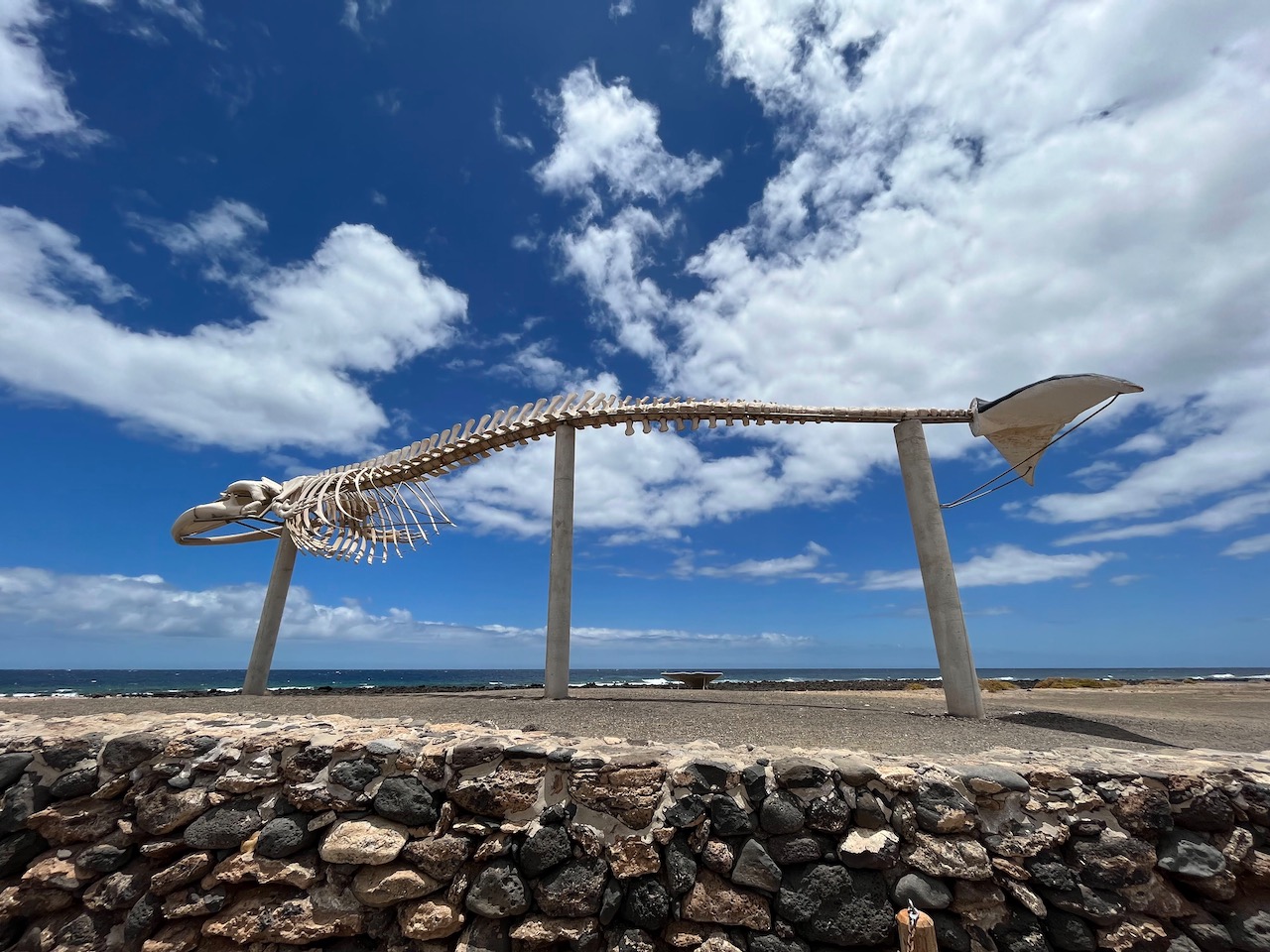
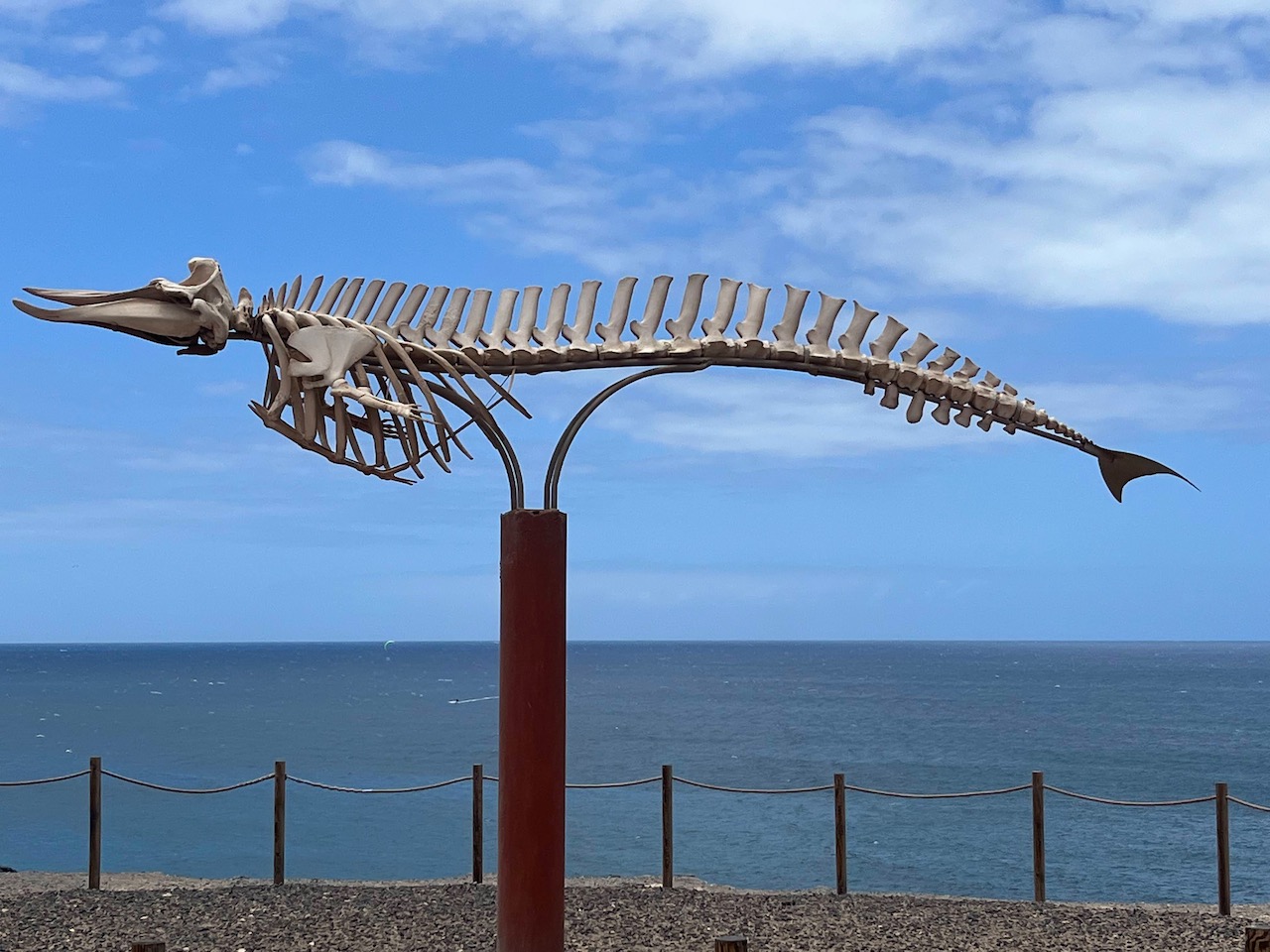
The Canaries are an archipelago of seven islands and are closer to Africa than to Spain. What is probably lesser known is the history of the Islands before they were colonised. Tourists generally do not go to the Canary Islands for their heritage and history, yet the volcanic lunar landscape is stark and oozing with untold stories. I’ve been to two of the Islands, Lanzarote, and Fuerteventura, both during off-peak times. On those occasions, away from bustling grounds, I have found the landscape to be simply captivating. The barrenness draws you in, but the sea fills you hope and energy. Photographs taken there can be divided into colour pallets of black, blue, and white. Barely anything grows, except the now-abundant aloe vera plant, cultivated for its multiple benefits. The wild tropical climate is ideal for this succulent plant, which originates from the Arabian Peninsula. Indeed, it is most likely that the plant arrived in places like Lanzarote with the Arab merchants and travellers.
Before the relatively recent development of the islands as hyped tourist destinations, there is a darker history. It is here in these islands that the overseas colonial empires by the Europeans started taking shape and the first conquest of an ancient civilisation by the Spanish took place in the early 15th century. The conquistadors came here, and refined their tactics, which they then used to colonise the Americas, providing a template for others to use in the colonisation and destruction of indigenous peoples. The, the documentary, ‘Spain’s First Colony: The Conquest of The Canary Islands’, refers to these islands as the birthplace of the conquistador and the death of the Guanche people, the indigenous inhabitants of the Canary Islands who became extinct by the 17th century.
Mohamed Adhikhari (2017) argues that the Canary Islands were the scene of “Europe’s first overseas settler colonial genocide.” Adhikhari writes:
“Enslavement and deportation, which went hand in hand, accounted for the largest number of victims and were central to the genocidal process. They were in effect as destructive as killing because the victims, generally the most productive members of their communities, were permanently lost to their societies. Child confiscation, sexual violence and the use of scorched earth tactics also contributed to the devastation suffered by Canarian peoples. After conquest, the remnants of indigenous Canarian societies were subjected to ongoing violence and cultural suppression, which ensured the extinction of their way of life. That the enslavement and deportation of entire island communities was the consciously articulated aim of conquerors establishes their “intent to destroy in whole,” which is the central criterion for meeting the United Nations Convention on Genocide’s definition of genocide.”
Going back to the radio programme, it seems that the people of the Canaries are beginning to delve deeper into their own past and talk about the troubled and erased history of the Islands. There is a soon to be opened visitor centre located at Zonzamas, an archaeological site where the last indigenous ruler of Lanzarote had his palace. Beyond the popularity of the sun and sand, the Canaries are a fascinating group of islands, and although not much, it is encouraging to see a more critical excavation of the Islands and the people before the Europeans invaded and made them extinct.
For those interested, you can listen to the progamme: The Canary Islands were well known to ancient civilisations of the Mediterranean. There are accounts of Phoenicians, Greeks and Carthaginians all reaching the islands, as they hunted for valuable plants which were sources of red dye for fabrics. These days, the islands belong to Spain and among them is Lanzarote – a popular destination for European sun-seekers. But beyond its tourist hotels and restaurants, Charles Emmerson stumbled across the origins of one modern European empire.





















 BAGICHA