

“In 1949, while in Lahore, Sahir Ludhianvi wrote a revolutionary poem, ‘Avaaz-e-Adam’ (The Voice of Man), in which ‘hum bhi dekhenge’ remains a memorable phrase. It ended on the optimistic – and one could say provocative – assertion that the red flag of communism would fly high. Pakistan had already decided to become a frontline state in Western attempts to contain Soviet Communism. It was trying desperately to convince the US that it could be a strong ally in its anti-Communism policy. Pakistan also wanted to portray itself as a trusted ally for the West, not just in South Asia but also in the Middle East. But after the poem was published, Sahir was threatened by intelligence agencies and he migrated to India. In effect, ‘hum bhi dekhenge’ came to symbolise Sahir’s farewell to Pakistan, which he felt would be a puppet of the West, and his search for sanctuary in Nehru’s India.” Source: The Wire.

aavaaz-e-aadam
Dabegi kab talak aavaaz-e-Aadam hum bhi dekhenge
rukenge kab talak jazbaat-e-barham hum bhi dekhenge
chalo yoonhi sahi ye jaur-e-paiham hum bhi dekhenge

dar-e-zindaan se dekhen ya urooj-e-daar se dekhen
tumhen rusva sar-e-bazaar-e-aalam hum bhi dekhenge
zara dam lo maal-e-shaukat-e-jam hum bhi dekhenge

ye zoam-e-quvvat-e-faulaad-o-aahan dekh lo tum bhi
ba-faiz-e-jazba-e-imaan-e-mohkam hum bhi dekhenge
jabeen-e-kaj-kulaahi ḳhaak par ḳham hum bhi dekhenge

mukaafaat-e-amal tareeḳh-e-insaan ki rivaayat hai
karoge kab talak naavak faraaham hum bhi dekhenge
kahaan tak hai tumhaare zulm mein dam hum bhi dekhenge

ye hangaam-e-vidaa-e-shab hai ai zulmat ke farzando
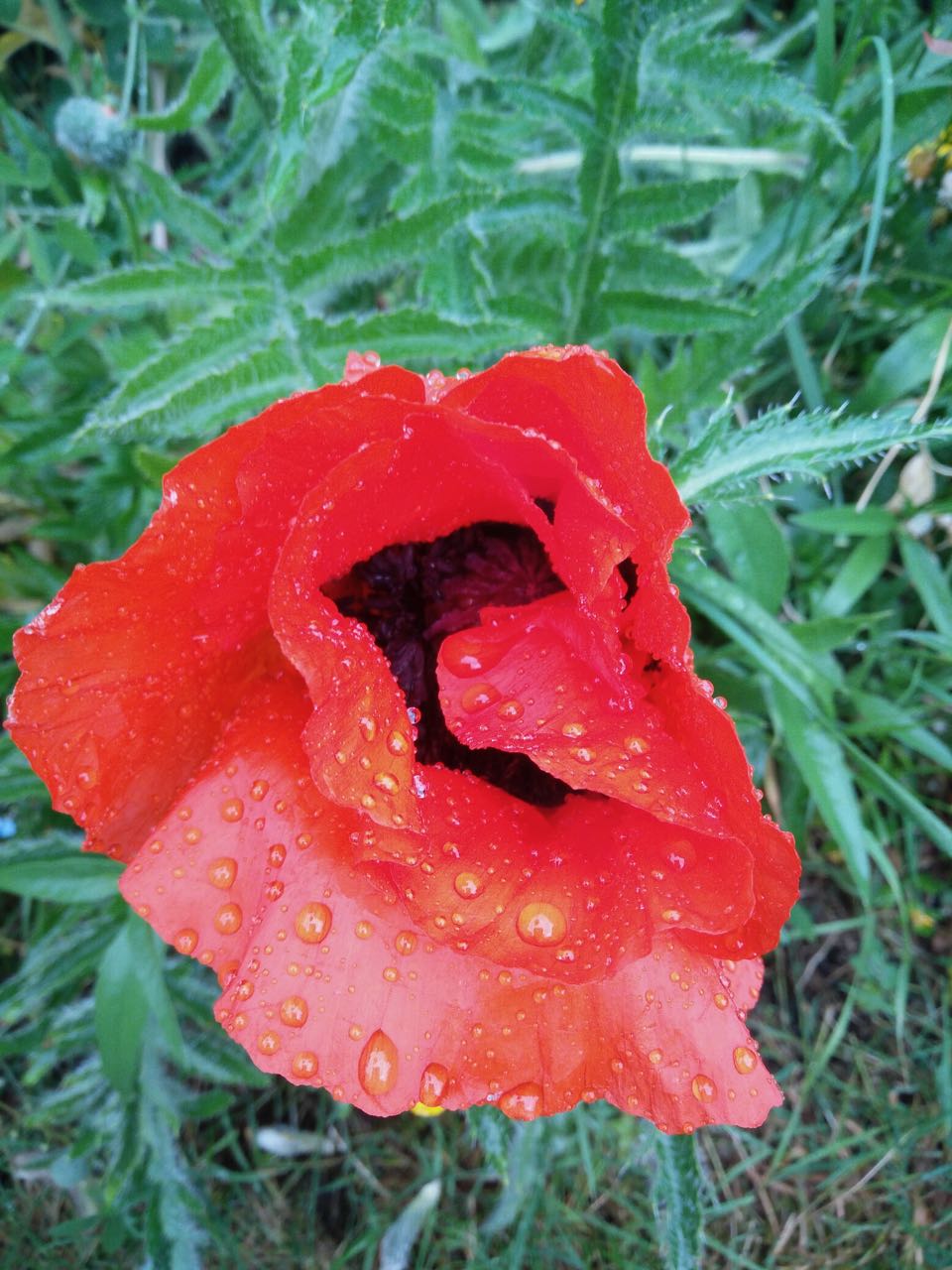
sahar ke dosh par gulnaar parcham hum bhi dekhenge
tumhen bhi dekhna hoga ye aalam hum bhi dekhenge



The Voice of Man
We too shall see till when one can suppress the voice of Adam
We too shall see till when can be stopped the angry emotion(s)
We too shall see, sure, just like this, the constant oppression.

Whether we view from the door of the dungeon or the elevation of the scaffold
We too shall see you dishonoured in the marketplace of the world
Just take a moment’s breath, we too shall see the consequences of the grandeur of Jamshed.

You too behold this vanity of power
We too shall see this by the kindness of the firm belief’s fervour
We too shall see a bend upon the dusty face that wears the jaunty headgear.

Retribution is a tradition of human history
Till when will you amass the arrows, we too shall see
We too shall see how far will you persist with your tyranny.

O sons of darkness this is the time for departure
We too shall see the morning shoulder the flag of red colour
We too shall see, you too shall have to see this clamour.

Source: ‘We Too Shall See, You Too Will Have to See This Clamour’: A Tribute To Sahir Ludhianvi by Raza Naeem, NayaDaur
Read/listen to Sahir on Rekhta
Sahir Ludhianvi – Making of Dreamer – Freudian Poet of the Indian Cinema by Anil Pundlik Gokhale. CounterCurrents.org








 BAGICHA