
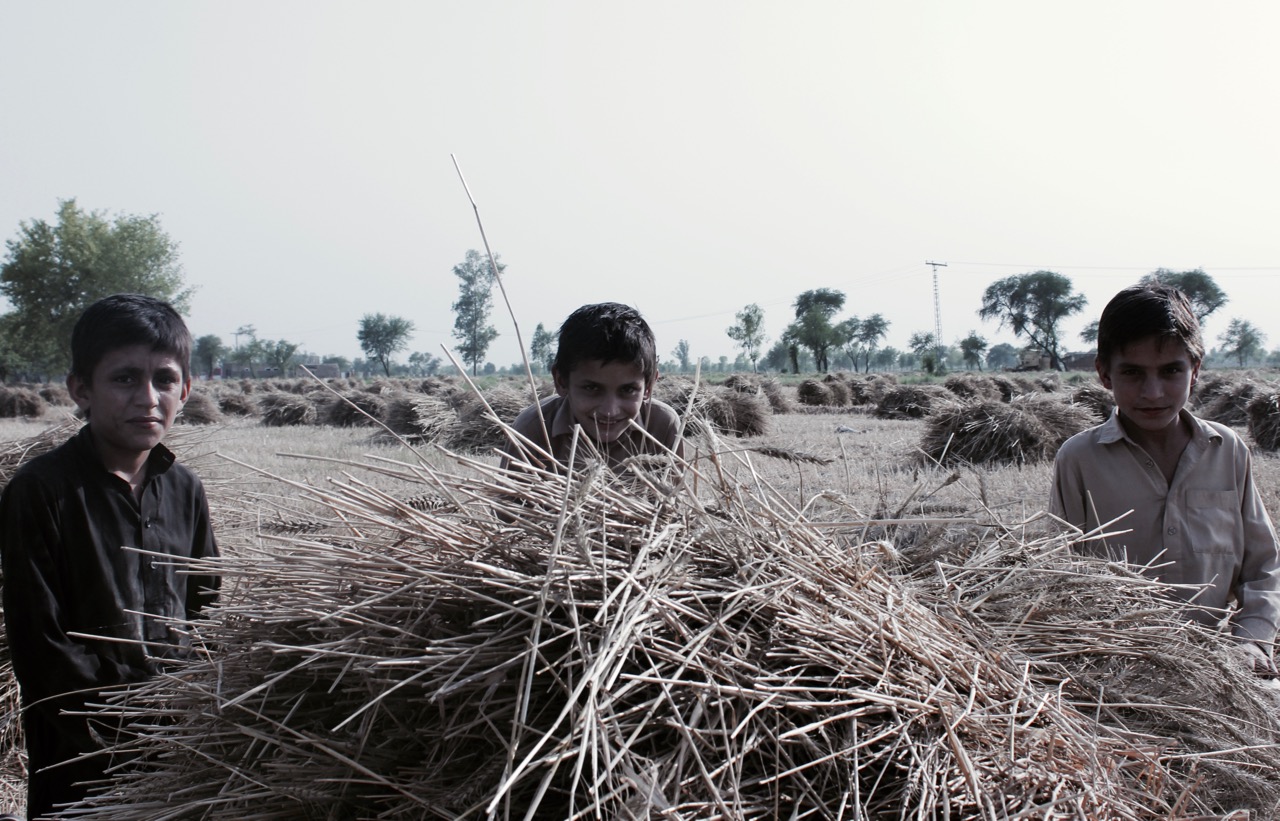
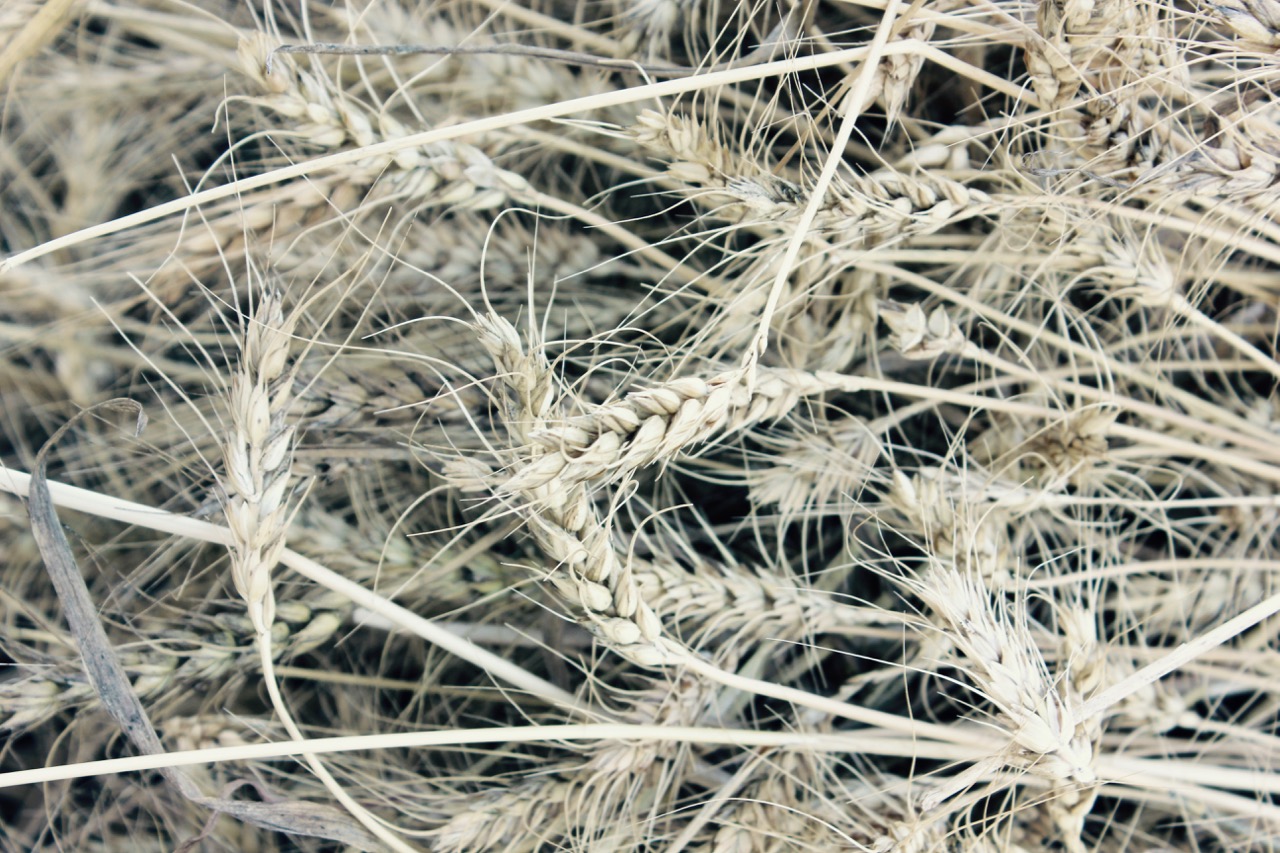


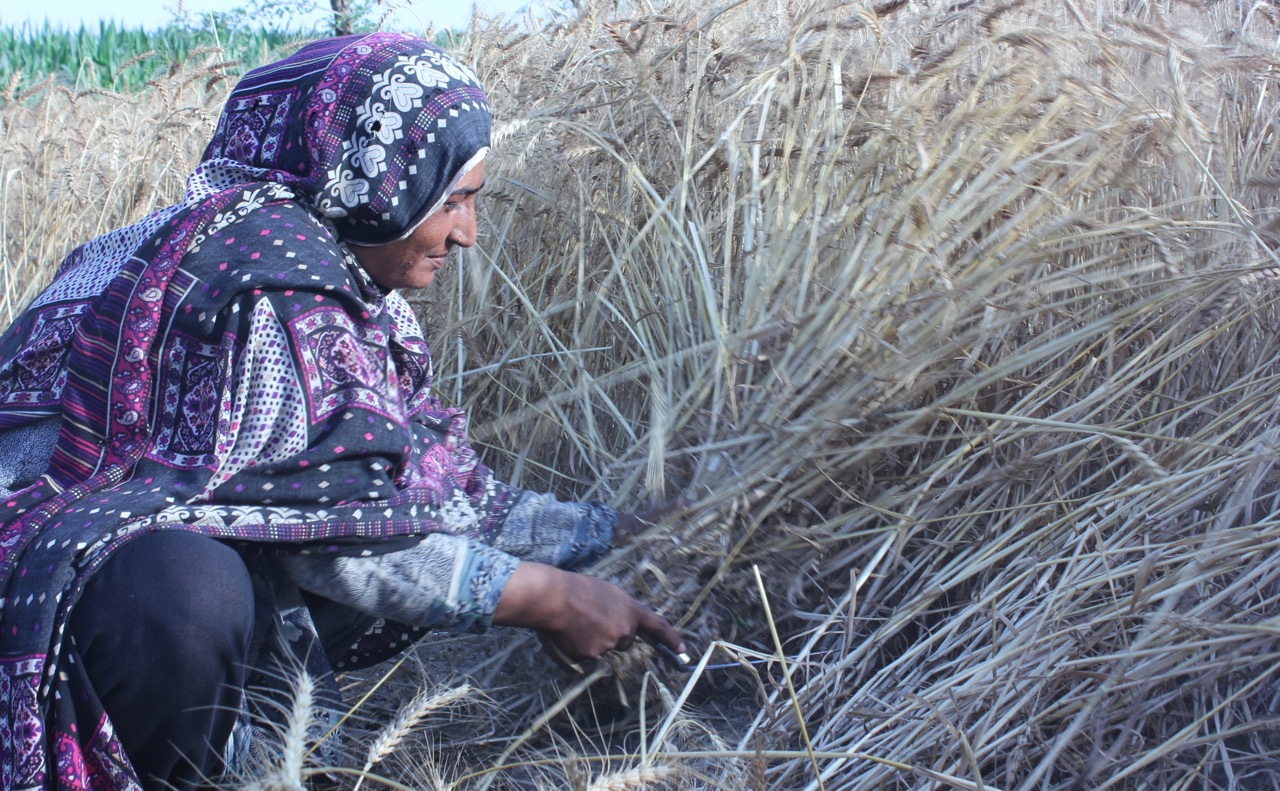
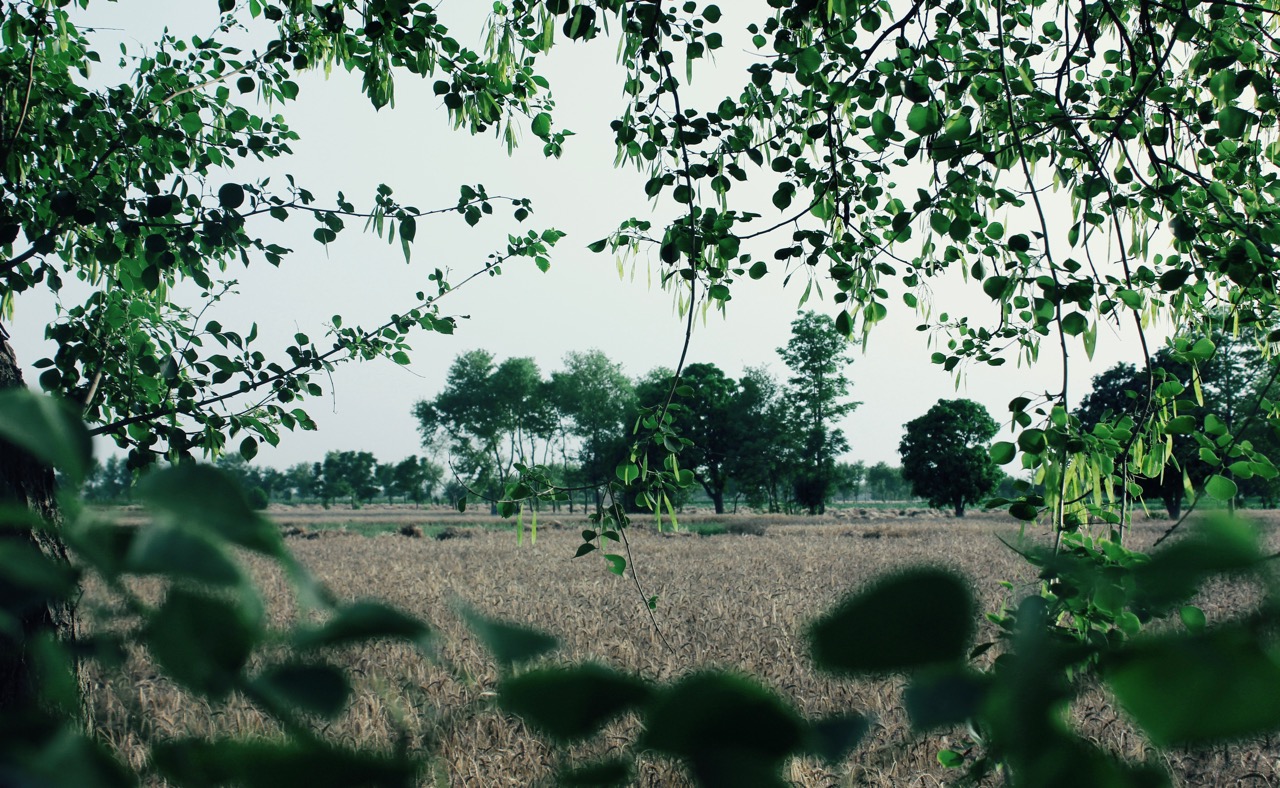

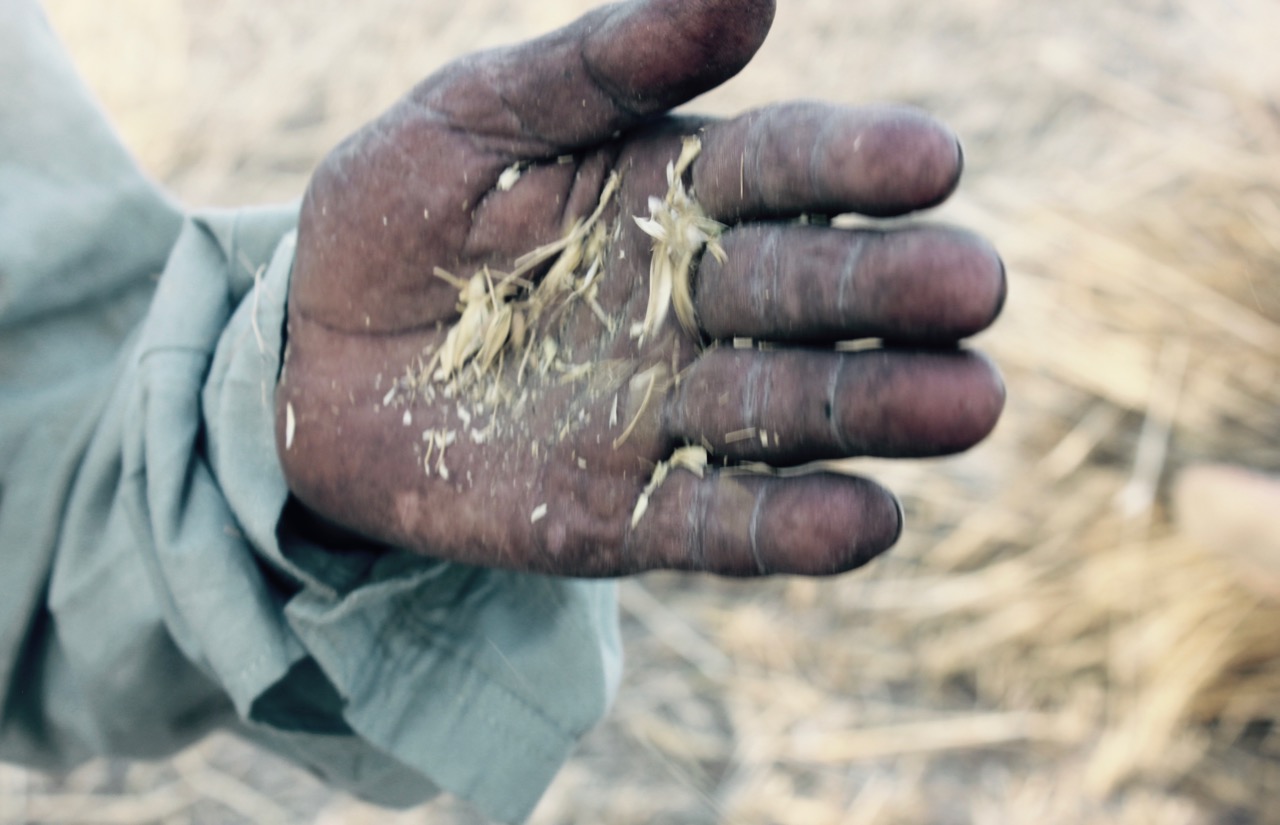
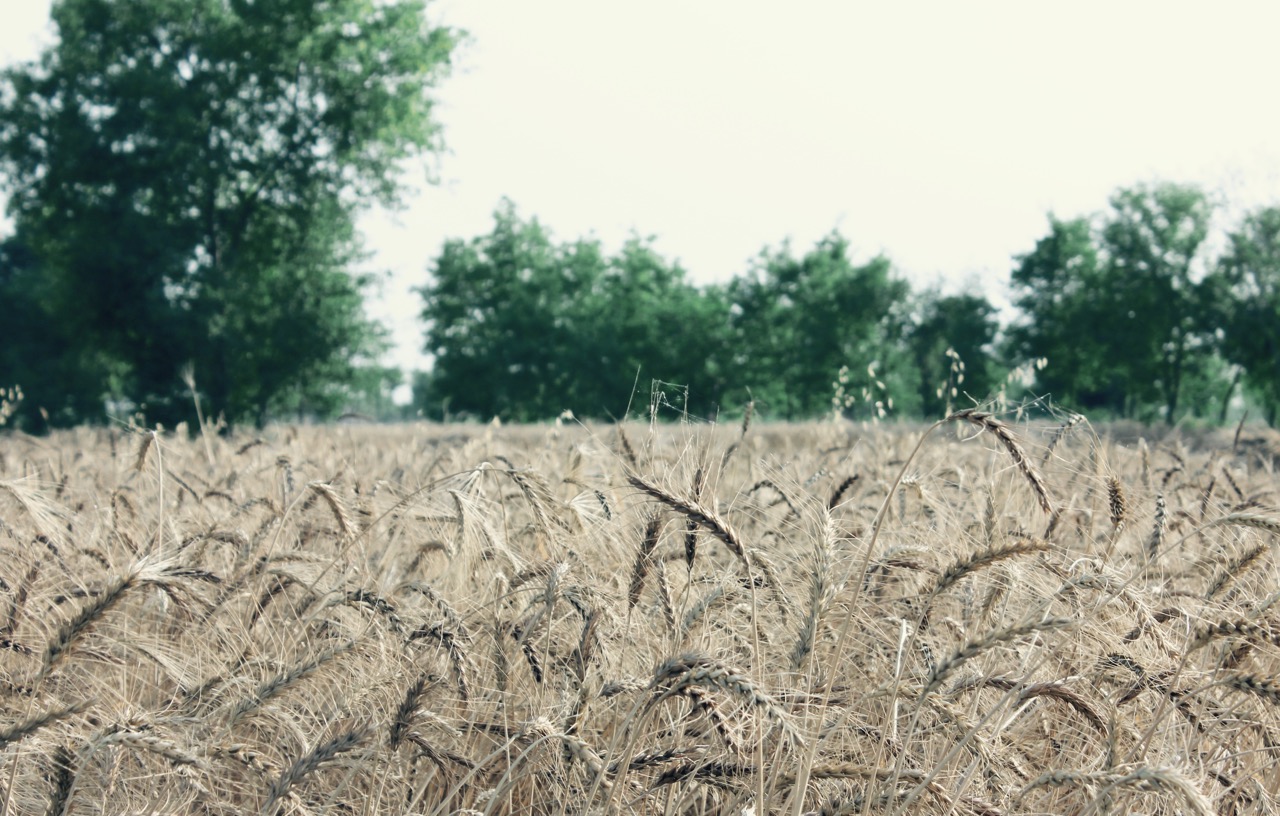

Vaisakh is traditionally the month of crop-harvesting in the Punjab region, in both India and Pakistan. Different permutations also exist in the rest of the countries. It is usually around 13th April that farmers around Punjab will start harvesting their crops and so the month is accompanied with many festivities. Harvesting wheat is the traditional crop that has come to symbolise the month of Vaisakh. The festival of Vaisakhi is an ancient tradition of the Punjab region and while it used to be celebrated throughout undivided Punjabi with village melas or fairs, it is now mostly associated with the Sikh community. For the Sikhs, it marks the birth of the Khalsa, when the 10th Guru, Gobind Singh, laid the foundation of the Khalsa Panth and asked for the five Sikhs to be the first that were formally initiated and baptised into the faith in 1699.
Another important historical event that coincided with Vaiskahi was the Jallianwala Bagh massacre. Thousands of people were gathered in the Jallianwala Bagh in Amritsar to celebrate the holiday and festivities of Vaisakhi. However, in the political volatile climate there was also a curfew and so General Dyer and his troops opened fire on the crowd who were effectively trapped in the public garden complex that only had one exit. Officially 379 people died, unofficially it was closer to 1000 casualties. This is often seen as the beginning of the end of the British Empire in India.
While the month of Vaisakh is still culturally significant on both sides of the border, the religious association means that it has lost some of its importance in Pakistan. The pictures above were taken during a trip to Sahiwal where harvesting wheat was in full flow.


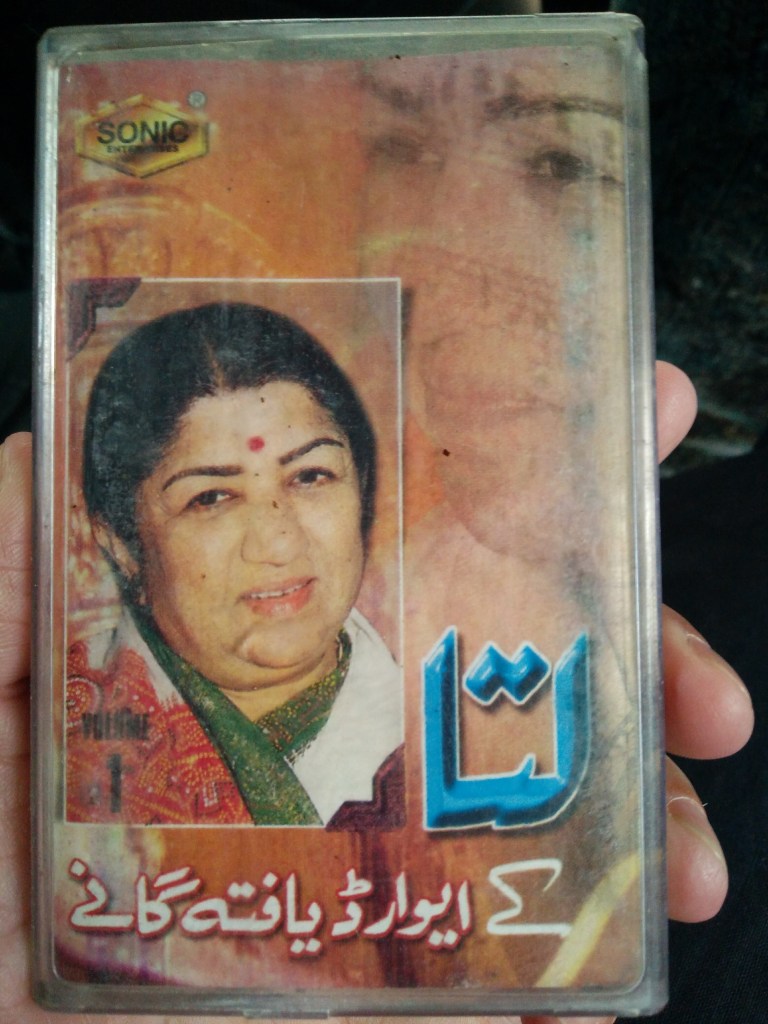 Imagine the nostalgia of jumping into a 4×4, on a rainy Friday morning in Islamabad, driven around by a German academic, only to discover several music cassettes by Indian singers tucked between the two seats. On close inspection, I discover the music of Lata Mangeshkar – the nightingale of Indian music. Sadly, there was no cassette player in the 4×4 but in that moment, I was transported to the 1980s, listening to popular Bollywood music on the small cassette players, an essential gadget in any household. The numerous compilations in the car were all of music belonging to the golden era of Bollywood music, Mukesh, Rafi and Lata.
 BAGICHA